





 Portuguese
  English
  Spanish
  3 min of reading



Soy oil, rice, long-life milk, meat, and tomato are the products that most pulled inflation, essential items that could not be missing from the Brazilian during the pandemic
Amid the pandemic, the Brazilian Institute of Geography and Statistics (IBGE) released on Thursday (3/11) the Broad Consumer Price Index (IPCA). Considered the official inflation of the country, the IPCA stood at 0.86% in February, after rising 0.25% in January. The rate is the highest for the month since 2016, when it was 0.9%. In the year, the increase has already accumulated 1.11%. According to IBGE, the main contributing factor was gasoline, which rose 7.11% in the period. Alone, this item was responsible for 42% of February’s inflation.
According to lawyer and economist Alessandro Azzoni, who is a counselor for SINFAC/SP (Union of Factoring and Financial Institutions of the State of São Paulo), this impact of inflation is concerning, as it directly affects families with fewer resources. “We have a scenario with high inflation, rising prices, and many people completely without income, living on emergency assistance or other benefits from INSS. For these people, money is worth much less, as the impact occurs directly on the consumption of these families. And they are basic items, so this is really very concerning,” warns Azzoni.
Azzoni cites some accumulated numbers from last year, when soy oil rose 104%, rice 76%, long-life milk 27%, meat 18%, and tomato 53% when we were still in the beginning of the pandemic. “These are items present in the Brazilian basic food basket, which significantly pulled the inflation variation. Now, we will have the impact of IGPM – which adjusts practically all linked contracts, such as energy, public utility companies, and rental contracts. As it has already accumulated an increase above 20%, we run the risk of the inflation rate for the first quarter of 2021 being even greater,” warns the specialist.
-
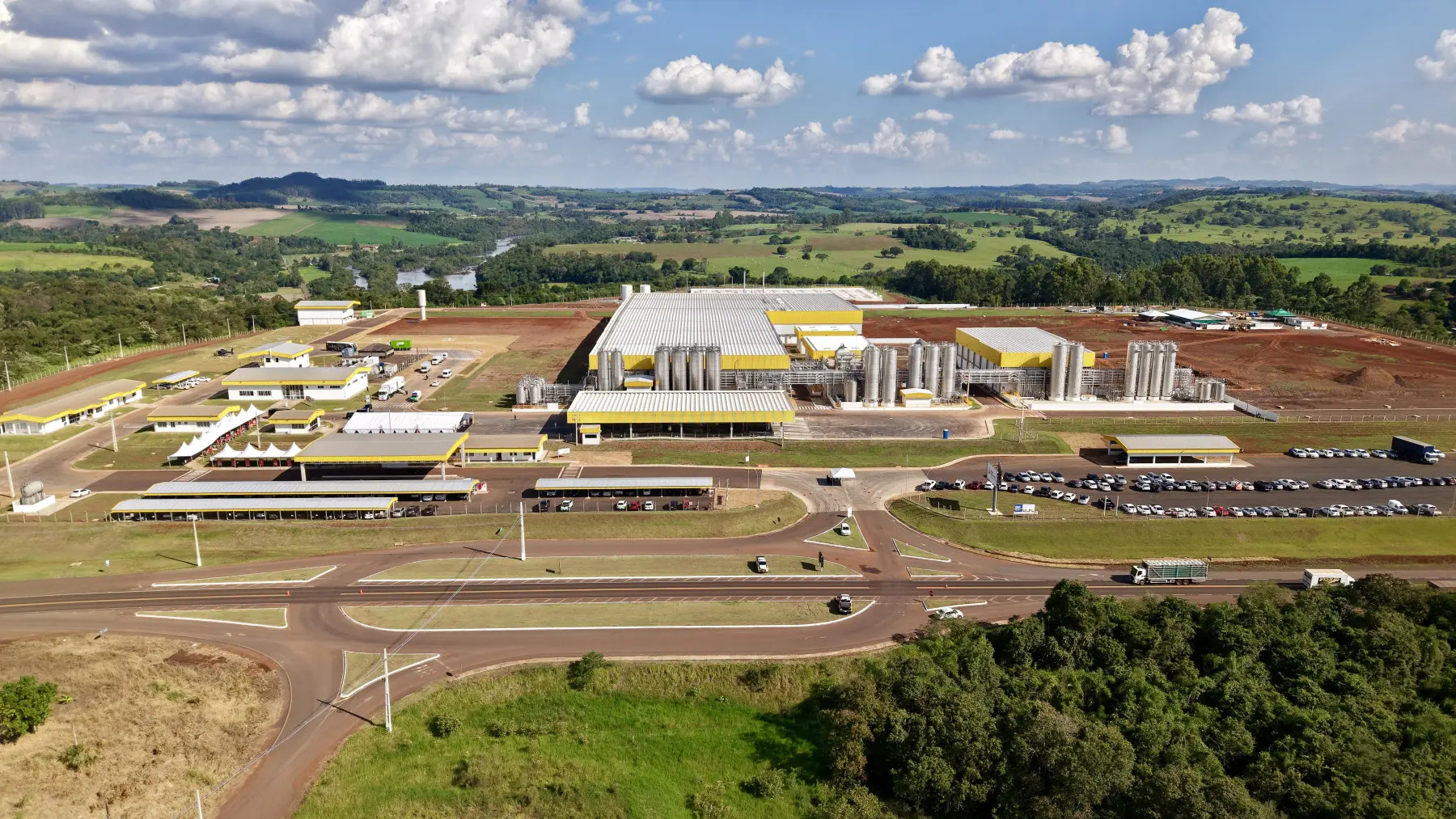
With an investment of R$ 612 million, a capacity to process 1.2 million liters of milk per day, Piracanjuba inaugurates a mega cheese factory that increases national production, reduces dependence on imports, and repositions Brazil on the global dairy map.
-
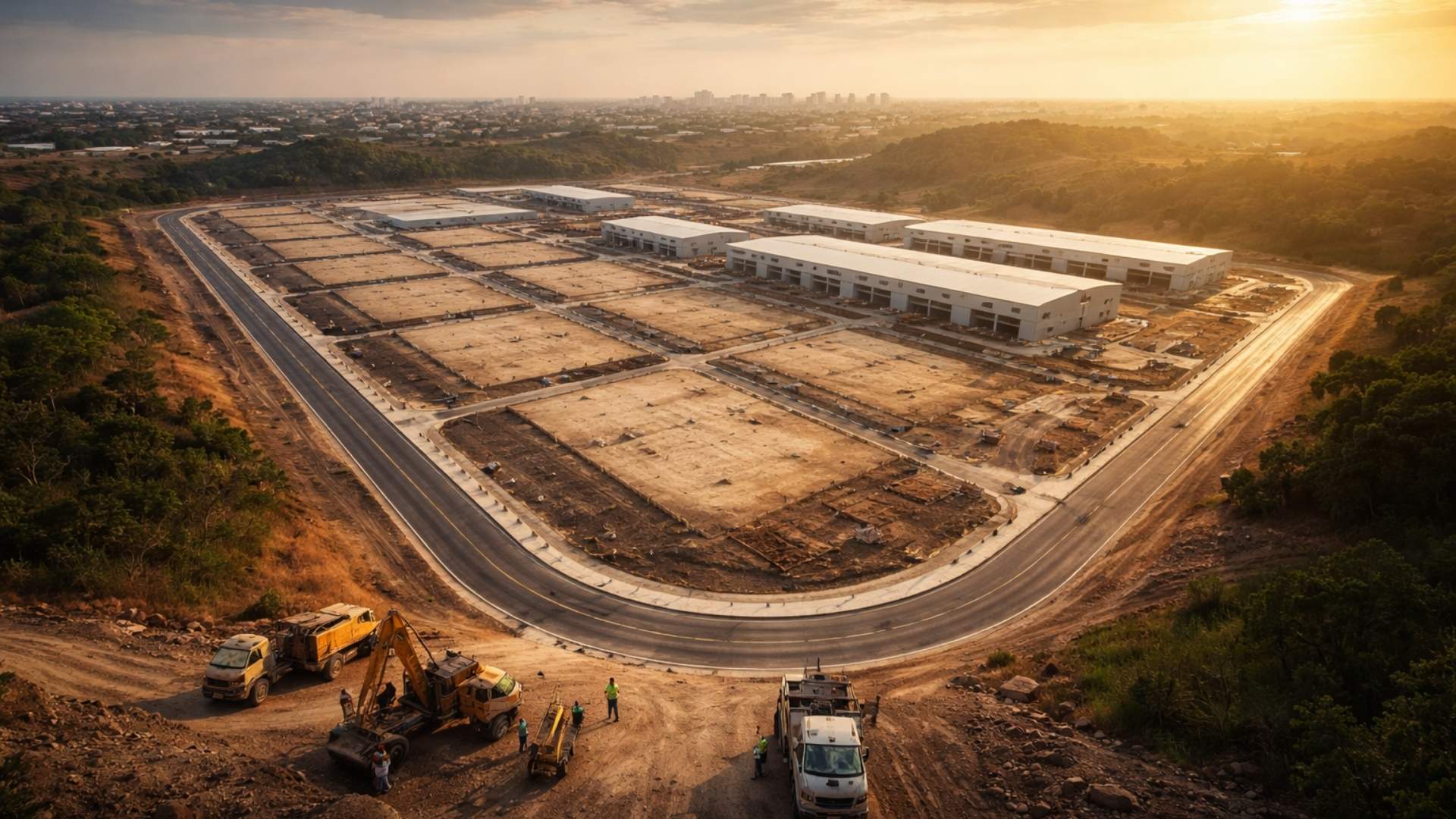
Brazilian city gains industrial hub for 85 companies that is equivalent to 55 football fields.
-
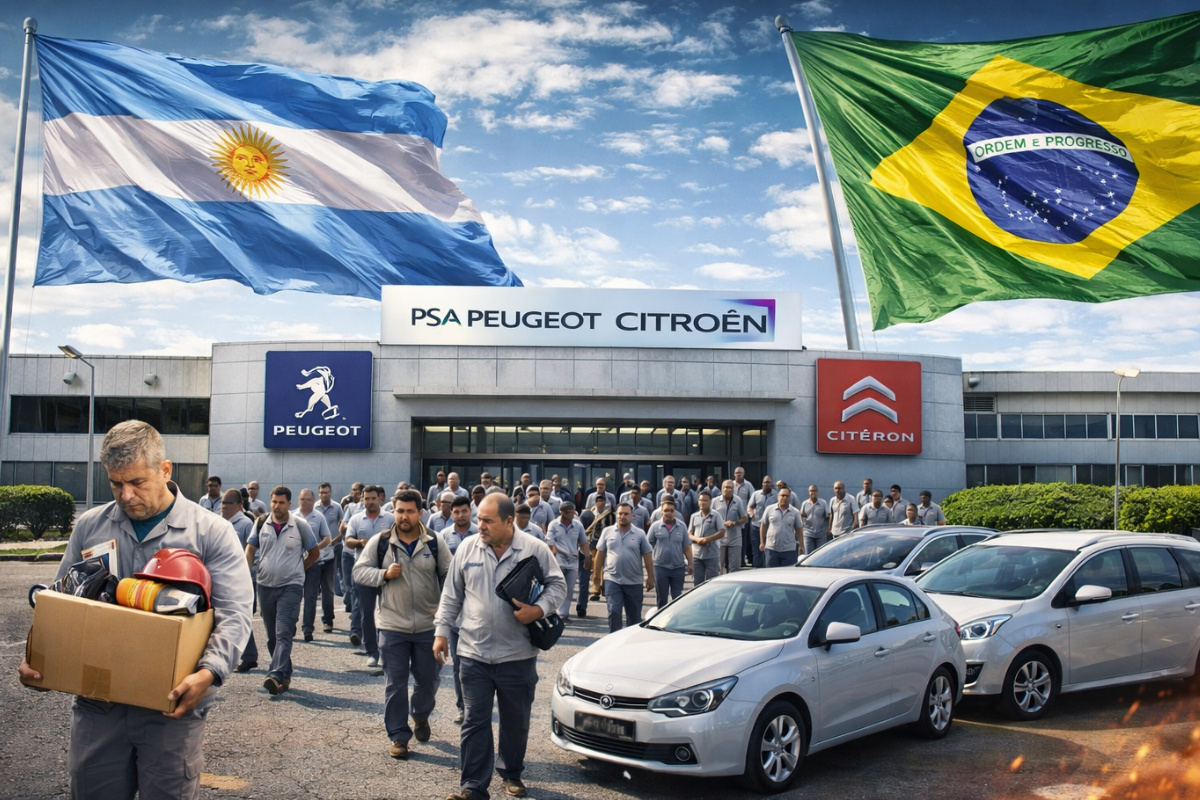
Peugeot and Citroën factory in Argentina cuts production by half and opens a layoff program for more than 2,000 employees after Brazil drastically reduced purchases of Argentine vehicles.
-
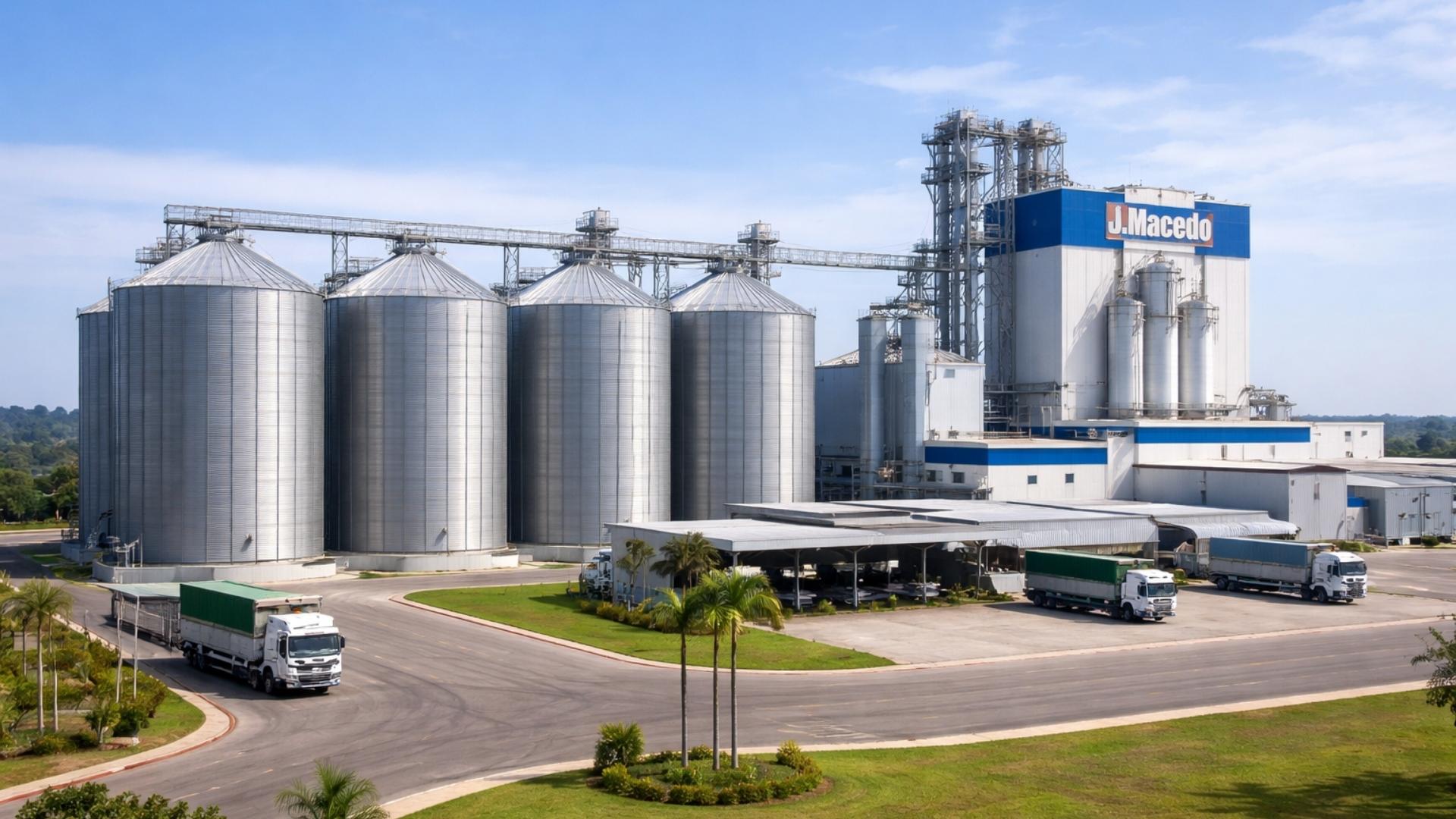
A Brazilian city gains a factory worth R$ 300 million with the capacity to process 200 thousand tons of wheat per year, a mill of 660 tons/day, silos for 42 thousand tons, and an industrial area of 276 thousand m².

SOURCE PROFILE
Alessandro Azzoni – Lawyer and economist, specialist in environmental law, working in the areas of Civil, Labor, and Tax Law. He holds a master’s degree in Law from Universidade Nove de Julho, specialized in Environmental Business Law from Faculdade Metropolitanas Unidas (FMU). Graduated in law from FMU. Bachelor in Economic Sciences from FMU. Law professor at Universidade Nove de Julho (Uninove). He is a Deliberative Counselor of ACSP – Commercial Association of São Paulo; Counselor of SINFAC/SP (Union of Factoring and Financial Institutions of the State of São Paulo – Coordinator of NESA – Nucleus of Socio-Environmental Studies – ACSP – Commercial Association of São Paulo; Member of the Urban Policy Council – ACSP – Commercial Association of São Paulo; Member of the Environmental Law Commission OAB/SP.
Source: M2 Comunicação






Seja o primeiro a reagir!