Portuguese
  Spanish


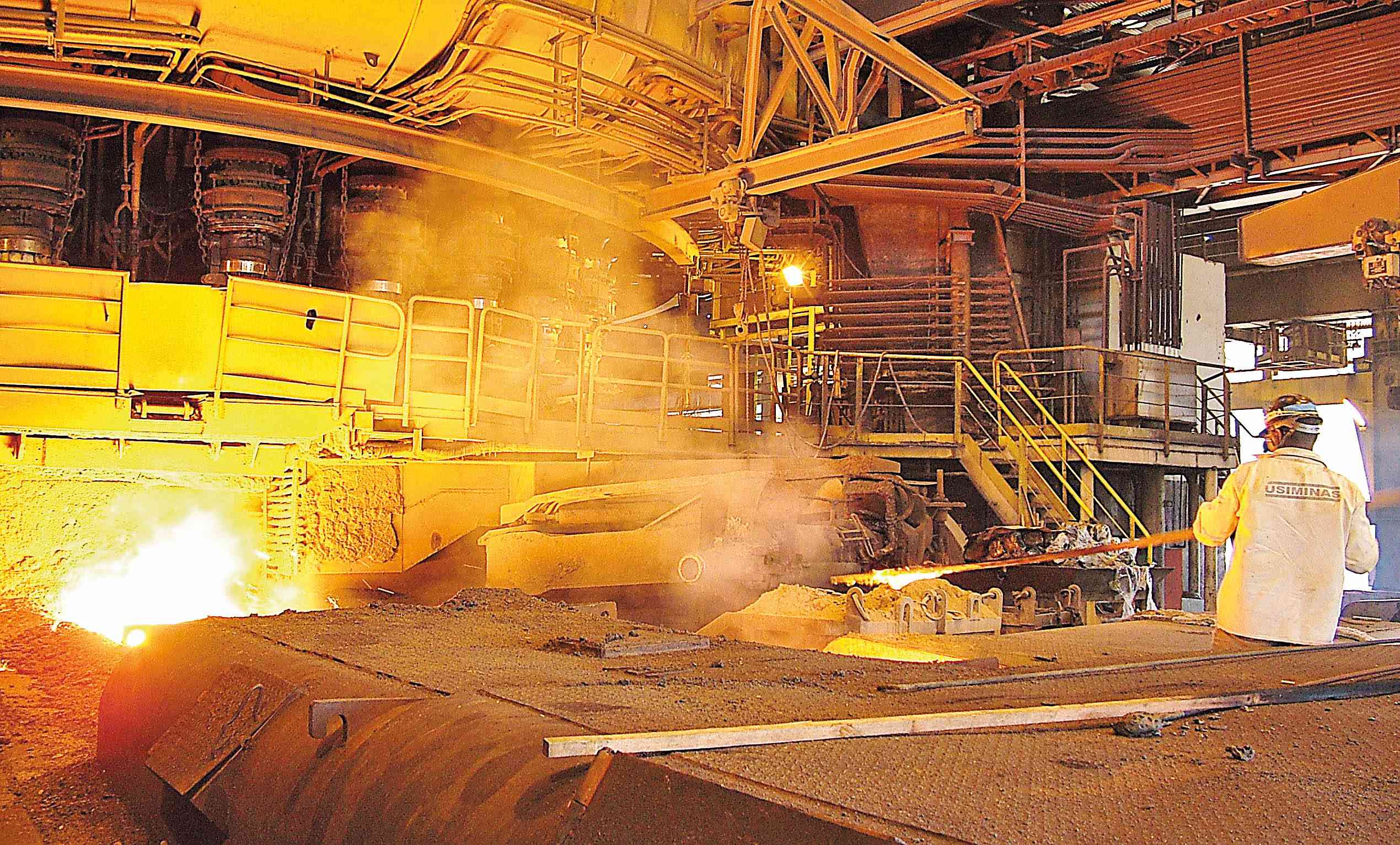

From April 2020 To The First Days Of February, The Value Of Steel That Usiminas Produces Rose By More Than 130%
After more than 100% growth from April to December 2020, Usiminas increased its products by another 15% in January and now in the first two days of February, announced another increase of 15%. In other words, in 32 days of 2021, the price of steel increased by 30% without involving any government or regulatory changes, such as CADE – Administrative Council for Economic Defense.
Check Out Other News Of The Day:
- BR Distribuidora Completes Purchase Of Targus And Enters The Electric Energy Market
- Petrobras Gets Approval From Cade And Acquires Total’s Stake In 5 Oil Blocks In Amazonas
- FPSO Carioca Chartered By Petrobras And Operated By Modec Arrives This Week At The Brasfels Shipyard For Integration
- Senai Opens More Than 500 Free Qualification Course Slots In Pará
- Bifacial Solar Panels Arrive In Brazil And Can Generate Up To 25% More Energy
Prices And Recovery From The Pandemic:
According to the current Minister of Economy, Paulo Guedes, there will be few companies left, but the prices of products and services will continue to put enormous pressure on inflation.
Guedes also says that the manufacturing industry, which produces the most common consumer goods in the market, is trying to recover from the crisis caused by the pandemic and now has another concern, the rising prices and the shortage of steel.
-
At 14 years old, she worked in a factory in Hong Kong, studied economics abroad, and then entered the Chinese real estate market, which helped change the landscape of Beijing.

-
While NATO secured more than $10 billion in missiles and space surveillance at a single forum, Brazil still spends 1.1% of its GDP on defense and is stalling its own anti-aircraft system.

-
Corn ethanol attracts R$ 23 billion in 21 new plants and prepares for a nearly 50% jump in Brazilian production by 2027, even with high interest rates.
-
A newly opened terminal in the middle of the Amazon has begun transporting soy and corn through Amapá, eyeing the queue of ships that is congesting the ports in the South.


Affecting More Sectors:
The market is so deregulated that there is no prediction for the delivery of products in the coming months. There is also a shortage of products in construction stores, such as steel and iron bars for slab construction, barbed wire, and even nails.
Another sector that has been impacted is the oil industry, which has suffered from rising prices and shortages. There is no delivery forecast. Without investment, some companies have already started laying off employees.