





 Portuguese
  English
  Spanish
  3 min of reading
  5 comments


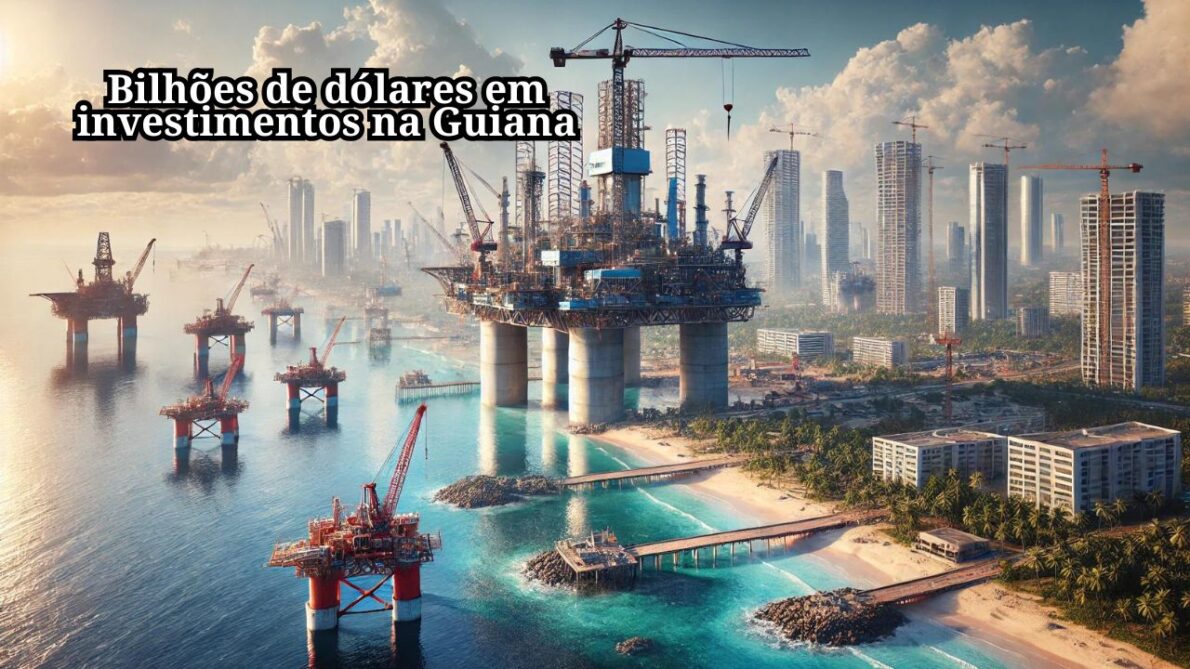


The Impressive Growth of Construction in Guyana: A New Era of Development
Guyana, one of the smallest countries in South America, is experiencing a true economic boom that feels like a story from fiction. What was once an economy focused on mining and agriculture is now seeing its foundations radically changed thanks to an impressive array of megaprojects. And construction in Guyana is at the heart of this revolution, promising to transform the country into an emerging powerhouse on the continent. Who would have thought that this small country with only 800,000 inhabitants would attract the attention of the largest global powers?
Located on the northern coast of South America, Guyana borders Brazil, Venezuela, Suriname, and the Atlantic Ocean. Despite being one of the least populated countries in the region, its innovative constructions and ambitious projects are making Guyana a true emerging giant. With a focus on offshore oil exploration, the country has recorded impressive economic growth, with the World Bank estimating that the Guyanese economy will be the fastest-growing in 2024.
Construction Projects Underway
Among the major construction projects underway, stands out the deepwater port, budgeted at 500 million dollars, aimed at integrating the economies of Guyana, Brazil, and Suriname. The project, which is expected to be completed by 2025, will not only facilitate the export and import of heavy equipment but also boost the oil industry. This megaproject is just one of many that promise to solidify Guyana’s role on the international stage.
-
A megaproject worth R$ 89 billion is advancing in Iraq and promises to change the game in global trade by creating a new corridor between Asia and Europe, reducing traditional routes and repositioning the country as a logistics powerhouse.
-
Goodbye bedside table: floating shelves become a trend in 2026 by freeing up space in the bedroom, improving circulation, bringing visual lightness, and integrating technology without taking up floor space.

-
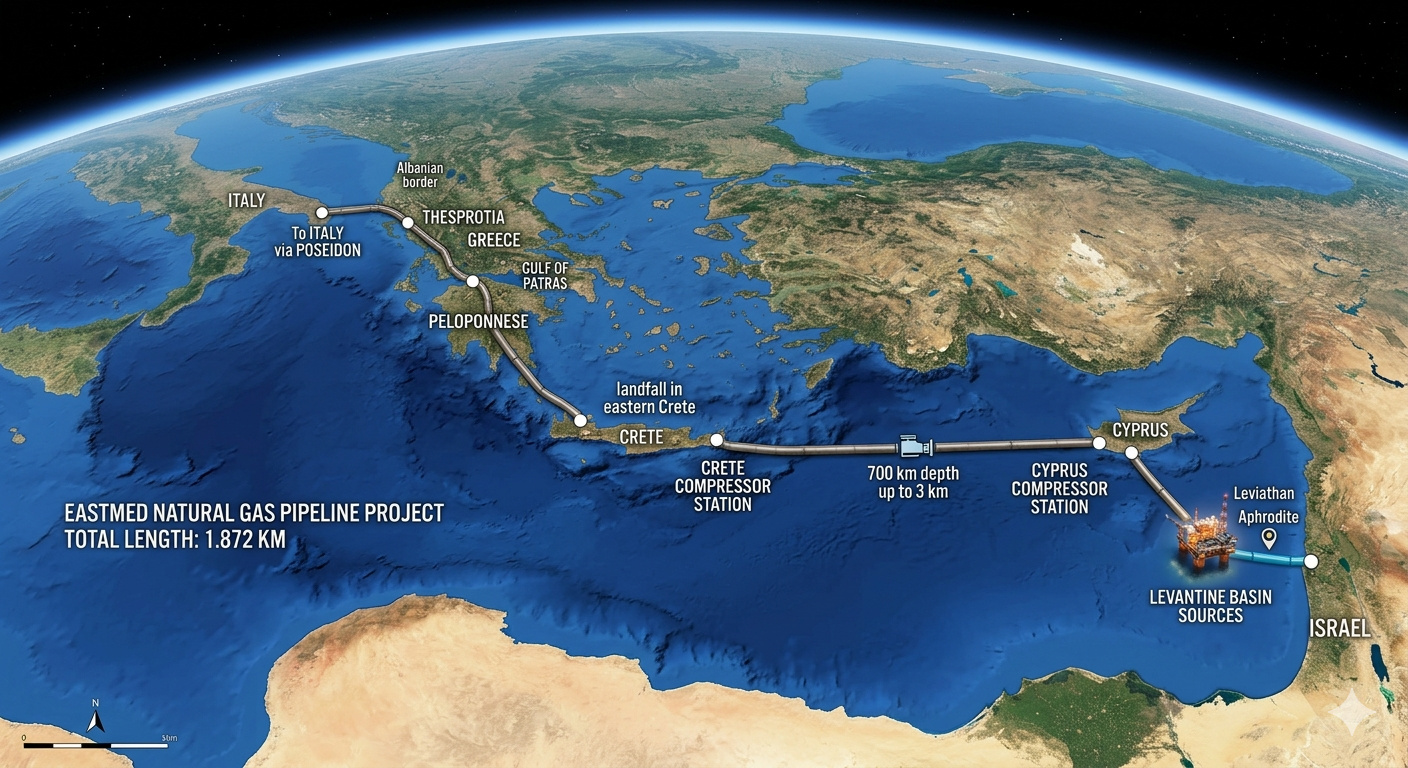
Israel, Greece, and Cyprus signed an agreement in 2020 to transport gas from the Mediterranean to Europe via a 1,872 km pipeline, but Turkey claimed sovereignty over part of the maritime route, and the project never materialized.
-
Israel, Greece, and Cyprus signed an agreement in 2020 to transport gas from the Mediterranean to Europe via a 1,872 km pipeline, but Turkey claimed sovereignty over part of the maritime route, and the project never materialized.
Construction of Megaprojects Like Amaila Falls Hydropower
Another example of megaprojects in Guyana is the construction of the Amaila Falls hydropower plant, with a projected capacity of 165 MW. Scheduled to begin in 2027, the project will be crucial to reducing the country’s dependence on fossil fuels, reinforcing its commitment to sustainable development. China International Water and Electric Corporation is leading the race to implement this ambitious venture, which is part of the Guyanese government’s low-carbon strategy.
ExxonMobil Has Also Played a Central Role
In the energy sector, ExxonMobil has also played a central role with the Hammerhead project, estimated at 12.7 billion dollars. The initiative aims to significantly increase oil and gas production, with forecasts of up to 180,000 barrels per day. This impressive volume places Guyana in a strategic position in the global energy market, rivaling major powers in the sector.
In addition to constructions in the energy sector, residential infrastructure is also being revolutionized. The Guyanese government has announced plans to build thousands of new homes, including single-family houses and energy-efficient apartments. These measures will not only reduce the housing deficit but also ensure affordable housing for the population, reinforcing the commitment to social development.
Megaprojects Ranging from Oil Exploration to Infrastructure Modernization


With megaprojects ranging from oil exploration to infrastructure modernization, Guyana is undergoing an unprecedented transformation. The constructions in Guyana are a symbol of this new era of development, and the country, once considered one of the poorest in South America, is now at the center of global investors’ attention. The future of Guyana looks bright, and its megastructures will undoubtedly be an essential pillar of this rapid growth.
But the question remains: will all this development bring long-term benefits to the local population, or does the country risk becoming overly dependent on oil exploration?







O Brasil é um país historicamente atrasado. A sorte dos brasileiros é ter o Brasil.
A pobreza ao longo prazo que esse país vive. Pode ser uma ótima resposta a sua pergunta acima!
Pela postura do governo de lá, a tendência é o crescimento de toda a nacao. Não devem cair na esparrela da Venezuela. Nem podemos citar a postura do Brasil com respeito a reserva petrolífera contígua, que é submissão a interesses de organizações internacionais