





 Portuguese
  English
  Spanish
  3 min of reading
  0 comments


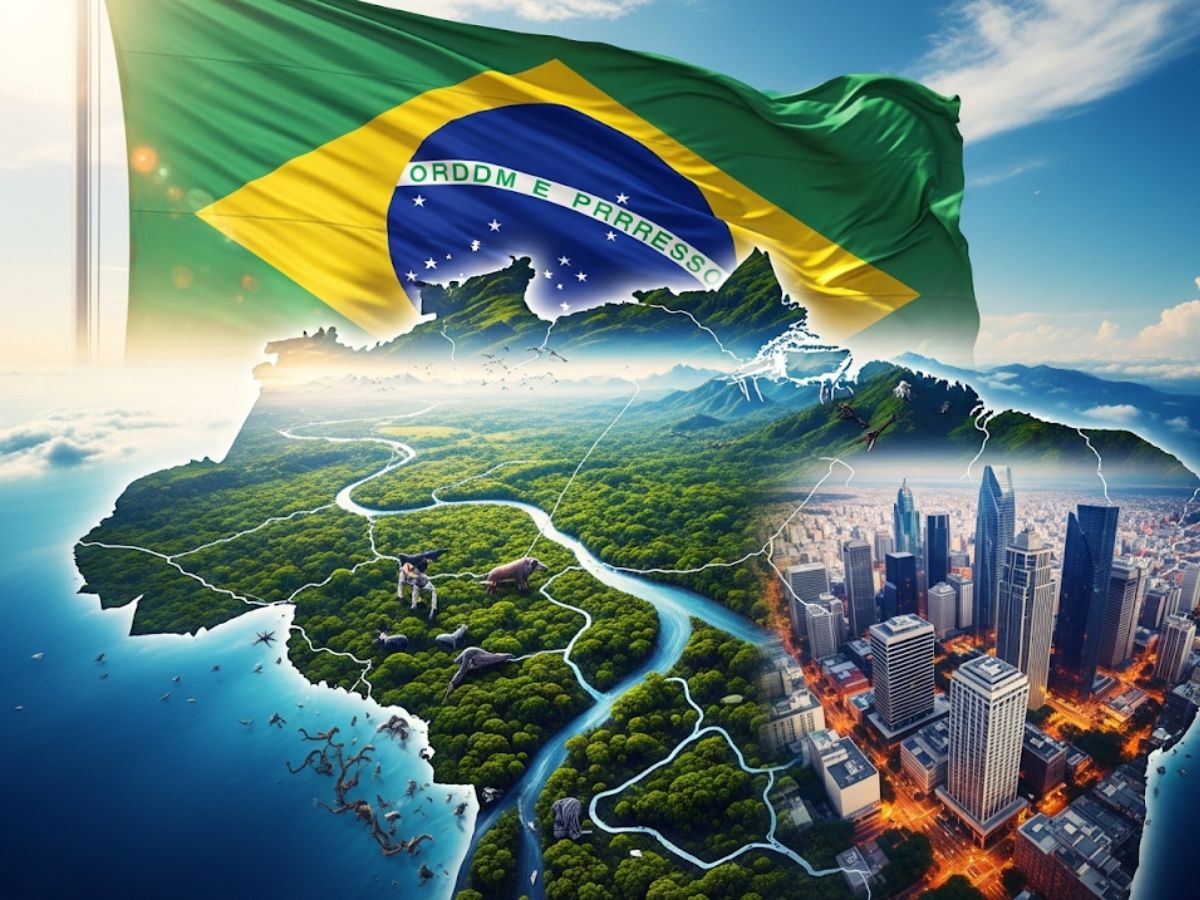
A Journey Through The Unique Characteristics That Define The Brazilian States, From The Largest Territory To The Largest Indigenous Population, From The Industrial Powerhouse To The Agricultural Hub And Its Cultural Treasures.
Brazil, with its continental dimensions, is a mosaic of diversities reflected in each of its federative units. The Brazilian states hold records and geographical, demographic, economic, and cultural singularities that tell the story and complexity of the nation.
Understand these particularities. Let’s uncover everything from the largest and smallest territories to highlights in population, economy, and natural wealth, painting a picture of the excellences that comprise Brazil.
The Territorial and Natural Extremes of The Brazilian States
The Brazilian territorial vastness is manifested in its states. The Amazon is the largest state, with 1,559,167 km², surpassing the combined South and Southeast regions. At the other extreme, Sergipe is the smallest state (21,925 km²), while the Federal District is the smallest federative unit (5,760 km²).
-
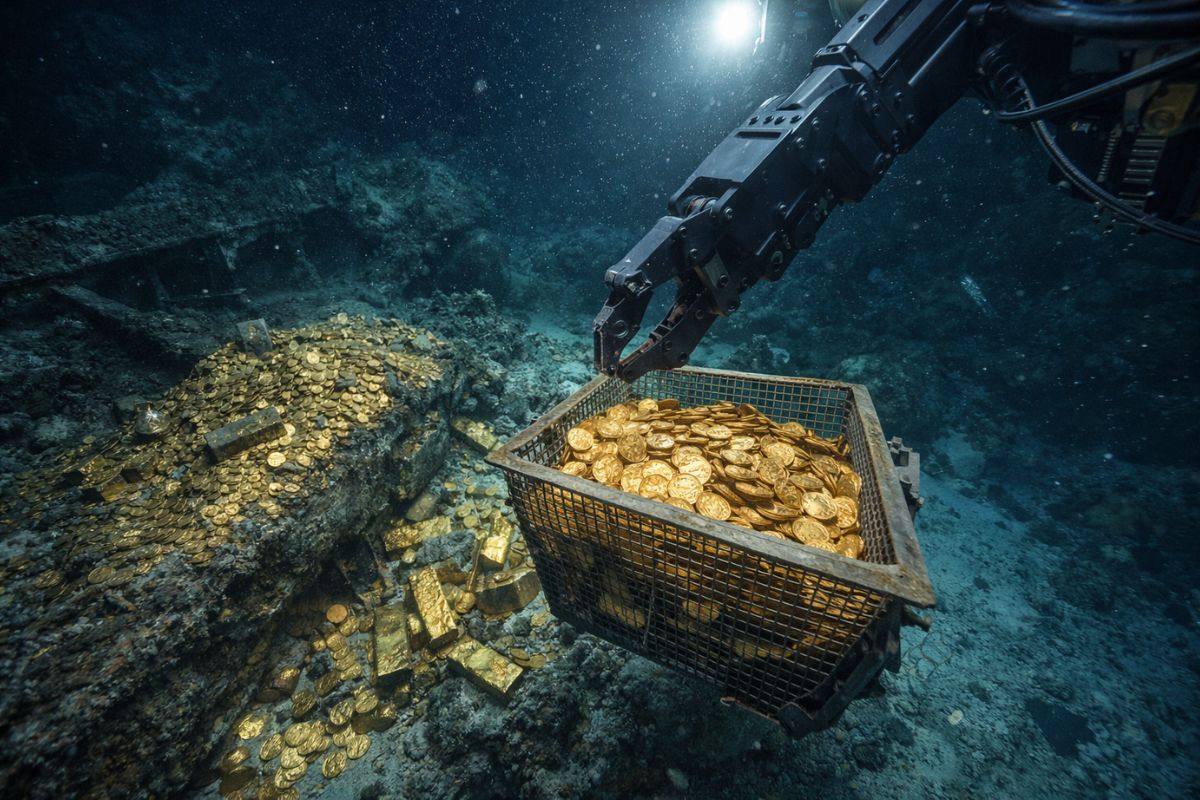
He found the largest gold shipwreck in the United States with tons of the precious metal at a depth of 2,400 meters in the Atlantic and recovered a treasure that no one thought possible to reach, but 500 gold coins disappeared without explanation.
-
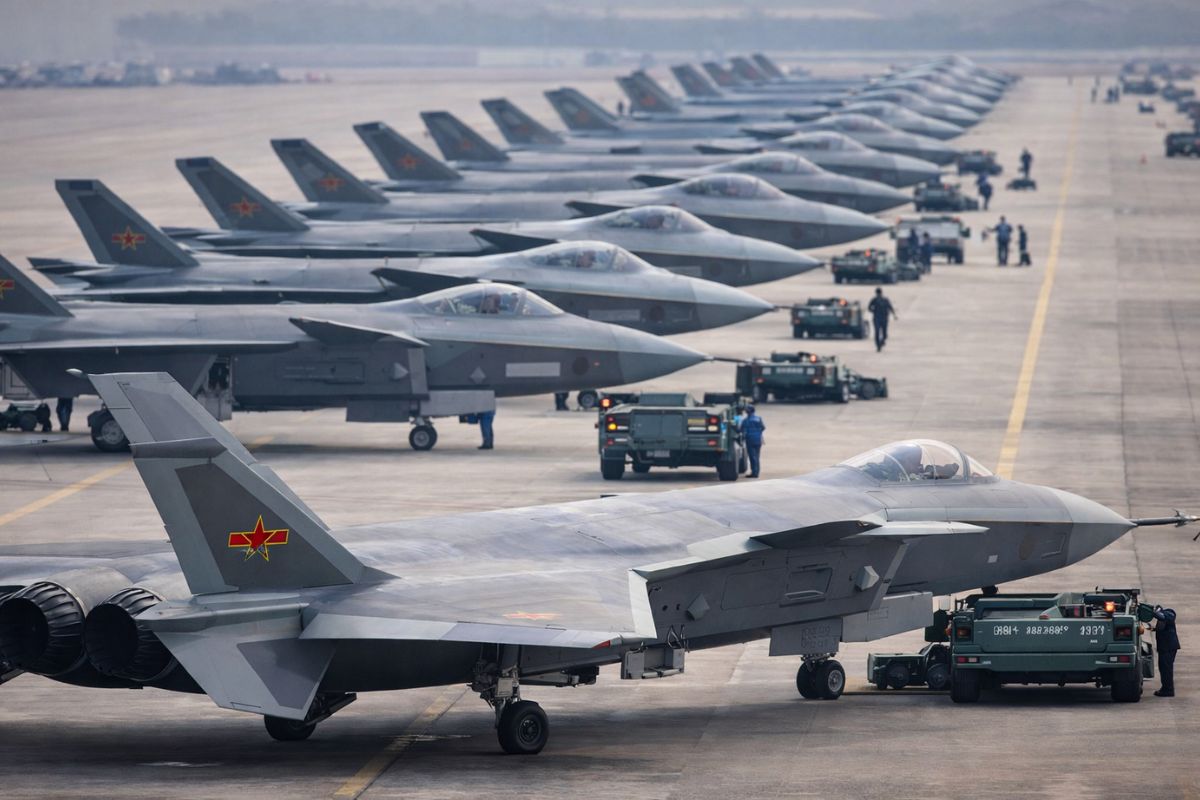
The United States has a serious problem with its F-35s: China is already producing fighters at a pace that exceeds American capacity and could manufacture up to 300 aircraft per year before the end of the decade, shifting the global military balance.
-
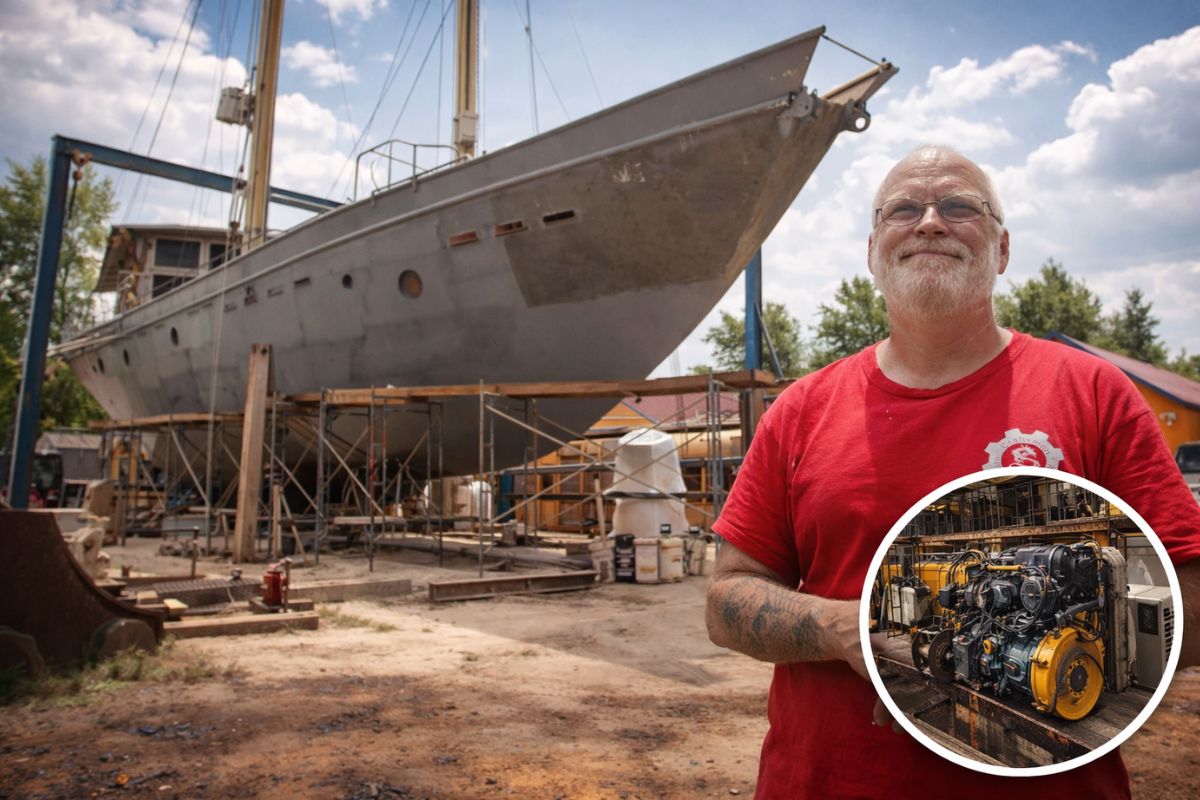
A retired IT professional built a 22-meter boat in his backyard in Oklahoma with a school bus engine, light pole masts, and handmade watertight doors to become the redneck version of Jacques Cousteau.
-
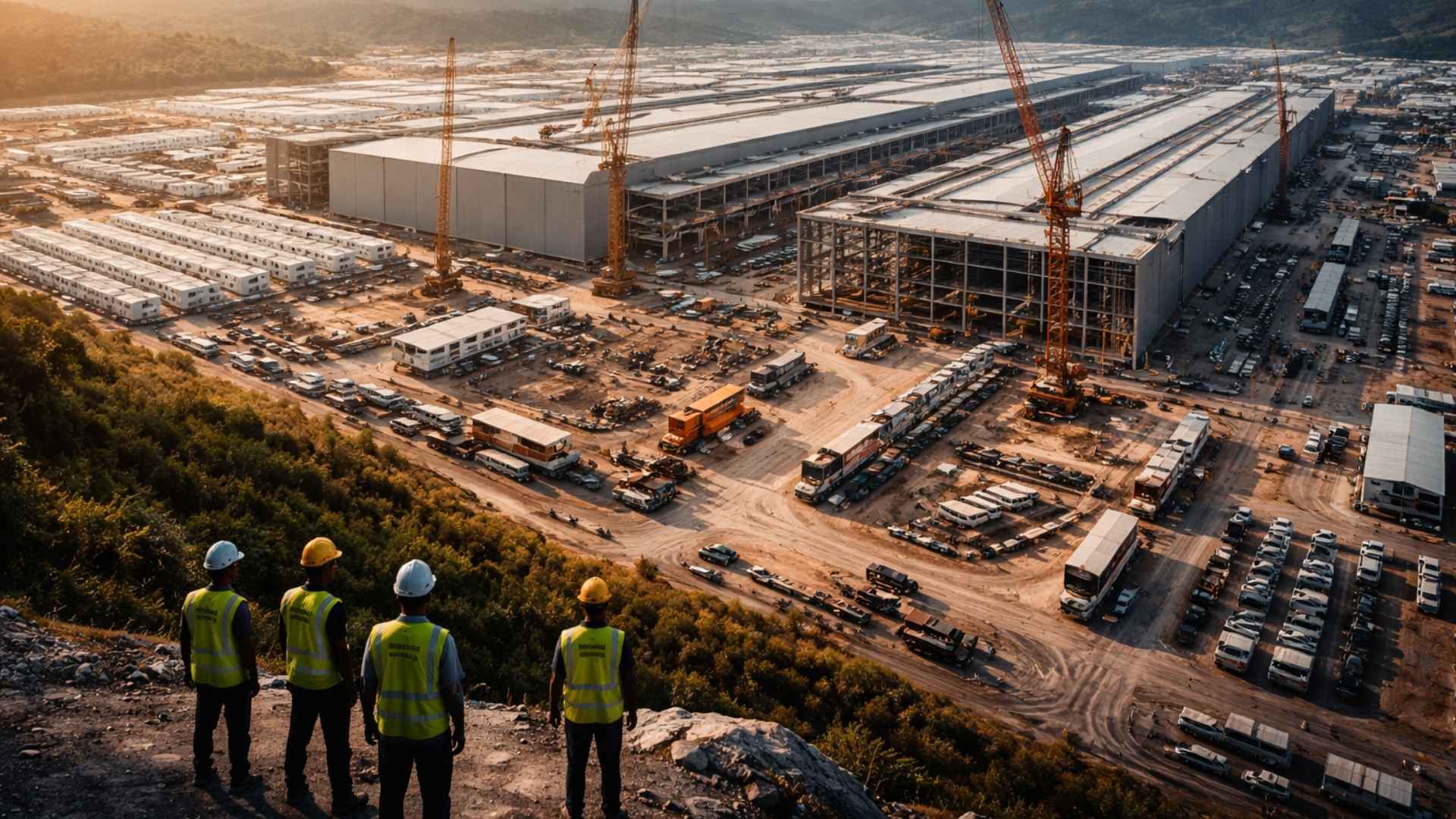
China is building a city in Brazil: a complex with an investment of R$ 5.5 billion comes to light, but allegations involving workers draw attention.

On the coast, Bahia (30) and Maranhão (33) have the highest number of coastal municipalities, while Piauí has the smallest stretch, with only four. The highest point in Brazil is Pico da Neblina (AM), at 2,995.3 meters. Other highlights include Pico da Bandeira (MG/ES) and Mount Roraima (RR). Singularities such as the capital of Amapá, Macapá, being crossed by the Equator, and states at the extreme cardinal points of the country (RR, RS, PB, AC) enrich our geography.
Demography And Society In The Various States Of Brazil
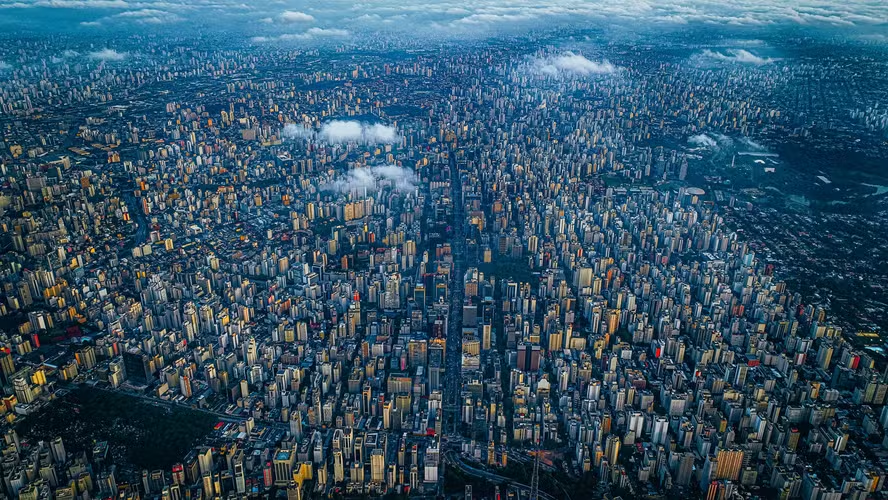
The 2022 Census revealed 203 million inhabitants in the Brazilian states. São Paulo is the most populous state (44.4 million), and Roraima, the least populous (636.7 thousand). The indigenous population reached 1.69 million, with Amazonas hosting the largest absolute number (490.9 thousand) and Roraima the highest proportion (15.29%) of indigenous people in relation to its total population.
In quality of life (IDHM 2021), Federal District and São Paulo lead with “very high development”. In the IDEB of High School (2023 data), Goiás (4.8 points) had the best performance. In safety, Amapá recorded the highest rate of Intentional Violent Deaths (MVI) in 2022 (50.6 per 100 thousand inhabitants), while São Paulo had the lowest (8.4). Minas Gerais is the state with the highest number of municipalities (853).
The Industrial And Agricultural Strength Of Brazil
The Brazilian industry has its main hub in São Paulo, with the highest Industrial GDP (R$ 641.8 billion in 2022) and the largest number of establishments and workers. However, Rio de Janeiro has the highest share of industry in its state GDP (42.4%). The Federal District leads in GDP per capita (R$ 116,713.39 in 2022).
In agribusiness, Mato Grosso is the largest producer of soybeans (44.4 million tons in 2023) and corn (51.2 million tons in the 2022/23 harvest). Minas Gerais traditionally leads in coffee production, and São Paulo is the largest producer of sugarcane (357 million tons in 2023).
The Environmental And Historical Wealth Of The Brazilian States
Brazil has six major biomes. The Amazônia covers almost half of the country, fully encompassing states like Acre and Pará. States like Maranhão and Minas Gerais have multiple biomes. Unfortunately, deforestation persists: in 2023, the Cerrado, especially in Matopiba (MA, TO, PI, BA), was the most deforested biome.
Diverse Brazilian states host UNESCO World Heritage sites, such as the historic centers of Salvador (BA) and Ouro Preto (MG), and the Iguaçu National Park (PR). Intangible wealth manifests in celebrations like the Salvador Carnival and the ancestral knowledge of the Amazon. Historically, Tocantins is the youngest state (1989), and cities like Brasília and Salvador are examples of planned capitals.
The Importance Of Knowing The Singularities Of The Brazilian States


The analysis of records and singularities reveals a country of contrasts and immense wealth. Each of the Brazilian states contributes uniquely to the national identity. However, the data also exposes deep regional inequalities in indicators such as HDI, safety, and education.
Understanding these multiple facets is crucial not only to appreciate the diversity of Brazil but also to support the formulation of fair and effective public policies that value the potential of each state and address their specific challenges.






Seja o primeiro a reagir!