





 English
  Francês
  Alemão
  Italiano
  Japonês
  Norueguês
  Portuguese
  Spanish
  4 min of reading
  0 comments


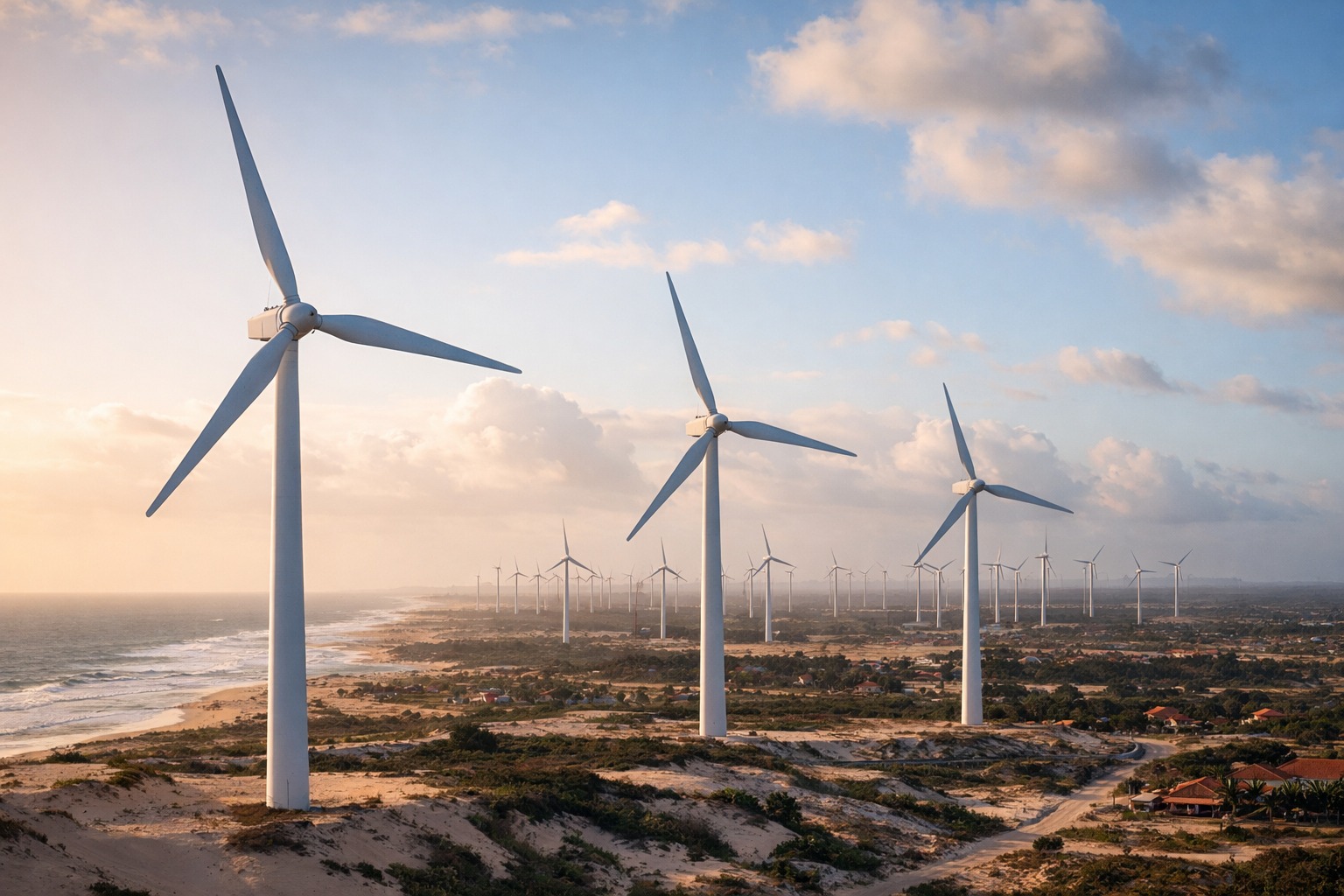
Foreign Companies Control 68.9% of Wind Farms in the Northeast, Region Responsible for Over 90% of Wind Energy Generation in Brazil, According to Academic Survey with 156 French, 117 Chinese, and 94 Italian Projects
Foreign control over wind farms in the Brazilian Northeast reaches 68.9% of projects, while 30% have mixed capital. The region accounts for over 90% of the national wind energy generation in the Northeast, according to an academic survey based on data about grants and projects.
The majority of installed wind farms in the Northeast belong to foreign companies. According to the study, 68.9% of the projects are controlled by international capital, while about 30% operate with mixed investments, combining national and foreign resources.
The data was gathered by researcher Monalisa Lustosa, a PhD candidate in geography at the Júlio de Mesquita Filho State University of São Paulo, Unesp.
-
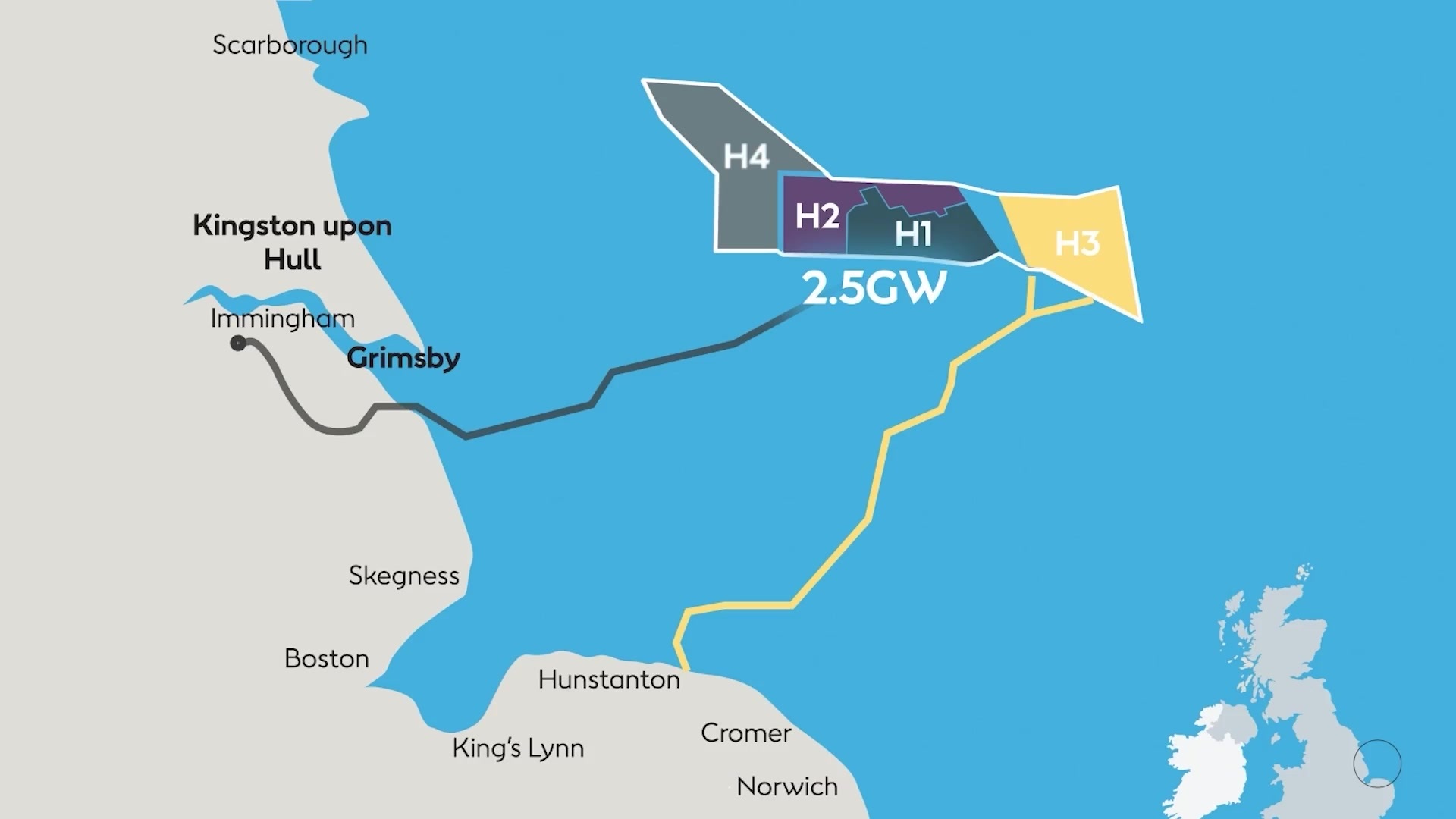
231 turbines of 260 meters at 160 km from the coast, monopiles weighing as much as nine blue whales embedded in the North Sea, and a crane ship taller than the Eiffel Tower: Hornsea 3 will be the largest offshore wind farm on the planet by 2027, and its first components have already arrived in England.
-
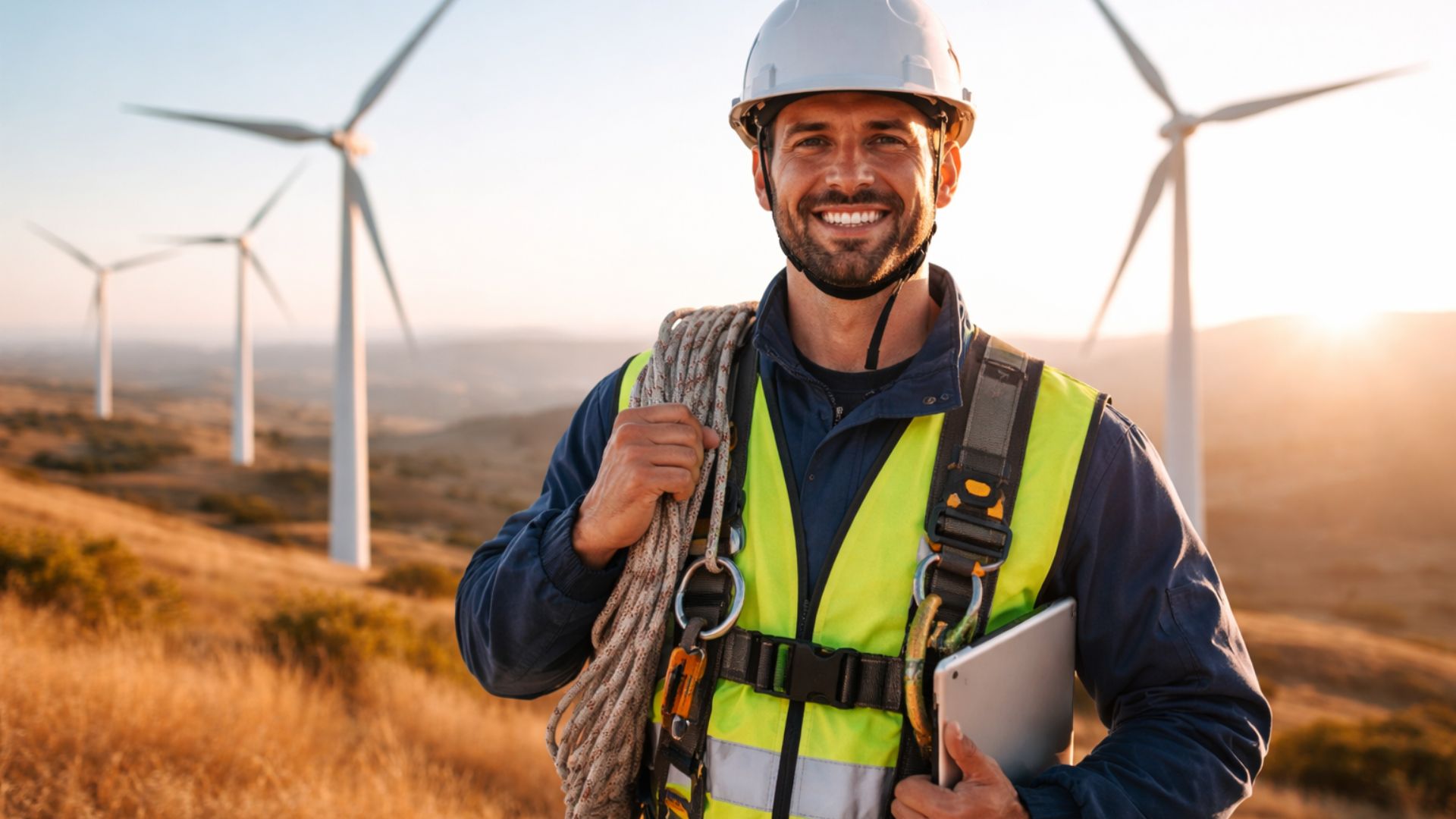
International Certification Puts Senai Norte on the Renewable Energy Map and Expands Access to Essential Training for Qualified Wind Power Professionals
-
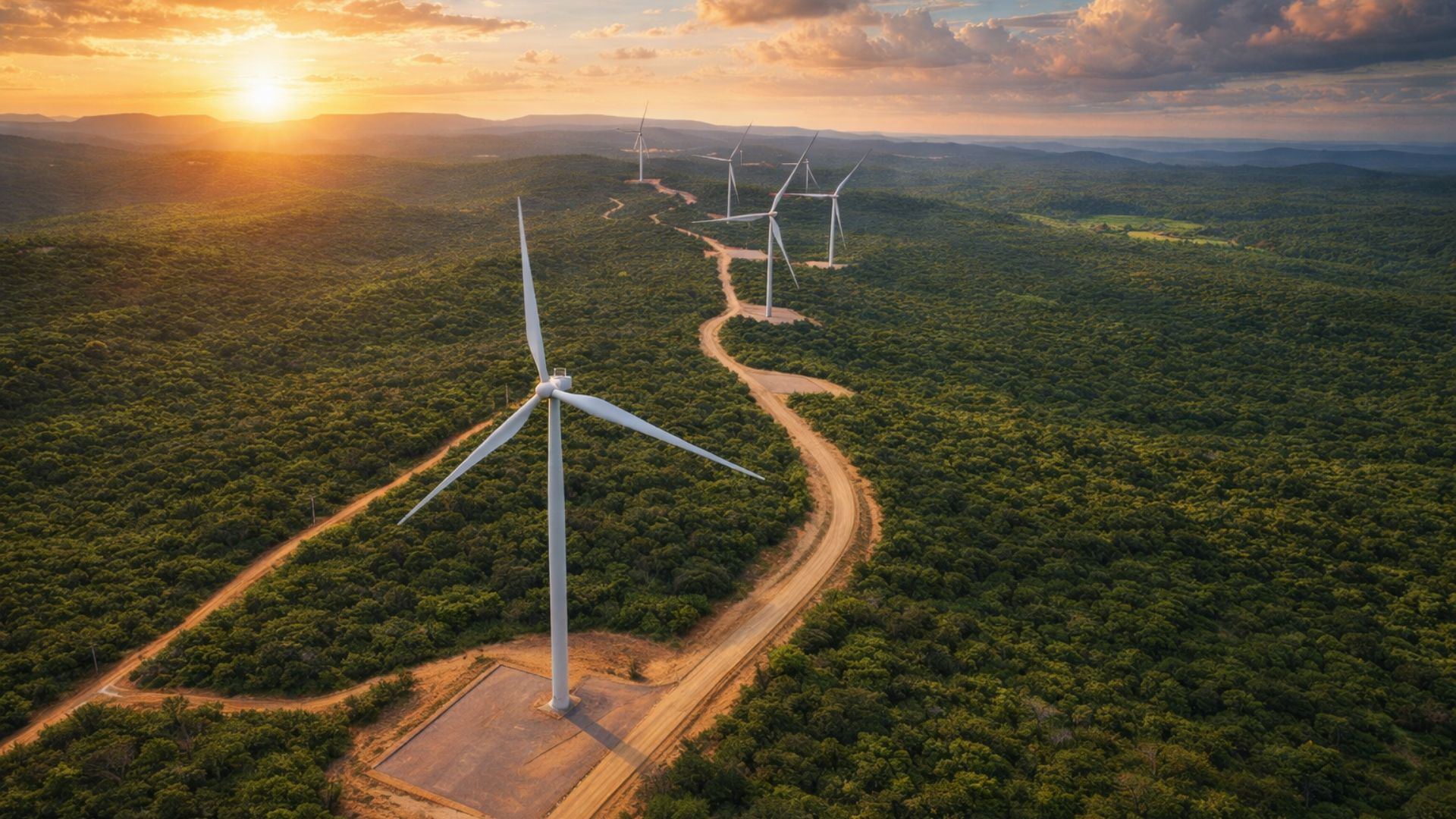
Echoenergia’s Wind Farms Receive Diamond and Platinum Seals and Boost Carbon Credits with Projects that Prevent Large Volumes of Annual Emissions
-
After Decades Away from the Skies, Airship Becomes “Flying Power Plant” in China and Promises to Revolutionize Wind Energy, as It Doesn’t Require Giant Towers and Doesn’t Generate Urban Noise or Traditional Visual Impact

The survey is part of the researcher’s thesis and will be accompanied by an interactive map showing the location of the wind farms and identifying what she calls “wind owners.”
The Northeast also concentrates the highest number of authorizations granted by the National Electric Energy Agency for the installation of wind complexes.
This concentration contributes to the wind energy in the Northeast accounting for over 90% of the electricity generated from wind in Brazil.
Wind Energy in the Northeast and the Dominance of Foreign Capital
Among the countries with the most wind farms in the region, France leads with 156 projects. Next are China, with 117 farms, and Italy, with 94 facilities registered in the Brazilian Northeast.
According to Lustosa, these numbers help to reveal how international capital has a predominant presence in the exploration of the wind potential in the region.
The survey also aims to highlight the relationship between foreign investments and the control of grants for energy generation.
The researcher states that the global agenda for energy transition needs to be critically analyzed.
In an interview with the program Conversa Bem Viver, she stated that the concept of sustainable development should not be addressed without questions.
For Lustosa, the energy transition agenda is formulated outside of Latin America, primarily by transnational corporations and by countries that dominate this global agenda.
Debate on Sustainable Development and Energy Transition
The geographer describes sustainable development as a concept created in Western countries and later applied in Latin American territories. According to her, this process occurred in a way that is considered colonialist.
In the researcher’s assessment, the debate involves a dichotomy. Renewable energy generation reduces carbon emissions in the production chain, but it can produce social impacts in the territories where the projects are installed.
She states that the expansion of wind energy in the Northeast can be interpreted in different ways.
While the presence of wind towers suggests technological advancement and energy development, local communities report impacts on their territories.
Lustosa mentions that some groups face displacement and loss of territorial ties due to the installation of the projects.
Accounts from Traditional Communities and Territorial Impacts
The research gathers accounts from fishermen, shellfish gatherers, descendants of quilombos, settled rural workers, and traditional communities in various locations in the Northeast.
According to these testimonies, many communities report having little information about the wind projects installed in their regions. Residents say consultation and active listening protocols are not followed in various cases.
Some of these groups describe the situation as dealing with a “hidden enemy,” due to the lack of clarity regarding the installation processes of the wind farms.
Within the research, Lustosa uses the term territorialization of the winds to describe the concentration of grants and the dominance of foreign capital in wind energy projects in the Northeast.
Social Organization and Proposals for a Just Energy Transition
In addition to analyzing the impacts of the projects, the study also observes forms of social organization in the affected regions. One of the examples mentioned is the Movement of Those Affected by Renewables, known by the acronym MAR.
The movement advocates for territories affected by wind and solar projects. Among the presented demands is the defense of an energy transition considered fair and popular.
The researcher points out that the collective organization of these communities relates to the defense of territory as an element of identity.
She mentions that this view aligns with how the Landless Workers’ Movement perceives territory.
Lustosa also cites the concept of worldview proposed by quilombola thinker Nego Bispo, which values ancestry and the circularity of time.
According to the researcher, experiences of using renewable technologies have also been developed by social movements.
In cooperatives of settlers, solar energy systems have been incorporated into agro-industries, enhancing productive capacity and reducing costs.
She states that these experiences occur in different locations, including areas of Paraíba, the Pombal region, Piauí, and other places.
For the researcher, these examples represent possibilities for territorial organization that she describes as “territories of hope,” where communities seek to understand and utilize energy technologies while defending their territories.
With information from Brasil de Fato.








-

-

3 pessoas reagiram a isso.