





 Portuguese
  English
  Spanish
  4 min of reading
  0 comments


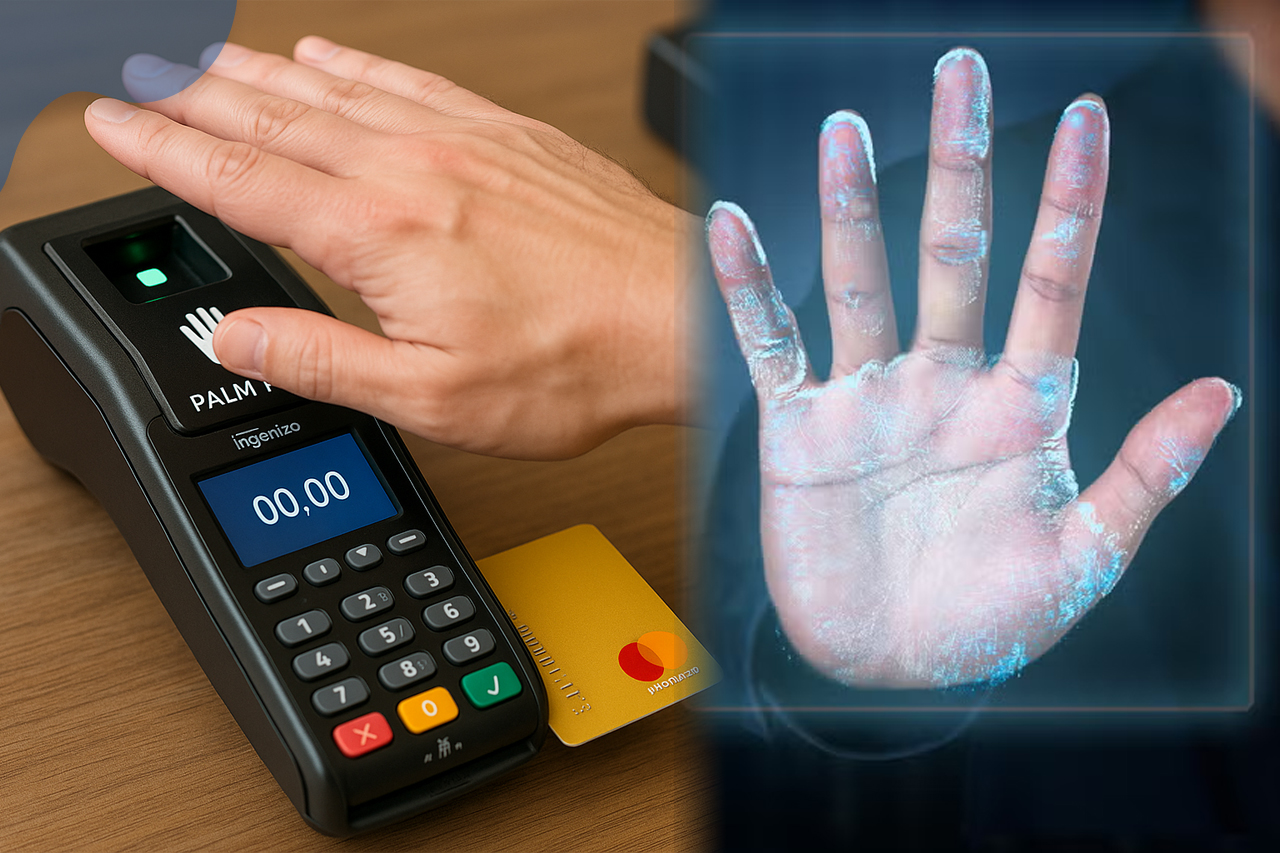
Cielo and Ingenico Launched a Pilot Payment Program in Brazil Using Palm Vein Biometrics
The “palm vein” technology used by Cielo and Ingenico in the tests utilizes infrared light to capture the internal pattern of the veins in the palm of the hand, which serves as a unique signature for each individual. Unlike fingerprints, voice, or facial recognition, the vascular pattern resides within the body, making forgery significantly more difficult and enhancing fraud protection. In practice, the reader creates a biometric template and compares it with the previously registered template, allowing the transaction to be processed in seconds.
In addition to being secure, the authentication is contactless and hygienically advantageous, as the hand is only a few centimeters from the sensor. For users, the value proposition is clear: pay in up to five seconds, without needing to search for a wallet or unlock a phone. For retailers, the trend is less waiting and more fluidity at checkout.
Another advantage is the resilience of the reading: since the payment system detects the veins in the palm of the hand using infrared, sweat, light dirt, or small marks tend to have less impact than other surface biometrics. Still, good operational practices and calibration of the reader are essential to ensure the consistency of authentication.
-
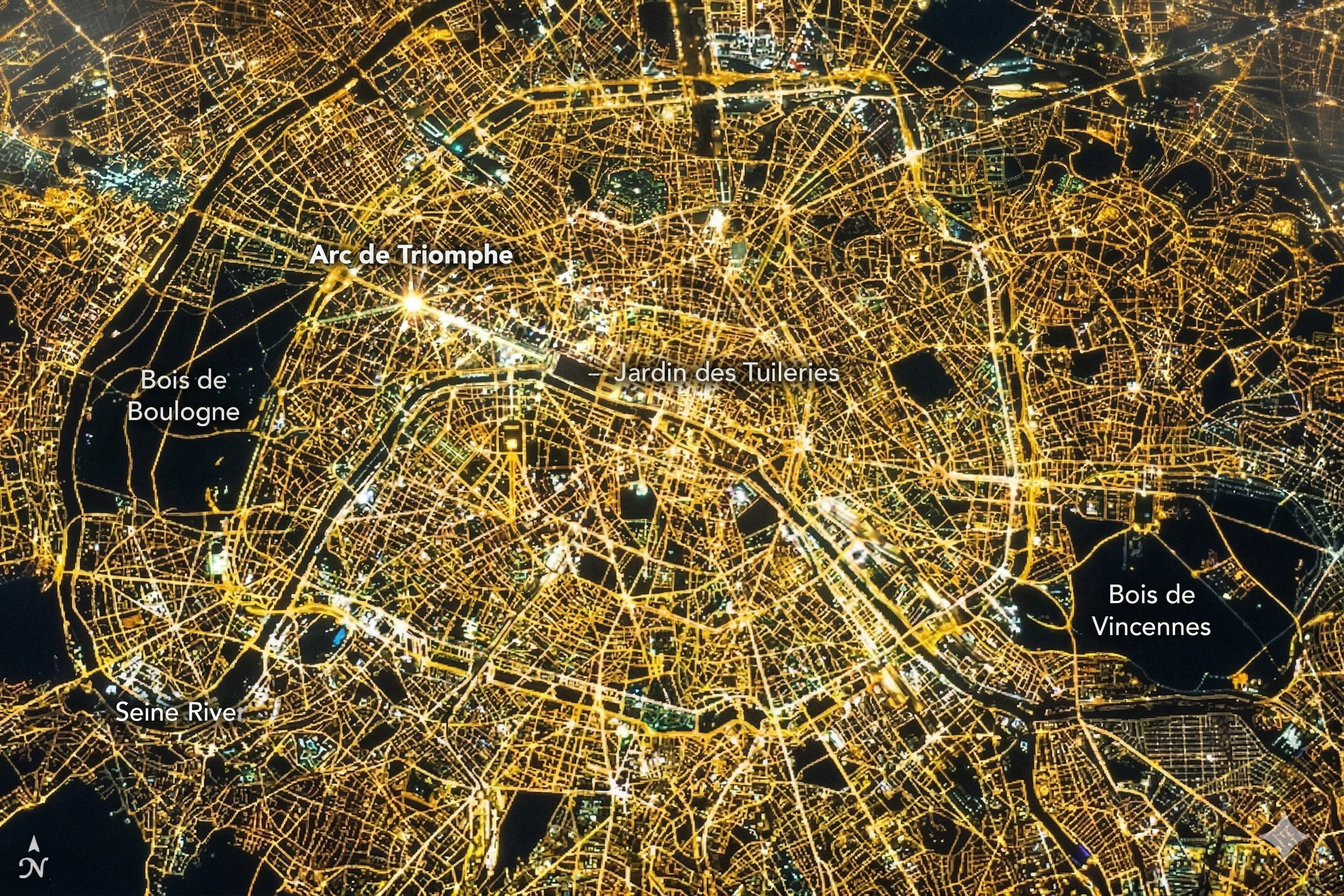
At an altitude of 400 km by astronauts from the International Space Station, Paris transforms at night into a golden mesh so precise that it reveals the outline of the Seine River, avenues, and entire neighborhoods like a luminous map drawn over the Earth.
-
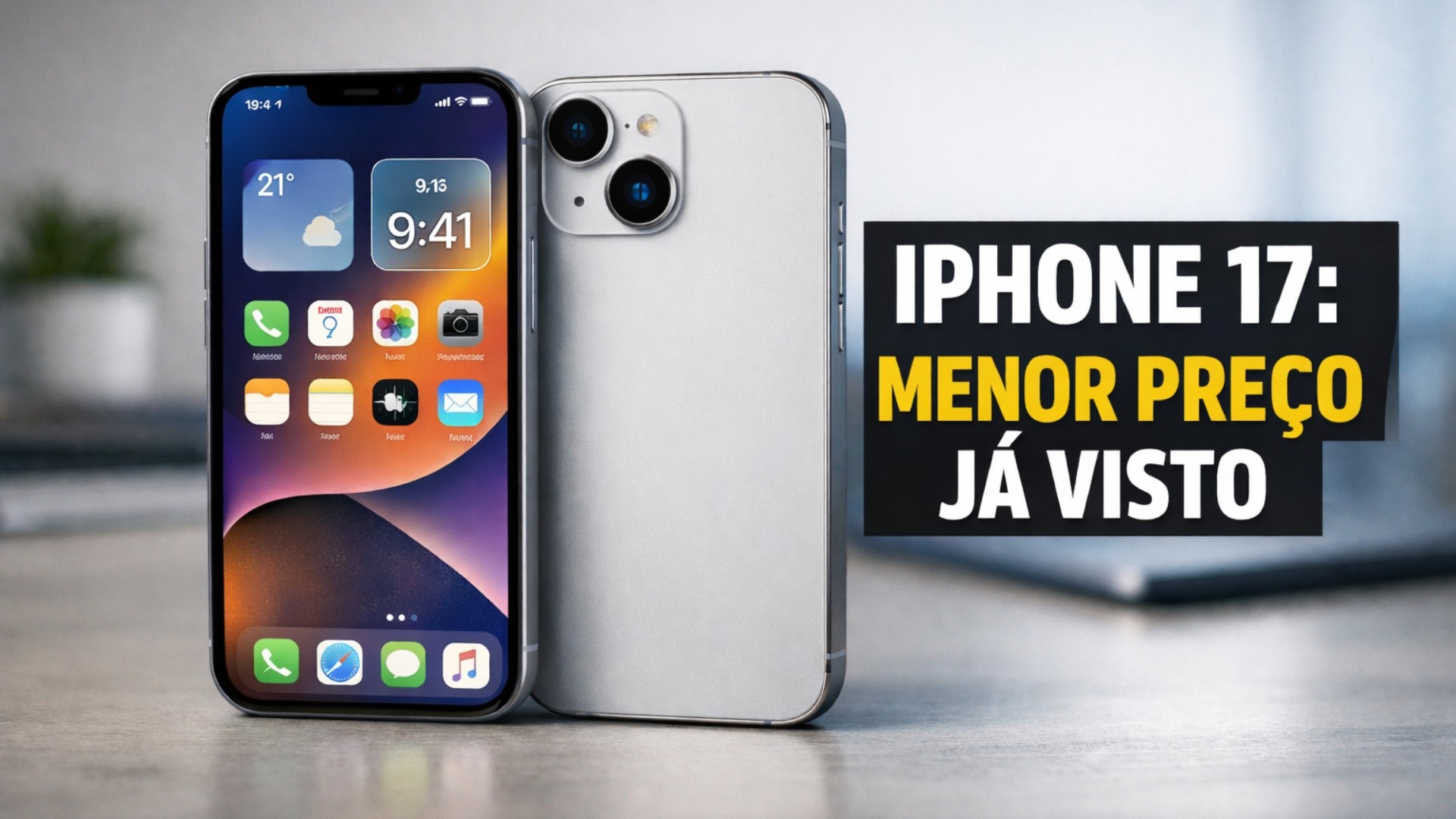
iPhone 17 reaches historic low price with 256 GB, 120 Hz display, and drops to R$ 5,703 on Shopee, featuring A19 chip, dual 48 MP cameras, battery life of up to 30 hours, and advanced AI features.
-
Trip to Mars getting closer: Pulsar Fusion, from the UK, advances with plasma ignition in fusion engine and could drastically reduce space travel time, making crewed missions faster, safer, and economically viable.

-
Made with recycled plastic, a Lego-inspired brick builds a 180 m² house in 15 days, providing thermal comfort, preventing moisture, and turning waste into income, kits, and accelerated construction in the country.


How the Pilot Test Conducted by Cielo and Ingenico Was Done
The test was conducted in a controlled environment, in a snack bar inside Cielo’s headquarters in Barueri (SP). In this proof of concept, consumers registered their palm and associated it with the credentials of a Visa or Mastercard. Once linked, it was enough to bring the hand close to the reader attached to the POS to complete the payment biometrically.
The initial registration flow was done in the establishment’s back office, with support from the technical team, ensuring compliance and traceability. After onboarding, the customer was able to experience the complete end-to-end process, from order to payment.
According to Ingenico, the next step is to evolve from the attached reader to POS with integrated palm reader, simplifying installation, support, and total cost of ownership. In parallel, the company is already conducting tests with the same technology in other markets, such as France and the United States, accelerating learning for Brazil.
Currently, Cielo and Ingenico are analyzing user feedback on speed, comfort, and reliability, as well as mapping integration requirements to bring the solution to commercial pilots in higher-traffic environments.
Security, Privacy, and LGPD: What You Need to Know
The main promise is the reduction of fraud, as the vascular pattern is extremely difficult to replicate. The authentication replaces passwords and minimizes the risk of social engineering at the point of sale, maintaining convenience as a priority.
In terms of privacy, the critical point is the governance of the biometric template. The retailer and solution provider need to make it clear where the data is stored, for how long, and on what legal basis. Under the LGPD, the use of biometric data requires explicit consent, a specific purpose, and robust information security measures.
Controls on card tokenization and the separation of payment data and biometric data also count, reducing the attack surface. To mitigate operational risks, it is recommended to provide alternative methods for cases where reading is not possible, ensuring accessibility and continuity of service.
Finally, the success of adoption depends on consumer education and training for the cash team. Explaining in simple terms how the technology works and why it is more secure helps to increase trust and intent to use it.
What Comes Next: From Laboratory to Retail
The roadmap points to card machines with integrated palm readers, reducing cables and points of failure and simplifying the retailer’s life. With the hardware ready, the natural expansion is into high-volume environments such as food chains, pharmacies, and convenience stores, where every second saved during payment has an impact on lines and conversion.
In the ecosystem, palm vein biometrics can interact with digital wallets and loyalty programs, enabling frictionless experiences: identifying the customer, applying benefits, and completing payment in a single gesture. No card and no phone, the palm becomes a universal key for identification and payment.
In the medium term, advancements should include SDKs and APIs for developers, allowing integrations with self-service kiosks, terminals, and autonomous retail solutions. There are already international references and pilots in the region that feed local learning, shortening the time to commercial projects in Brazil.
How the Consumer Would Use Palm Payment in Daily Life
First, the customer performs assisted registration at the point of sale: places the hand on the reader, confirms details, and links a card. Then, at the moment of purchase, it is enough to bring the palm close to the sensor for authentication.
The machine validates the biometric template, charges the associated card, and displays confirmation on the POS. In a few seconds, the payment is complete, with the advantage of not relying on the cell signal or the customer’s device battery.
For those looking to migrate, the recommendation is to check privacy policies, clarify doubts about deletion of registration, and keep an alternative payment method until the technology is widely available.
Palm vein biometrics is a fast, secure, and contactless alternative for paying at checkout. The pilot led by Cielo and Ingenico in Brazil confirms the technical feasibility and prepares the ground for the arrival of integrated reader POS, focusing on convenience, reducing lines, and compliance with LGPD.





-

Uma pessoa reagiu a isso.