





 English
  Francês
  Alemão
  Italiano
  Japonês
  Norueguês
  Portuguese
  Spanish
  3 min of reading


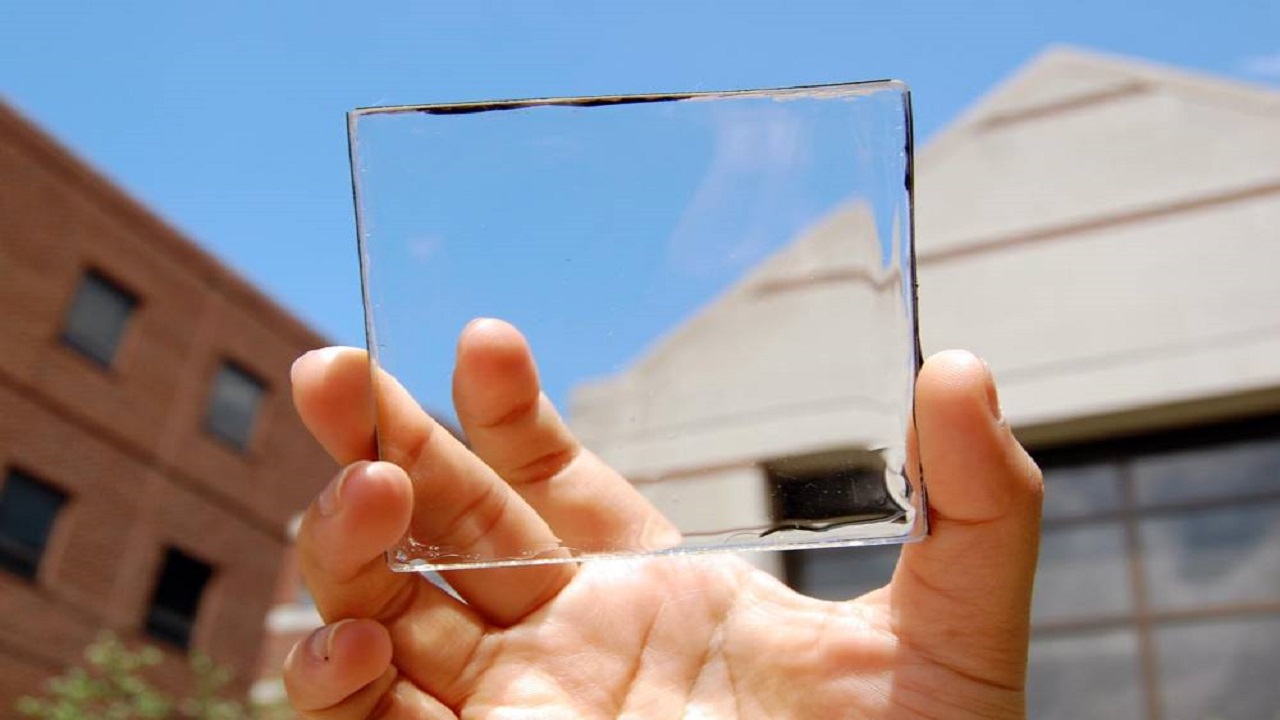
Scientists Create Transparent Solar Energy Panels Using Nanolayers That Increase The Efficiency Of Photovoltaic Cells From 23% To 26%
With the mission of increasing the capacity of photovoltaic panels, scientists at the Julich Research Center want to use nanolayers to create transparent solar energy panels. Currently, the cells available on the market are made of crystalline silicon and deliver an efficiency of 23% in solar energy retention.
Read Also
According to the scientists’ research, transparent solar energy panels could achieve an efficiency of around 26%. At first glance, this may seem small, but it would be enough to lower energy generation costs in this sector due to reduced production costs of photovoltaic panels.
Although they are much better than before, solar energy panels still have problems with absorbing sunlight and generating energy. In this process, a large amount of positive and negative charges cancels each other out, meaning they are wasted.
-
Renewable energy advances over protected areas in Brazil, and a survey by the Energy Transition Observatory reveals silent impacts that challenge environmental conservation and pressure sensitive traditional territories.

-
Rio Grande do Sul accelerates energy transition: State invests in renewable technologies and consolidates decarbonization strategies and pathways to attract billions in new industrial investments.

-
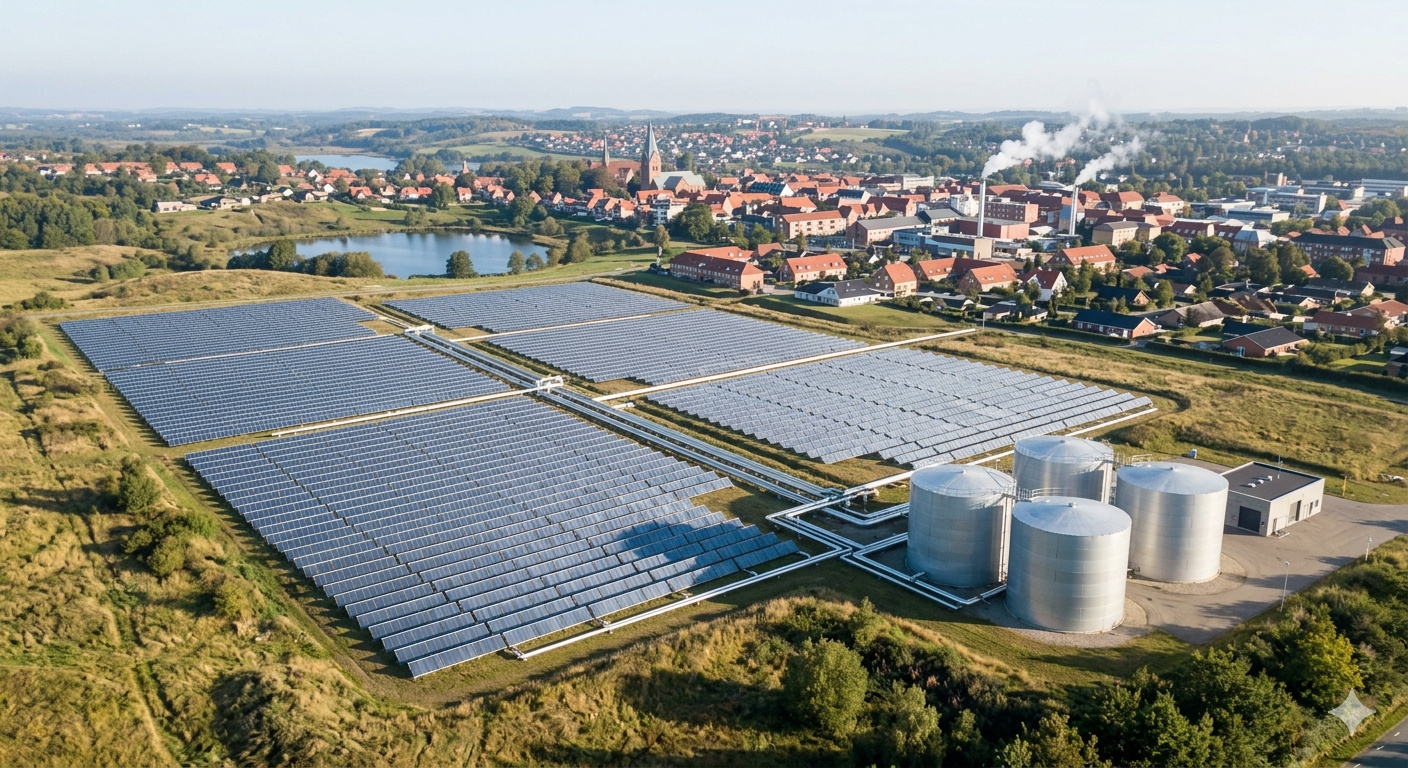
With 160,000 m² of collectors, an area larger than 20 football fields, Silkeborg, in Denmark, hosts a solar thermal plant that heats 19,500 homes and could become the largest solar heating plant in the world.
-
A study reveals the expansion of renewable energy procurement in Brazil and shows how companies are taking advantage of opportunities to reduce expenses, ensure energy efficiency, and strengthen strategic environmental commitments.


About Transparent Solar Energy Panels


The solar energy panels created by the scientists have ultrathin and flexible layers, in addition to, of course, their transparency. This flexibility and transparency ensure that the light incidence on the photovoltaic panels is not reduced.
This type of material generates very high electrical conductivity, being more efficient than the photovoltaic panels we have installed on rooftops.
According to Professor Kaining Ding, no innovation so far combines passivation, transparency, and conductivity like their new design. In laboratory tests, the nanolayers achieved higher energy efficiency than that of silicon cells, which are the most current on the market.
How Are Solar Energy Panels Made?
To produce the panels, the scientists used a thin strip of silicon dioxide and applied a double layer of silicon carbide nanocrystals in a pyramid shape at different temperatures. At the end of the process, a transparent layer of indium oxide was added.
The effectiveness of light absorption and storage in the new photovoltaic panels is ensured by the overlapping of layers. Additionally, the contact between the layers eliminates the high-temperature annealing steps, reducing manufacturing time and increasing the production of photovoltaic cells.
The Solar Energy Market
According to the IEA, the use of solar energy in 2022 could reach 30%, considering countries with significant installed generation capacity, such as Germany, the USA, China, and Japan.
Last year, Brazil joined the ranking of the top 20 countries in solar energy in the world, with a production of around six thousand megawatts. Although it has grown abundantly, solar energy still accounts for less than 2% of the energy matrix in Brazil.










Seja o primeiro a reagir!