





 Portuguese
  English
  Spanish
  2 min of reading
  0 comments


Legislative Initiative Promises to Revolutionize Access to Solar Energy for Low-Income Families with the Installation of Solar Panels
According to infomoney, in a pioneering move, the Chamber of Deputies of Brazil approved a legislative proposal that promises to transform the energy reality of low-income families. The bill, which now goes to the Senate, aims to facilitate the installation of solar panels in homes benefiting from the Social Tariff for Electric Energy, marking a significant step towards green energy.
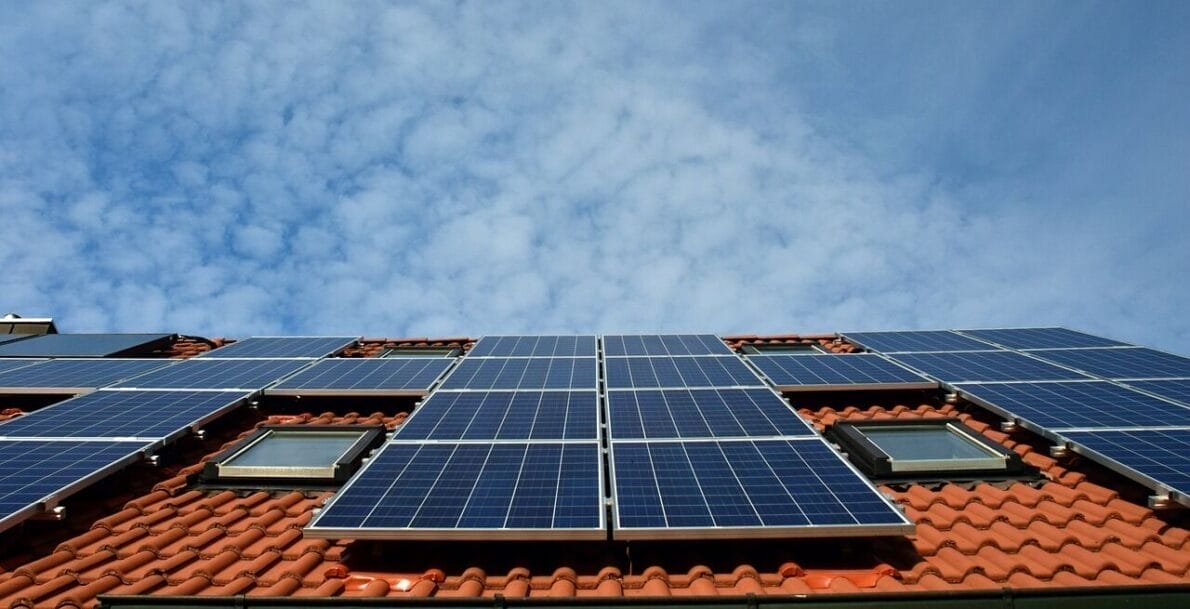
Democratized Access to Solar Energy
The project, conceived by Deputy Domingos Neto and enhanced by Lafayette de Andrada, proposes a credit system for the installation of photovoltaic systems. This measure will not only reduce energy costs for the most vulnerable families but also contribute to decreasing overall tariff adjustments, as highlighted by Neto.
Basic Energy Income Program: A New Horizon with Solar Panels
The Basic Energy Income Program (Rebe) is the heart of the initiative. It aims to gradually replace the TSEE subsidy with energy produced by solar plants. Eligible families, consuming up to 220 kWh/month, will be the first to benefit from this transition. What promises to be a game changer in the fight against energy poverty.
-
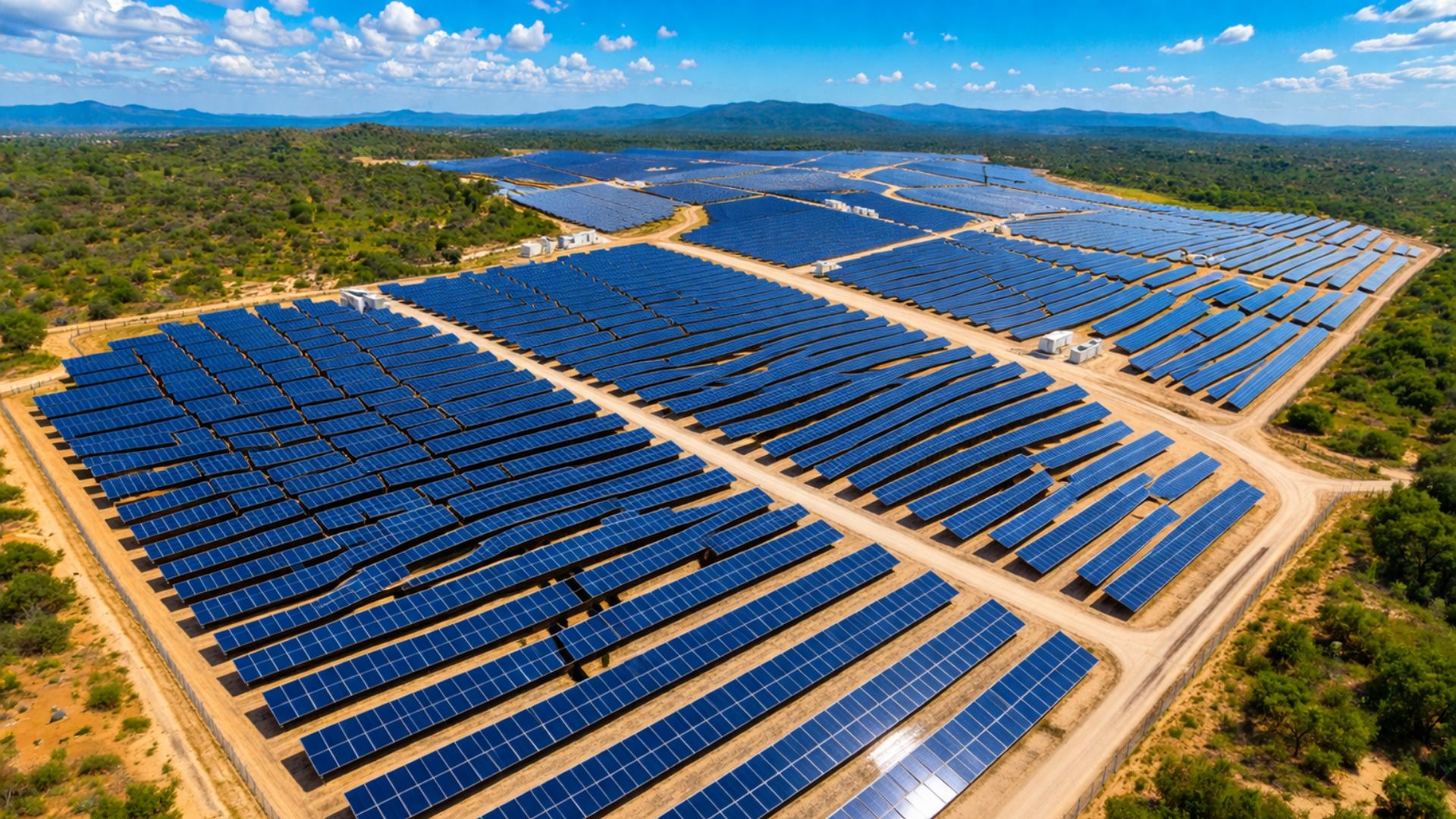
The Sol do Agreste Photovoltaic Complex begins operations in Pernambuco and accelerates the expansion of solar energy in Brazil, directly impacting the reduction of emissions and strengthening the sustainable energy matrix.
-
The Sol do Agreste Photovoltaic Complex begins operations in Pernambuco and accelerates the expansion of solar energy in Brazil, directly impacting the reduction of emissions and strengthening the sustainable energy matrix.
-
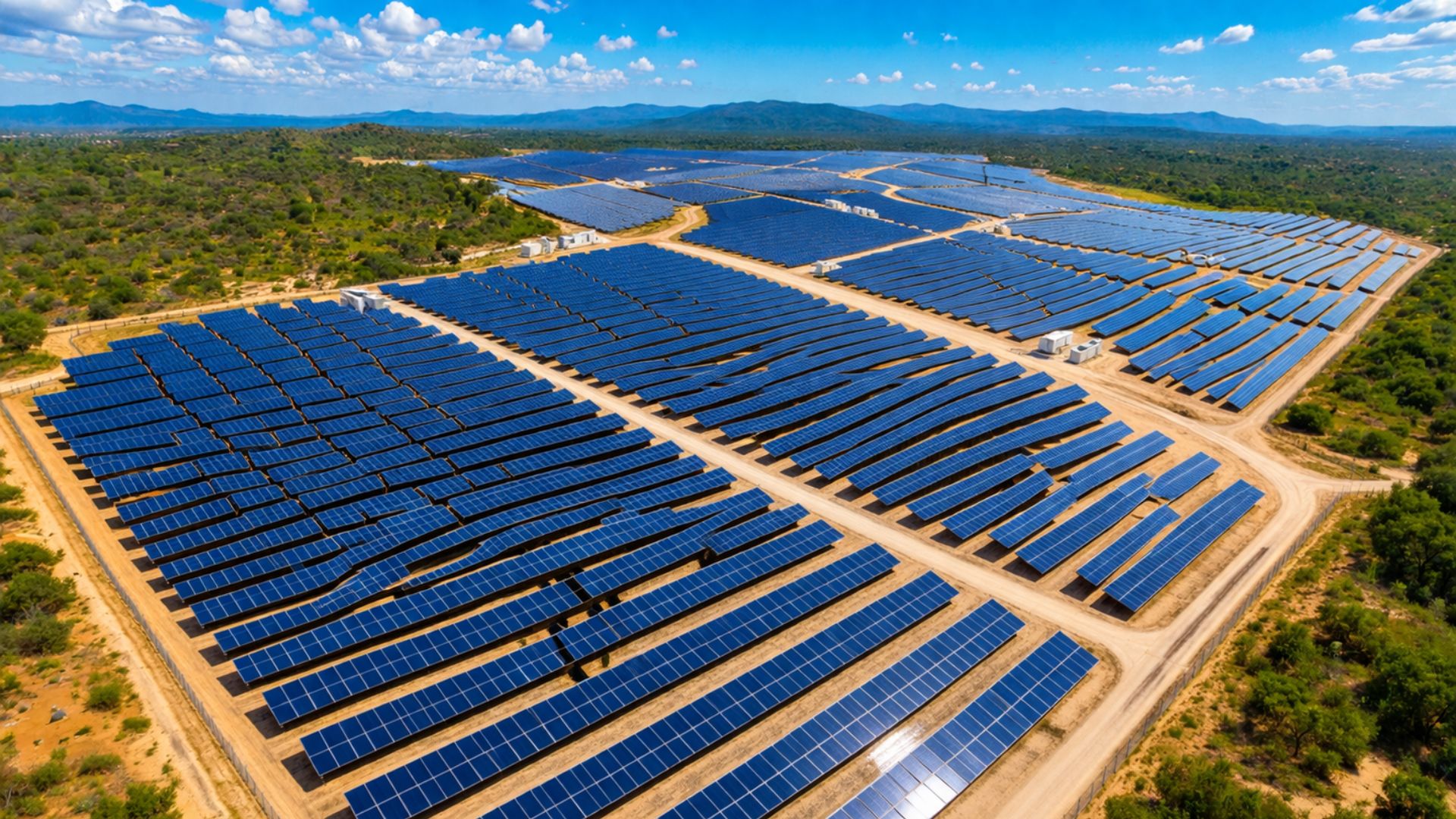
Renewable energy advances over protected areas in Brazil, and a survey by the Energy Transition Observatory reveals silent impacts that challenge environmental conservation and pressure sensitive traditional territories.

-
Rio Grande do Sul accelerates energy transition: State invests in renewable technologies and consolidates decarbonization strategies and pathways to attract billions in new industrial investments.


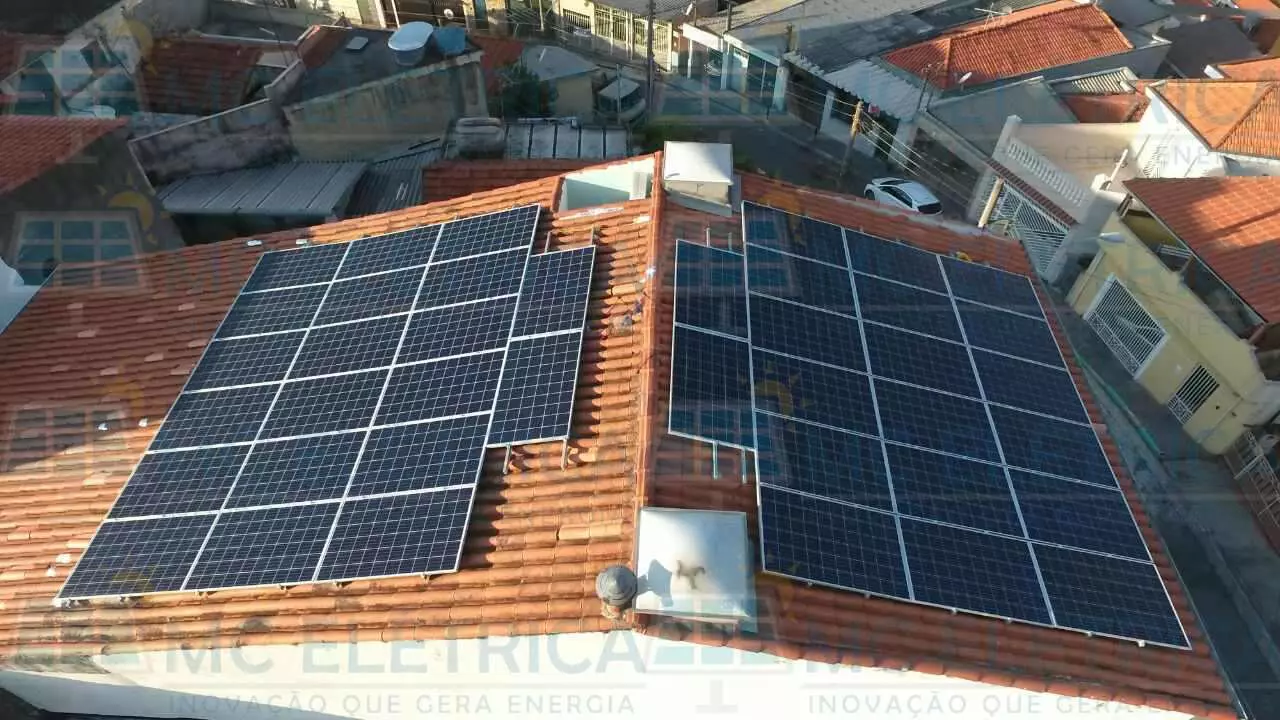
Management and Financing: Toward Self-Sufficiency with Solar Panels
The management of Rebe will be under the responsibility of ENBPar, which can operate the program directly or through partnerships with local cooperatives and associations. Regarding financing, the project allows the use of resources from the Union, the CDE, and loans from financial institutions, ensuring a solid foundation for the program’s expansion.
With This Initiative, Brazil Sets an Example of How Legislation Can Be a Vector for Social and Environmental Change.
The transition to green energy is not just a matter of sustainability but also of social justice. Providing low-income families with the opportunity to reduce their energy expenses while contributing to the health of the planet. Therefore, solar panels represent more than an energy source; they are a symbol of hope and progress for millions of Brazilians.









Seja o primeiro a reagir!