






 Portuguese
  Spanish


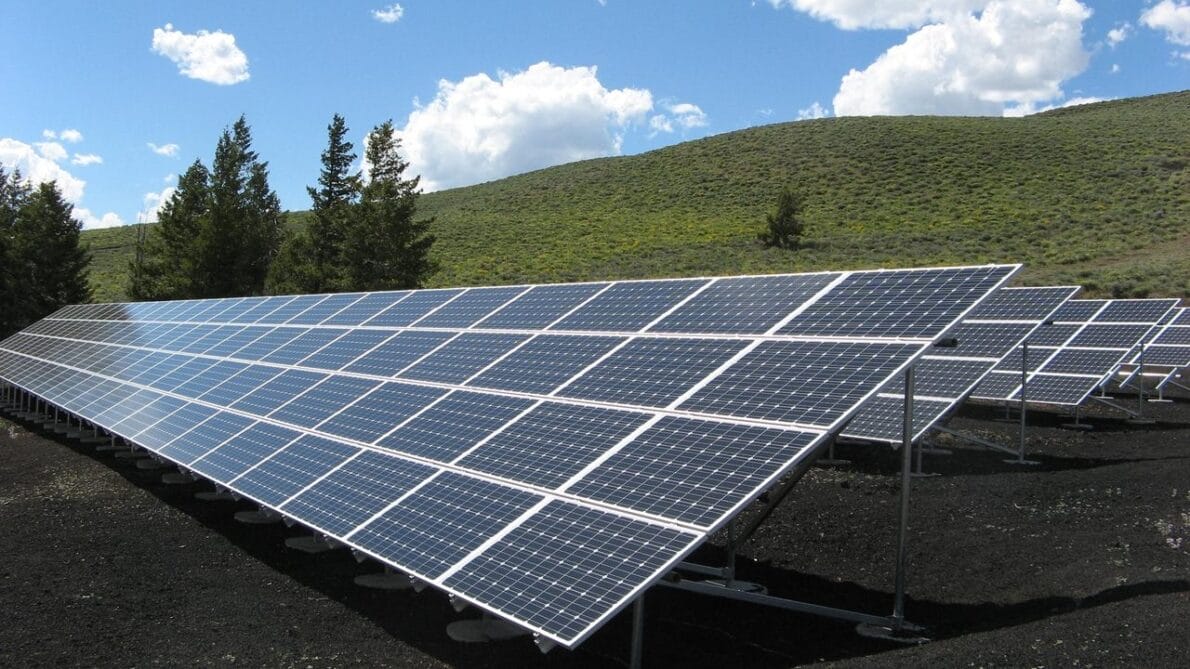

Changes In Import Tax Policy Impact Solar Panel Installation For Consumers Who Want To Adopt Solar Energy
The recent decision by the Brazilian government to remove the tax exemption on essential items for solar panel systems, such as photovoltaic modules and solar inverters, is directly affecting the cost of solar energy installation in homes. This measure, which aims to encourage the national industry, ends up increasing the process for end consumers, according to the Gazeta do Povo website.
Impact Of Taxation On Solar Energy Installation
With the removal of the exemption, the tax on solar panels jumped from zero to 9.6%, directly reflecting on the final cost for consumers. According to the Greener consultancy, this increase could represent about 3% more in the total cost of installing a residential solar energy system.
Another item affected by the change in tax on items for solar panels is the solar inverter, a device responsible for converting solar energy from direct current to alternating current. The taxation of this equipment, decided in March, also contributes to the increase in installation costs.
-
Giant Batteries Take Center Stage in Chile Auction as Company Offers 960 GWh of Solar Energy for Nighttime Use, Aiming to Stabilize Solar Power Supply

-
Lenovo Unveils Legion Y700 Tablet with RGB Backlighting, 5G, and SIM Card Support
-
Lenovo Unveils Legion Y700 Tablet with RGB Backlighting, 5G, and SIM Card Support
-
Northern Brazilian City Prepares Task Force to Mitigate El Niño Impacts with Stockpiled Fish, Drone Monitoring, Firefighting, and Water Supply Reinforcement in Remote Areas

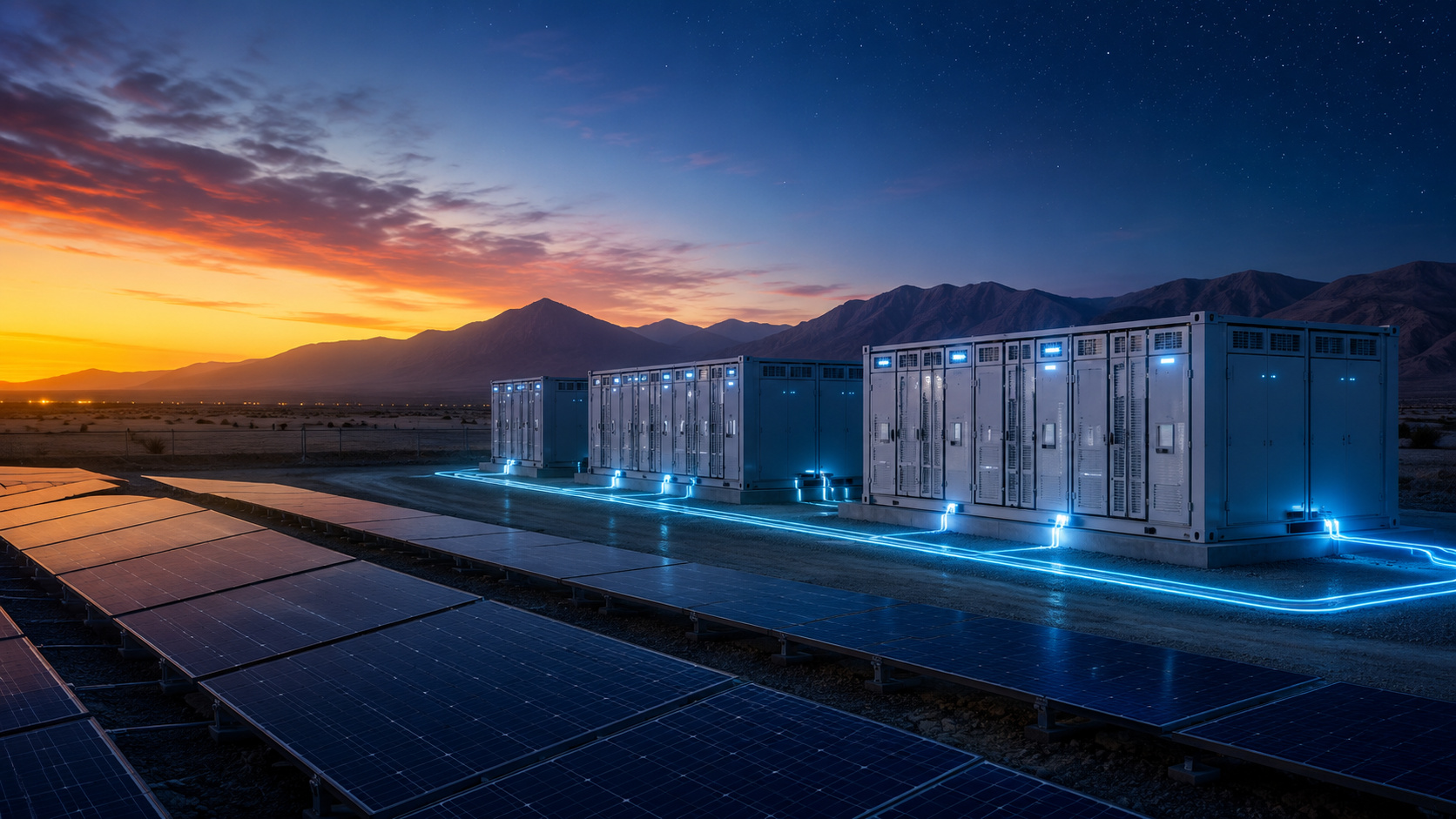

Challenges For The National Industry And Sector Perspectives After Changes In Tax
Although the government’s intention is to boost the national industry, the solar energy sector believes that the removal of tax benefits for solar panels was hasty. The measure jeopardizes the local development in the area and may negatively affect new business and investments in the sector.
Currently, Brazil still does not have sufficient production scale to meet the internal demand of the solar energy chain. This means that, despite the taxation, companies may continue importing products, now with additional tariffs, which reflects in the increased costs for consumers.
For the Brazilian Photovoltaic Solar Energy Association (Absolar), it is essential to establish a transition plan with a minimum period of 24 months for the solar panel equipment in use by the sector. The organization warns of the risk of falling investments, project cancellations, and job losses in the sector, as well as the possible increase in the price of solar energy for Brazilian consumers.






Incentivo à indústria nacional? Só pode ser piada. Todos os equipamentos são importados.
Na verdade, isso é lobby das concessionárias, que não querem perder receita.
São uns fanfarrão falar de indústria nacional, aqui não fabrica nada
Eles comprar na China e colocam a marca nacional, kkkkk.