





 English
  Francês
  Alemão
  Italiano
  Japonês
  Norueguês
  Portuguese
  Spanish
  3 min of reading


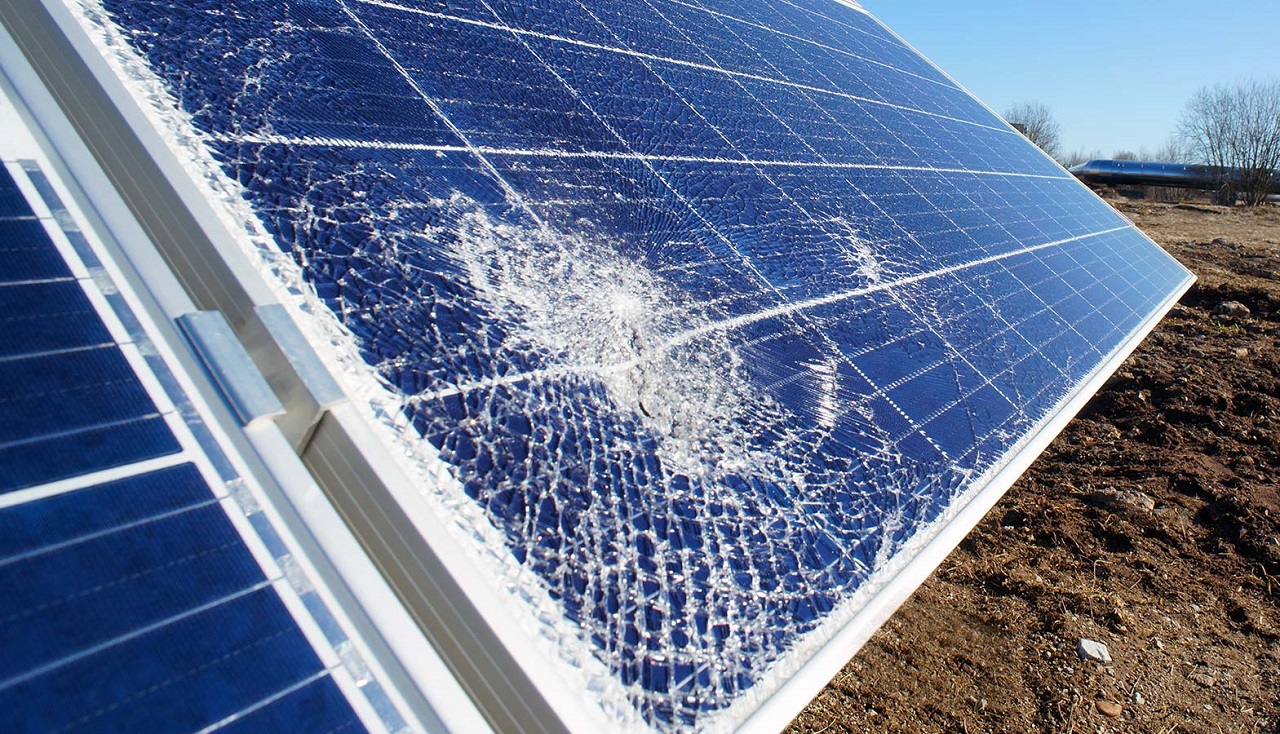
Defective Solar Panels Could Generate Million-Dollar Income in the Near Future. Recycling in the Solar Energy Sector is Still in Its Infancy and Could Arrive in the Country, Generating Thousands of Jobs.
Materials from discarded defective solar energy panels could be worth billions of dollars in the coming years, according to studies conducted and published by the research firm Rystad Energy. It is these recycled solar panels that will reduce bottlenecks in the supply chain, making the devices more sustainable.
Defective Solar Panels Can Generate Million-Dollar Incomes
Currently, solar panels in the U.S. that are no longer useful are crushed and thrown into landfills. However, according to Rystad, it will be possible to generate significant income from these types of materials, amounting to around US$ 2.7 billion, which directly converts to R$ 14.2 billion, at the beginning of the next decade, from just US$ 170 million invested this year.
This trend is driven by the high demand for solar energy system installations, which currently represents just over 3% of the global electricity mix. With technological advancements, extracting more valuable materials from old solar panels is making recycling a more financially beneficial business.
-
With 160,000 m² of collectors, an area larger than 20 football fields, Silkeborg, in Denmark, hosts a solar thermal plant that heats 19,500 homes and could become the largest solar heating plant in the world.

-
A study reveals the expansion of renewable energy procurement in Brazil and shows how companies are taking advantage of opportunities to reduce expenses, ensure energy efficiency, and strengthen strategic environmental commitments.

-
Roraima bets on the sun to escape high tariffs: Amid the energy crisis and price hikes, solar energy is growing in Roraima and transforming consumption in the North region.
-
Mato Grosso do Sul excels in the sugar-energy sector: the state reaches a milestone of 22 operating mills and accelerates the production of clean energy in MS with a focus on sustainability.


Solar Energy Market
Currently, solar energy represents just over 3% of the global electricity mix. To meet its goals from the Paris climate agreement, which aims to reduce greenhouse gas emissions, solar energy could account for over 40% of the global electricity supply.
Increasingly, solar panels are becoming more affordable options; however, the processing of materials that make up solar panels is concentrated in a group of countries, and therefore, the solar supply chain is subject to disruption.
The nonprofit organization Business & Human Rights Resource Center has documented human rights abuses during the mining of materials used in solar panels. Polysilicon, for example, is produced through an energy-intensive process linked to forced labor, which has led to sanctions on some components produced in China. The recycling of defective solar panels will help diversify these supply chains and also mitigate the impact of mining.
Defective Solar Panel Waste Will Reach 78 Million Tons
As solar panel technology becomes more popular worldwide and even though they last about 25 years, it is important to highlight that they also need to be disposed of in a way that does not harm the environment. According to a survey conducted in 2016 by the International Renewable Energy Agency (IRENA), over 78 million tons of photovoltaic equipment will be accumulated globally by 2050.
According to studies, if recycled and reintegrated into the production chain, the recovered value from these solar panels could exceed US$ 15 billion. Monocrystalline silicon panels, which in 2016 accounted for 51.4% of the recycling market, already have highly efficient recycling processes with minimal environmental impact. However, because they are long-lived assets, solar panels and their recycling are still an emerging market.
Europe Highlights in Recycling Defective Solar Panels
Europe stands out as the leading market for solar panel recycling due to early use and extensive consumer acceptance in the region. The first grid-connected solar panel systems, for example, were implemented in Germany in the early 1990s.
The presence of various government measures to regulate the recycling process in countries like the United Kingdom and Germany is expected to drive market growth. Technological advancements to expand recycling rates will likely fuel demand for the market in the next eight years.
ALDO Solar Makes Solar Panel Recycling a Reality in Brazil
ALDO SOLAR is recognized by major international manufacturers when it comes to Information Technology. The company is aware that it works with materials whose disposal must be done correctly and in a specialized manner. Failing to do so would allow such products to pose a risk to the environment.
Through the ALDO Crazy Recicla program, ALDO helps companies in the sector properly dispose of electronic waste. Thus, resellers send electronic waste to ALDO, which is responsible for the sorting, transportation, and final disposal of the waste.








Seja o primeiro a reagir!