Portuguese
  Spanish



Researchers Develop Equipment Capable of Making Clean Energy Production Much Cheaper
It has become clear that investment in clean energy is the best solution to save the planet from a climate catastrophe. Today, the use of solar energy is one of the cheapest ways to produce energy from renewable sources. There are still many areas that need improvement for its large-scale application.
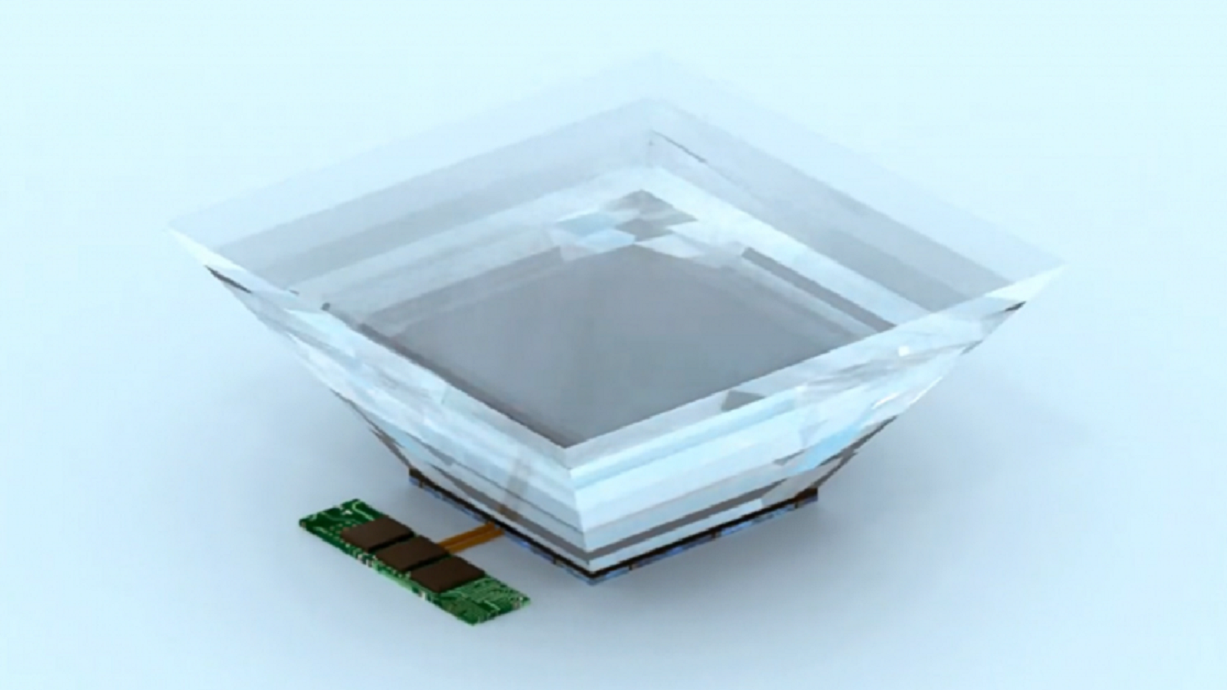
In a press release, researchers from Stanford University announced the development of an optical concentrator that can make solar panels much more efficient. The idea behind the project is to focus sunlight on a single point throughout the day, regardless of the sun’s position.
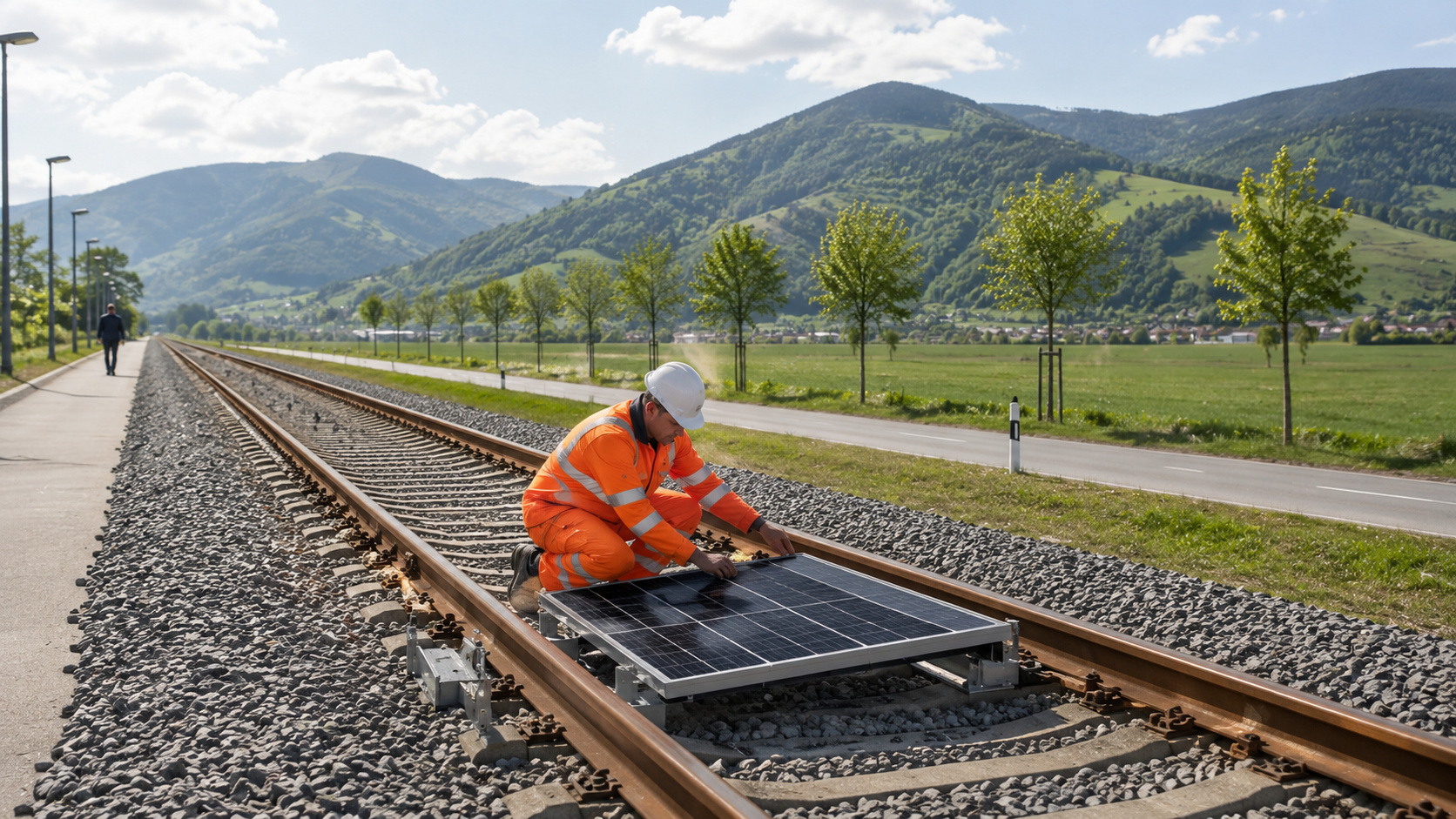
Photovoltaic cells work best when sunlight hits them directly. As a way to increase the efficiency of solar panels during the day, scientists have already developed equipment that ‘follows’ the sun, increasing the direct exposure of sunlight on photovoltaic panels. On the other hand, installing such equipment significantly raises the cost of setting up a solar power plant.
-
In Colombia’s desert, 30 families receive 80 m² homes with solar panels, waterless toilets, and rainwater collection systems amid water and energy shortages.

-
Solar Energy Booms in Brazil: Over $60 Billion Invested, 68.8 GW Capacity, 2 Million Jobs Created, Now Second in National Power Grid
-
Engie Secures 10-Year Use of 625 MWh in Batteries to Store Excess Solar and Wind Energy in Spain by 2028
-
Giant Batteries Take Center Stage in Chile Auction as Company Offers 960 GWh of Solar Energy for Nighttime Use, Aiming to Stabilize Solar Power Supply



The idea of the university researchers was to develop a device that could concentrate all sunlight on a single point, regardless of the sun’s position at that moment and without using any external energy.
How the Equipment Developed by the University Works
The device is called Axially Graded Index Lens (AGILE), developed by researcher Nina Vaidya from Stanford. “It is a completely passive system – it does not need energy to track the source or have moving parts. It has no optical focus that moves positions or the need for tracking systems, making light concentration much simpler,” the researcher emphasized.
The researchers also highlighted that the AGILE can capture 90% of the light that hits it. Due to atmospheric changes, the lens works with a broad light aspect, varying from ultraviolet to infrared.
Transforming Theory into Reality
The project leaders researched various types of materials to create the equipment capable of increasing the efficiency of solar panels. Another option was to use a mixture of materials; however, under heat, they cracked more easily. The version with the best performance was built with glass polymers and other materials.
“The goal of optimizing the height is to design a short device to save material and weight while maintaining efficiency. The AGILE device is scalable in the radius domain (i.e., as long as the geometry of the concentrator is several times larger than the wavelength of light),” emphasizes one of the project’s researchers.