





 Portuguese
  English
  Spanish
  4 min of reading
  4 comments





The Federal Court of Accounts Report Analyzes Data from 2012 to 2024 and Concludes That the Expansion of Micro and Mini Solar Generation Pressures Tariffs, Increases Cross-Subsidies, and Penalizes Dependent Consumers
A study by the Federal Court of Accounts concluded that subsidies for solar distributed generation pressure tariffs and affect low-income consumers by transferring costs onto their electricity bills, according to data analyzed from 2012 to 2024, with information from UOL.
Tariff Impact Associated with the Expansion of MMGD
The CGU states that consumers without solar panels finance benefits given to higher-income users through subsidies embedded in the tariffs charged by distributors, according to the official report.
The analysis considered data from 24 distributors and assessed the advancement of micro and mini distributed generation, a modality that encompasses homes and small businesses with photovoltaic panels.
-
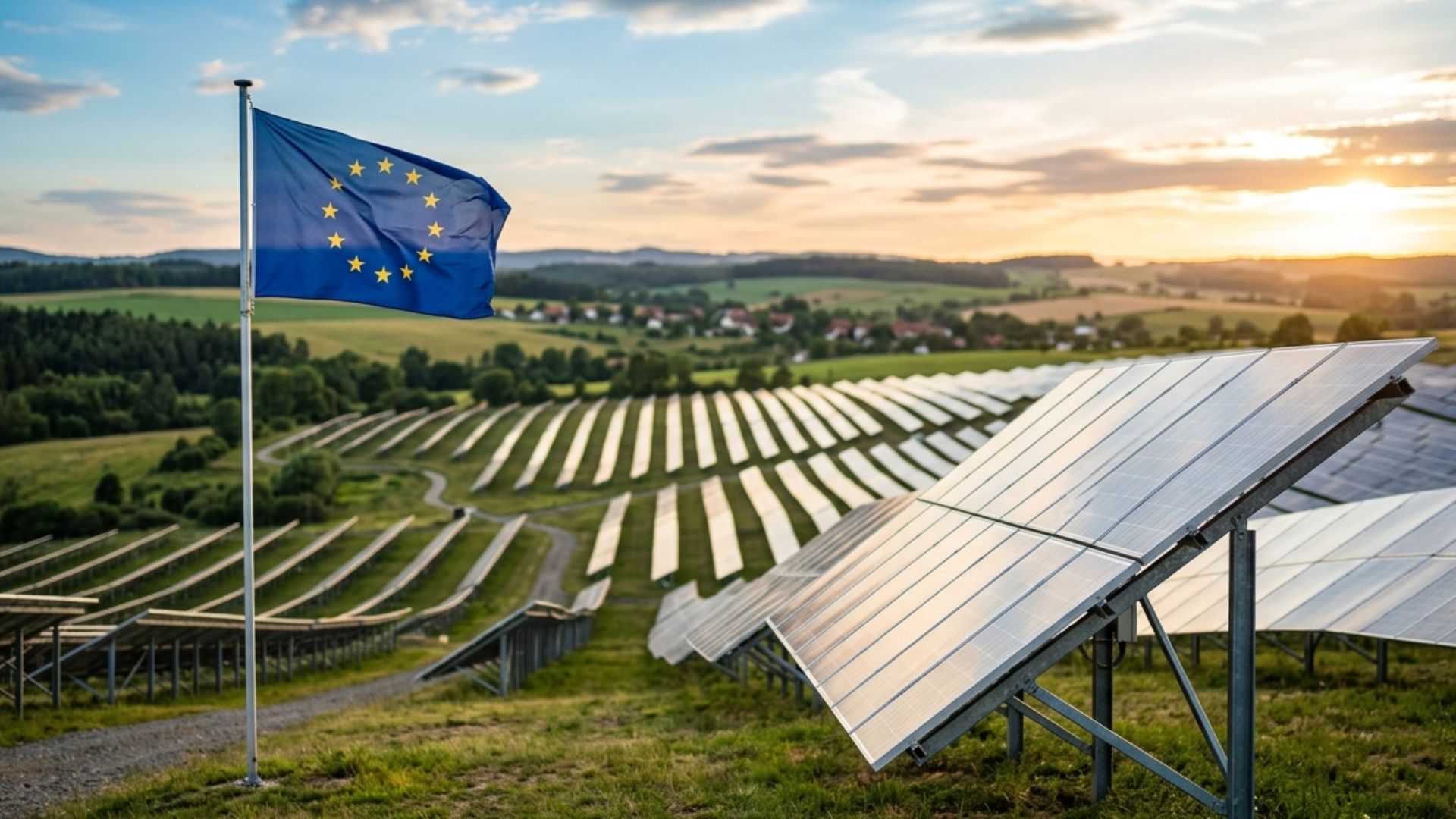
Europe records strong euro economy with solar energy in March and sparks curiosity about which country leads growth that redefines the energy market and reduces costs.
-
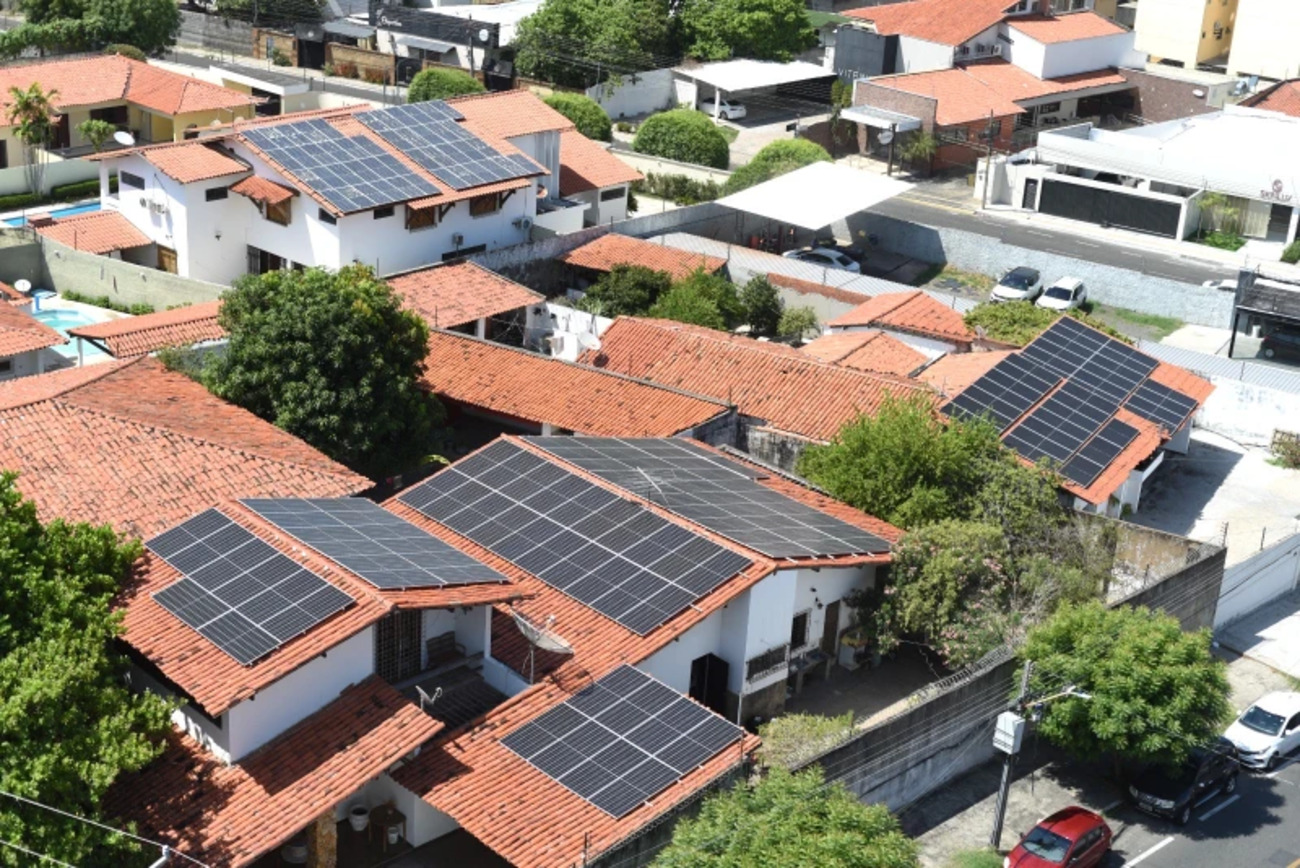
Piauí reaches a historic milestone in energy transition: State records nearly 160,000 households powered by solar energy and leads growth in the Northeast.
-
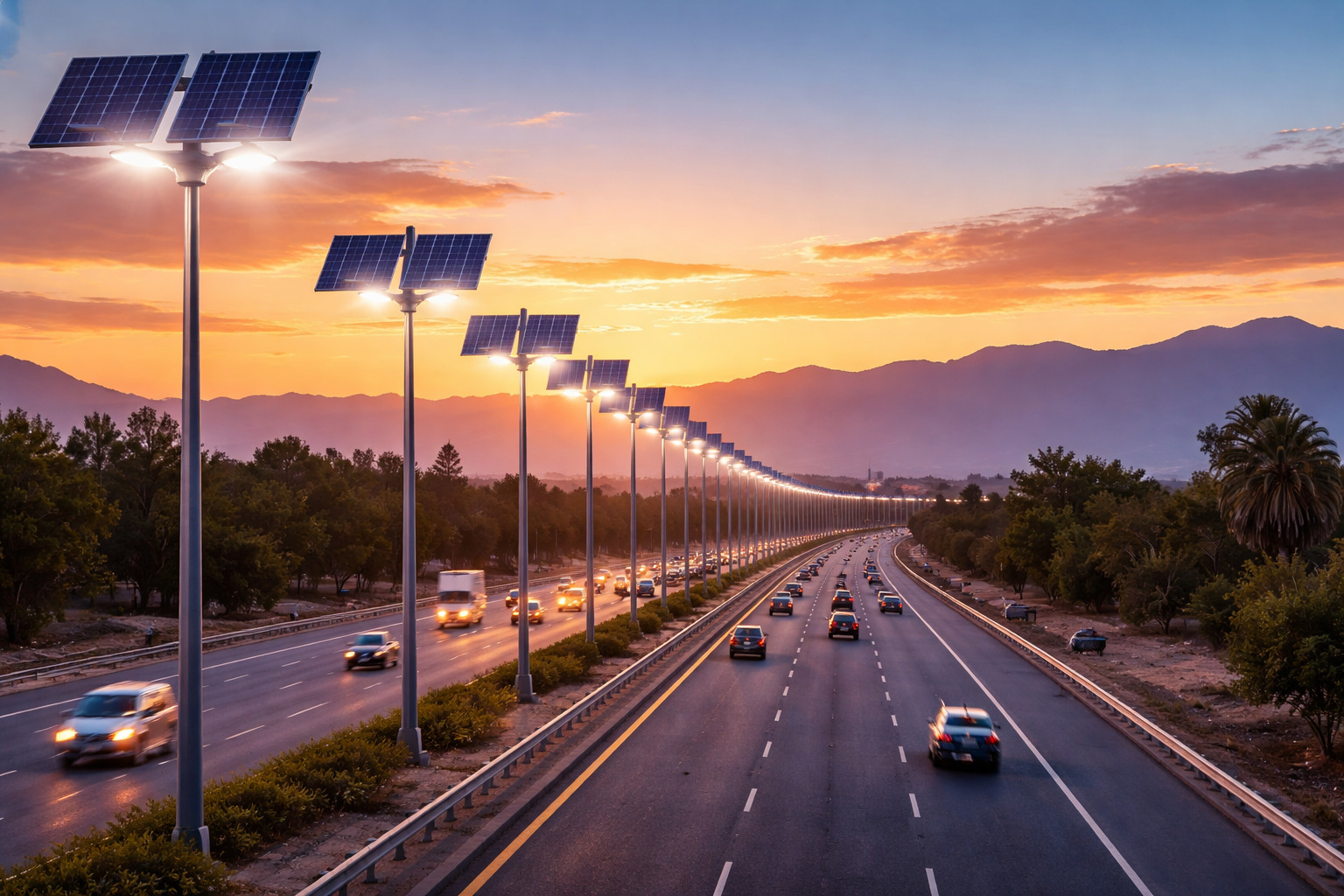
Argentina debuts its first 100% solar-powered highway and transforms an entire road into a showcase of clean energy.
-
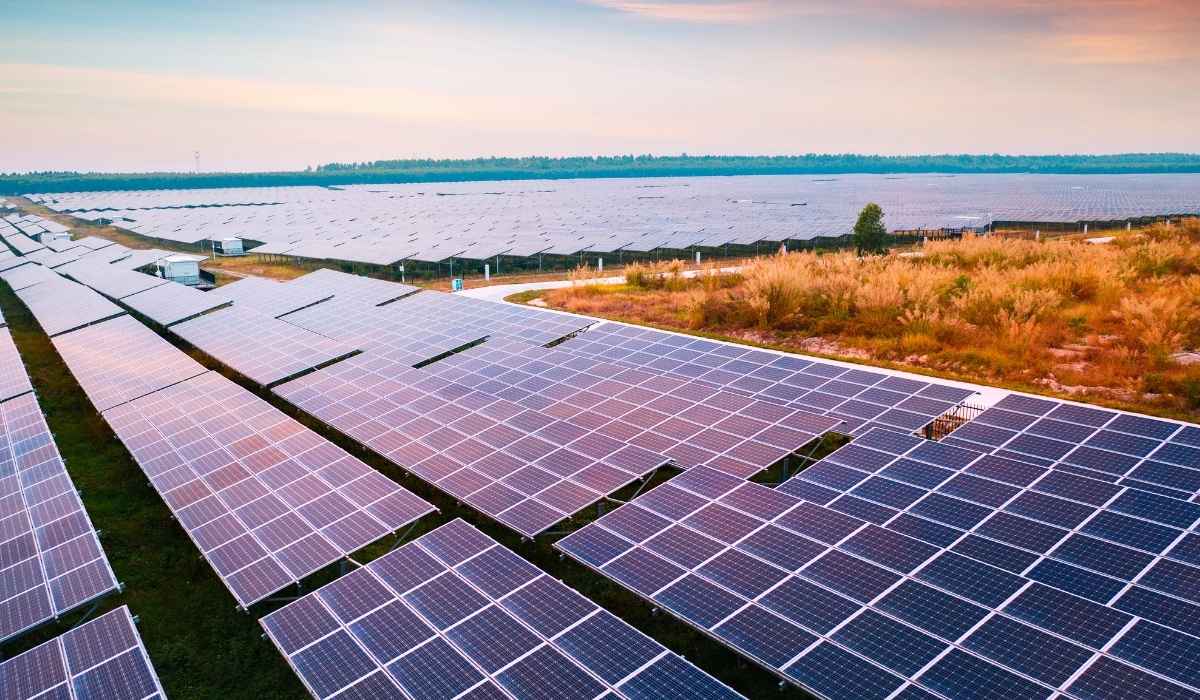
Minas Gerais reaches a historic record and surpasses the power of Itaipu, but network costs generate debate: Understand why solar energy in MG impacts the electricity bill of those without panels.
According to the CGU, if the rules defined by Congress remain in place, the accelerated growth of this generation tends to continuously pressure tariffs for consumers dependent on the conventional grid.
“The results indicated a positive relationship between the increase in electricity tariffs and the growth of installed MMGD capacity,” notes the CGU, considering the period from 2012 to 2024.
Quantitative Effect on Tariffs for Captive Consumers
According to CGU technicians, each 1% increase in the average installed capacity of MMGD results in an increase of 0.014% in the tariffs charged to captive consumers.
For the agency, this mechanism creates a feedback loop in the electricity sector, with tariff increases encouraging new installations and reducing the base of paying customers connected to the grid.
“The death spiral of tariffs is evident,” describes the CGU study, explaining the relationship between higher tariffs and the continuous expansion of distributed generation.
In this scenario, rising tariffs incentivize consumers to install solar panels, which decreases revenue for distributors and leads to subsequent tariff adjustments.
Billion-Dollar Subsidies and Distribution of Costs in 2023
Data from the National Electric Energy Agency indicate that, just in 2023, subsidies for distributed generation totaled R$ 7.1 billion, a figure 260% higher than recorded in 2022.
Of the total, 55% was paid by consumers without solar panels, 34% resulted from losses by distributors, and 11% came from the Energy Development Account.
The CGU highlights that the impact of these subsidies is socially unequal, heavily affecting low-income families dependent on the grid.
Regressive Income Transfer on the Electricity Bill
“Higher-income consumers use more energy,” says the CGU, indicating that the electricity bill serves as an indirect indicator of wealth.
According to the report, the cross-subsidy transfers resources from the poor to the rich by reducing costs for those who have the capital to invest in solar panels.
This dynamic reinforces inequalities in the electricity sector by concentrating financial benefits among consumers with greater initial investment capacity.
Accelerated Expansion of Solar Distributed Generation
The document points out that the accelerated expansion began in 2017, when photovoltaic generation started to double annually, according to data consolidated by the CGU.
By December 2024, solar distributed generation reached 36 gigawatts, surpassing the 17 gigawatts of centralized generation in the country.
Since 2021, solar panels have accounted for about 70% of total distributed generation, according to the CGU, consolidating the technology as dominant in this segment.
Extended Subsidies and Effects on Distributors
According to the CGU, the subsidies granted by Congress, extended until 2045, are at the center of the structural problem identified in the electricity sector.
These incentives include exemptions and discounts that have made the technology attractive, but at a scale greater than needed to stimulate the market, the agency assesses.
Distributors have begun operating with over-contracting beyond the allowed limit, compromising financial results and investments in the electricity grid, the study points out.
Operational Risks and Regional Blackouts
The report also identifies operational risks, as solar generation concentrates during the day, requiring hydropower plants to be operational in the early evening.
The delay in activating these plants contributed to blackouts recorded in the Southeast in 2024, according to the CGU, analyzing recent system events.
This operational imbalance increases costs and technical challenges to maintain the reliability of electricity supply during peak hours.
Tax Measures and Recent Government Adjustments on Solar Panels
In light of this scenario, the federal government raised the Import Tax on solar panels for the third time in 2024, according to the CGU.
The tax, which was zero in the previous government, increased to 6%, then to 9.6%, and reached 25% in the current administration.
This measure aims to curb distortions in the sector and reduce the impact of subsidies on electricity bills.
Perspectives and Regulatory Backgrounds
The government is considering raising the import tariff on solar panels again to stimulate national production and strengthen the Brazilian industry.
According to the CGU, the discussion occurs while subsidies remain in effect until 2045 and the electricity sector faces continuous tariff pressures and persistent operational challenges.
With information from Diário do Centro do Mundo.








FAKE NEWS! Essa caça às bruxas promovida pela equipe de lobby das concessionárias contra a geração distribuída esconde uma verdade: a tentativa de conter o avanço da geração independente a fim de manter os lucros dessas concessionárias. Pense bem: se a oferta cresce, o preço deveria cair. Não o contrário. Assim, o que estão na realidade repassando aos mais pobres é o rateio da perda de faturamento dessas concessionárias, o que é de fato injusto. O problema não está no subsídio, que tem a função de estimular a utilização de energias renováveis, mas na falta de investimento das concessionárias em novas linhas de transmissão e distribuição da energia fotovoltaica injetada na rede pelos micro e mini geradores. O que antes era uma dádiva, face a desnecessidade de investimentos dessas concessionárias na geração de energia, agora tornou-se um problema para elas pela natural perda de receitas. A verdade é que a energia elétrica no Brasil é muito cara, considerando as diversas possibilidades de exploração existentes. Se essa energia excedente fosse distribuída para os locais onde a energia não chega, haveria uma maior democratização dessa commodity e a manutenção das receitas das distribuidoras, mas isso exige investimentos, o que as concessionárias evitam a todo custo, inclusive atacando uma iniciativa fantastica, limpa e renovável e que nada custa aos cofres públicos.
Falta a consideração também dos gatos na rede esses não tem interferência no consumo de ninguém?
Dizer isso e publicar e fácil. Quero que explique. E a energia solar que encarece? se ela ė abundante! E subsídio as placas? retirei! Agora será que o GOVERNO não está jogando para “Os não pensantes” os “Papagaios, que só repetem oque recebem”. Não que seja errado! Mais se 10% população não tem condições de pagar energia e o Governo concede Gratuidade blz. Agora você sabe que só e gratuito aqueles que consomem 80kw/mês isso e basicamente uma geladeira e um bico de luz. E não e grátis pois o resto da população paga. Veja sua conta de energia 68% são encargos. tanto faz se vc for rico ou pobre a porcentagem e a mesma.*Jajá irão taxar quem tem placa solar e não tá ligado a rede da concessionária*. Quem tem gera energia solar hoje de cada 100kw, 30 e imposto e até 2045 será de cada 100kwkw 80kw será do governo seja você pobre ou rico.
Ocorre que muitas empresas estão comercialisando a energia gerada nas microusinas salares sob o subterfúgio de energia por assinatura. Porém, na verdade, eles têm as microusinas ou adquirem a enervia geradas por elas e simulam um consórcio onde todos “consorciados” terão o direito de compensarem os créditos gerados por essas microusinas, numa flagrante ofensa a Lei que regulamenta o assunto.