





 Portuguese
  English
  Spanish
  3 min of reading
  0 comments


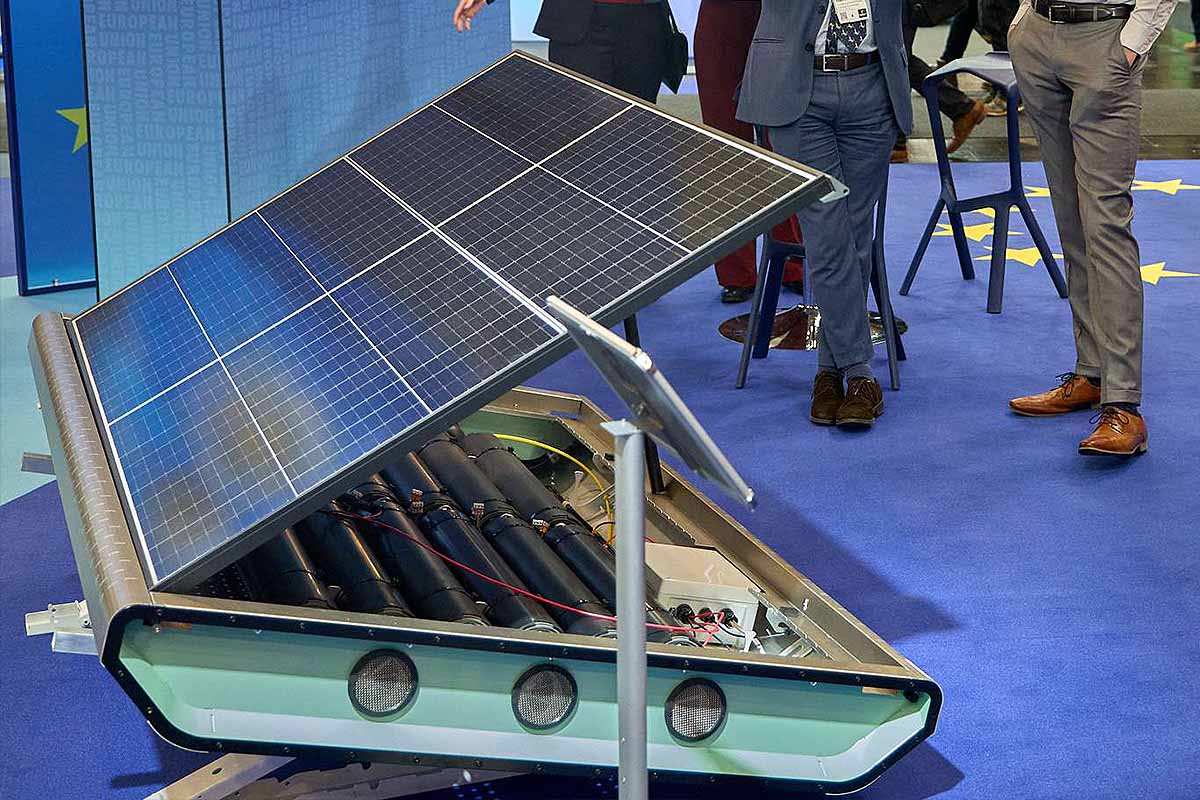
Solhyd Hydrogen Solar Panels: A Revolution in Renewable Energy. Produce Green Hydrogen and Contribute to a More Sustainable Future with Less Dependence on Fossil Fuels
After years of research and development, the Belgian start-up Solhyd is ready to revolutionize the renewable energy sector with its new solar panel that produces hydrogen. This technology promises to transform the way hydrogen is generated and utilized, especially in a context where sustainability and carbon emission reduction are priorities.
Solhyd: Hydrogen Solar Energy Panels
Hydrogen is the lightest and most abundant element in the universe. Composed of a single electron and a single proton, it has been used for decades in industries such as food, metallurgy, and chemistry. However, hydrogen production has largely relied on fossil fuels, accounting for 95% of total production, according to data from Futura. To change this trend, Solhyd has developed an innovative solar panel that generates green hydrogen using only solar energy.
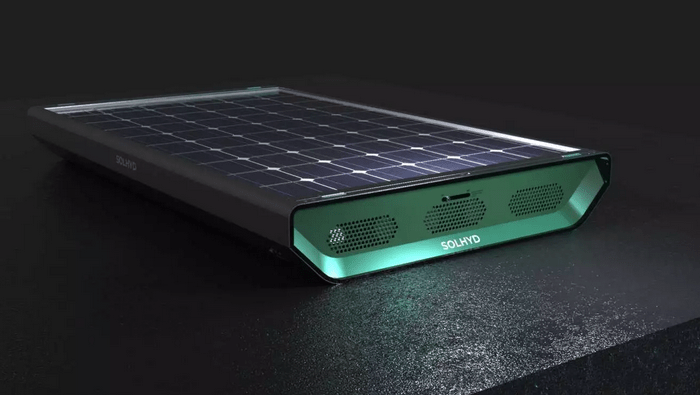
The Solhyd panels are unique in their class, as they produce gaseous hydrogen at low pressure (between 300 and 500 millibars), using solar energy. Unlike conventional photovoltaic panels that generate electricity, these panels are connected by gas pipes. Each panel can produce approximately 250 liters of hydrogen per day, with an efficiency of 15%. This green hydrogen can be used directly, transported through pipelines, or stored locally at high pressures after compression.
-
Archaeologists find an intact tomb over 2,500 years old, with more than 100 preserved objects, weapons, jewelry, and human remains never touched.

-
Volcanic lava transforms into threads as fine as human hair that travel over 30 kilometers by wind and fall like cutting rain on roofs and backyards in Hawaii and Iceland.

-
NASA issues a warning for the feared Godzilla El Niño that could change the planet’s climate in 2026 with extreme warming of the Pacific capable of causing devastating droughts in some regions and historic floods in others simultaneously.

-
Archaeologists discover a 100-meter ship graveyard in a submerged Greek city, and what has appeared on the seabed of Libya could change what was known about this ancient port.


According to Jan Rongé, CEO of Solhyd, a roof with 20 Solhyd panels could generate between 120 and 240 kilograms of hydrogen per year, equivalent to 4 to 8 megawatt-hours (MWh) of hydrogen energy.
Testing and Adaptability
Before launching mass production, Solhyd conducted multiple tests in different climates around the world, including Africa, with very promising results. In Northwestern Europe, a panel can produce about 6 kilograms of hydrogen per year, while in sunnier regions, this number can reach 12 kilograms annually. Furthermore, Solhyd is committed to ongoing risk assessment and the implementation of internal quality control measures to accelerate and facilitate the production process. Recently, the start-up manufactured a batch of 10 panels for testing in Belgium.
Scaling Production
Solhyd has ambitious plans to scale the production of its hydrogen solar panels to megawatt levels by 2026. The company is working on creating a network of partners, suppliers, and system integrators to achieve this goal. With funding of 6 million euros obtained from a consortium of Flemish investors, Solhyd proposes to offer a “plug-and-play” solution for industries such as steel and chemicals, as well as for small and medium-sized enterprises seeking affordable green hydrogen.
Compatibility and Future
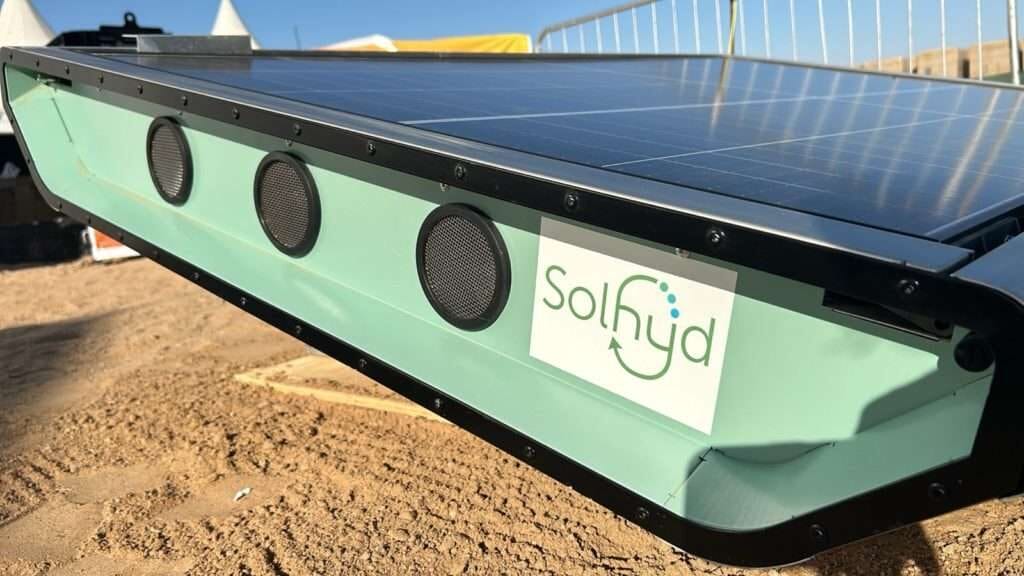
The Solhyd panels operate at very low pressure and are compatible with most photovoltaic modules available on the market. Currently, the company is focused on mono PERC (Passivated Emitter Rear Cell) panels but plans to develop tandem solar panels (perovskite/silicon) in the future.
Solhyd is positioned to play a crucial role in the transition to a green hydrogen economy. With its innovative hydrogen solar panel technology, the start-up not only seeks to reduce dependence on fossil fuels but also to provide a clean and sustainable energy source that can be adopted globally.
Solhyd’s vision of integrating large-scale green hydrogen production into the energy sector is a promising sign for the future of renewable energy, marking a significant step towards a more sustainable and carbon-free planet.
More information: solhyd.eu








Seja o primeiro a reagir!