





 Portuguese
  English
  Spanish
  4 min of reading
  0 comments


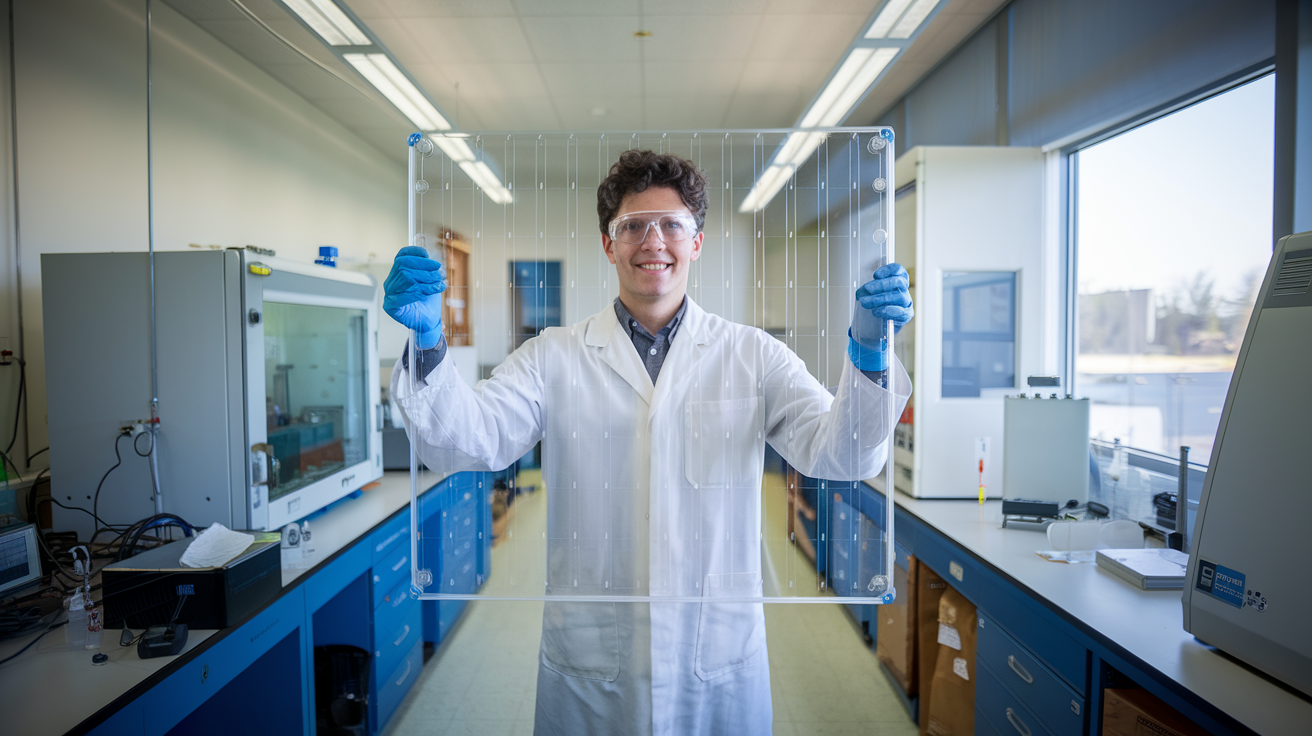
New Technology Can Transform Common Surfaces — Like Windows, Building Facades, Electronic Device Screens, and Even Clothing — Into Sources of Solar Energy.
The search for sustainable and integrated solutions into daily life has driven innovations in the solar energy sector. Among the most promising is the development of transparent panels, a new technology that can transform common surfaces — like windows, building facades, electronic device screens, and even clothing — into sources of clean energy. Keep reading and discover everything about this solar panel of the future!
New Generation of Solar Cells Combines Efficiency and Transparency
Traditionally, the solar panel is associated with opaque structures installed on rooftops or open fields. Although effective, these models limit the integration of solar energy into the urban environment and everyday products. With the arrival of transparent solar cells, this limitation begins to be overcome.
Developed from materials with atomic thickness, these cells use compounds known as 2D materials, including the so-called transition metal dichalcogenides (TMDs). One of the most studied examples is tungsten disulfide, which, when combined with a transparent conductor like indium tin oxide (ITO), allows for the creation of thin, flexible layers that generate electricity without compromising visibility.
-
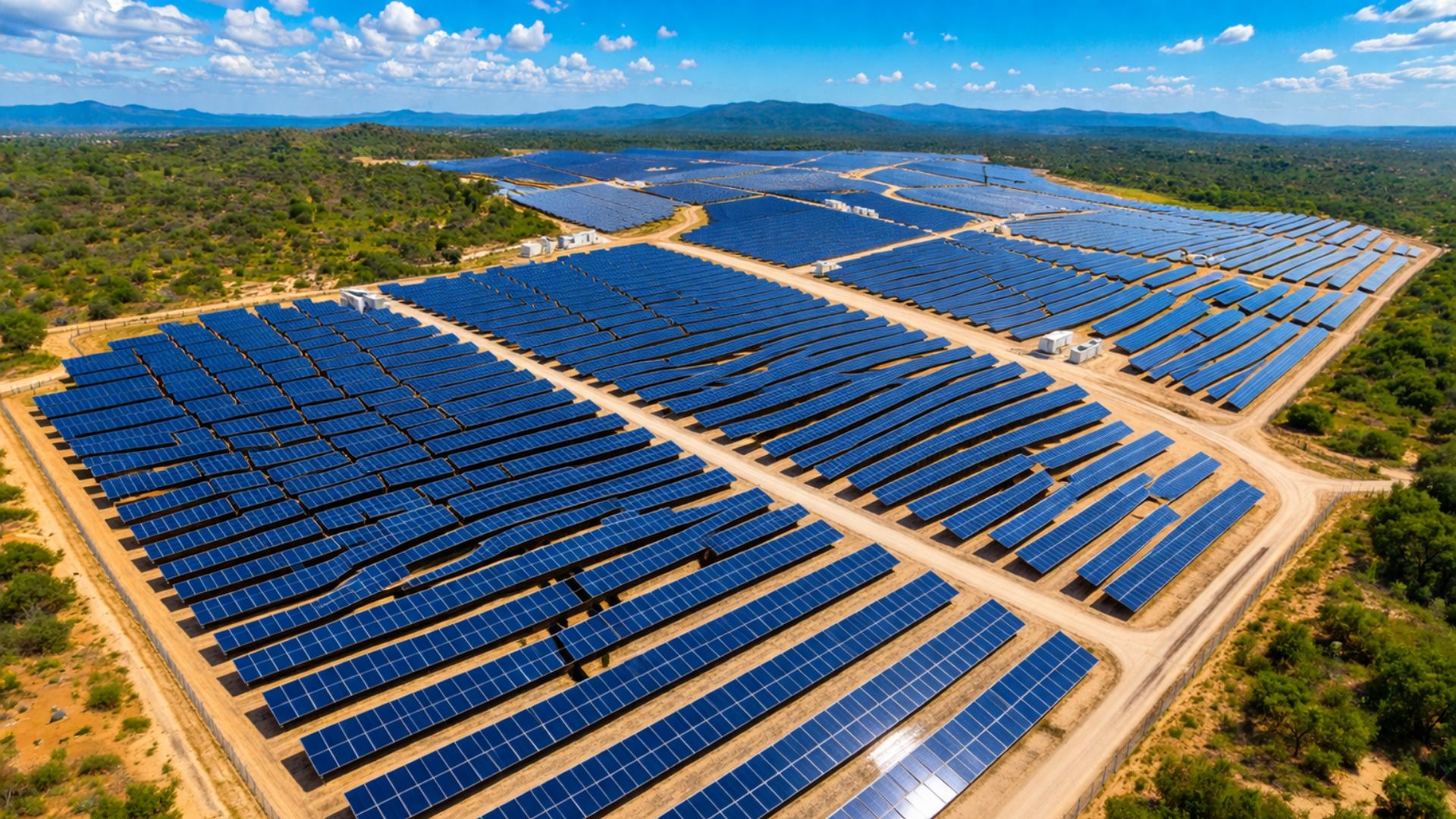
The Sol do Agreste Photovoltaic Complex begins operations in Pernambuco and accelerates the expansion of solar energy in Brazil, directly impacting the reduction of emissions and strengthening the sustainable energy matrix.
-
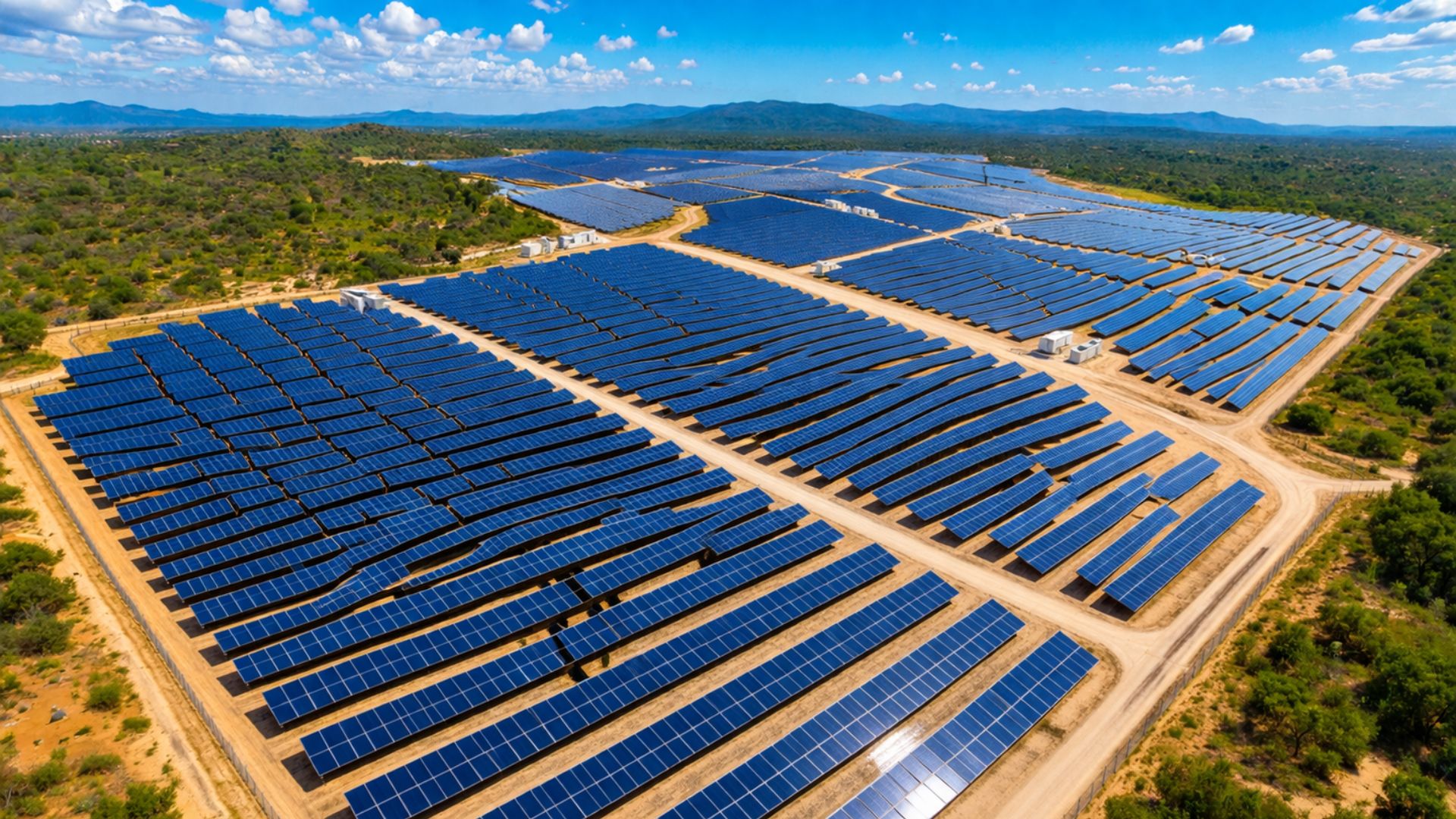
The Sol do Agreste Photovoltaic Complex begins operations in Pernambuco and accelerates the expansion of solar energy in Brazil, directly impacting the reduction of emissions and strengthening the sustainable energy matrix.
-
Roraima bets on the sun to escape high tariffs: Amid the energy crisis and price hikes, solar energy is growing in Roraima and transforming consumption in the North region.
-
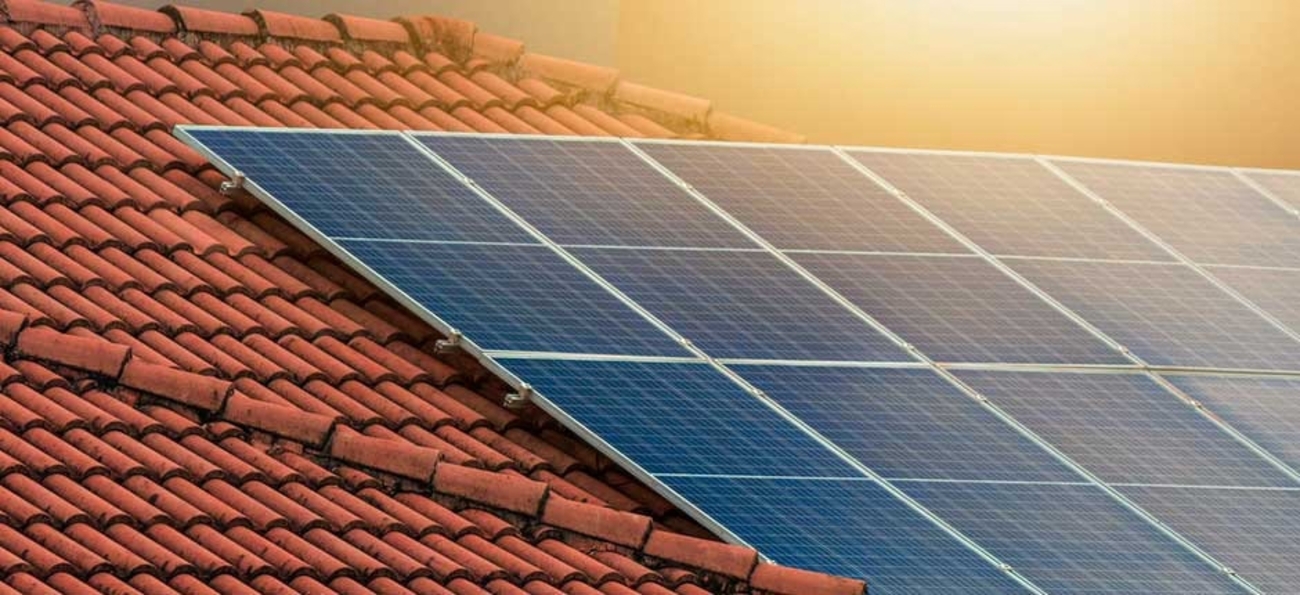
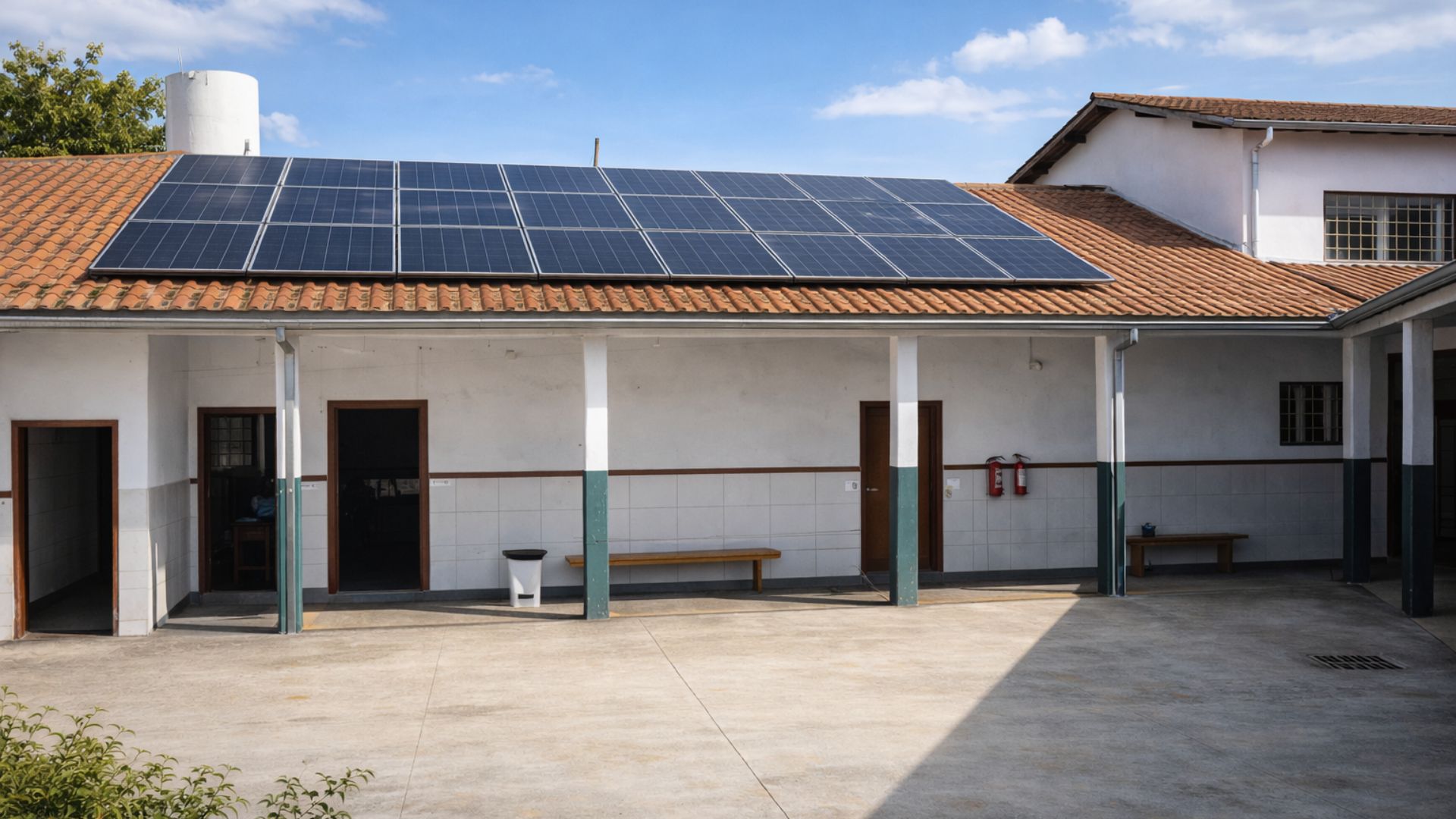
Copel boosts solar energy in Paraná and brings innovation to public schools, promoting savings on electricity bills, energy efficiency, and a direct impact on the quality of education.
With an average transparency above 70% — and able to reach up to 79% — transparent panels become practically invisible, making them ideal for application in building glass, vehicle windshields, and smartphone screens.
Promising Results and Technical Advancements
The research led by Toshiaki Kato from Tohoku University in Japan optimized the performance of these cells by coating the ITO with thin layers of copper and tungsten oxide. This combination reduced the so-called Schottky barrier, which significantly improved electron collection and light conversion into electrical energy.
The result was the creation of a device that achieved 79% transparency (AVT) and an energy density of 13 milliwatts per square centimeter, performance comparable to traditional opaque solar panels. On a reduced scale (1 cm²), the cell generated 420 picowatts, demonstrating that the new technology could, in the future, be used in larger devices.
Potential Applications in Various Areas
The possibilities for using this new technology are vast and include architectural, automotive, electronic, and biomedical applications. In civil construction, transparent panels could transform glass facades into sources of solar energy without altering the aesthetics of the buildings or compromising natural lighting in the environments.
For electric vehicles, the cells could be integrated into the windshield and other elements of the body, helping to charge batteries and increasing the autonomy of cars. In the wearable technology sector, there is potential to power devices like smartwatches, health sensors, and smart clothing.
Furthermore, there are studies for the use of this new technology in implantable biomedical devices, such as pacemakers and glucose monitors, utilizing solar energy captured by the skin itself.
Environmental Impacts and Challenges in Adopting the New Solar Energy Panel
The integration of solar energy into common surfaces represents an important shift towards urban sustainability. By incorporating solar panels into everyday objects, there is an opportunity to reduce dependence on fossil fuels and contribute to the reduction of greenhouse gas emissions.
However, for the technology to scale, it is necessary to overcome some challenges. Among them are the durability of materials against prolonged exposure to the external environment and the scalability of mass production. The manufacturing of these cells requires advanced material deposition techniques, still limited to laboratories and research centers.
Another point is the cost. The materials used in transparent panels, such as TMDs, are still more expensive than the silicon traditionally used in common solar panels. Therefore, researchers are working on more economical alternatives and production processes that reduce the final cost of the technology.
Promising Future for Transparent Solar Panels
The research published in the journal Scientific Reports signals an important advancement in the development of transparent panels and the integration of solar energy into new forms and applications. The expectation is that, with the maturation of technology and support from public policies, these cells will become common in urban projects, vehicles, and electronic products.
The new technology points to a future where clean energy will be present discreetly and efficiently in all aspects of daily life. The use of nearly invisible solar panels represents a practical and innovative solution to meet the growing demand for renewable sources without compromising the aesthetics and design of urban environments and personal products.
Source: The Brighter Side of News









Seja o primeiro a reagir!