





 Portuguese
  English
  Spanish
  7 min of reading
  12 comments


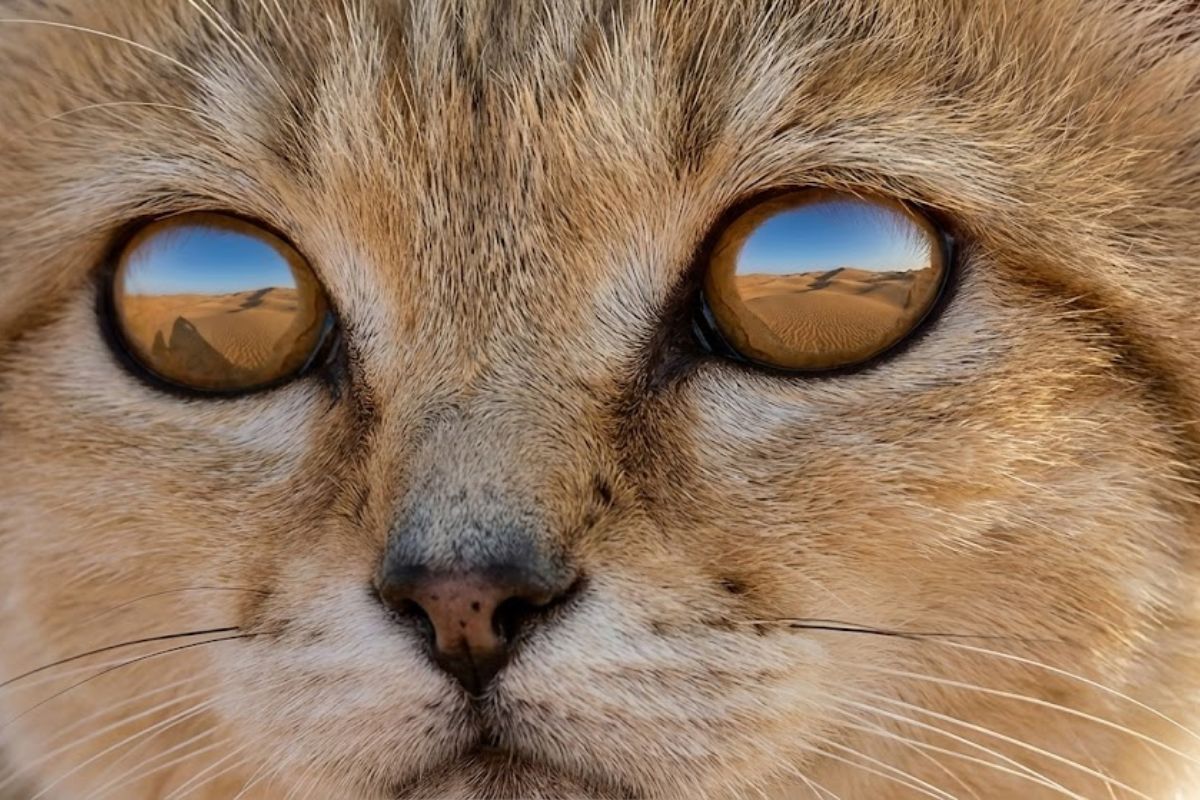


With Less Than 250 Individuals In The Country, The Program Frozen Genetic Material In 2003 And Seven Years Later Recorded The First Live Cubs. Lineages From America, Europe, And The Middle East Broadened Breeding, But Possible Reintroduction Raises Questions About Ecological Balance, Pests, Predators, And Cities In The Local Desert Region.
The Breeding Of Desert Cats In The Laboratory Went From Symbolic To An Operational Plan: To Multiply A Rare Predator And At Some Point Return It To Its Original Environment. The Central Point Is That The Project Starts From A Critical Fact, Less Than 250 Animals Remaining In The Country, And Attempts To Reverse This Situation With Controlled Breeding.
The Problem Is What Comes Next: Experts Described In The Report Warn That Releasing Desert Cats Does Not Just Mean “Reintroducing A Species,” But Inserting Hundreds Of Hunters Into A System That Functions With Scarcity, silence, And Little Margin For Error.
From Genetic Freezing To Predator Nursery

The Plan Begins In 2003, When Genetic Material Was Frozen To Support Future Breeding.
-
How the terraforming of Mars can transform the planet: artificial aerosols can increase the temperature by up to 35°C in 15 years, creating conditions for liquid water.

-
Scientists drilled nearly 8,000 meters into the ocean floor above the fault that caused the 2011 tsunami in Japan and discovered that a layer of clay 130 million years old was responsible for making the wave much worse than any model had predicted.

-
Thousands of years after causing the largest eruption of the Holocene, one of the world’s largest supervolcanoes is rebuilding itself beneath the sea south of Japan, receiving new magma and alarming scientists with its transformation.

-
China has activated a magnet 700,000 times more powerful than the Earth’s magnetic field that operates for over 200 consecutive hours while consuming little energy, and now the world wants to know what Beijing plans to do with this technology in 2026.


Seven Years Later, The First Live Cubs Emerged, A Milestone That Opened The Door For Expansion Of The Herd With New Lineages From America, Europe, And The Middle East.
This Genetic Reinforcement, Described As The Search For A “Perfect Hybrid,” Led To The Formation Of The Largest Population Of Sand Cats In The World Maintained Under Laboratory Conditions, With Reintroduction As The Stated Horizon.
Why Desert Cats Are Rarely Seen

Desert Cats Live In Some Of The Most Uninhabitable Environments On The Planet, Associated With The Extreme Heat And Drought Of The Sahara, The Arabian Peninsula, And Areas Of Central Asia, Including Turkmenistan, Iran, Pakistan, And Afghanistan.
Even So, The Report States That Spotting Them Is “Nearly Impossible,” With Odds Comparable To Winning The Lottery.
The Biological Details Explain Their Invisibility: Cream-Colored Fur With Stripes, Weight Below 3 Kg, Movement Through Low Bushes And Burrows, And A Key Feature, Thick Black Fur Between The Toes, Protecting Their Paws From The Scorching Sand And Helping To Reduce Tracks.
The Nocturnal Predator That Lives Almost Without Water
Desert Cats Rarely Drink Water, Or Even Drink, Because They Obtain Moisture From Their Prey.
At Night, Their Large Ears Function As A Sensitive Sensor: The Report States That They Pick Up Even Weak Sounds Of Rodents Moving Underground, Mentioning A Range Of Up To 180 Meters.
There Is Also A Historical Gap: The First Scientific Description Cited Appears In 1858, And Even With Technological Advances, The Study Indicates That Camera Traps May Fail Because The Animals “Crouch And Close Their Eyes” When Light Shines On Them.
Broad Diet And Precision Hunting, From Rodent To Snake
The Described Menu Is Extensive: Small Rodents, Hair, Birds, Spiders, Insects, And Lizards.
In Some Cases, Desert Cats Capture Snakes, Without Differentiating Between Venomous And Non-Venomous In The Outcome Of The Hunt.
The Technique Is Direct And Efficient: Almost Silent Movement, Low Body, Hearing “At Maximum Volume.”
When The Prey Is Below Ground, The Animal Digs Quickly, “Like A Digger,” And Can Burrow The Capture To Store It.
The Temptation To Use Desert Cats Against Pests
The Report Describes A Risk Trigger Outside The Laboratory: Fertilizers Imported From Tropical Regions Would Have Arrived Without Detailed Inspection Of The Content, And When The Heat Raised The Temperature To 122 Degrees Fahrenheit, Reptiles Would Have Begun To Emerge From The Ground.
Among The Examples, There Are Brown Tree Snakes Mentioned As Extremely Venomous And Native To Australia, With The Claim That Eggs Can Remain Dormant For Years And Hatch When The Sand Becomes Warm Enough.
In Parallel, There Is A Second Pest: Rodents In Farms, With Rats And Mice Gnawing Eggs, Attacking Chicks And Even Biting Sheep Wool While Still On The Animals, Causing Ulcers, Stress, Weight Loss, And Decreased Milk Production.
In Light Of This, The Operational Question Arises In The Report: If There Are Desert Cats That Survive Without Water And Hunt At Night, Why Not Use Them As A Biological Tool Against Snakes And Rodents?
Release, Tracks, And The Beginning Of The Unpredictable
The Study States That It Would Be Enough To “Open The Cages,” But No One Had Evaluated The Effect Of Starting “A Completely Different Cycle.”
The First Clues Appear Weeks Later: Small Tracks With Deep Claw Marks Near Chicken Coops And Motion Cameras That Would Not Record The Animal, Just Wind And Dead Birds.
The Technical Point Here Is Simple And Uncomfortable: If A Nocturnal Predator Is Difficult To Map When It Is Rare, It Becomes Even More Difficult When The Population Grows And Disperses.
Cities As A New Biome And The Risk Of Acceleration
The Report Expands The Scenario And Describes A World In Which Urban Expansion Pressures Nature: Raccoons In Toronto, Jackals In Parks In Tel Aviv, Leopards On The Edges Of Mumbai, And Foxes In London.
This Urban Environment Is Treated As A “New Desert” Made Of Concrete And Light.
The Cited Estimate Is That More Than 2,000 Species Have Already Domesticated Cities As New Biomes, And That Almost A Third Of The Calories Consumed By Urban Animals Come From Human Civilization, In A Constant Flow Of Resources Like Garbage, Landfills, And Food Waste.
In This Context, If Desert Cats Migrate To Urban Areas, Hunting Stops Relying On The Scarcity Of The Desert And Becomes Routine In An Illuminated And Supplied Territory.
Trophic Pyramid And The Risk Of Cascade Collapse
The Analysis Describes The Trophic Pyramid As A Rule Of Balance: A Broad Base With Producers And A Narrow Top With Predators.
The Warning Is That Desert Cats Occupy The Top Of The Desert And, By Adding “Hundreds Of New Predators,” The System May React In Two Ways.
In The First Scenario, Food Would Be Scarce And Many Individuals Would Die, Which For Humans Would Mean Years Of Research And Millions Spent To Return To The Starting Point.
In The Second, More Serious Scenario, Predators Would Expand Their Menu, Eliminating Whatever Moves: First Snakes And Rodents, Then Lizards And Birds, Especially Those Nesting On The Ground, Triggering A Trophic Cascade With Domino Effect And Indirect Signs, Such As Insect Pests And Abrupt Changes In Local Balance.
A Vagrant Predator That May Not Stay Where It Was Released
Another Critical Element Is Mobility.
The Report States That The Range Of The Sand Cat Is The Largest Among Felids, With Movements That Escape Monitoring And Radio, And Cites Dimensions Of Personal Territory: At Least 120 Square Miles For A Male And About 100 For A Female.
The Practical Consequence Is Direct: Even If The Release Occurs At A Specific Point, Desert Cats May Spread In Multiple Directions, Reducing Their Usefulness As Pest Control And Increasing The Risk Of Impacts Outside The Planned Area.
Reintroductions Fail In Silence, And This Weighs On The Decision
The Report Provides An Example With Sand Cats At The Biblical Zoo Of Jerusalem, With A Breeding And Reintroduction Program In The Arava Valley.
The Described Outcome Is Harsh: Captive-Bred Animals Did Not Survive, Even After Staying In A Preparation Zone.
The Explanation Presented Is That Prolonged Captivity Changes Behavior, Reduces Caution, And Increases Vulnerability In Nature.
The Study Also Mentions Attempts With Golden Lion Tamarins, With Disoriented Individuals, Mobility Difficulties, And Inability To Recognize Food And Threats, As A Warning That “Opening The Cage” Is Not The Same As Restoring A Population.
What Other Species Show When The Plan Goes To The Field
The Narrative Cites A Leopard Program In The Caucasus: On December 20, 2023, A Plane Coming From Sweden Was To Have Landed At Sheremetyevo Airport In Moscow With Two Leopards, Felo And Shiva, Sent To A Reintroduction Center.
The History Includes The Arrival Of Two Males In 2009, Two Females In 2010, And A Pair From The Lisbon Zoo In 2012, With Cubs Trained To Hunt And Then Released.
Still, Losses Occur: A Male Named Killy, Released In July 2016, Died In February 2019 After Falling Into A Trap; A Female Named Victoria Died In 2017 After Being Captured And Returned To The Center; And A Male Named Elris, Released In 2018, Disappeared After A Landslide Left His Fate Uncertain.
The Total Mentioned Is 10 Leopards Released, With Mortality And Disappearances Sufficient To Show The Fragility Of The Model.
The Dutch Case And The Australian Case, When The Environment Pays The Price
There Is Also The Example Of An Area Of 12,300 Acres In The Netherlands, Where Herbivores Wandered Without Human Interference Until A Severe Winter Led To Mass Deaths.
The Cited Number Is 5,230 Animals Before The Cold, With About 1,850 Survivors After, Followed By Culling To Prevent Suffering, As Well As Damage To Vegetation And Declines In Birds, In A Scenario That Exposed The Absence Of An “Apex” Balancing The Environment.
In Australia, The Attempt To Relocate Koalas Also Appears As A Warning: In April 2025, 13 Koalas Were Transferred From A High-Density Area In Upper Nepean To The Southeast Forest National Park, Near Bega.
Within Two Days, Three Died, The Others Were Sent To The Hospital, But Four More Died. Autopsies Indicated Severe Inflammation Of The Lungs And Liver, With Sepsis As The Likely Cause, And The Remaining Six Returned To Their Original Habitat.
The Technical Message That Runs Through All Of These Examples Is That Desert Cats Are Not Just A “Recoverable” Species In The Laboratory, But A Predator With High Mobility, Efficient Hunting, And The Potential To Alter Food Chains When Out Of Control.
If Reintroduction Occurs, It Must Be Treated As A High-Risk Operation, With Clear Goals, A Defined Area, Continuous Monitoring And Public Criteria To Halt The Action If The System Begins To Degrade.
If This Topic Moves You, Follow The Upcoming Developments And Demand Transparency On How Any Release Of Desert Cats Will Be Carried Out, Including Monitoring Rules And Contingency Plans If The Local Balance Is Disrupted. In Your Opinion, Is Releasing Desert Cats Worth The Risk, Or Should The Laboratory Be The Definitive Limit Of The Project?










Eu acho que se eles estão em extinção, por alguma motivo talvez eles não devem mais existir. 🤷🏻♀️
Imagina se esse mesmo raciocínio se aplicar à espécie humana… fala sério, hein
Eu acho um absurdo esses cientistas interferirem na natureza .Porque não vão procurar a solução para o Câncer.Eu não sou cientista mas acho que essa interferência não vai dá certo.O verdadeiros gatos do deserto já nascem com habilidade de enfrentar um território inóspito já transferido pela mãe nascem no deserto aptos de natureza selvagem em todos os sentidos e não um **** gerado em laboratório e depois soltos na natureza .biologicamente é réplica de um gato selvagem sem agilidade genuína.Bem pode ser que dê certo ou não!!
Os humanos gostam mto de interferir na natureza, só esquecem que ela sempre dá o troco, mas infelizmente, eles não aprendem a lição. Querer soltar esses felinos que precisam de um espaço imenso para sua mobilidade, pode trazer consequências desastrosas.