





 Portuguese
  English
  Spanish
  3 min of reading
  0 comments


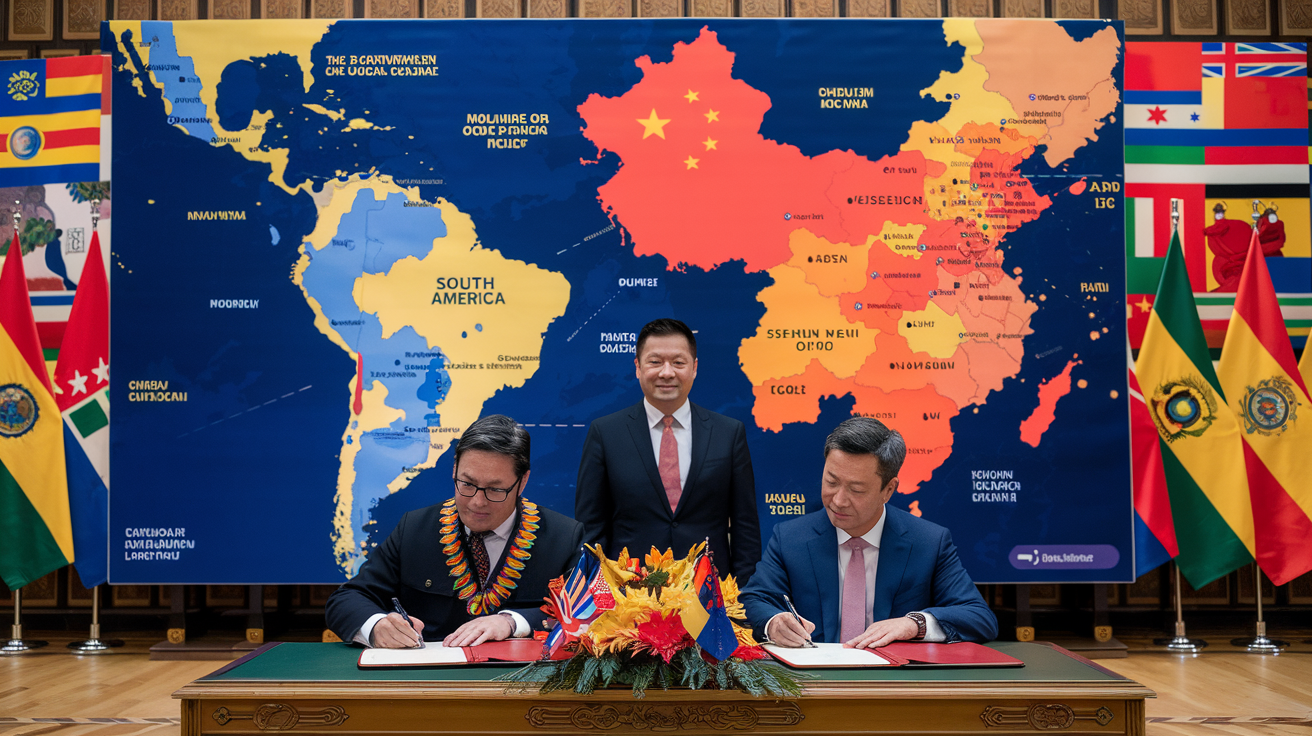
Bolivia Attracts Elon Musk’s Attention by Announcing the Construction of Lithium Factories. Country Has Just Announced Billion-Dollar Investment and Promises to Become a Global Hub for the Mineral.
Construction of New Lithium Factories: Bolivia signed a contract on Tuesday (November 26, 2024) with the company China Hong Kong CBC Investment for the construction of lithium carbonate production factories, with an investment commitment of R$ 5.98 billion. The lithium factories represent a significant step toward a sustainable future, as the mineral, which attracts Elon Musk’s attention, is widely used in electric vehicle batteries, smartphones, and various other equipment. Check out the details of the new lithium factories.
Construction of New Lithium Factories in Bolivia Will Be Located at Salar de Uyuni
According to the president of Bolivia, Luis Arce, during the signing ceremony, with the construction of lithium factories, Bolivia will be a crucial player in determining the international price of lithium. The future lithium factories, the mineral that attracts Elon Musk’s attention, have a production capacity of 10,000 tons of lithium carbonate per year and another 25,000, totaling 35,000 tons.
The construction of new lithium factories will take place at Salar de Uyuni, in the southwest of the country, according to information from the state-owned Yacimientos de Litio Bolivianos (YLB), which signed the contract. The Bolivian government’s measure affects interested parties in the United States, which are trying to control the country’s lithium production to prevent competition from China and Russia in the region.
-
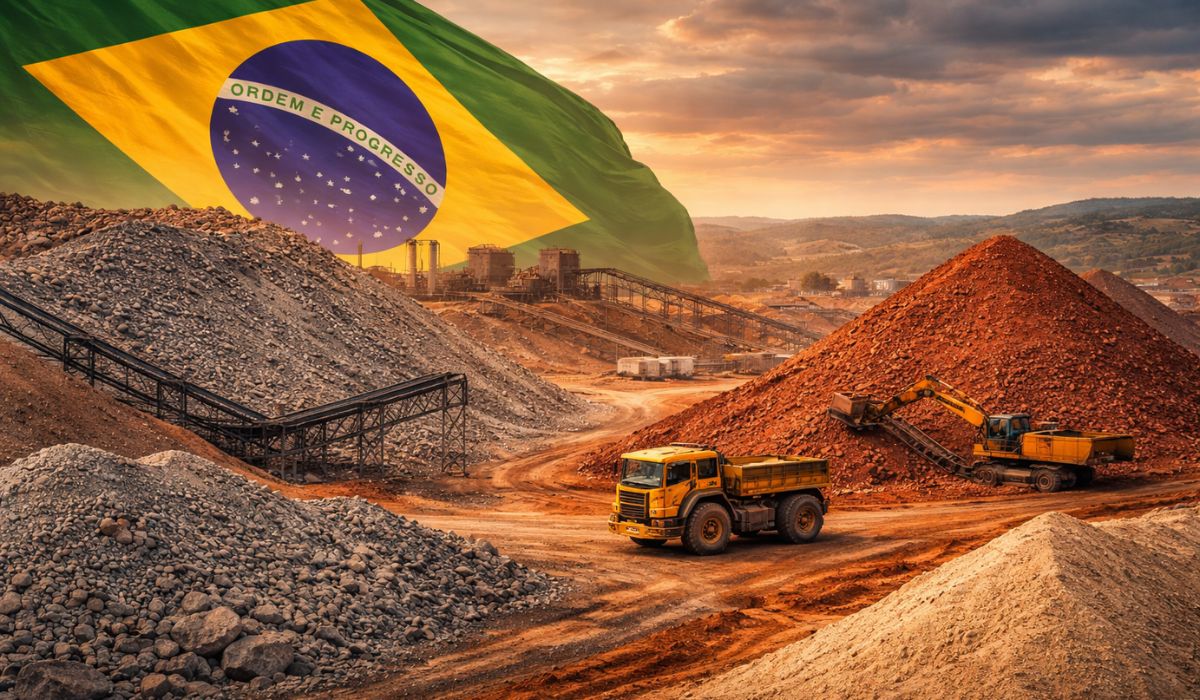
Brazil extracts 26.3 million tons of ore from what was previously treated as waste, transforming residues into wealth, producing over 3 million tons of sand, and demonstrating how national mining is relearning to generate value.
-
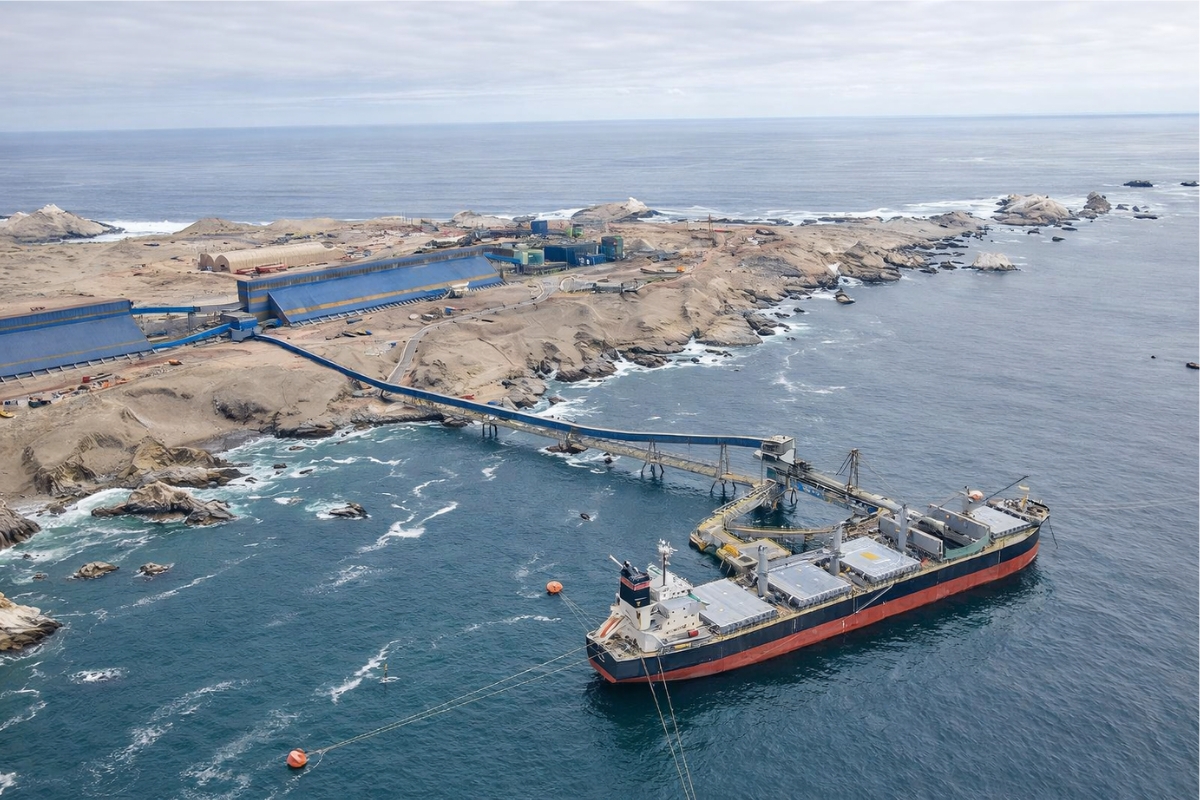
A $3.5 billion megaproject in Latin America pumps desalinated seawater at 1,050 liters per second over 194 km to keep a copper supermine in the Andes operational for another 20 years.
-
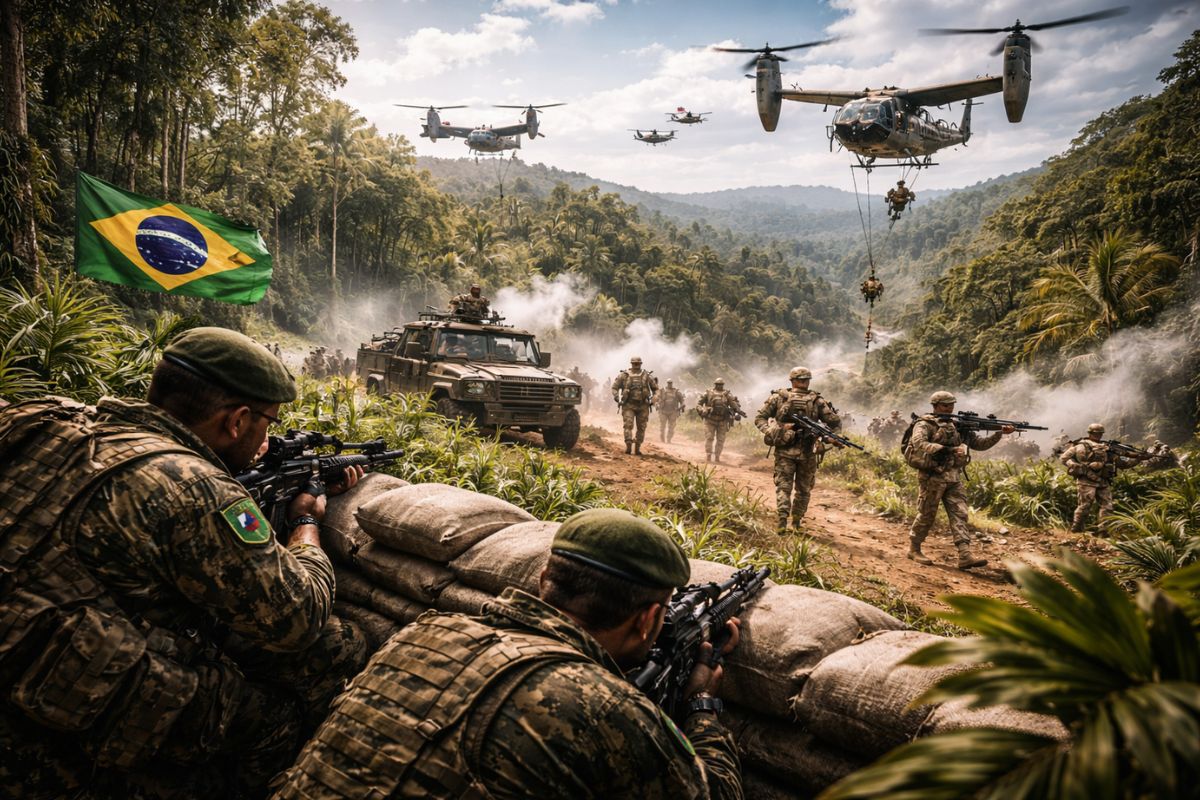
If the USA were to go to war with Brazil, Washington’s greatest fear would not be the attack itself, but facing a vast territory, prolonged resistance, and a costly, chaotic, and unpredictable occupation.
-
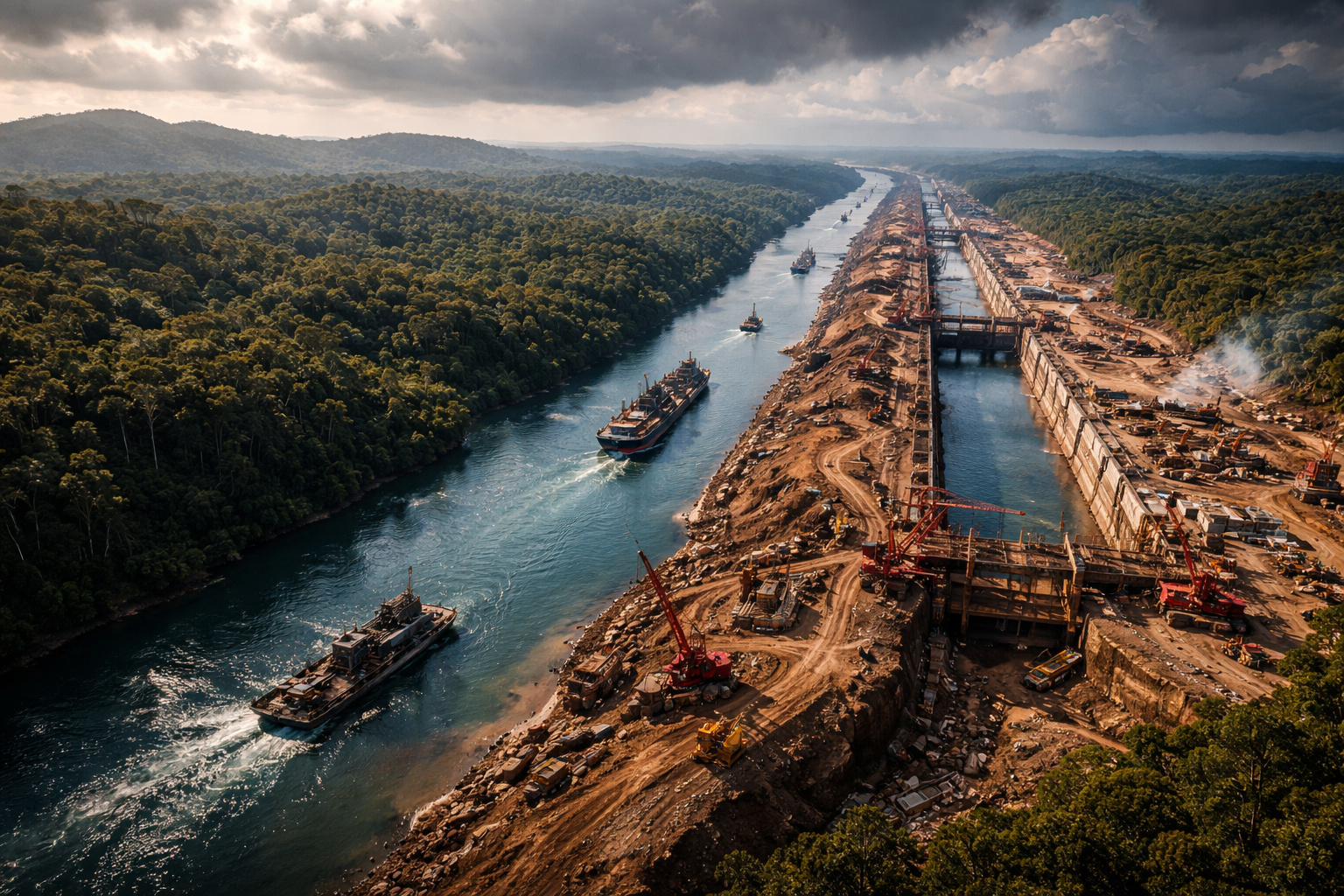
In 2013, Nicaragua sold the concession for a canal to rival Panama to a Chinese billionaire who lost 85% of his fortune, disappeared, and was declared bankrupt. Now the project resurfaces with a new route, a new Chinese partner, and a cost of $64.5 billion.

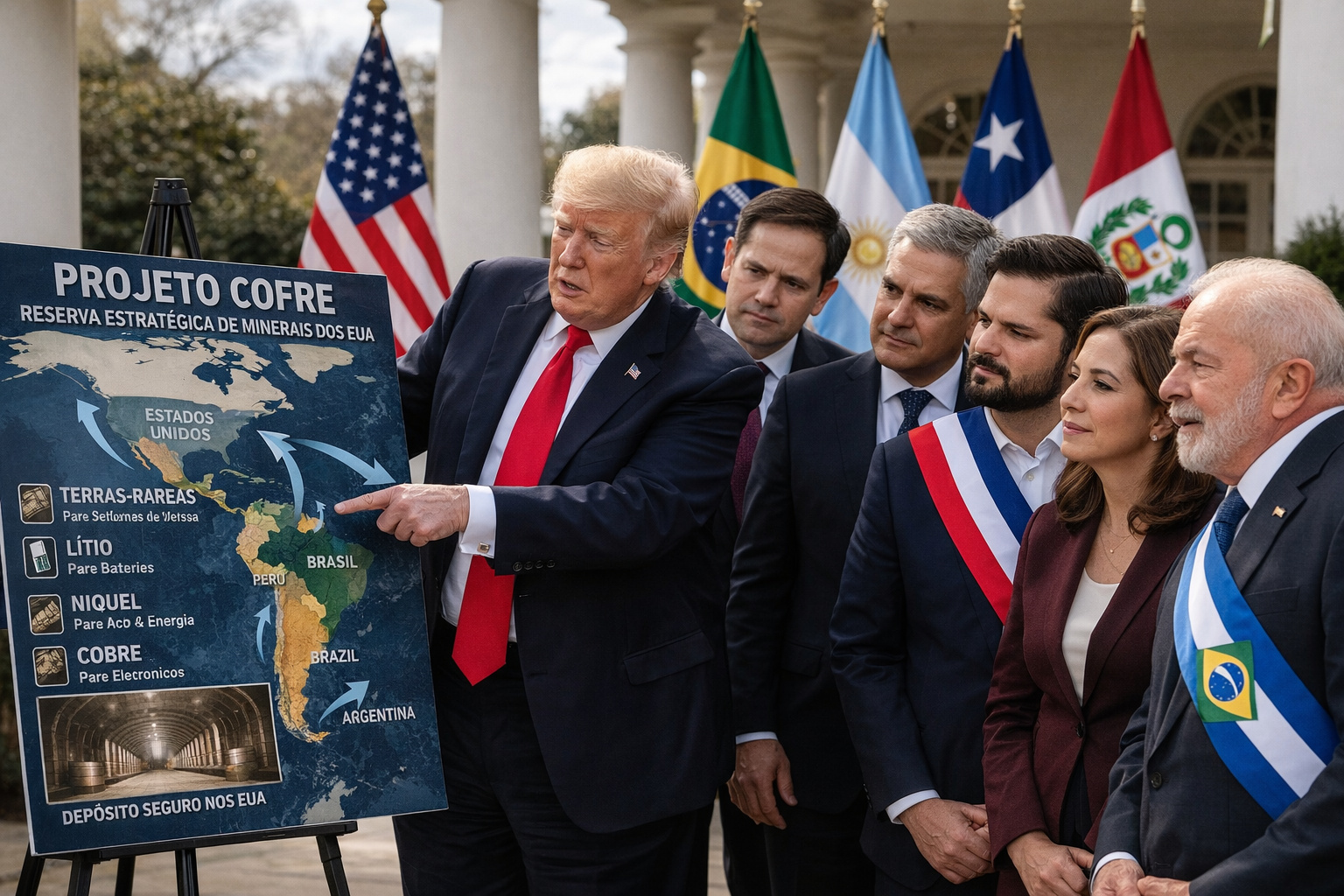
In March of last year, the head of South Command, Laura Richardson, stated that the lithium triangle is treated as a national security issue regarding its “backyard” during a conference of the U.S. House of Representatives.
Understand the Importance of Constructing New Factories in Bolivia
Lithium is a key component for producing high-performance batteries for electric cars. The automaker Tesla, by Elon Musk, announced as part of Donald Trump’s new administration, is one of the leading manufacturers of these vehicles in the world.
According to Elon Musk in 2020, when questioned about his interest in ousting then-president Evo Morales from power, who was a target of a coup in 2019, “We will coup whoever we want! Deal with it.”
In addition to constructing new lithium factories in Bolivia, Luis Arce’s government has adopted strategies to keep the resource under state production and form strategic partnerships with other countries that have the technology to explore the mineral.
The law 928 was created, prioritizing national sovereignty in lithium production with the integral participation of the state-owned YLB at all production stages. Furthermore, it implemented a technology called Direct Lithium Extraction (DLE), which is less polluting and uses less water to clean raw lithium.
Understand Bolivia’s Business with China
The Asian company that will build the lithium factories in Bahia is a subsidiary of CATL, the largest lithium battery producer in the world. Lithium is a key mineral in the transition to cleaner energies.
This is the second contract signed by YLB for lithium exploration. The first was signed in September of this year with the Russian group Uranium One Group, which will invest US$ 970 million (R$ 5.62 billion) to construct a factory with a capacity of 14,000 tons of lithium carbonate per year.
Both agreements still need to be approved by the Legislative Assembly, in a process without a defined timeline and that may be hindered by the deep division within the governing majority.









-

-

4 pessoas reagiram a isso.