





 Portuguese
  English
  Spanish
  4 min of reading
  0 comments


More Than 70% Of The Oil Supplying The Two Asian Powers Depends On A Single Maritime Route In The Persian Gulf — Now Under Threat Of Blockade By Iran
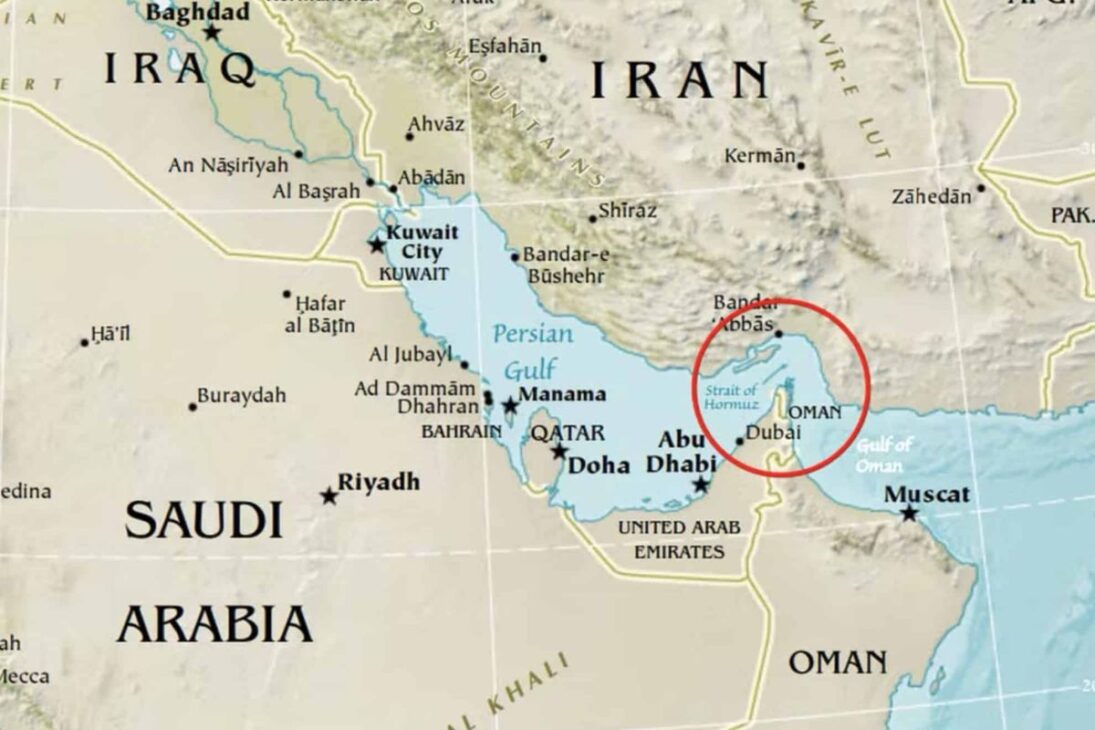
The Strait of Hormuz, a waterway less than 50 km wide between Iran and Oman, has once again become an epicenter of global tension. The rising instability in the Middle East and recent statements from the Iranian Parliament about a possible blockade of the passage have put Japan and South Korea on emergency alert.
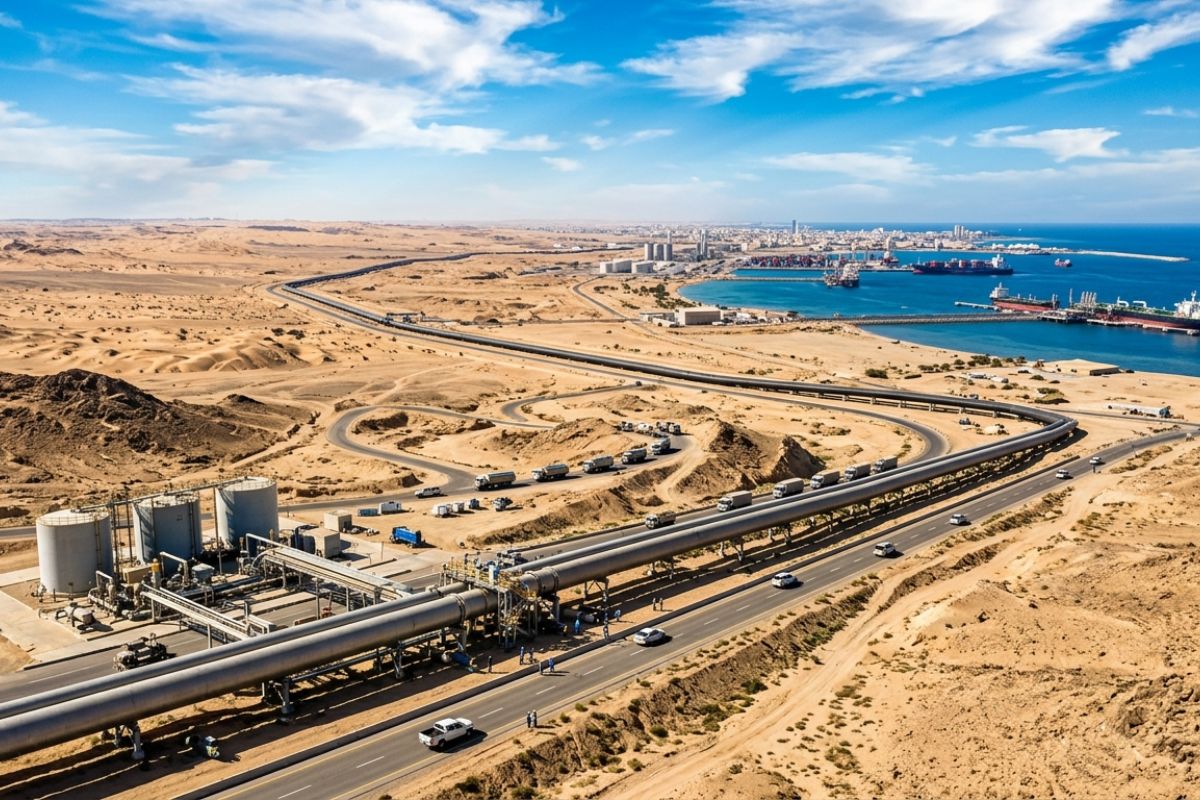
Both Asian nations are among the largest oil importers in the world — and more than 70% of that oil comes from the Middle East. The critical point is that almost all of these shipments pass through Hormuz, making this maritime chokepoint a strategic vulnerability for Eastern economies.
Japan: Reserves for 250 Days, But Full Alert
Japan, which imports more than 90% of its oil from the Middle East, has already been expressing concern over developments in the Gulf. According to the Japanese government, about 80% of the oil tankers supplying the country cross the Strait of Hormuz daily.
-
Petrobras evaluates suspension of sales to distributors and considers canceling the cooking gas auction following guidelines from the Federal Government.
-
Lula reveals a masterstroke by Petrobras to undo a deal made by Bolsonaro, which involves the return of an important refinery that currently produces less than half of what was expected and makes Brazil dependent on international diesel.
-
A study confirms that the natural gas sector will reduce greenhouse gas emissions in Brazil by 0.5% and accelerate the energy transition by 2026.

-
Petrobras implements a severe adjustment and confirms a 55% increase in the price of aviation kerosene with a proposal for installment payments for the companies.

In response to the potential shutdown, Tokyo activated its energy contingency plan, ensuring that the country has sufficient strategic oil reserves to cover national demand for 250 days. Still, the government acknowledges that a prolonged closure of the passage would affect not only supply but also prices and economic stability.
Companies like Nippon Yusen and Mitsui, giants of Japanese maritime transport, have instructed their oil tankers to reduce exposure time in the region and have increased surveillance, with real-time monitoring and data sharing with allied vessels.
According to the Japan Natural Resources and Energy Agency, the country is also studying strengthening its supply agreements with nations outside the Middle East, in an attempt to diversify its hydrocarbon import routes.
“We urgently need to diversify our sources and supply routes. Dependence on a single passage makes us vulnerable to any geopolitical instability,” stated Kingo Hyashi, president of the Federation of Electric Power Companies of Japan, in an interview with local media.
South Korea: Ready to Release Its Reserves
South Korea, in turn, has also adopted swift and stringent measures. The country imports about 70% of its oil from the Middle East, and nearly all of that volume crosses the Strait of Hormuz. The KNOC (Korea National Oil Corporation) began this week a 24-hour monitoring operation of the international oil market and is ready to release some of its strategic reserves if the worst-case scenario occurs.
Currently, South Korea has sufficient stocks to maintain internal supply for 206.9 days, a number above the recommendation by the International Energy Agency (IEA). In addition, the country has signed joint storage agreements with seven international companies, ensuring priority in the acquisition of up to 23.13 million barrels in emergency situations.
According to a statement from KNOC, the staged response system has already been activated, and all storage facilities have been inspected. The agency is also coordinating actions with private energy sector companies and seeking new suppliers in African and Latin American countries, such as Angola and Brazil.
Global Impacts and The Race for Alternative Routes
The possibility of a total or partial blockade of Hormuz is already causing effects in international markets. Brent crude oil surpassed US$ 89 this Monday, and experts warn that an escalation in the conflict could push prices past the US$ 100 barrier in the coming weeks. Asian stock markets, in turn, closed lower, reflecting investor nervousness.
In addition to Japan and South Korea, countries like India and Singapore are also monitoring the situation with concern. The International Crisis Group NGO warned that using the Strait as a tool of political pressure by Iran increases the risk of a new global energy crisis.
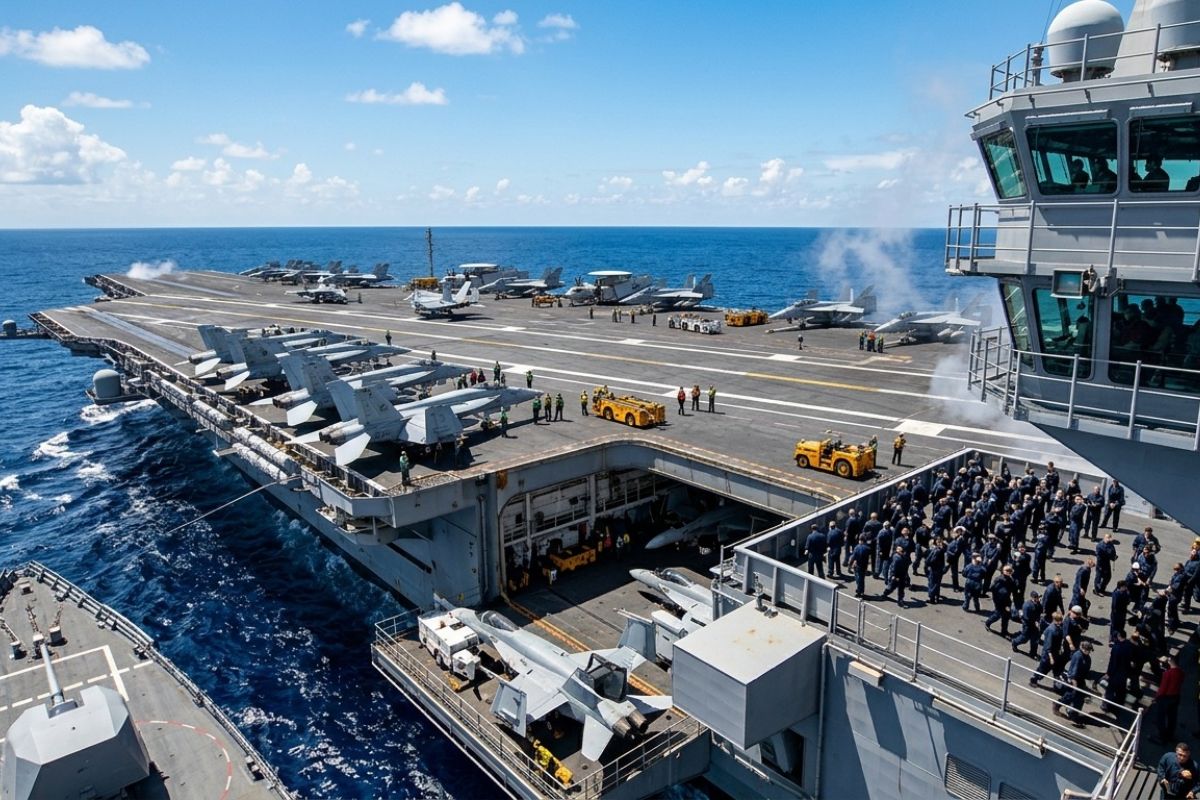
Meanwhile, the U.S. has reinforced its military presence in the Gulf, citing the need to ensure free navigation in the strait. The 5th U.S. Fleet, based in Bahrain, has intensified its patrols in the region.
“The threat to the free flow of oil through Hormuz is a direct threat to the global economy. The entire logistics chain is at risk,” stated energy analyst Jason Bordoff from Columbia University.
Conclusion: A Crisis That Rekindles The Energy Debate
The tension surrounding the Strait of Hormuz once again exposes the fragility of global energy security. Dependence on politically unstable regions, coupled with the concentration of maritime routes, forces countries like Japan and South Korea to rethink their energy matrices and invest in alternative solutions, such as liquefied natural gas, renewables, and even nuclear energy.
Although both countries have sufficient reserves to withstand the short term, geopolitical uncertainty raises alarms about the need to reduce exposure to external risks. The future of energy also depends on diversification and diplomacy.







Seja o primeiro a reagir!