





 Portuguese
  English
  Spanish
 4 min of reading
  0 comments


The New Seal Reinforces the Regional Identity of Pupunha Hearts of Palm, Highlights the Role of Farmers, and Shows How São Paulo Hearts of Palm Consolidates Sustainable Practices in the Ribeira Valley
The achievement of the geographical indication seal marked a new chapter for São Paulo Hearts of Palm, especially for the product originating from the Ribeira Valley, according to an article published.
The recognition, officialized on the last 18th of November by the National Institute of Industrial Property (Inpi), now represents the history, farming practices, and environmental commitment of a production chain formed predominantly by family farmers.
With over 1,800 producers cultivating about 10,000 hectares of pupunha, according to the Pupunha Producers Association of the Ribeira Valley (Apuvale), the territory has established itself as a reference in the country and now includes its 12th Geographical Indication, nine of which are directly linked to the São Paulo agribusiness.
-
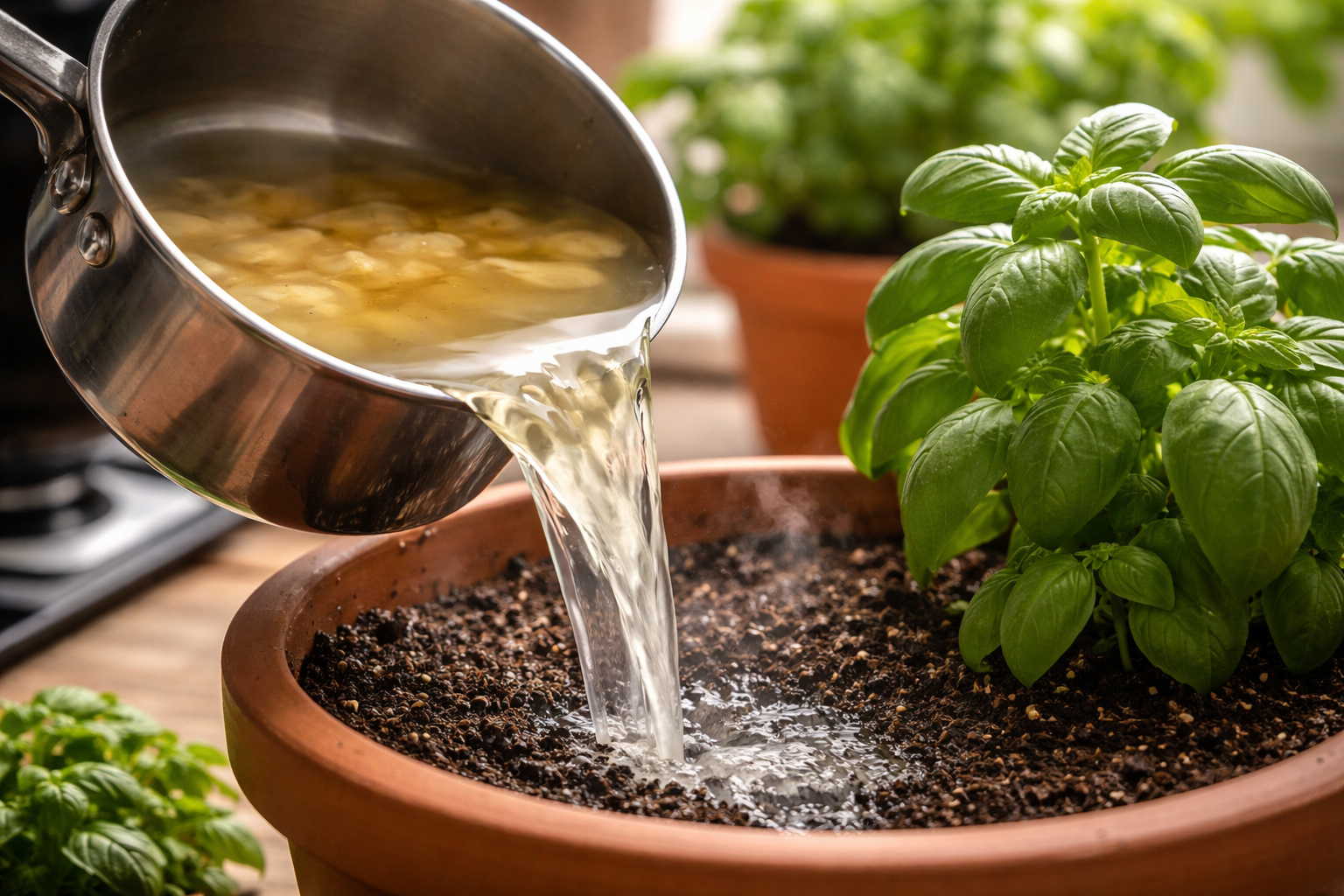
The water that almost everyone throws away after cooking potatoes carries nutrients released during the preparation and can be reused to help in the development of plants when used correctly at the base of gardens and pots, at no additional cost and without changing the routine.
-
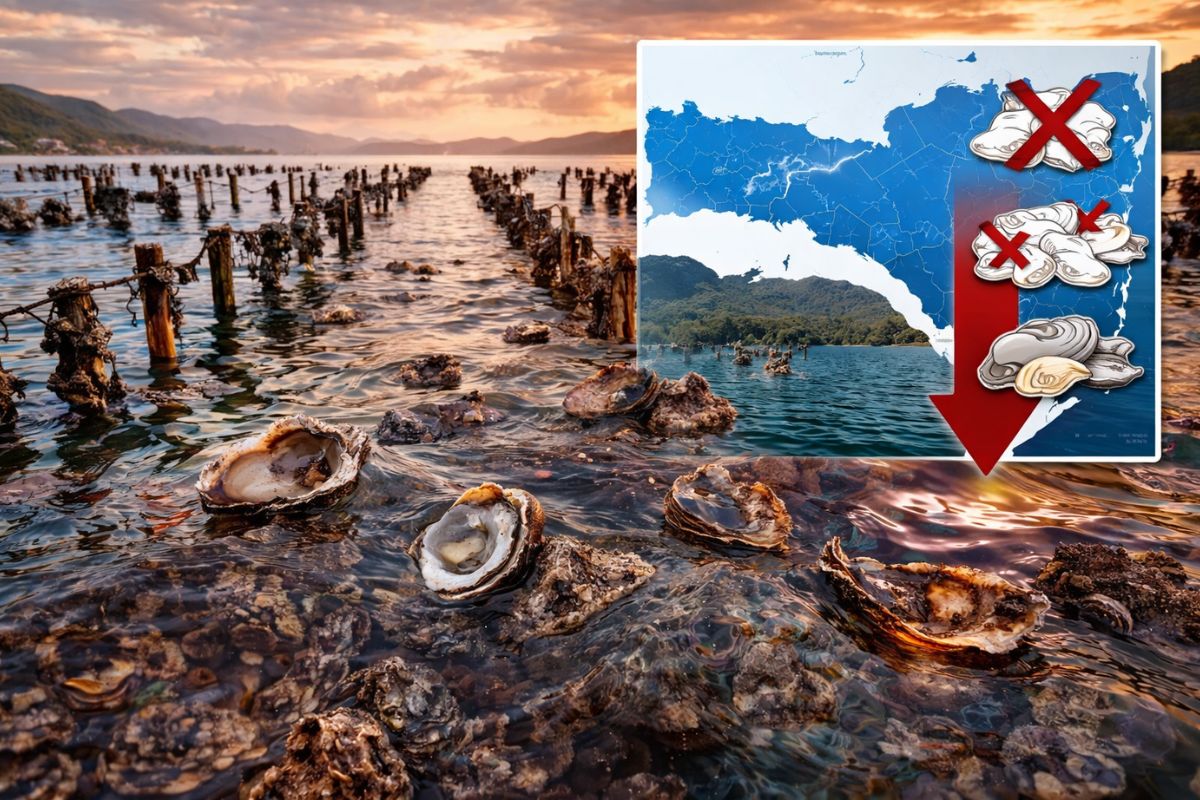
The sea water temperature rose from 28 to 34 degrees in Santa Catarina and killed up to 90% of the oysters: producers who planted over 1 million seeds lost practically everything and say that if it happens again, production is doomed to end.
-
An Indian tree that grows in the Brazilian Northeast produces an oil capable of acting against more than 200 species of pests and interrupting the insect cycle, gaining ground as a natural alternative in soybean, cotton, and vegetable crops.

-
The rise in oil prices in the Middle East is already affecting Brazilian sugar: mills in the Central-South are seeing their margins shrink just as ethanol gains strength.


The new seal also includes technical criteria and quality standards built in conjunction with the producers in the region.
Since 2019, the Ministry of Agriculture and Livestock (Mapa) has been monitoring the initiative, which started at a meeting in Registro to explain the concepts of GI and observe the processing carried out at Apuvale’s facilities.
With warm and humid climate favorable since the 1940s, pupunha has gained relevance for its regrowth potential, allowing multiple harvests without the complete removal of the palm tree, which differentiates it from species that were previously exploited through extraction, such as juçara and royal palm.
This factor has become central to position São Paulo Hearts of Palm pupunha as a sustainable alternative aligned with the practices required by the seal.
Geographical Indication of Ribeira Valley Strengthens Territorial Identity
The area recognized by Inpi includes 17 municipalities: Barra do Turvo, Cajati, Cananéia, Eldorado, Iguape, Ilha Comprida, Iporanga, Itariri, Jacupiranga, Juquiá, Miracatu, Pariquera-Açu, Pedro de Toledo, Registro, Ribeira, Sete Barras, and Tapiraí.
The headquarters of Apuvale remains in Registro, where a significant part of the production and processing occurs.
Producers who wish to use the seal must follow the traditional practices described in the specification notebook, a document prepared in conjunction with the farmers themselves and validated by the federal agency.
This standardization creates a quality benchmark for São Paulo Hearts of Palm that reinforces the reputation of the regional product.
Family Farmers of Hearts of Palm Take Protagonism in Certification
The certification of São Paulo Hearts of Palm highlights the role of family farmers, who are responsible for small-scale cultivation and maintaining techniques that value the territory.
According to the superintendent of Mapa in São Paulo, Estanislau Steck, certified production demonstrates how sector organization can result in increased income and cultural appreciation.
On the farms, pupunha is cultivated according to protocols that guide everything from management to transportation.
At the same time, the seal allows these workers to differentiate themselves in the market and conquer new commercial spaces.
Sustainability of Pupunha Guides the Processing of Canned Hearts of Palm in Producing Municipalities
The seal includes different formats: hearts of palm in stick, minimally processed or fully processed.
Conserved São Paulo Hearts of Palm can be marketed as logs, slices, palm strips, chopped, bands, spaghetti, rice, lasagna and other variations provided for in the GI regulation.
These standards expand market possibilities and support regional agro-industries, which have begun to integrate more organized processes aligned with legal requirements.
Mapa believes that this type of recognition stimulates the local economy, promotes social sustainability, and strengthens efficient production chains.
The increased visibility also stimulates practices that already characterize the Ribeira Valley, such as the adoption of environmentally safe systems and the maintenance of an agricultural culture linked to the climate and regional traditions.
The seal reinforces that responsible management of pupunha can ensure continuous harvests without negative impacts on the environment, allowing the sector to advance with a balance between production and conservation.
The diversity of formats and the traceability associated with the GI strengthen the product’s presence in retail networks, fairs, and specialized markets.
With the certification, producers and agro-industries are able to operate in an even more integrated manner, increasing marketing opportunities and adding value to the history and culture that shaped São Paulo Hearts of Palm.








Seja o primeiro a reagir!