





 Portuguese
  English
  Spanish
  4 min of reading
  0 comments


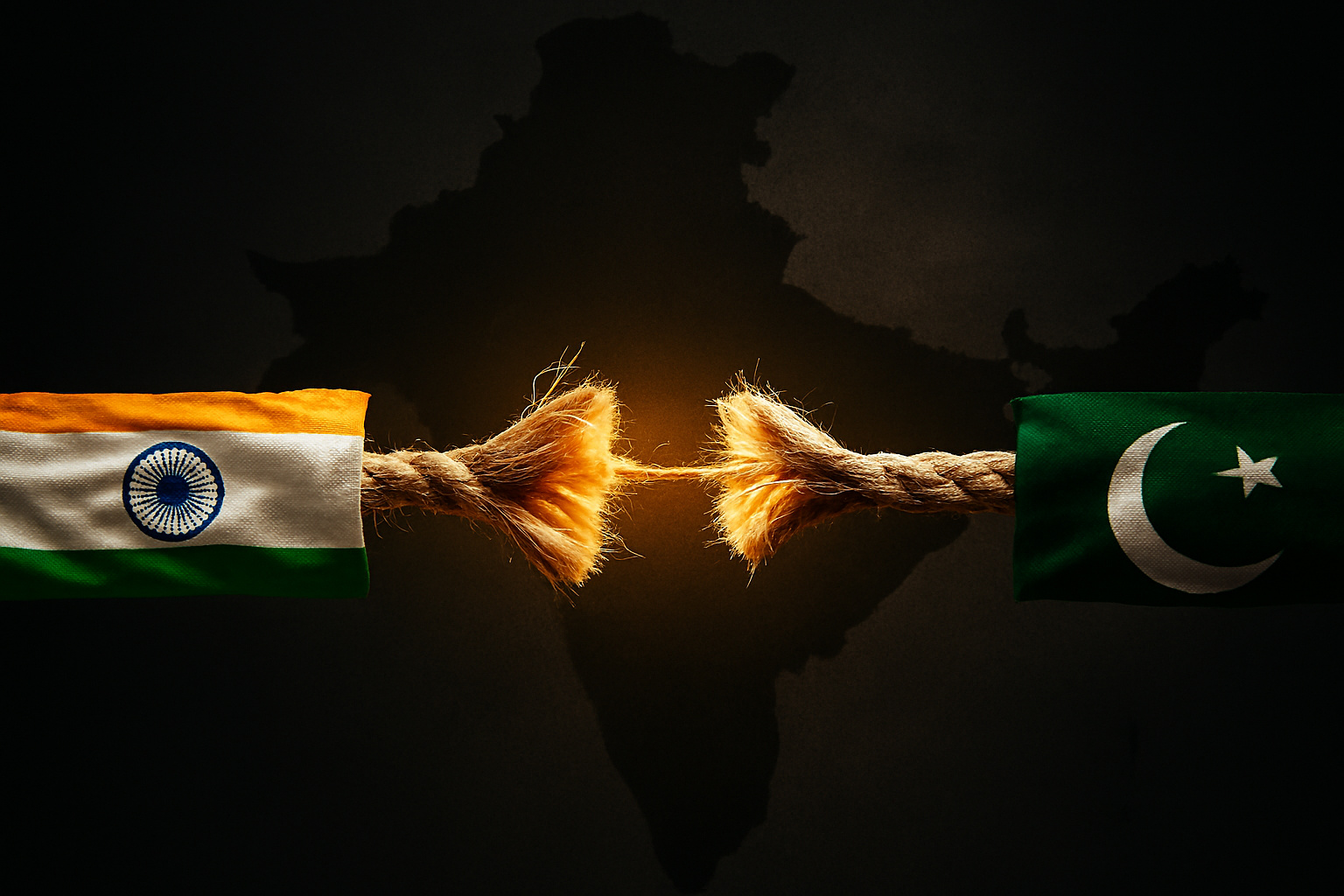
Historical Rivalry Between New Delhi and Islamabad Gains New Chapter, With Trade Restrictions, Consumer Boycotts, and Climate of Distrust That Threatens the Regional Economy.
The relationship between India and Pakistan is marked by decades of political, military, and territorial conflicts, especially concerning Kashmir. In 2025, the situation worsened again, with exchanges of accusations, targeted attacks, and trade restrictions directly impacting the populations of both countries.
At the center of the crisis, movements for boycotts and economic retaliation emerged, reflecting the escalation of diplomatic tension. While India adopts formal measures against Pakistani imports, sections of Pakistani society are also ramping up pressure against products coming from New Delhi.
India Tightens Trade Restrictions
In recent months, India has taken drastic measures to restrict trade with Pakistan. These include:
-
Mothers and daughters come together, create an ‘express’ beauty salon and turn the idea into a network with 21 units, revenue of R$ 16.7 million and 12,000 subscribers.

-
End of the 6×1 schedule: how the reduction of hours can affect service companies, industry, and agribusiness.

-
Brazil Ignores Trump’s threats to BRICS, Buys 42 tons of gold and reduces the Dollar’s share by 6.45% in international reserves.
-
Havan buys historic football land in Blumenau for a million-dollar amount protected by a confidentiality clause and is already planning to change even the layout of streets to build a megastore in half-timbered style costing 80 million reais.

- Closing border points used for transporting goods;
- Blocking sea and air routes for Pakistani goods;
- Banning the entry of strategic products, such as textiles and agricultural inputs.
These decisions came after new episodes of violence in the Kashmir region, reigniting friction between the two countries.


Reaction of Pakistan
On the other side, Pakistan, with its population of about 241 million inhabitants, has also begun to adopt retaliatory measures. Although there is still no official large-scale boycott against Indian products, nationalist sentiment is growing that pressures businesses and consumers to reject goods coming from New Delhi.
Furthermore, Islamabad has already suspended some Indian imports in specific sectors and has even restricted airspace for aircraft from the neighboring country. These gestures have more political than economic effect, but they reinforce the escalation of hostility.
Trade in Free Fall
Bilateral trade, which has been declining since 2018, has been further impacted by the current wave of tensions. To give an idea:
- In 2018, trade amounted to about US$ 3 billion;
- By 2024, this number had plummeted to US$ 1.2 billion;
- In 2025, analysts project a further drastic reduction, with losses for exporters on both sides.
Indian companies in sectors like pharmaceuticals, agriculture, and consumer goods report difficulties accessing the Pakistani market. On the other hand, Pakistani producers are losing one of the closest and most strategic trade routes to export their production.
Popular Sentiment and Nationalism
More than official measures, what stands out is the popular sentiment for boycott. On social media, campaigns urge Pakistanis to avoid consuming Indian products, while influencers and local organizations reinforce discourses of economic independence.
This movement, although fragmented, could gain strength and transform into a massive boycott, especially if new military or diplomatic episodes occur in Kashmir.
Regional Impacts
The trade tensions between India and Pakistan do not only affect the two countries. The climate of hostility could jeopardize the economic integration of South Asia, affecting:
- Regional agricultural market, as both rely on the export and import of inputs;
- Logistical corridors, also used by neighboring countries like Afghanistan and Bangladesh;
- Political stability, as trade often serves as a tool for dialogue and diplomacy.
International organizations warn that the escalation could amplify instabilities in one of the most populous and strategic regions on the planet.
What to Expect From Here On
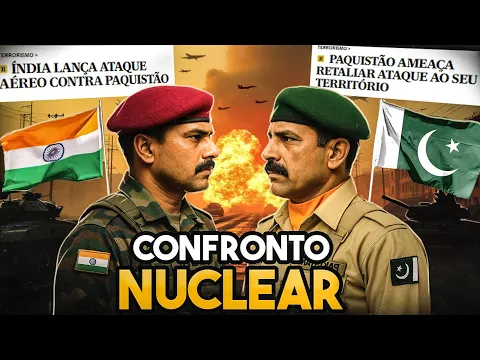
Experts assess that, without progress in political dialogue, the trend is for deepening economic distancing between India and Pakistan. The nationalist pressure from both sides reduces the space for negotiations and increases the risk of widespread boycotts, which could harm not only governments but also millions of workers and businesses.
Nevertheless, the international community — including partners like the United States and the European Union — is pushing for both countries to avoid a complete rupture.
The alleged boycott against Indian products in Pakistan should be understood within a larger context: that of a historical rivalry that has regained strength in 2025. Although there is still no mass official prohibition from Islamabad, the climate of commercial and diplomatic hostility is evident.
With nearly a quarter of a billion inhabitants, Pakistan is a strategic market. If trade barriers are consolidated, both it and India will experience deep impacts on their economies and regional stability.
More than ever, the dispute goes beyond geopolitics and begins to directly affect the lives of millions of people on both sides of the border.






-

2 pessoas reagiram a isso.