





 English
  Francês
  Alemão
  Italiano
  Japonês
  Norueguês
  Portuguese
  Spanish
 3 min of reading


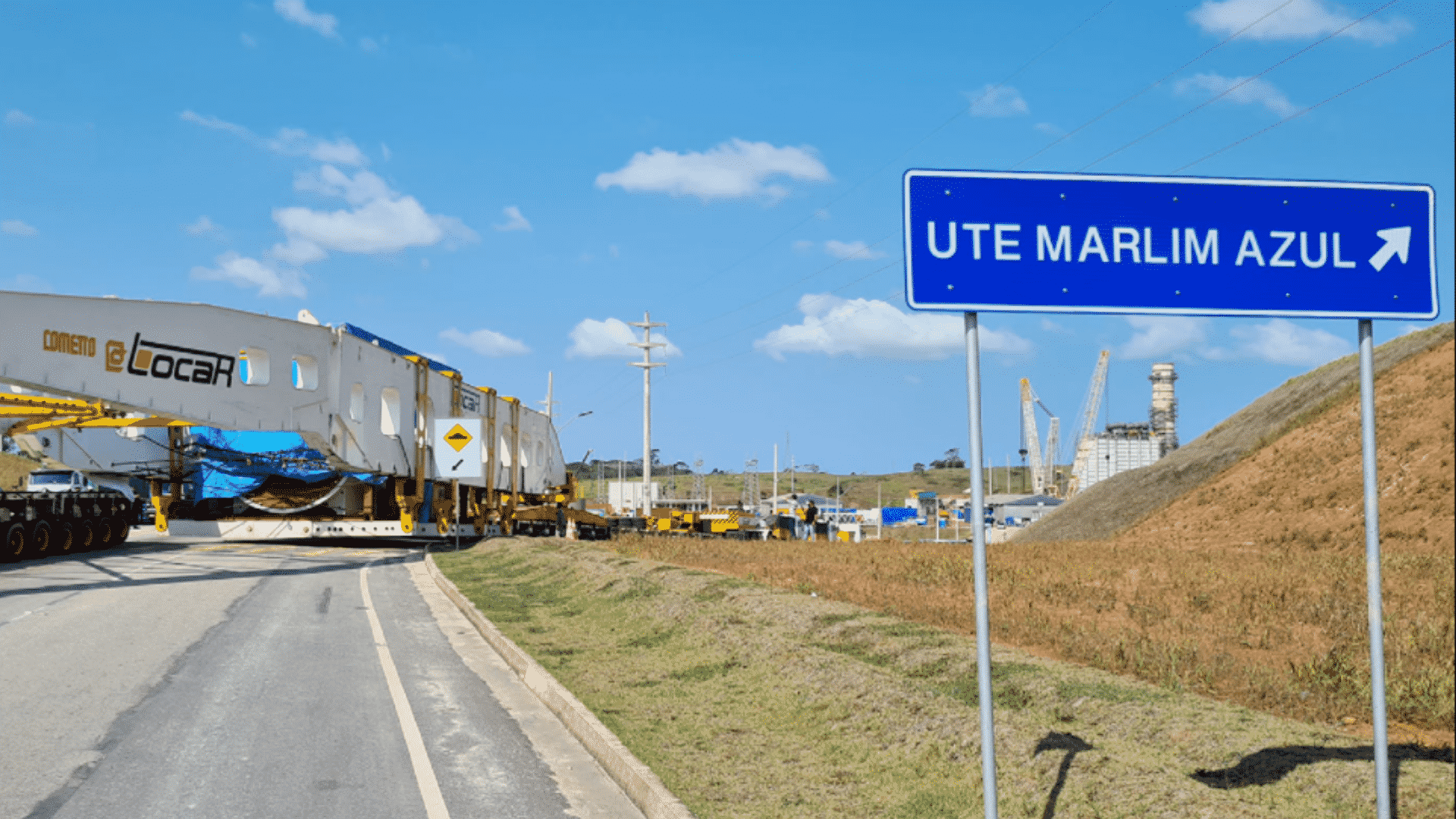
The Thermoelectric Plant Will Use Natural Gas from the Pre-Salt in Macaé, Which Will Be Able to Offer Electricity at the Same Price as Hydroelectric Plants in 2023.
With the water crisis and the importation of electricity becoming a reality, the news of the first thermoelectric plant specialized in adding value to Pre-Salt oil by generating energy with natural gas, a component of these commodities abundant in Brazil, is excellent news, especially for Macaé, which has been rising significantly with energy and social engineering projects in 2021.
Also Read on Our Portal
- Macaé, Búzios, and Arraial do Cabo Receive the Highest Royalties Collection in Brazil’s History
- Marlim Azul Thermoelectric Plant in Macaé Is 70% Complete and Will Be Operational in 2023
- Petrobras and Shell Brazil Enter the Competition for the Second Round of the onerous Assignment that Will Offer the Areas of Sépia and Atapu of the Pre-Salt
- In Light of the Water Crisis, Thermoelectric Plants Have Been the Escape for the Electrical System
The thermoelectric plant will be installed in Macaé-RJ and will bring more jobs and development to the area, both with its construction throughout 2022 and with its operation starting in 2023.
Let’s talk a little more about the project, what is expected from it, and what the future thermoelectric projects for the region are, which has much potential for growth in this regard!
-
Brazilian giant expands borders in the Southeast: Petrobras confirms new oil discovery in ultra-deep waters in the pre-salt of the Campos Basin.

-
Alert in the global energy market: Severe tropical cyclone hits the coast and disrupts gas production at major plants in Australia, threatening global supply.

-
Petrobras finds high-quality oil in the pre-salt at 113 km from RJ and reignites expectations about strategic reserves in the Campos Basin.

-
Ocyan opens registrations for startups focused on innovation in the oil and gas sector and will select projects for Innovation Day with the support of Nexio.



What Do We Know About This New Plant So Far?
The new thermoelectric plant will be called Marlim Azul, and it was developed by the company GVA, which works interestingly in these ventures. Creating a partnership with large companies for the development of thermoelectric plants in the Macaé region and then, when the plant enters the final investment decision phase, the company sells its stake to other participants.
By using this strategy, the GVA group can bring to life a series of infrastructure projects that exceed its investment capacity and maintains an interesting workflow, always being involved in the early stages of the process, and when the project enters the capitalization phase, the group exits the business, selling its share, and moves on to the next development.
More than half of the construction is already complete, and the majority of the machinery needed for this thermoelectric plant is already in Brazil, which allows it to be ready for operation within the scheduled timeframe if the timeline is maintained.
Its total energy generation capacity is 565 MW, enough to supply a city of around 2.54 million inhabitants.
Why Was the Thermoelectric Plant Installed in Macaé?
The thermoelectric plant was installed in Macaé to precisely take advantage of the natural gas from the Pre-Salt, which so far has not been explored at its source. Since exploration is carried out by Shell, involved in the project as one of the partners, the idea is for this enterprise to produce thermoelectric energy at a lower cost than the competition.
This is because with Petrobras’s current policy of pricing parity with the international barrel, it charges a dollar amount for the gas used for energy generation, which increases the value of the MW that this new consortium will be able to achieve.
In other words, this thermoelectric plant will remain active most of the time because its prices will be more attractive, and it will frequently win energy auctions offered by the government.
“We lowered the price (of megawatt-hour, MWh) and will always be called. Our energy is cheaper than that of hydroelectric plants, and the expectation is to dispatch more than 80% (of capacity),” said Bruno Chevalier, president of Marlim Azul.









Seja o primeiro a reagir!