





 English
  Francês
  Alemão
  Italiano
  Japonês
  Norueguês
  Portuguese
  Spanish
  4 min of reading


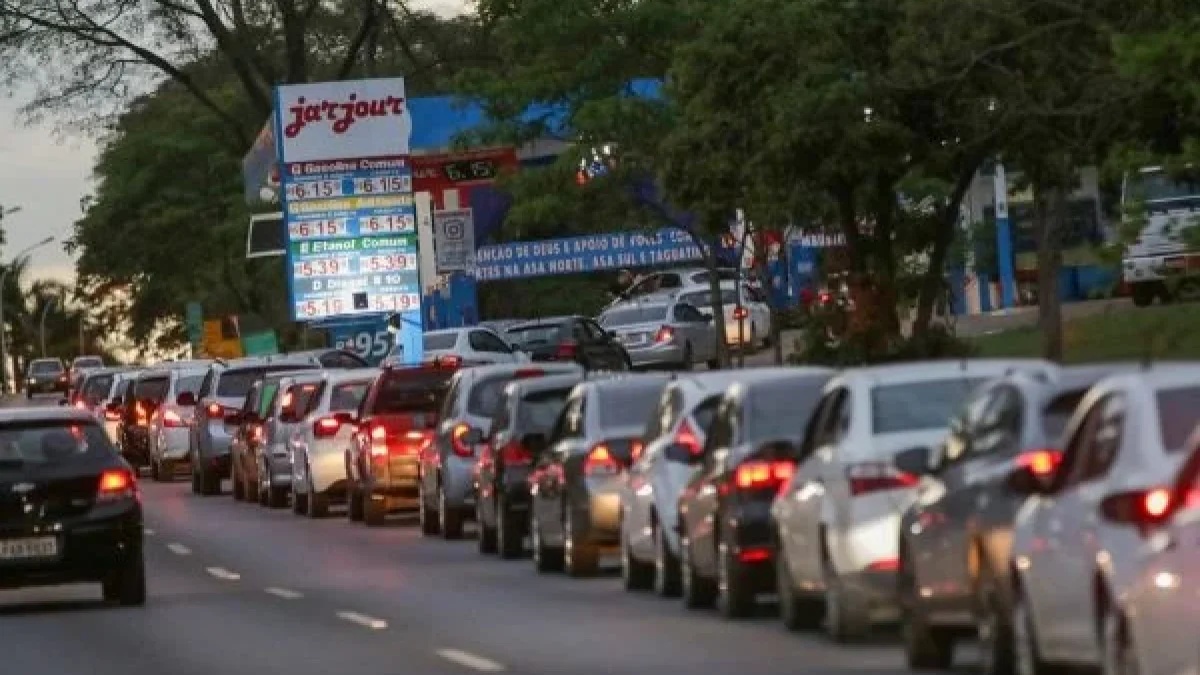
Even Having to Face Lines and Pay More for Gasoline than Argentine Consumers, Brazilians Cross the Border to Fill Up Their Vehicles
To avoid the new increases and skyrocketing fuel prices charged by Petrobras, Brazilians have been going to gas stations in Puerto Iguazú, Argentina, on the border with Foz do Iguaçu (PR), enduring wait times of up to four hours to buy cheaper gasoline.
The high demand from Brazilians for gasoline is already causing fuel shortages for local residents. According to the UOL newspaper, the five gas stations in the city of 80 thousand inhabitants are unable to meet the demand because they have started receiving less gasoline and diesel following the rise in oil prices.
Even Being ‘Forced’ to Buy Additive Gasoline and Pay Around R$ 6.82, Brazilians Pack Gas Stations and Nearly Cause Fuel Shortages in Puerto Iguazú
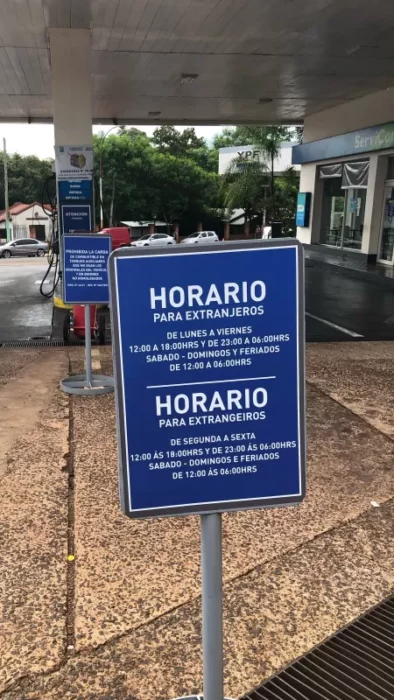
In Puerto Iguazú, foreigners are ‘forced’ to refuel their cars with additive gasoline, which is more expensive. While local residents pay around R$ 5.17 to R$ 5.56 per liter of additive gasoline, Brazilians and Paraguayans pay around R$ 6.65 to R$ 6.82, depending on the exchange rate.
-
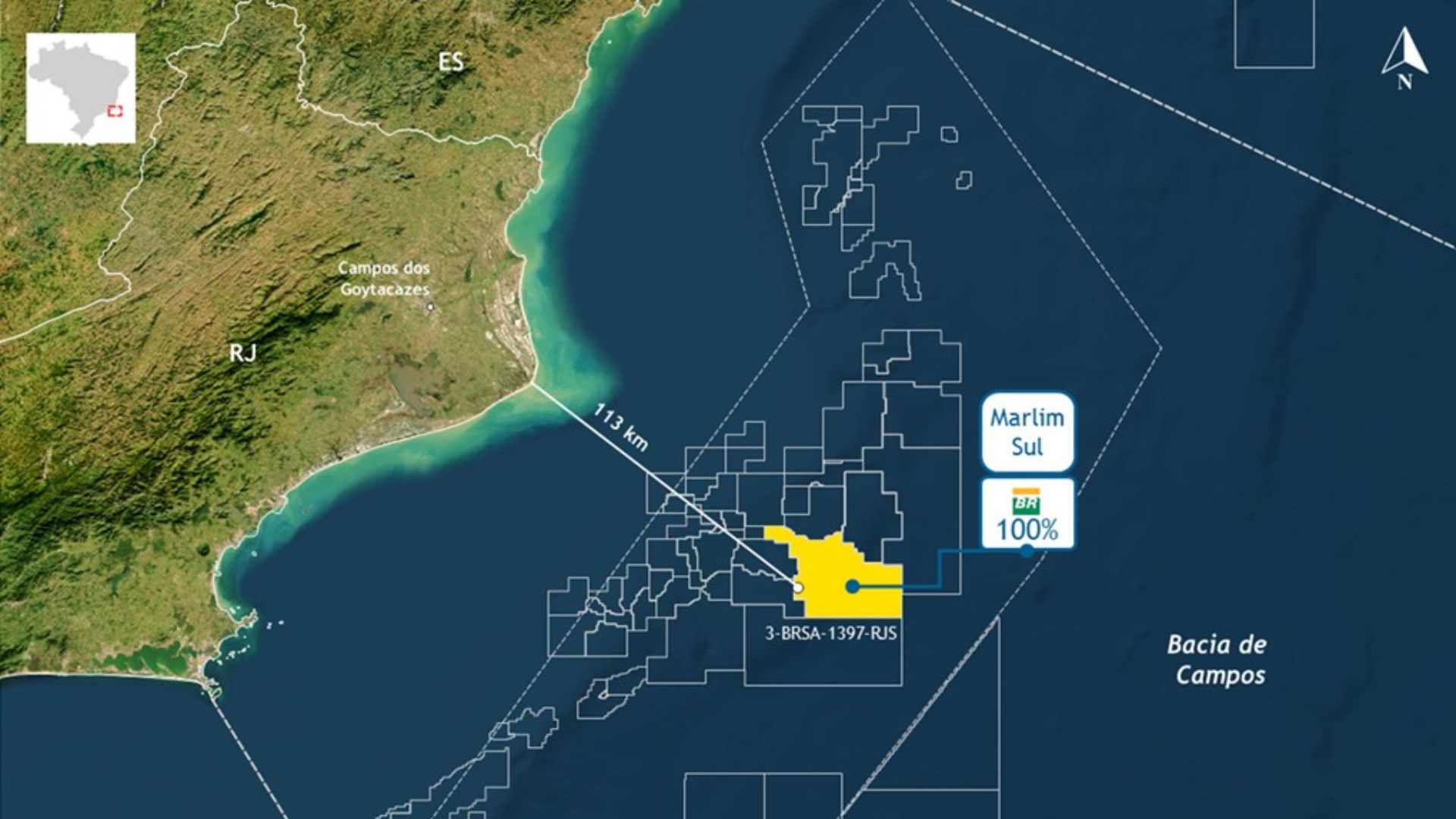
Petrobras finds high-quality oil in the pre-salt at 113 km from RJ and reignites expectations about strategic reserves in the Campos Basin.

-
Ocyan opens registrations for startups focused on innovation in the oil and gas sector and will select projects for Innovation Day with the support of Nexio.

-
Petrobras announces new oil discovery in the pre-salt of the Campos Basin and reinforces Brazil’s prominence with high-quality reserves that can increase production and energy revenues.
-
Alert in the fuel market: Analysts and a former director of ANP warn that oil prices may worsen in the coming months due to global instability.

In Brazil, the price of additive gasoline averages R$ 7.30 per liter, potentially reaching R$ 7.49 in Foz do Iguaçu.
In addition to only being able to buy additive gasoline, Brazilian drivers must also meet other requirements. They can only refuel up to 40 liters per tank and must adhere to designated hours set by the gas stations. Pumps are available for foreigners only from 12 PM to 6 PM and from 11 PM to 6 AM on weekdays, and from 12 PM to 6 PM on weekends and holidays. At the gas stations, there are separate lines for Argentines and foreigners, and some establishments do not sell fuel to Brazilians.
However, according to UOL, despite all the difficulties, for some drivers, crossing the border is still worth it. The lines to refuel are not limited to Brazilians. With fuel in short supply, Argentines sometimes have to wait hours until the gas stations receive gasoline.
Despite the ‘inconvenience’ of sometimes waiting four hours in line to buy gasoline, Puerto Iguazú resident and builder Miguel Valverde told UOL that the presence of Brazilians is welcome in the city because it boosts commerce and generates revenue.
High Demand for Fuel Creates Black Market in Puerto Iguazú
Due to the high demand for gasoline purchases, a black market has developed in Puerto Iguazú. According to Brazilian drivers who venture to refuel in the neighboring country, when fuel runs out or the hours for foreign refueling come to an end, gasoline vendors circulate near the lines to offer the product at a slightly higher price than at the gas stations.
In addition to Puerto Iguazú, other gas stations in Argentina are facing shortages due to the high demand for the input. A representative of the Fuel Chamber of the province of Misiones, Faruk Jalaf, states that the shortages affect other municipalities in Argentina because there is not enough production in the country to meet the demand. In addition, he argues that in the case of Puerto Iguazú, located in Misiones, the situation is worse because the fuel quota allocated to the city is smaller compared to other municipalities in the country, and the demand from Brazilians and Paraguayans is large.
Jalaf explains that this is why the price at the border is generally higher than in other locations in Argentina. “Only about 3% of residents in Foz do Iguaçu take all the gasoline.” Jalaf also states that the oil companies operating in the country prefer to export the product rather than sell it in the domestic market because the prices do not cover the production costs. “The only ones who suffer the consequences are the gas stations, because their prices are frozen.”
At the end of 2021, the price of gasoline in Argentina cost a little over R$ 3.40, but with the rise in the price of oil, within a few months, the fuel jumped to nearly R$ 6.
In Brazil, it is more expensive since there is no price mediation for fuels since the government of former President Michel Temer. “With the war, we suffer because there is no mediation. The government opted to let prices be determined by the market.”









Seja o primeiro a reagir!