





 Portuguese
  English
  Spanish
  4 min of reading
  0 comments


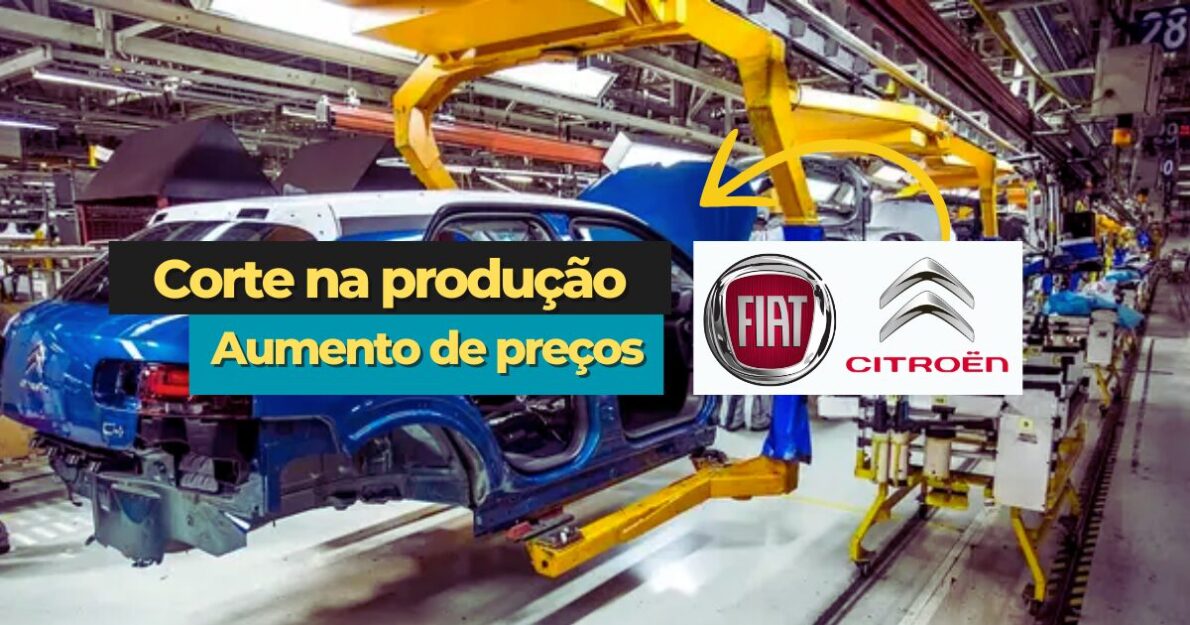
Stellantis Cuts Production And Raises Prices Of Internal Combustion Cars In Europe, Aligning With New Environmental Rules And Boosting Electric Vehicle Sales.
Amid new and stringent CO₂ emission standards in Europe, Stellantis, one of the largest automotive conglomerates in the world, is preparing to implement an unprecedented and surprising measure: production cuts and price increases.
The intention behind this strategy, however, is not exactly what it seems, and the automaker is already taking the first steps to adjust its portfolio in response to the new legislation that requires lower emissions.
Beginning in January 2025, Stellantis will be impacted by stricter carbon emission standards, which could financially penalize the group if there is not a radical change in the composition of its fleet.
-
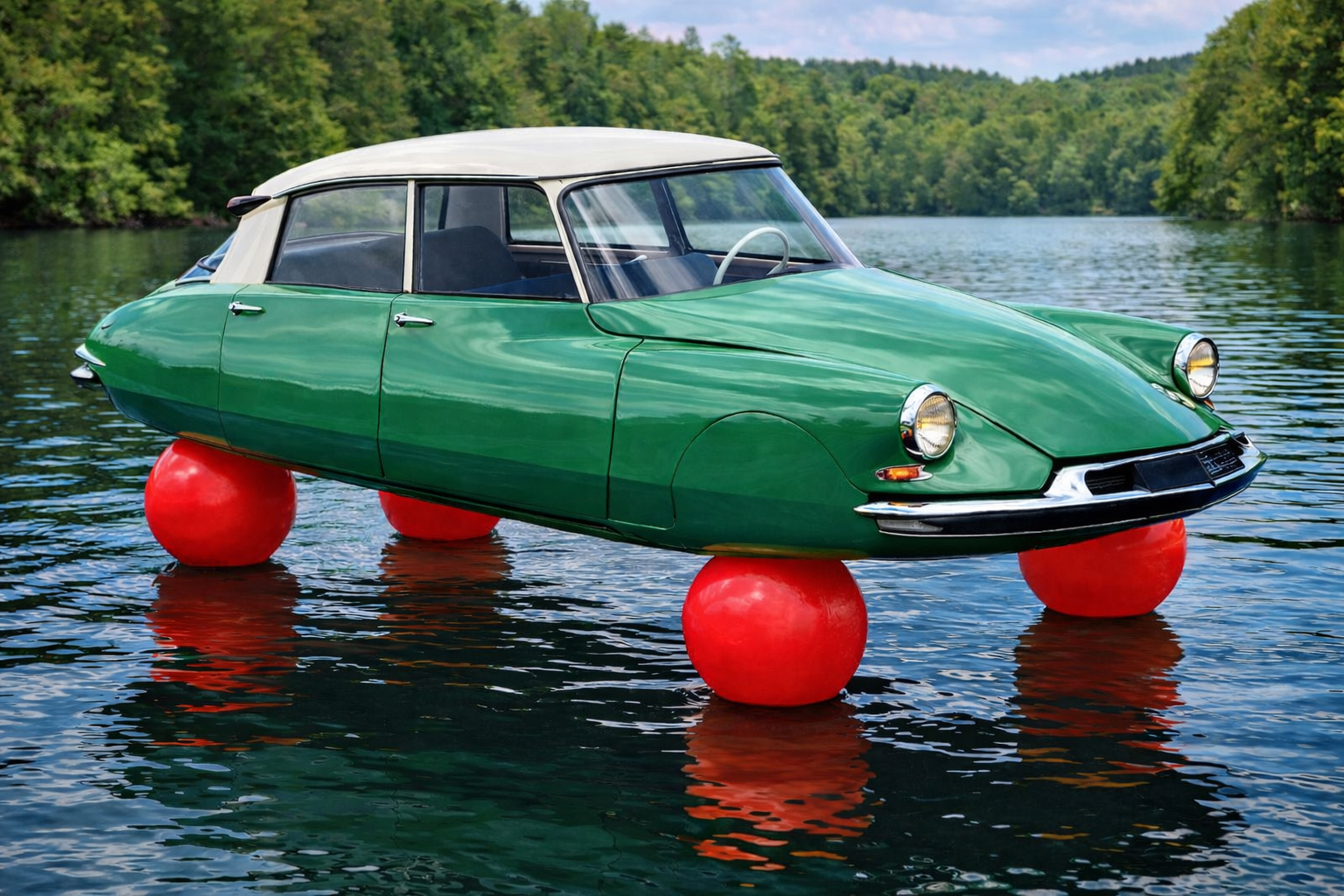
A French brand placed a car on four huge red balloons to prove that its suspension made the vehicle “float,” and the surreal scene became one of the most iconic and unusual images in automotive history.
-
Jeep Avenger begins production in Brazil, debuting as the brand’s new entry-level SUV and inaugurating an unprecedented phase by becoming the first national Jeep manufactured outside of Goiana, as part of a R$ 3 billion plan.
-
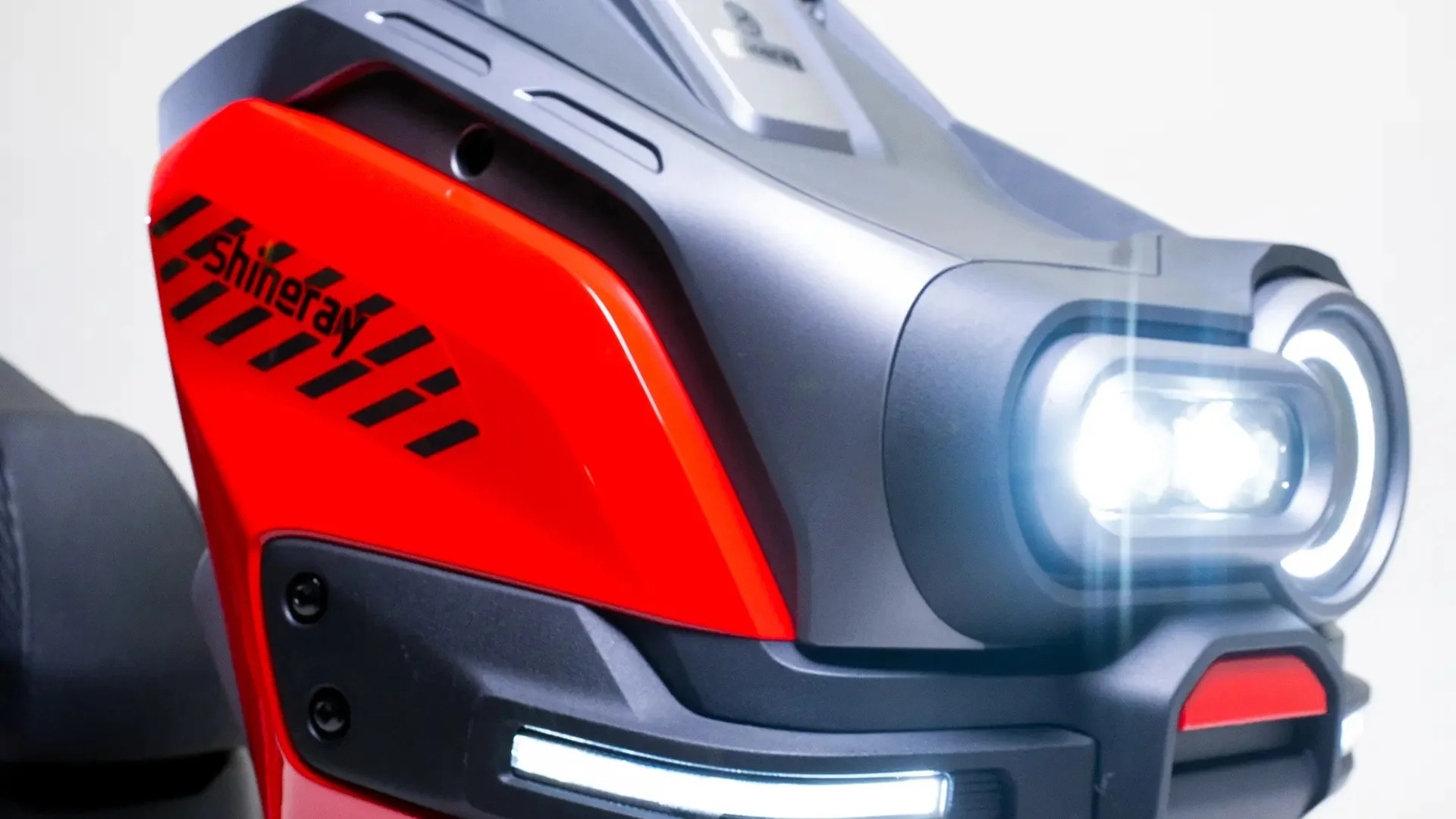
Costing R$ 12,490, the new Shineray Urban Lite 150 “cheap one” arrives in Brazil with a CVT transmission, digital dashboard, and LED lights, making it more affordable than the Biz and targeting those who want to abandon the bus.
-
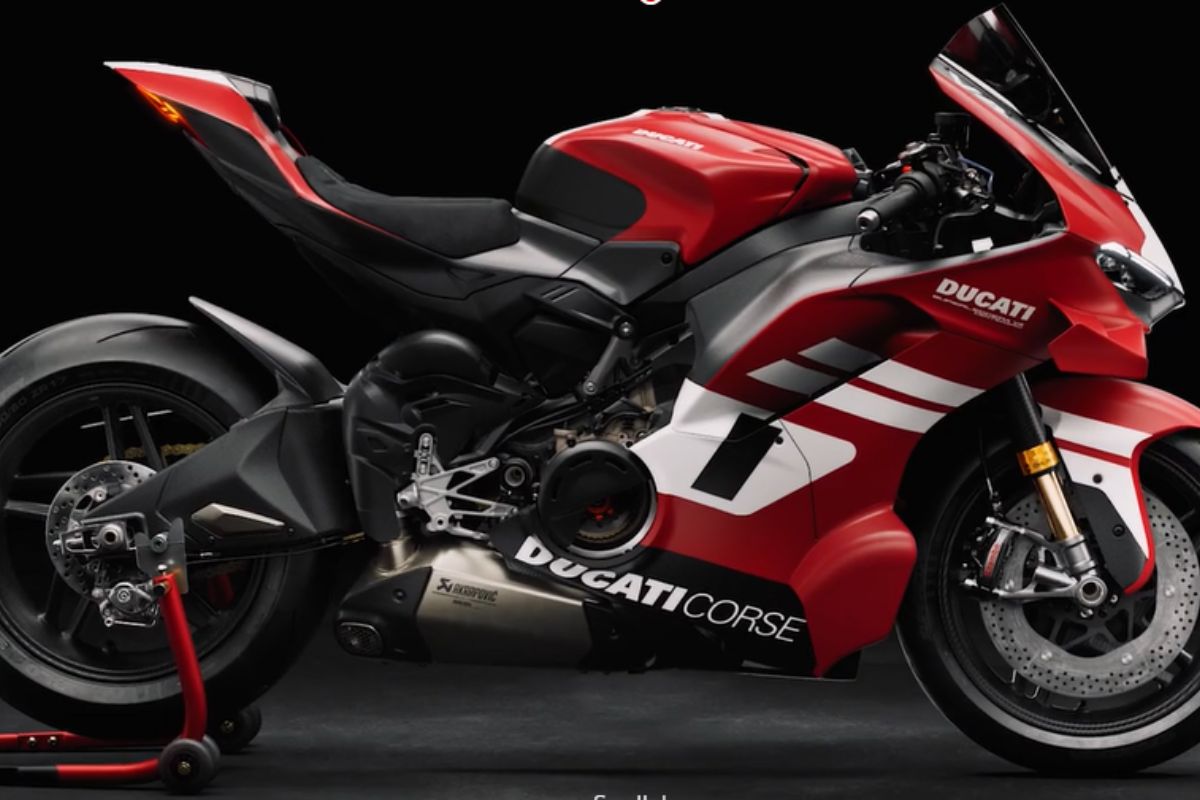
Ducati brings to Brazil the Superleggera V4 Centenario: 228 hp that become 247 with a track kit, carbon fiber and carbon-ceramic brakes, estimated price between R$ 1.5 and 2 million, deliveries only in 2027.

The European Union has mandated that the average emissions of automaker vehicles must drop from 106.6 g/km to 95 g/km, and any emitter above this value will incur a significant fine of 95 euros per gram over the limit per vehicle.
The conglomerate is already preparing actions to adapt to this requirement, including increasing the number of electric cars and reducing the production of internal combustion vehicles.
Pressure From European Standards
The decision by Stellantis to reduce the production of internal combustion vehicles is not merely voluntary.
The company faces the challenge of adjusting its fleet to the 95 g/km limit for CO₂ emissions, according to the new EU rules.
Jean-Philippe Imparato, the newly appointed director of operations for the company in Europe, recently revealed that Stellantis is committed to meeting the requirements and that, to achieve this, it will double electric vehicle sales by 2025, reaching a 24% share of the battery-powered vehicle market.
The automotive conglomerate plans to drastically reduce the production of internal combustion vehicles in Europe if the demand for electric models does not grow as expected.
This measure, according to Imparato, could start to be implemented as early as November to ensure that production is aligned with the new standards by the beginning of 2025.
Market Changes And Price Increases
To encourage the transition to electric vehicles, Stellantis not only wants to reduce the production of internal combustion models but also plans to adjust the prices of these cars.
The goal is to make gasoline and diesel-powered models less attractive, encouraging consumers to opt for electric vehicles.
This strategy may vary depending on the market. Countries like the Netherlands, where electric vehicles are already well accepted, will likely see more incentives to boost sales of these models.
In markets resistant to electrification, such as Italy, the conglomerate will take other approaches, such as reducing the supply of internal combustion vehicles and implementing specific price increases for these models.
Stellantis And The Impact In Brazil
Although the new European environmental standards do not directly affect the Brazilian market, Stellantis will also have to make adaptations here due to the guidelines of Proconve L8.
Starting in 2025, all 1.0 turbo models from the company will need to include some type of hybrid technology as a measure to meet local emission standards.
This change, according to analysts, may impact the price of these vehicles in the country and encourage the hybrid market.
Carlos Tavares, CEO of Stellantis, reiterated the group’s commitment to regulatory changes and expressed support for European environmental standards, highlighting the importance of meeting emission reduction targets without postponement.
Investments In Electric Vehicles And Infrastructure
To achieve the goal of doubling electric vehicle sales, Stellantis will also need to invest in infrastructure and consumer incentives.
The strategy includes a series of stimuli directed towards employees in the distribution chain — salespeople, managers, and dealers — to boost the sale of battery-powered vehicles.
Another approach will be to offer benefits in strategic regions where acceptance of electric vehicles is higher.
In addition to internal incentives, Stellantis plans to continue developing affordable electric models to compete with internal combustion cars, which are still cheaper in traditional markets.
Strategic Changes To Overcome The Challenges Of New Rules
The changes imposed by the European Union require significant adaptations from the entire automotive industry.
For Stellantis, which includes brands such as Fiat, Peugeot, Citroën, Dodge, Jeep, and Lancia, the challenge will be to reconcile this transition with the still high demand for internal combustion vehicles.
At the same time, Stellantis will try to anticipate the financial impacts of these new rules, especially if fines for excessive emissions prove burdensome for the group.
Therefore, the focus on electric and hybrid vehicles also reflects a strategy to mitigate the risks of regulatory sanctions.
The Future Of Stellantis In A Transforming Market
The outlook for Stellantis in Europe illustrates the impacts of the new environmental guidelines on large global automakers, forcing them to adopt previously unthinkable strategies.
The increase in prices and the reduction in the production of internal combustion vehicles are just the first steps in a long journey to meet the expectations of a more sustainable future.
This transition, however, could have unexpected effects across different markets.
Countries where the infrastructure for electric vehicles is still limited may face difficulties in adapting, while more advanced regions in this regard may accelerate the pace of electrification.
And you, do you think automakers should invest more in electric cars or maintain internal combustion options for traditional markets? Comment below!









Seja o primeiro a reagir!