





 Português
  Inglês
  Espanhol
 3 min de leitura


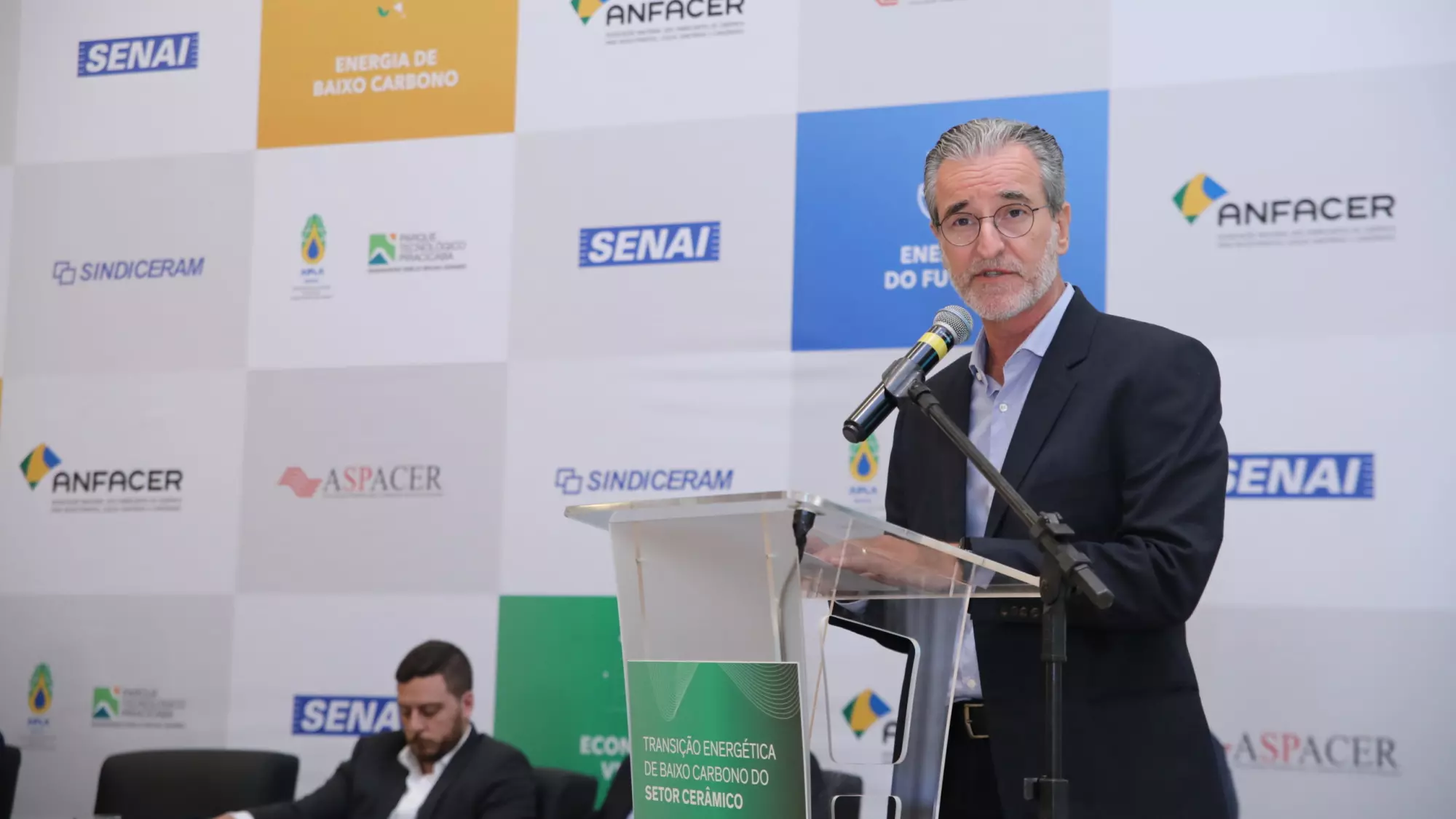
A Startup Project Foresees The Supply Of Biogas To Ten Ceramic Factories In The Industrial Pole Of Santa Gertrudes. The Ceramic Industry Of São Paulo Is Currently Feeling The Impacts Of High Oil Prices In The National Market.
Aiming for a viable alternative to high oil prices in the current scenario, the ceramic industry of the state of São Paulo is targeting a biogas market in the region. The insertion of the fuel in the segment is a strategy that minimizes environmental impacts and protects against the volatility of product prices in the international market. Associations representing the ceramic industry are already mobilizing for a project to supply the fuel to São Paulo factories.
Ceramic Industry Of São Paulo Moves To Develop A Biogas Market In Response To High Fuel Prices Currently
The main objective of the ceramic industry in São Paulo is currently to replace 50% of the industrial demand for natural gas with biogas. To achieve this, industry associations are working to develop a market for the fuel in the coming years.
The supply for the industrial pole of Santa Gertrudes, located in the interior of São Paulo, is the current focus of a pilot project for supplying the fuel to the ten factories that make up the complex.
-
Renewable energy advances over protected areas in Brazil, and a survey by the Energy Transition Observatory reveals silent impacts that challenge environmental conservation and pressure sensitive traditional territories.

-
The Economist states that Brazil has a “secret weapon” against expensive oil and highlights how the country can reduce economic impacts even in international scenarios of high volatility.

-
Rio Grande do Sul accelerates energy transition: State invests in renewable technologies and consolidates decarbonization strategies and pathways to attract billions in new industrial investments.

-
With 160,000 m² of collectors, an area larger than 20 football fields, Silkeborg, in Denmark, hosts a solar thermal plant that heats 19,500 homes and could become the largest solar heating plant in the world.


With the development of a biogas supply chain in the state, the ceramic industry can protect itself from high oil prices in the international segment.
Last Friday, an agreement was signed between sugar and ethanol producers and industrial consumers to develop the biogas market in the state.
Among the main representatives of the ceramic industry in São Paulo, the signing included the National Association of Ceramic Manufacturers (Anfacer), the São Paulo Association of Ceramic Coatings (Aspacer), and the Union of Ceramic Industries (Sindiceram).
Geo Biogas & Tech will be responsible for supplying the biogas technology in the paulista complex plants.
The use of biogas in natural gas plants in response to the national oil sector is already a reality in other states of the country, like Ceará.
In São Paulo, the market is still being built from the plants with the network of Comgás and GasBrasiliano.
Beyond An Alternative To Oil Prices, The Biogas Market In SP’s Ceramic Industry Will Contribute To The Carbon Footprint In The State
Even with the aim of seeking an alternative to high national oil prices, the development of a biogas chain in the ceramic industry could bring other significant benefits to the state of São Paulo.
Among them is the contribution to minimizing the carbon footprint in the segment, as highlighted by Anfacer’s president, Benjamin Ferreira Neto: “It will be a huge gain in the sustainable area, with a reduction in the carbon footprint, along with price predictability and greater energy security.”
The ceramic industry in the state is still heavily impacted by the volatility of the prices in the oil segment, but it can seek alternatives in the current scenario.
“With the project, we will have several suppliers, with greater flexibility and competition. Gas plays a significant role in our energy matrix, and we need to reduce costs,” concluded Benjamin Ferreira Neto.
Only in 2022, the ceramic sector totaled 113.1 million m² in exports, positioning itself as one of the most relevant in the Brazilian market.
Now, the substitution of oil and its derivatives in São Paulo’s ceramic industry and the investments in biogas may bring a new scenario to the sector.










Seja o primeiro a reagir!