






 Portuguese
  Spanish


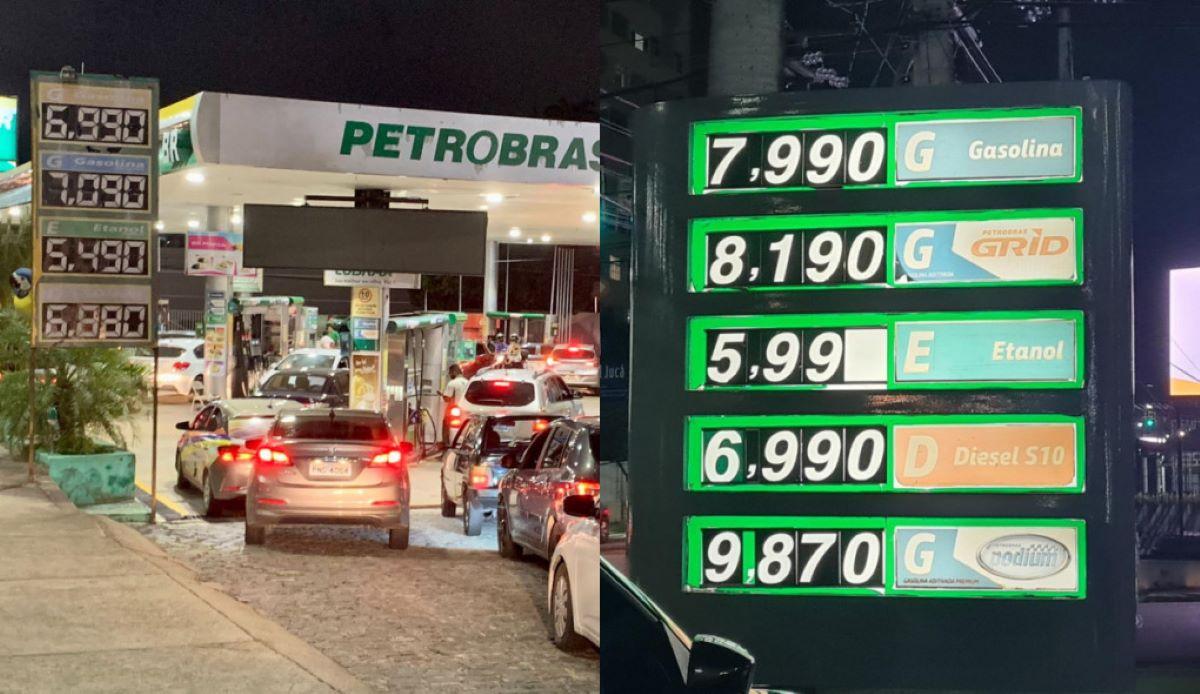

The Decision to Resume Federal Taxes on Gasoline by the Lula Government Caused a Sharp Increase in Prices of the Product at Fuel Stations. Meanwhile, the Increases by Petrobras in Transfers to Distributors Reduced the Final Value for Companies.
Fuel consumers witnessed, last Wednesday (03/01), the return of high gasoline prices in the national market. With the return of federal taxes on the product, the average price is expected to increase by R$ 0.25 across the country. Meanwhile, the prices passed on by Petrobras to distributors fell by an average of R$ 0.13, thus allowing greater variation for companies.
Gasoline Price Will Have an Additional R$ 0.47 in Taxes


National Fuel Market Is Becoming Increasingly Unstable with Rising Gasoline Prices at Stations and Decreases at Distributors, Following Adjustments from Petrobras and the Lula Government
The first months of the new Lula government have stirred discussions regarding the issue of fuels in Brazil.
To minimize the current monetary deficit of the Union, the president decided to resume the collection of federal taxes on gasoline across the country. As a result, the average price of the product at fuel stations increased by about R$ 0.25.
-
At 14 years old, she worked in a factory in Hong Kong, studied economics abroad, and then entered the Chinese real estate market, which helped change the landscape of Beijing.

-
While NATO secured more than $10 billion in missiles and space surveillance at a single forum, Brazil still spends 1.1% of its GDP on defense and is stalling its own anti-aircraft system.

-
Corn ethanol attracts R$ 23 billion in 21 new plants and prepares for a nearly 50% jump in Brazilian production by 2027, even with high interest rates.
-
A newly opened terminal in the middle of the Amazon has begun transporting soy and corn through Amapá, eyeing the queue of ships that is congesting the ports in the South.


The information refers to surveys from Abicom (Brazilian Association of Fuel Importers).
However, despite the rise at fuel stations, Brazilian distributors of the product celebrate a drop in transfer prices, as Petrobras reduced the value by an average of R$ 0.13.
Thus, the net balance remained around R$ 0.34 per liter at refineries, but the decision did not benefit the final consumer.
The A-type gasoline represents 73% of the mixture (the remaining 23% is anhydrous ethanol), thus causing a smaller increase at the pumps, of R$ 0.25 per liter, according to data from Abicom.
Despite the decreased gasoline price in Petrobras’ transfers to refineries and Brazilian distributors, each state still suffers from specific taxes on the product.
For this reason, the final price charged to consumers at the stations ends up not being significantly impacted by the drop in transfers. The Lula government’s decision to resume the collection of federal taxes on the product also caused strong instability in the current scenario of the country.
End of Exemption and Resumption of Federal Tax Collection by the Lula Government
Even with the reduction in fuel prices in Petrobras’ transfers to distributors, state decisions have been strongly impacting the final price at the pumps in the country.
Gasoline and ethanol will see the return of PIS and Cofins tax rates, as outlined by the Lula government.
On the other hand, diesel and cooking gas remain exempt from federal taxes until the end of December this year.
“This reexemption is inevitable; there’s no other way,” stated Sergio Araújo from Abicom. “It’s worth noting that the origin of this entire problem was the exemption implemented last year during an election period, which significantly impacted government revenue.”
The Lula government took office facing a strong financial problem in the public coffers of the Union, caused by the final years of the Bolsonaro Government.
Thus, the most advantageous temporary measure for revenue collection would be the return of federal taxes on the products. Therefore, despite the Petrobras scenario and the distributors, the coming months are expected to remain unstable regarding the rise in gasoline prices.








