





 Portuguese
  English
  Spanish
  7 min of reading
  0 comments


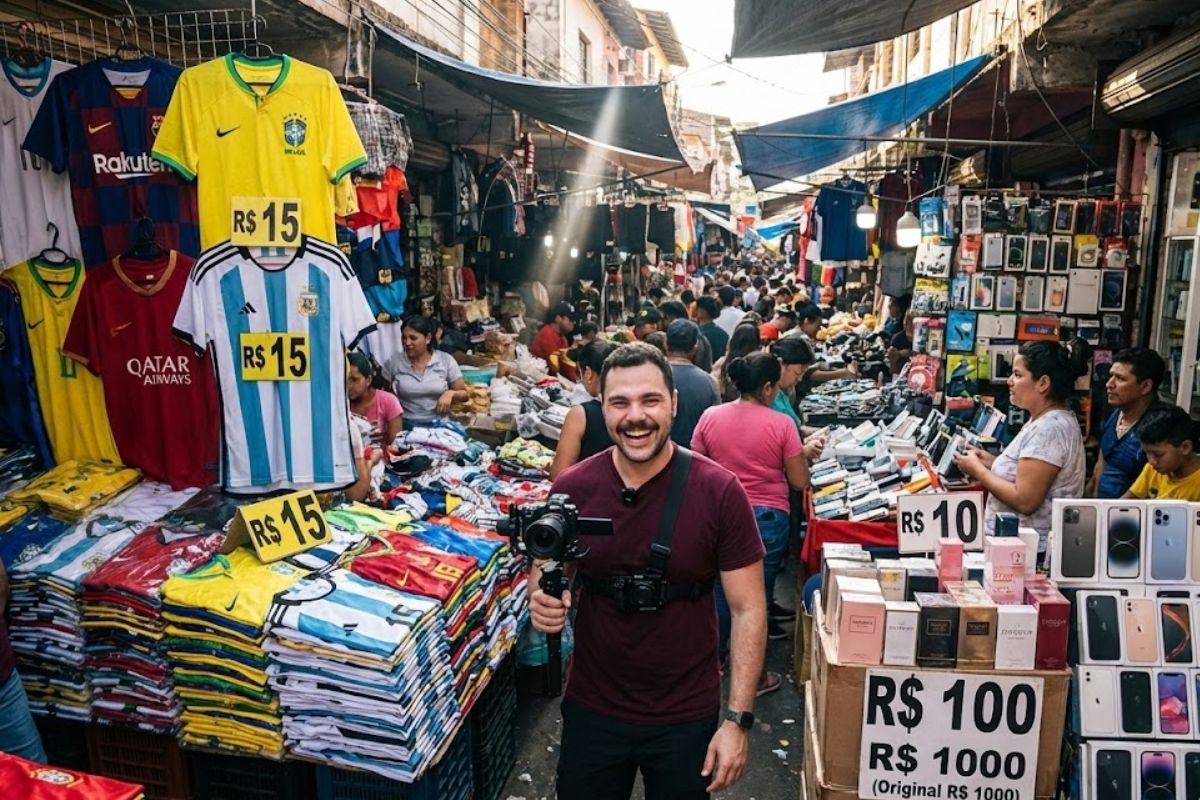
In Asuncion, YouTuber Video Shows The Real Paraguay Inside Market 4, A Piracy Paradise Where Cheap Jerseys, Fake Perfumes, And Cheap iPhones Reveal A Giant Camelodrome Ignored By Traditional Brazilian Media In 2025 Recording, With High Prices In Brazil And A Rush For Imported Products.
In a recent recording made in Asuncion, the capital of Paraguay, a Brazilian travel YouTuber decides to show the Real Paraguay behind the stereotype of being a “piracy paradise.” Guided by a local resident, he enters Market 4, a complex of streets, galleries, and stalls where everything from food to electronics is sold, including counterfeit clothing, luxury perfumes, and household items at prices much lower than those in Brazil.
Throughout the video, the YouTuber notes that, on the day of the visit, each real was equivalent to about 300 guaranis, using this exchange rate to explain why so many people cross the border in search of lower prices. The narrative alternates between awe and criticism: while displaying jerseys for about 15 reais and perfumes that cost around 100 reais in Market 4 and over a thousand reais in Brazil, he tries to address whether this saving justifies stocking up on counterfeit products and what kind of Real Paraguay is being shown there.
Video Deconstructs Stereotypes And Presents Market 4 As A Parallel City

Right at the beginning of the visit, the YouTuber positions the camera “in front of Market 4 in Asuncion” and summarizes the purpose of the recording: to investigate whether the neighboring country is really a “paradise for counterfeits” or if part of this fame is a “media lie.”
-
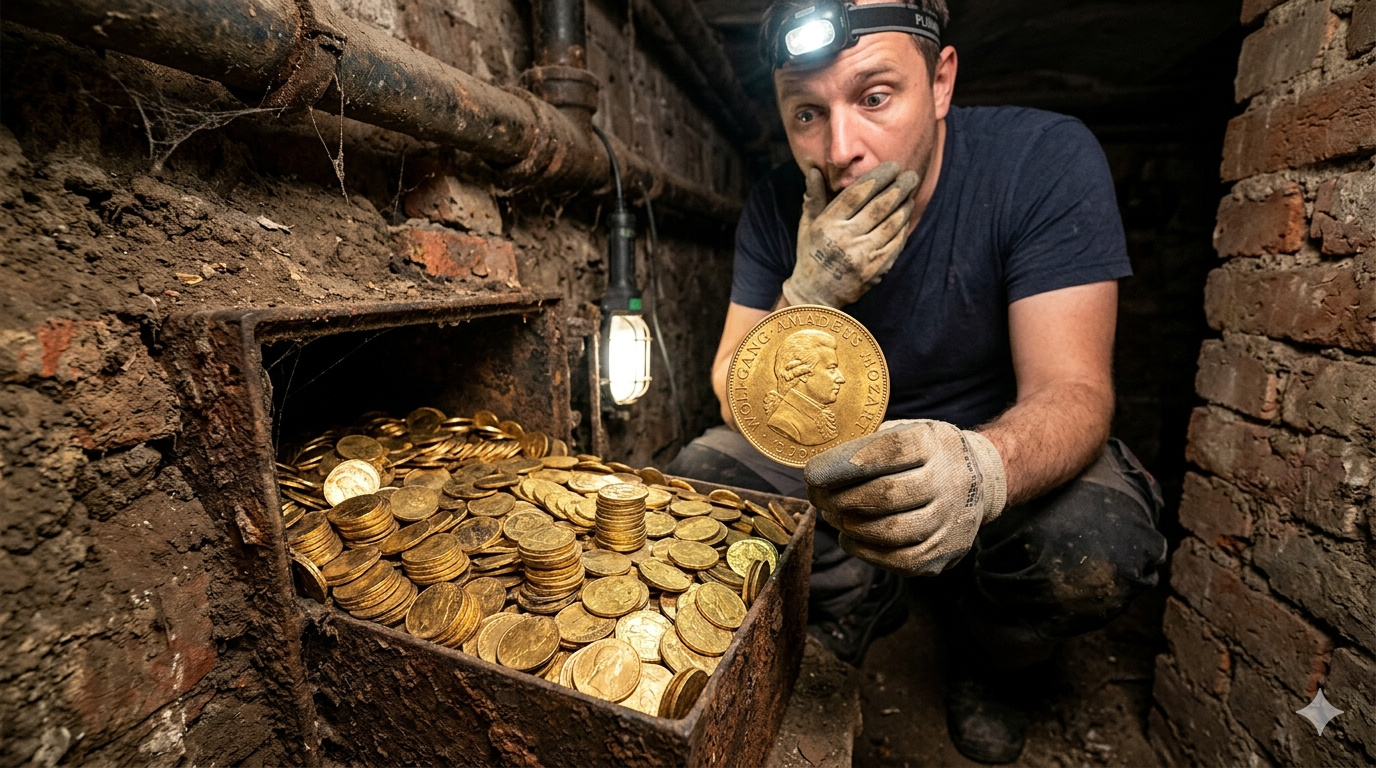
A forgotten cord on the floor of a basement in Vienna leads a plumber to a box containing 30 kilograms of gold with Mozart’s face, hidden before World War II. The treasure, worth 2.3 million euros, was just centimeters away from a worker who ignored the sign a day earlier.
-
A couple buys an old chalet, breaks the kitchen floor for renovation, and finds over a thousand coins of gold and silver hidden since the English Civil War over 4 centuries ago.

-
Rigid bags with their days numbered: new trend prioritizes comfort in 2026.

-
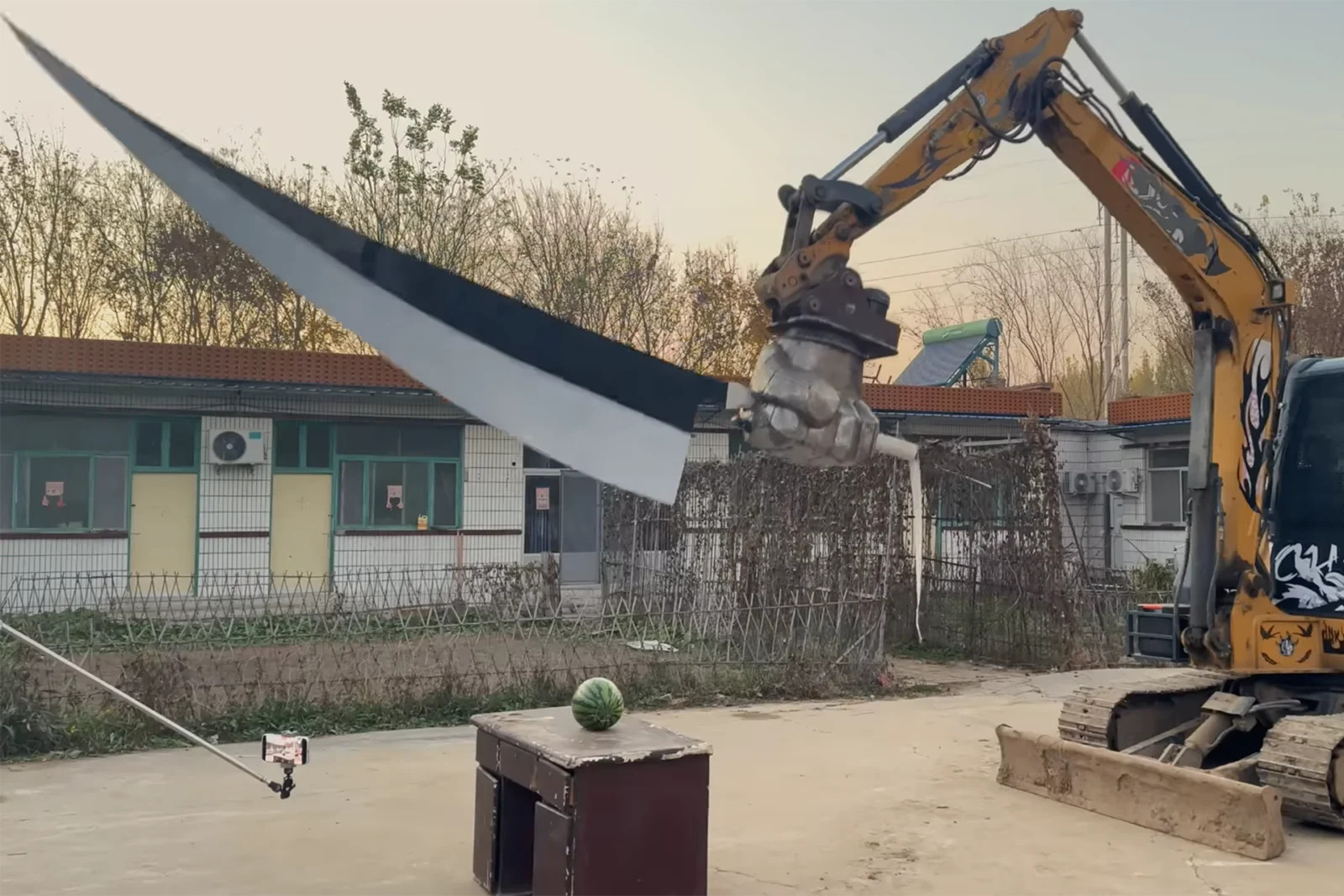
YouTuber creates an excavator equipped with a giant 4.5-meter sword to challenge his brother to a rematch, and the invention quickly goes viral on social media.
From there, he invites the audience to discover the Real Paraguay that the media does not show, moving through narrow corridors, makeshift stalls, and small shops that function as an extension of the street.
Market 4 is described as a “giant camelódromo” that occupies several city blocks, with houses, buildings, and a kind of “commercial neighborhood” where the line between street and market blurs.
For the YouTuber, the feeling is like being in a Brazilian city from the 1990s or in a small-town setting, with buses passing by, bakeries, pharmacies, and even a small casino next to the street food area.
At the end of the tour, he concludes that the market “is not just a place for counterfeits, but a center where Paraguayans also buy everyday items.”
Piracy, Jerseys For 15 Reais, And Perfumes For A Thousand For A Hundred

In the shopping section, the video enters the zone where the “Real Paraguay” approaches the Brazilian imagery: stalls of soccer jerseys, branded sneakers, and imported perfumes, almost all counterfeits, with a very similar look to the original products.
In a small shop, the YouTuber finds an Inter Miami jersey, the team of Lionel Messi, for 35,000 guaranis, equivalent to about 15 reais.
The seller confirms the price and emphasizes that the item is well-received by the Brazilian public.
Next, he tests the reaction to sneakers like Nike Dunk, Nike Shox, New Balance, and Adidas Campus, with prices ranging between 80 and 90 reais, according to the conversion made from the values in guaranis.
The YouTuber notes that, when he was a child in Brazil, those who wore counterfeit products were bullied, but that with rising prices, many people started to consider it “foolish” to pay full price for original items.
In his assessment, the high cost of official jerseys from the national team and clubs pushed some of the consumption towards high-quality replicas from places like Paraguay, Thailand, and China.
The perfume section reinforces the price arbitrage logic that composes this Real Paraguay consumerist.
In a stall, bottles similar to brands like One Million, Sauvage, and Invictus are sold for about 120,000 guaranis, something close to 100 reais, while the YouTuber claims that, in Brazil, the original perfume can cost up to a thousand reais.
He asks if it “is worth it” to pay so little for a copy and leaves the answer for the audience’s comments.
Giant Camelodrome, Specialized Sectors, And Presence Of Taiwanese Vendors
As he moves through the corridors, the YouTuber discovers that Market 4 operates with specialized zones, which helps explain the internal organization of the Real Paraguay portrayed in the video.
There are areas dominated by sellers of winter clothing, generally of Bolivian origin; sectors of perfumes and cosmetics, often operated by Asian vendors; and corridors dedicated to toys, suitcases, backpacks, party supplies, and home decor.
One of the local guides explains that many traders identified as “Chinese” by Brazilians are, in fact, from Taiwan.
The YouTuber notes that Paraguay is one of the few countries that officially recognize Taiwan as an independent territory, which contributes to an intense commercial relationship with that market.
In the images, showcases of electronics display headphones, smartwatches, cellphones, and even used or refurbished iPhones, reinforcing the perception of a technological camelódromo with a broad and informal offering.
Another highlighted feature is the practice of two prices: the “normal” price for those buying one unit, and the “wholesale” price, lower, for those taking three, four, or more.
In a toy store that “looks like a mall,” the YouTuber shows tags with this dual reference, indicating that part of the Market 4 audience consists of small resellers who stock up their own stalls in other regions.
Tereré In Stanley, Chewing Tobacco, And The Local Consumption Routine
The video also dedicates space to the daily consumption of those living the Real Paraguay outside the tourist circuit. In tobacco stalls, the YouTuber finds products ready to chew, still common in rural areas, and hears explanations about the use of this tobacco in farms and small municipalities.
Next, he shows a stall filled with cups and thermal bottles similar to the Stanley brand, used not for beer, as has become popular in Brazil, but mainly for tereré, a cold drink made with mate and mixtures of herbs.
The guide explains that, with temperatures around 36 degrees, many people drink tereré daily, always with water and ice.
The image of large cups, full of ice and herbs, helps connect the Real Paraguay to the culture of shared mate with Argentina, Uruguay, and Rio Grande do Sul.
In the same line, the YouTuber records stalls selling plastic Christmas trees, flags, simple clothing, and household items, often at prices ranging from 20 to 60 reais, reinforcing the character of a popular market that supplies the local population.
Guarani, Slavery, And Preserved Cultural Heritage
One of the more educational segments of the video is the conversation about the formation of the Paraguayan people.
The guide, who speaks Portuguese, Spanish, English, and Guarani, explains that the country has two official languages and that, in daily life, many speakers use “jopará,” a mix of Spanish and Guarani.
According to her, Paraguay did not experience the same model of slavery imposed in Brazil, which would have allowed it to preserve more elements of indigenous culture.
The YouTuber contrasts this Real Paraguay with his experience in Brazil, where he claims to rarely see indigenous people on the streets.
The guide describes the population as the result of a mix between Guarani peoples and Spanish colonizers, highlighting that, despite discrimination, the indigenous presence remains visible and that traditions such as using pottery jugs to keep water cool and drinking tereré are still alive.
The account even includes a brief “lesson” on the guarani bills, with historical figures and religious figures printed on the notes.
Market 4 As A Mirror Of A Paraguay Similar To And Different From Brazil
At the end of the tour, the YouTuber summarizes his impression: Market 4 is both familiar and foreign.
The fair resembles large markets in Brazilian capitals and interior towns, with vendors announcing offers over microphones, street food, buses cutting through narrow streets, and a mix of accents.
What stands out, he says, is seeing this everyday life of the Real Paraguay coexisting with the label of “piracy paradise” that has been repeated for decades in Brazil.
In his analysis, the country is small, surrounded by borders, and relies on buying and reselling goods to sustain part of its informal economy.
The video also shows that, while “genuine” branded products are bought in malls for special occasions, many Paraguayans turn to Market 4 for clothing, footwear, and everyday items, assessing that the quality of the replicas is sufficient for daily use.
In light of this reality, the footage suggests that understanding the Real Paraguay involves seeing both the camelódromo of counterfeits and the everyday life of residents, who buy food, medicines, simple clothes, and household item on the same streets where tourists seek cheap jerseys and perfumes.
In your opinion, is the Real Paraguay shown in Market 4 an unfair, exaggerated, or faithful portrait of what happens today on the consumption borders between Brazil and Paraguay?







Seja o primeiro a reagir!