





 Portuguese
  English
  Spanish
 8 min of reading
  0 comments


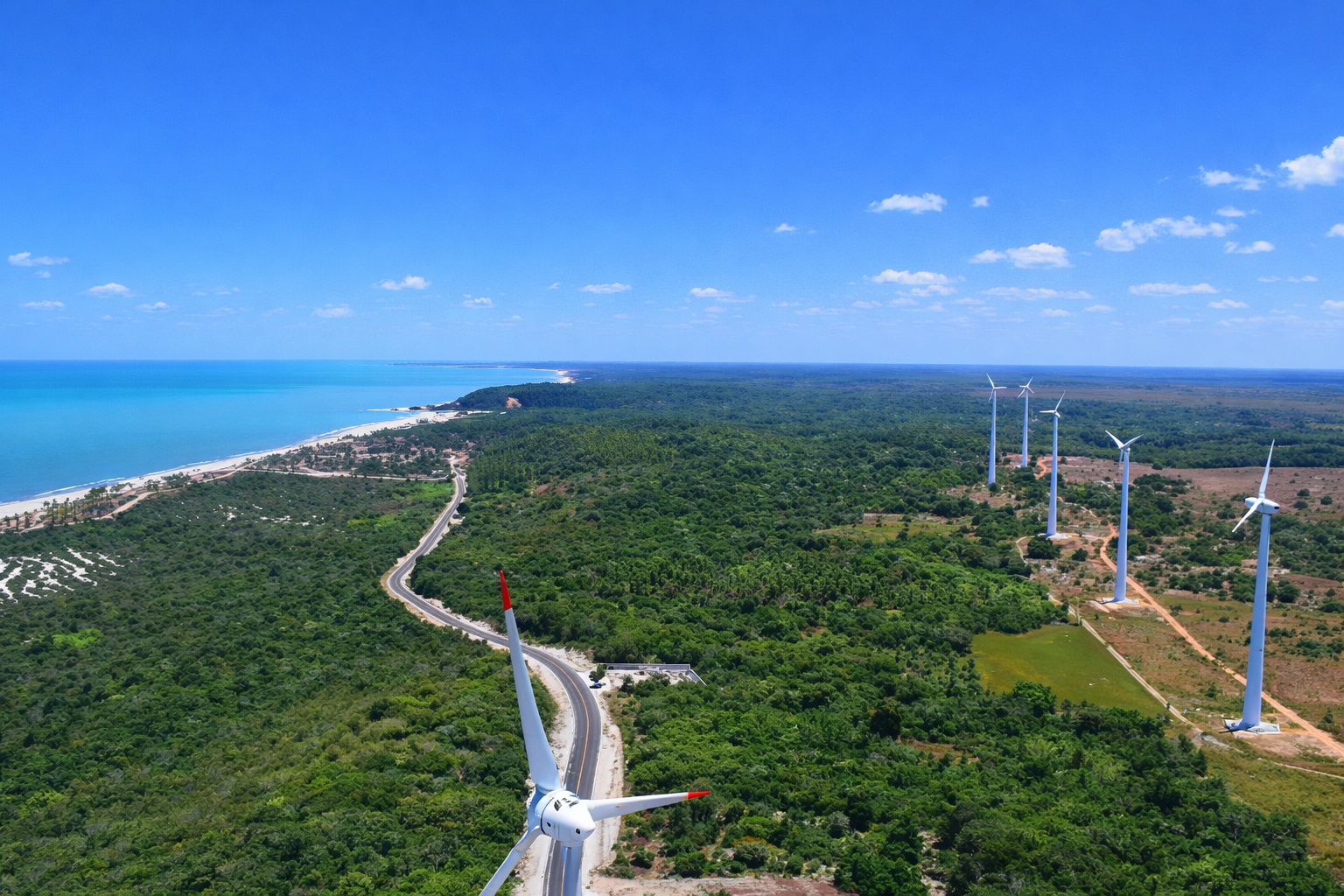
State Surpasses Historic Mark of Installed Capacity, Expands Presence of Large Groups in the Electric Sector, and Consolidates Its Role in the National Energy Transition
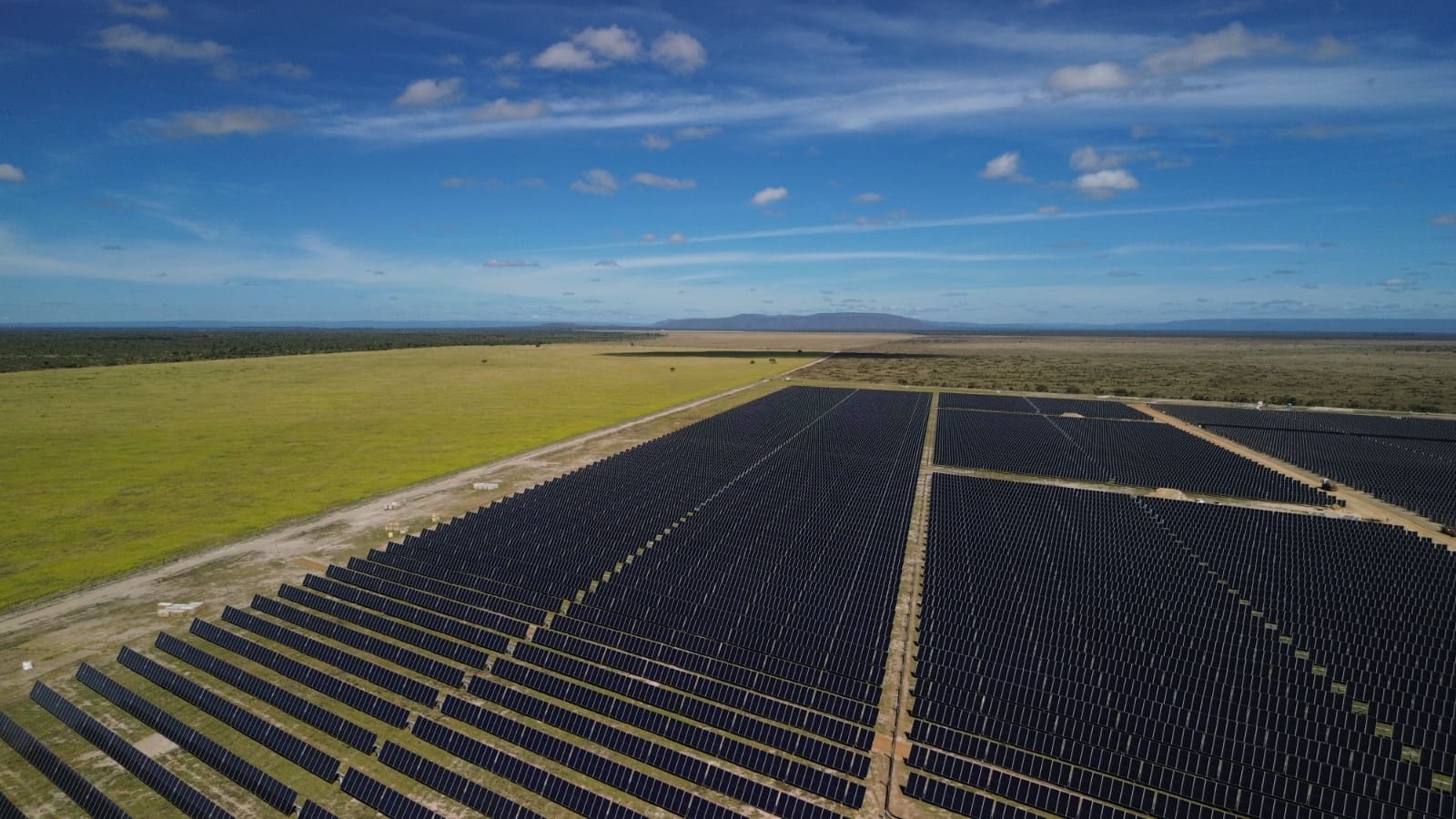
Paraíba, one of the main poles of renewable energy, has moved from being a promise to one of the fastest growing states in clean energy generation in the country. The state has surpassed the mark of 2 gigawatts (GW) of installed capacity from solar plants and wind farms, consolidating an advance that is transforming the interior into a new economic axis of the Northeast.
The number draws attention for a little-known detail: just over a decade ago, Paraíba’s participation in large-scale solar generation was practically nonexistent. Today, according to public data from the National Electric Energy Agency (Aneel), the state is already part of the group of federative units with accelerated growth in the sector.
Investments accompany this expansion. Estimates indicate that investments in operational and under-construction solar and wind projects have already surpassed R$ 8 billion. Large national and foreign groups have increased their presence, mainly in the hinterlands and agreste regions, which have high solar incidence and favorable conditions for wind generation.
-
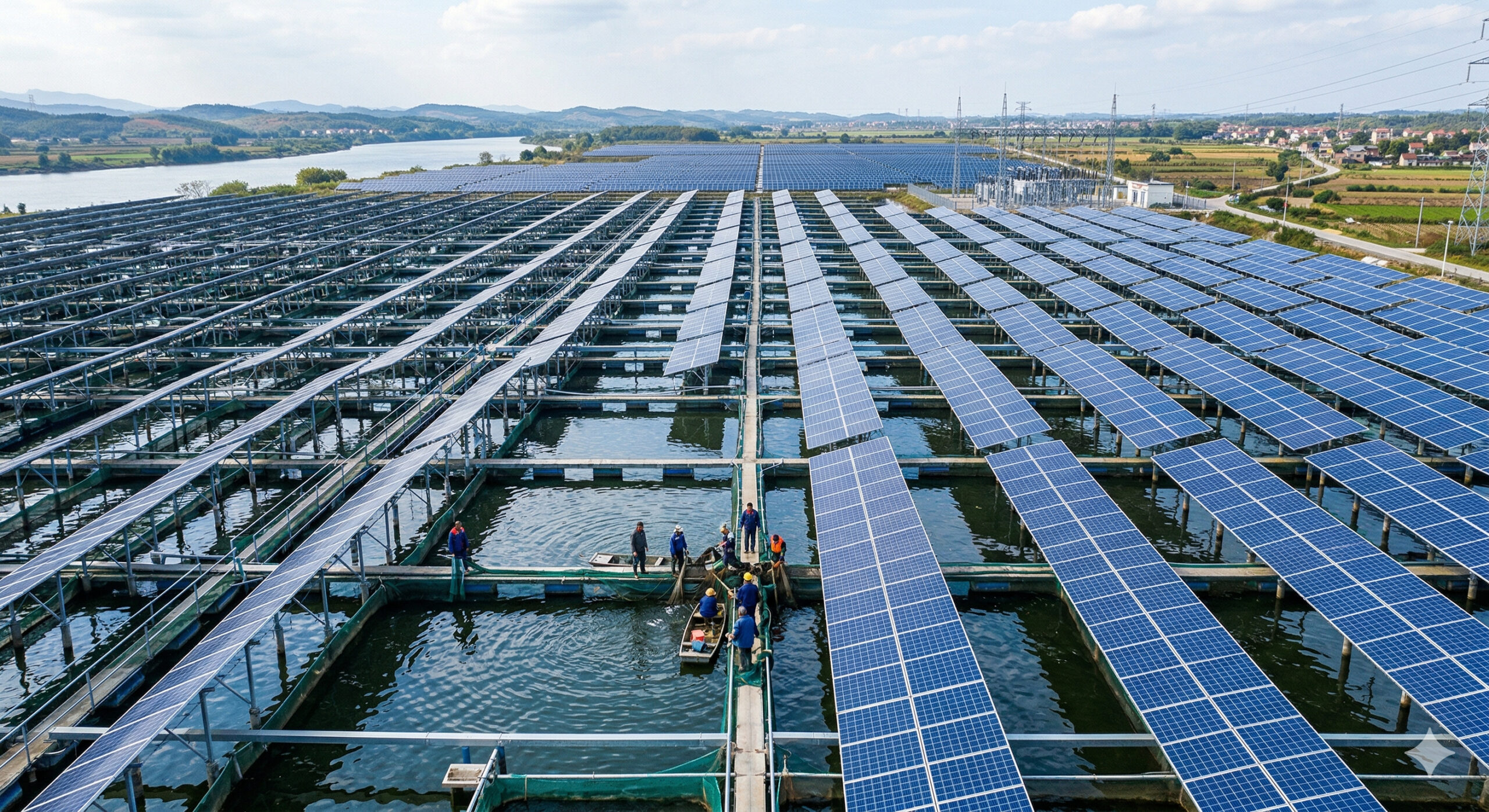
China bets on the Fishery-PV model and transforms fish farms into giant solar plants, covering ponds with panels that generate energy while utilizing the same space for large-scale aquaculture production.
-
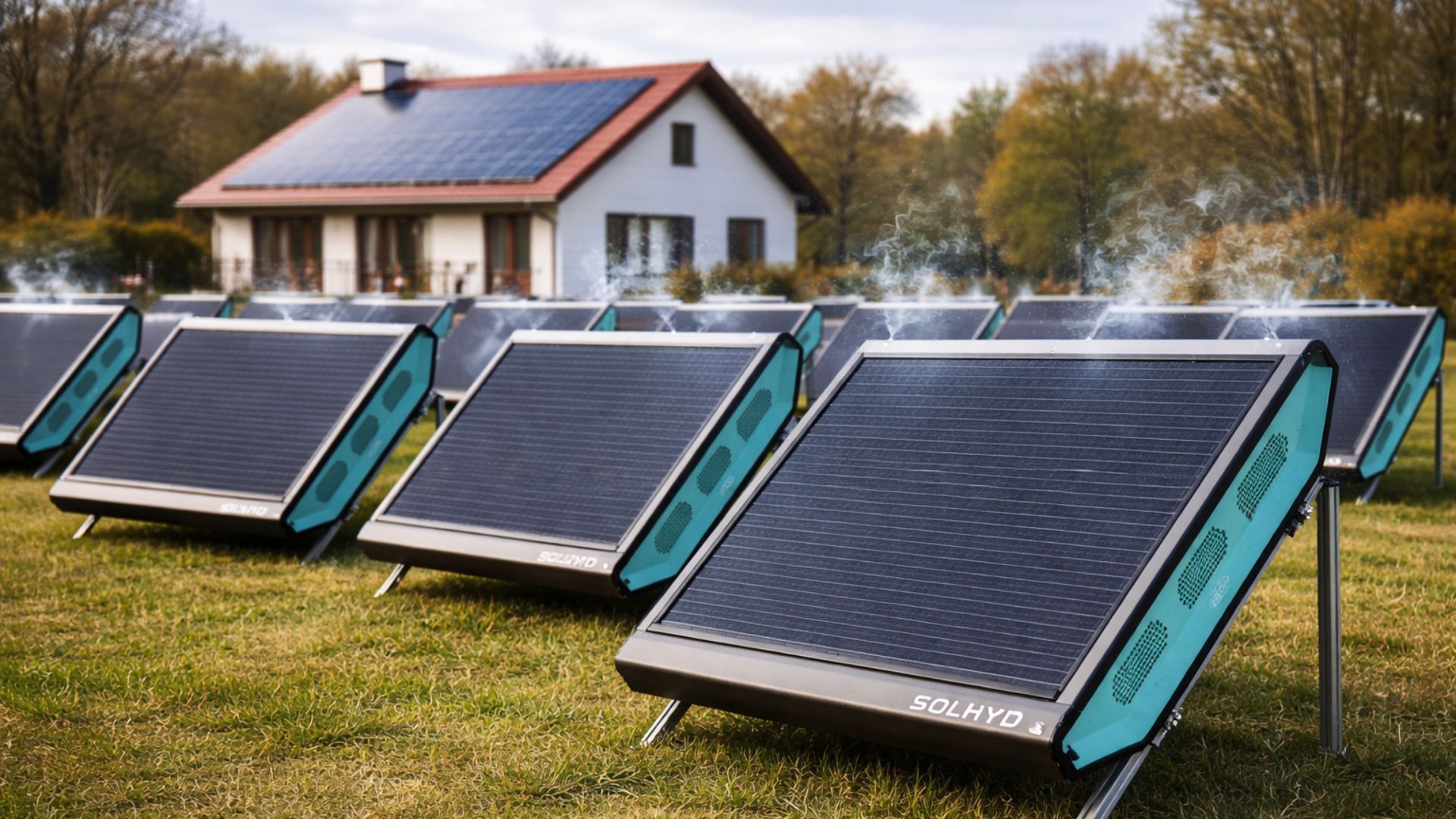
Green hydrogen at home: Belgium launches new technology that makes solar panels produce fuel from the moisture in the air, which could boost the energy transition.
-
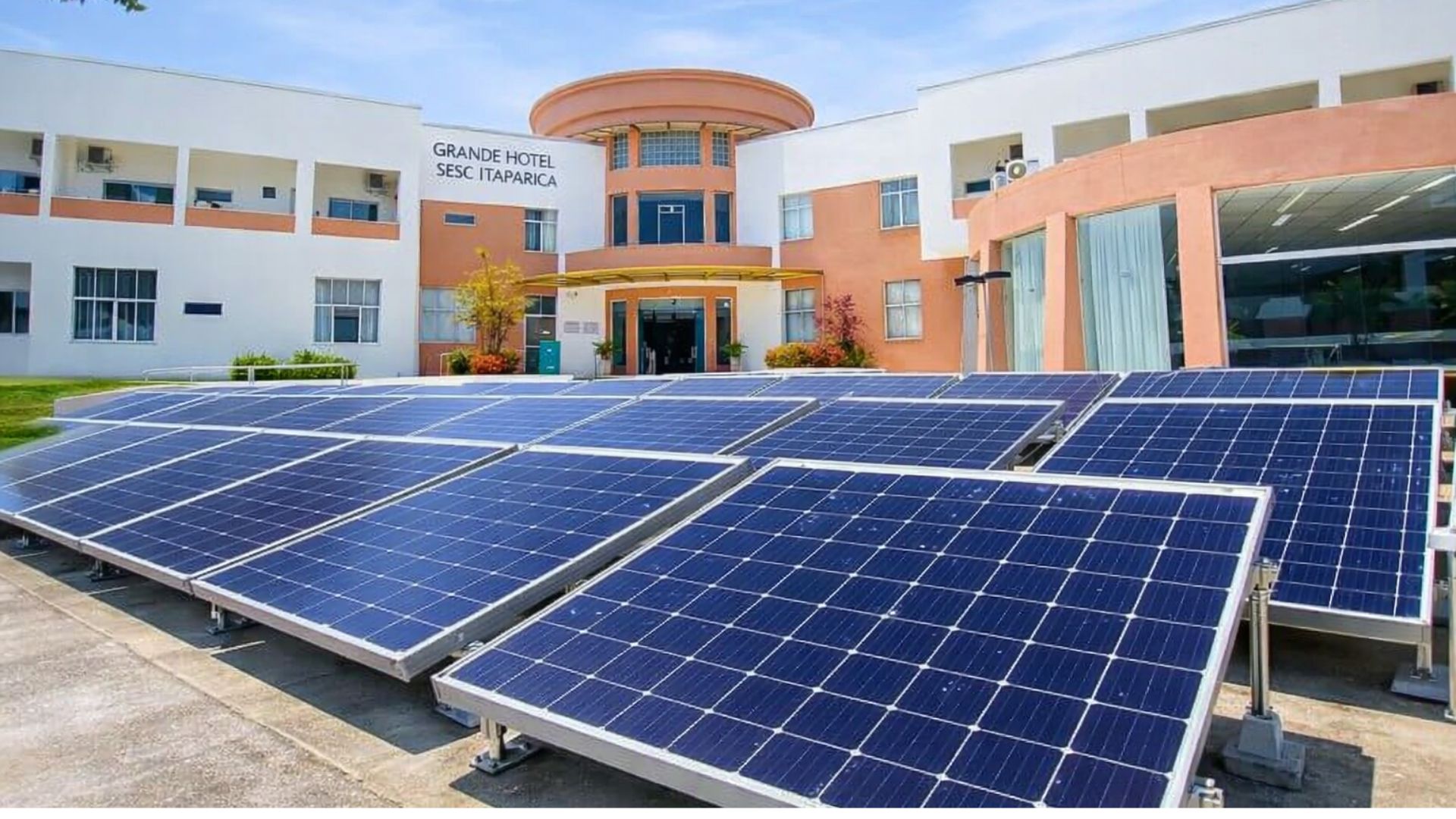
Sesc-BA bets on renewable energy with the support of EDP and drives the energy transition with a direct impact on cost reduction and the sustainability of its operations in Bahia.
-
Technology giant breaks global sustainability records: How Amazon’s leadership in renewable energy procurement transformed the global energy market in the past year.

And it doesn’t stop there. The increase in installed capacity is beginning to produce effects that go beyond the energy matrix. It changes the economic profile of entire municipalities.
Expansion of Installed Capacity Puts the State Among National Highlights in Solar and Wind Energy
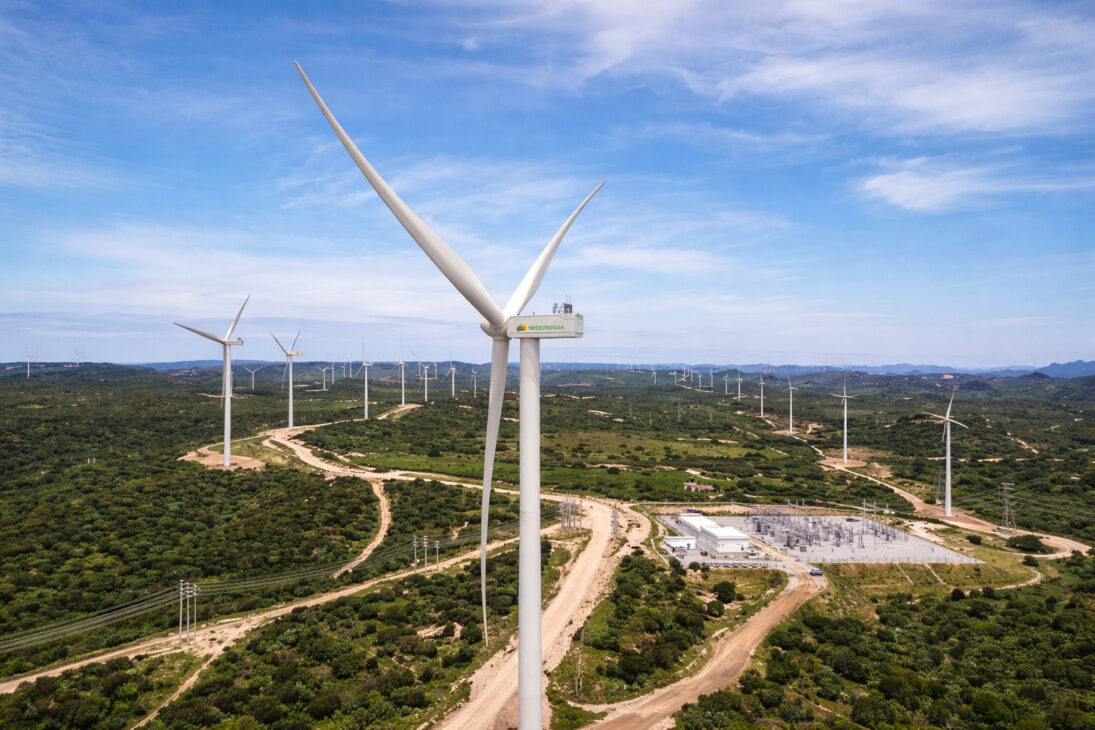
The mark of 2 GW puts Paraíba in a strategic position in the northeastern landscape. For comparison, states that started the renewable cycle earlier saw more gradual growth, while the recent expansion rate in Paraíba is among the fastest in the region.
According to a survey by the Brazilian Association of Photovoltaic Solar Energy (ABSOLAR), the Northeast concentrates some of the largest solar complexes in the country, and Paraíba has now joined this map with projects that individually exceed 300 megawatts (MW) of installed capacity. This is enough to supply hundreds of thousands of households.
In wind energy, the complementarity between intense sun during the day and consistent winds at certain periods ensures greater stability for the electricity system. This technical combination has become a competitive differential.
Another noteworthy fact is that distributed generation is growing at an accelerated pace. Thousands of consumers are already producing their own energy, thus reducing costs and increasing the decentralization of the matrix.
In practice, Paraíba, one of the main poles of renewable energy, expands its contribution to the National Interconnected System and positions itself as a strategic area for new investments. Thus, the state already surpasses some federative units from other regions in proportional solar expansion rate.
But the Movement Doesn’t Stop Here
The growth of clean generation has brought another challenge: how to transport all this energy produced in the interior to major consumer centers? The answer lies in infrastructure.
In recent years, transmission line projects and substation expansions have advanced to keep up with the accelerated expansion of the plants. According to data from the Energy Research Company (EPE), national energy planning predicts structural reinforcements in the Northeast grid to absorb the growing renewable production.
Without adequate transmission, there is no sustainable growth. Therefore, billion-dollar investments have also been directed toward modernizing the electrical grid. New connections allow the energy generated in Paraíba to be distributed to other regions with greater security and stability.
This movement boosts engineering, heavy civil construction, and the hiring of specialized labor. Each new substation represents more than just technical infrastructure. It represents economic integration.
The expansion of transmission ensures that Paraíba, one of the main poles of renewable energy, maintains its growth pace without compromising the reliability of the system.

Clean Energy Strengthens Strategic Position of Paraíba, One of the Main Poles of Renewable Energy in the Global Decarbonization Scenario
The progress in Paraíba occurs at a decisive moment in the international scenario. Countries are increasing carbon neutrality targets and seeking suppliers with clean energy matrices.
The Brazilian matrix is already predominantly renewable, but states with strong solar and wind presence gain additional prominence. Paraíba is joining production chains that communicate with investors focusing on sustainable assets.
International funds prioritize projects with regulatory predictability and low environmental impact. The Northeast has established itself as a strategic destination for capital aimed at the energy transition.
There is also indirect impact on industrial decisions. Companies interested in operating with low-carbon energy consider proximity to renewable generating hubs a competitive differential, which can influence the attraction of new ventures.
Paraíba, one of the main poles of renewable energy, moves from a peripheral position to integrating strategic discussions about the country’s energy future.
Interior of the State Gains New Economic Role Driven by Solar and Wind Parks
The most visible transformation occurs in the interior. Municipalities historically dependent on agriculture have begun to receive large-scale works related to solar and wind generation.
As a result, during the construction phase, a single plant can employ hundreds of workers. In the operational phase, it maintains permanent technical teams and contracts with maintenance and logistics companies.
Landowners also find a new source of income through the leasing of land for the installation of towers and solar panels. This additional income circulates in the local economy.
Municipal revenue grows with the increase in economic activity. Consequently, municipalities expand their investment capacity in urban infrastructure and public services.
It is a silent but structural change. Paraíba, one of the main poles of renewable energy, creates a new economic axis in the interior of the Northeast.
How Renewable Energy Hubs Operated Until Now
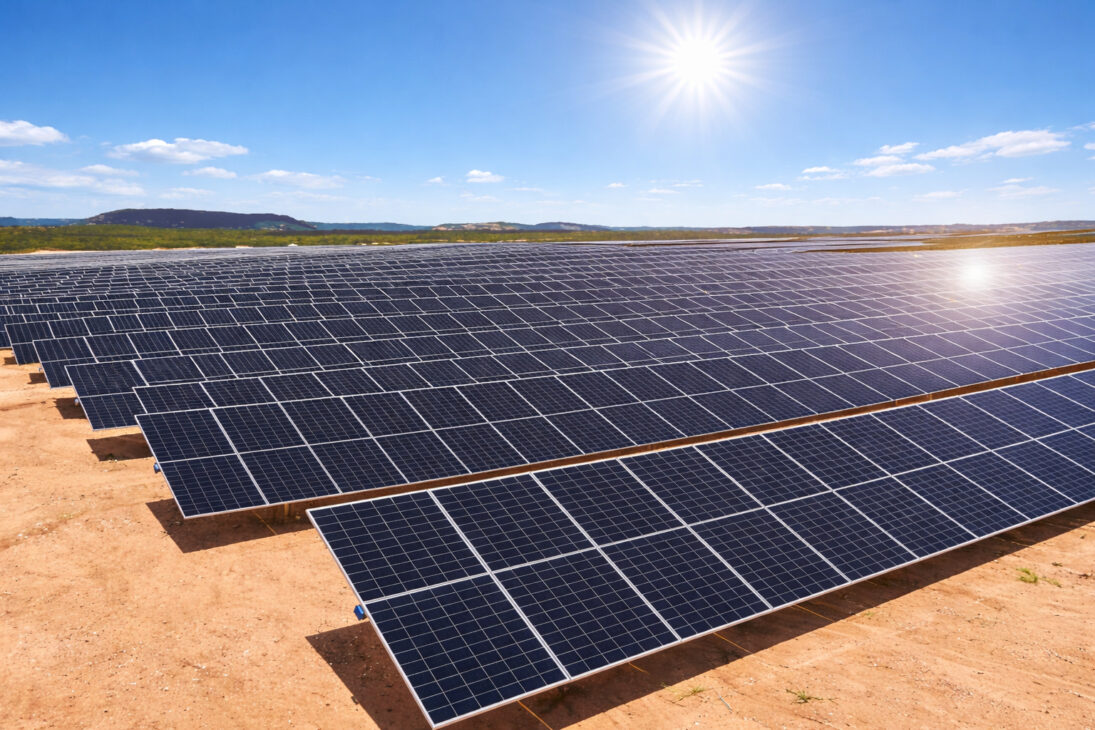
Before the current consolidation, renewable energy hubs in Brazil operated in a concentrated manner in a few states. Rio Grande do Norte, Bahia, and Ceará, for example, led the initial expansion of large-scale wind and solar energy, driven by federal auctions held since the last decade.
The prevailing model was based on large complexes connected to the National Interconnected System, made possible by contracts signed in government-regulated auctions. These contracts guaranteed revenue predictability to investors, allowing for long-term structured financing.
The geographical concentration created regional imbalances and limited the faster entry of new states into the renewable generation map. With the maturation of the market and the significant drop in the cost of photovoltaic equipment, the sector underwent a transformation.
The model ceased to depend exclusively on regulated auctions and gained strength in the free energy market. This change expanded the space for states like Paraíba to accelerate their insertion, leveraging available solar and wind potential.
The Free Energy Market Drives New Investments in the State
One of the most relevant engines of this new phase is the free energy market. Unlike the regulated environment, where consumers purchase energy from local distributors at rates set by the National Electric Energy Agency, the free market allows direct negotiation between generators and large consumers.
In recent years, the number of consumer units migrating to this model has grown consistently in Brazil. Industries, retail chains, logistics companies, and large business groups, for example, have begun seeking long-term contracts with solar and wind plants, prioritizing price predictability and fulfillment of environmental goals.
This change completely alters the logic of sector expansion. Previously, the viability of new enterprises depended largely on federal auctions. Now, bilateral contracts closed directly with private companies guarantee future revenue for projects.
In Paraíba, this movement has opened space for a new round of investments. Ventures are now being structured based on corporate agreements, known as PPAs (Power Purchase Agreements), thus reducing dependence on public policies and enhancing financial security.
The economic impact is direct. By closing long-term contracts with consuming companies, generators can access more competitive credit lines, expedite works, and accelerate schedules. This means more jobs during construction, greater demand for specialized services, and increased municipal revenue.
Moreover, the free market stimulates competition, efficiency, and contractual innovation. Hybrid generation models, self-production, and international partnerships are becoming more frequent. The result is a more dynamic environment, with decisions guided by business strategy rather than just regulatory calendars.
This new arrangement consolidates Paraíba as a competitive territory for market-oriented renewable energy projects.
Interior of the State Gains New Economic Role Driven by Solar and Wind Parks
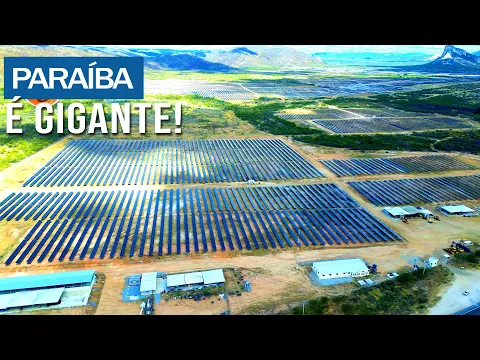
The most visible transformation occurs far from the major urban centers. Municipalities in the hinterland and agreste, historically dependent on agriculture and government transfers, have begun to integrate into the strategic map of national electricity generation.
Each solar park can occupy hundreds of hectares and mobilize a production chain that involves engineering, transportation, electromechanical assembly, surveillance, and specialized technical services. During the construction phase, a single project can employ between 500 and 1,500 workers, depending on its size.
This temporary flow is already causing significant impacts on the local economy. Hotels register increased occupancy, restaurants boost revenue, and regional suppliers begin to fulfill contracts that previously did not exist. Small towns experience above-average growth during the construction period.
After becoming operational, the effect becomes more structural. Landowners receive periodic payments for leasing their land, thus creating a new source of stable and predictable income. Part of this resource returns to local commerce, strengthening municipal microeconomies.
Municipalities also increase revenue through taxes and fees related to generation activities. This fiscal boost can be directed towards infrastructure, health, and education, changing the pattern of public investment in interior towns.
What was once just rural land is now part of a strategic energy production network. And this changes the economic dynamics. The interior thus ceases to be merely a supplier of agricultural raw materials and begins producing clean energy on a national scale.
Next Steps Include New Projects and Possible Advancements of Green Hydrogen in Paraíba, One of the Main Poles of Renewable Energy
Projects in the licensing phase could then add hundreds of megawatts to installed capacity in the coming years. Investors remain attentive to areas with high solar and wind potential.
Among future bets is green hydrogen, fuel produced from renewable sources. Sector studies indicate that the Northeast has ideal conditions to become an exporter of this strategic input. Paraíba, with its consolidated renewable base, can integrate into this new industrial chain.
If it progresses, green hydrogen could attract chemical industries, new industrial hubs, and international supply contracts. Estimates suggest that investments in this area could reach billions of dollars in the next decade.
The recent trajectory shows that the state has assumed a relevant role in the Brazilian energy transition. Paraíba, one of the main poles of renewable energy, consolidates its position and broadens its influence in the national landscape.








-

Uma pessoa reagiu a isso.