





 Portuguese
  English
  Spanish
  3 min of reading


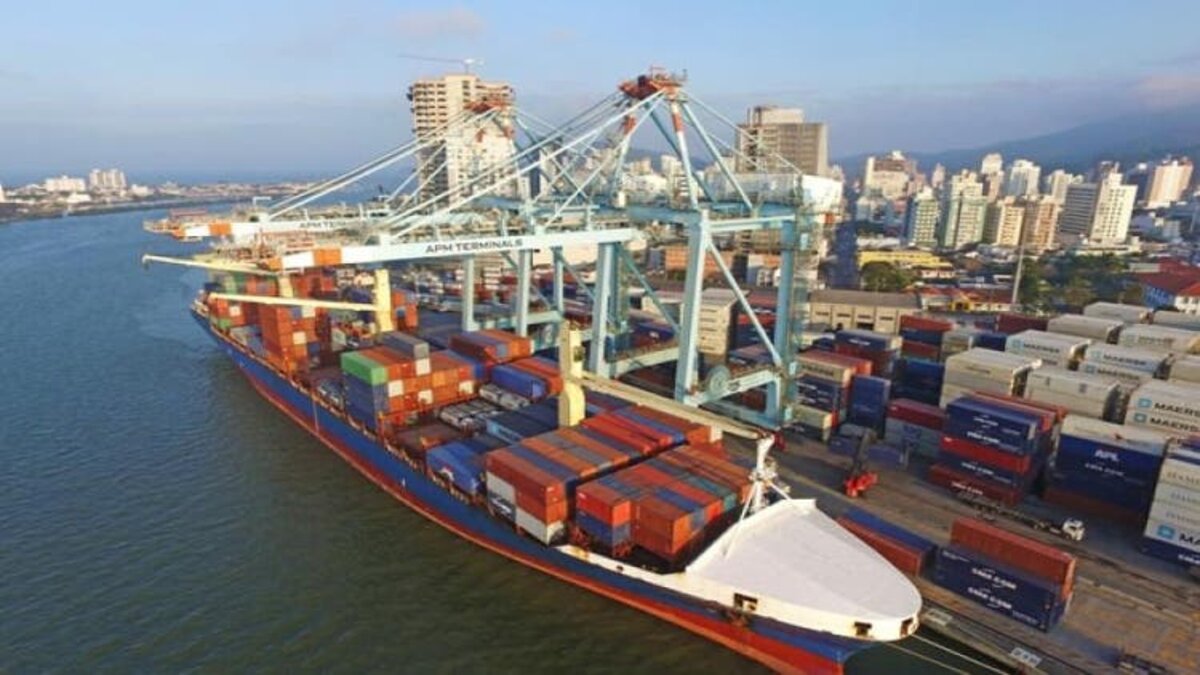
Due to The Instability in the Volume of The Itajaí-Açu River, The Access Channel to The Ports of Itajaí and Navegantes Is Closed, Making It Impossible for Cargo Transport by Ships in The Complexes, Causing Serious Damages to The Companies
Since last Tuesday (03/05), the access channel to the ports of Itajaí and Navegantes, in the state of Santa Catarina, has been closed, and cargo transport in the locations is not happening. The stoppage of the channel will continue for an indefinite period due to constant changes in the volume of the Itajaí-Açu River, and companies are still calculating the high damages that will arise from the impossibility of moving goods by ships in the complexes.
Instability in The Volume of The Itajaí-Açu River Causes The Stoppage of The Access Channel to The Ports of Itajaí and Navegantes and Brings Serious Problems for Cargo Transport
The last few days have been marked by heavy rain across the state of Santa Catarina, and as a result, the volume of the Itajaí-Açu River is highly unstable. Therefore, it is not possible to project what the changes in the course and volume of the river will be, and for this reason, the access channel to the ports of Itajaí and Navegantes has been closed by the port administration. Now, there is a stoppage in cargo transport operations with the ships in the locations and high damages for the complexes.
Although it is not possible to calculate the real damages that will be incurred at the ports and by the companies that carry out cargo transport operations, the administration of the complexes claims that the damages will be difficult to repair. This happens because the access channel via the Itajaí-Açu River is the main one for a series of export and import activities in the area. With the closure of the structure, ships are trapped both inside and outside the complexes.
-
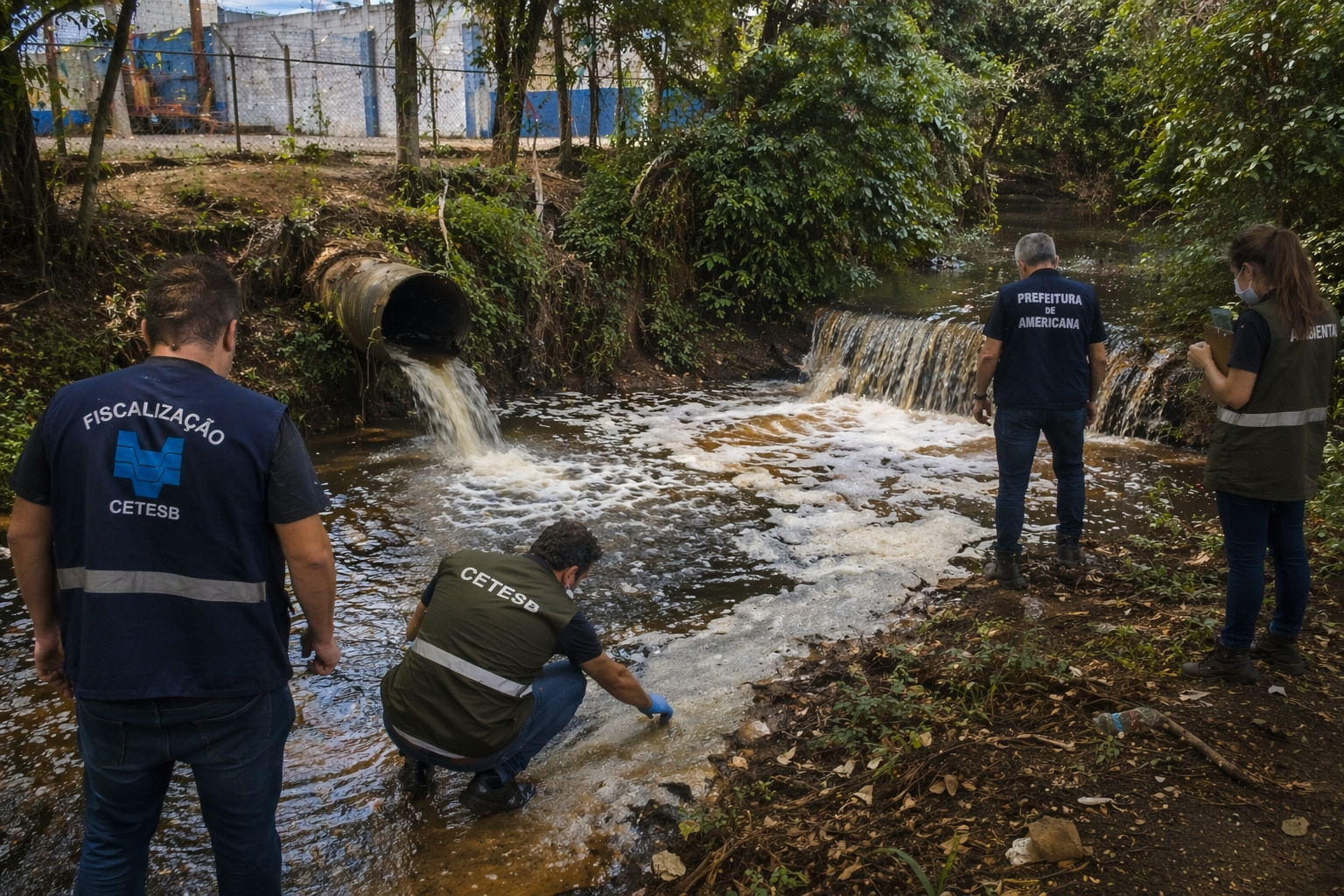
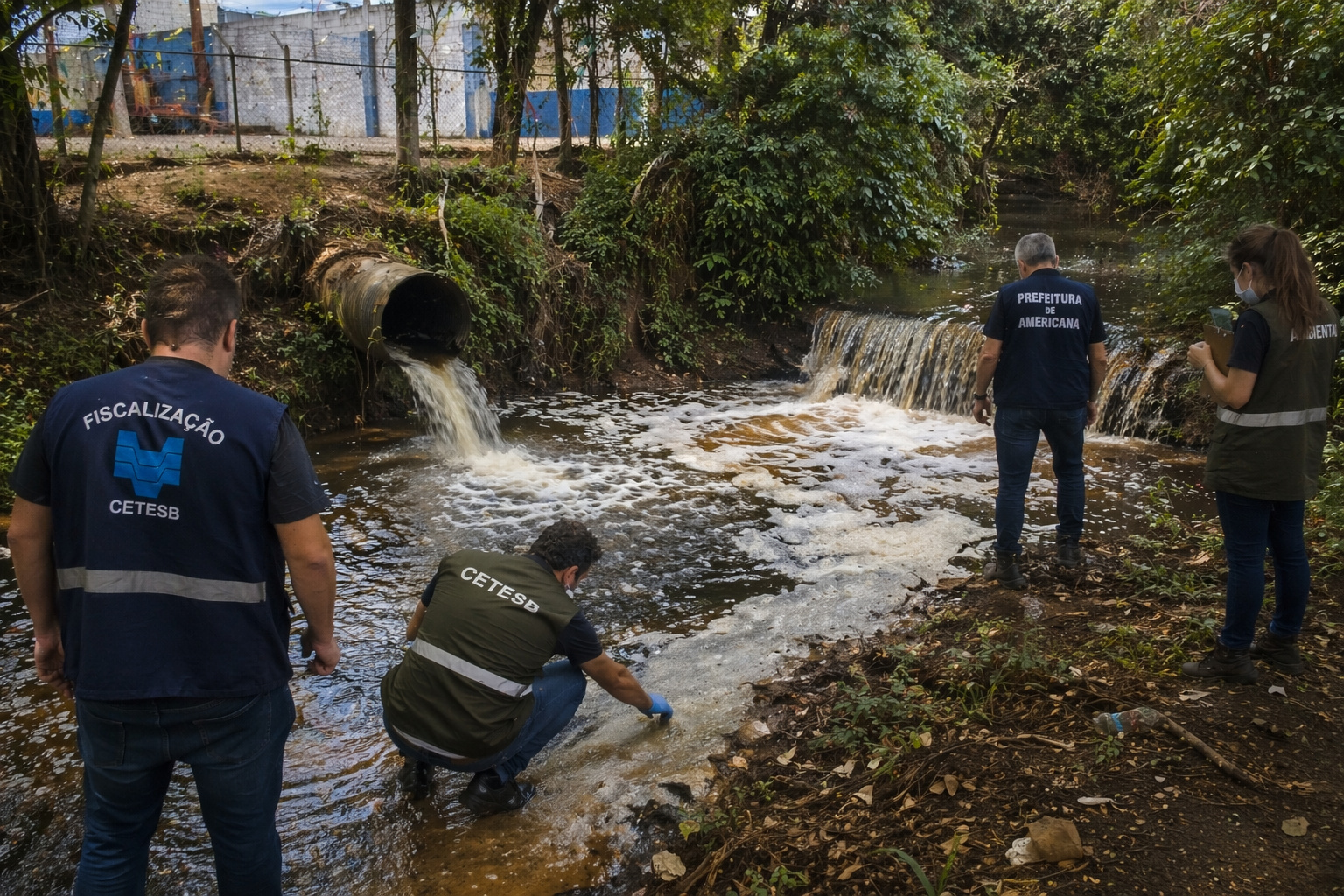
A fine of R$ 115 thousand places Goodyear at the center of an environmental case in Americana after oil and grease appeared in a stream and the company was required to act quickly.
-
A fine of R$ 115 thousand puts Goodyear at the center of an environmental case in Americana after oil and grease appeared in a stream and the company was forced to act quickly.
-
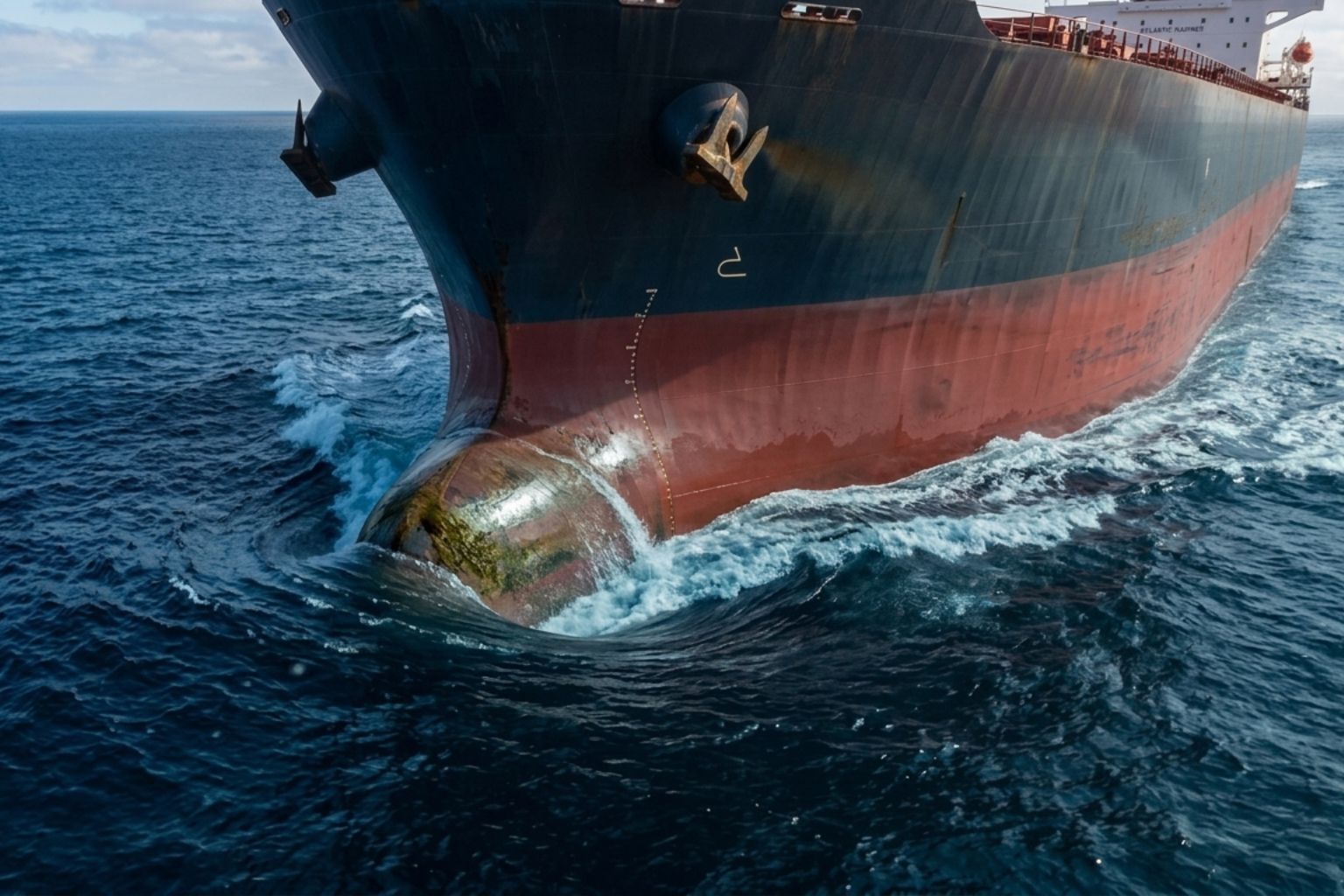
A hidden metal piece in the bow redesigns the water flow, reduces drag, and can save over 10,000 tons of fuel per year; this invisible solution allows giant ships to cut millions in costs without changing engines or routes.
-
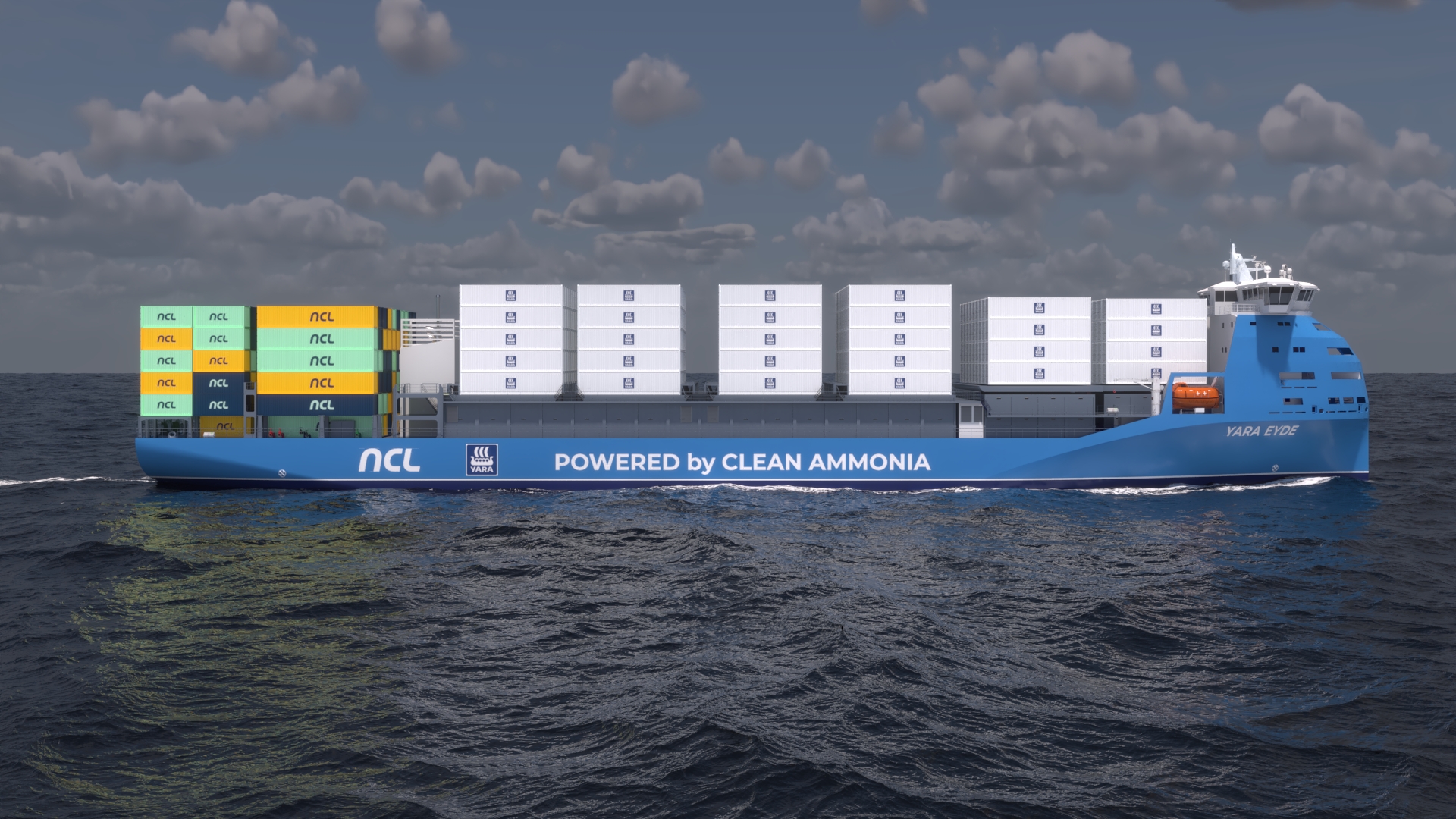
The world’s first container ship powered by renewable ammonia promises to avoid around 11,000 tons of CO₂ per year. The vessel, scheduled to operate in 2026, will connect Norway, Germany, and the Netherlands on one of the shortest and most strategic routes in Europe.
Thus, Ricardo Amorim, General Director of Logistics Operations at the Port of Itajaí, commented on the damages that will be calculated due to the impossibility of ship entry and exit at the ports and stated that “It’s a very large chain of logistics and international trade. We have losses for exporters, for importers who cannot unload their production or receive raw materials, we are talking about terminals that cannot operate ships, and they will begin to hold a lot of cargo, since ships are not docking.”
Several Ships Are Stopped and Without The Possibility of New Cargo Transport Operations in The Ports Due to The Closure of The Access Channel
The main problem being seen at the ports of Itajaí and Navegantes due to the closure of the access channel is the overcrowding of terminals with ships. This happens because, with the suspension of cargo transport operations, these vessels need to wait for the river’s volume to stabilize to finalize the activities that were scheduled, causing a long waiting line in both port complexes.
Thus, five ships are waiting in the access channel for the current and river conditions to improve in order to dock, and four are docked, two at Portonave, one at the public port, and one at the Barra do Rio. The speed of the current is highly unstable and elevated, according to the port administration, and the continuation of cargo transport operations could put the ships and the staff performing this movement at risk.
Finally, the port administration commented that the ships waiting for access are over 300 meters long, which makes the operation more delicate and with more restrictions regarding wind and current. Now, the ports are waiting for the normalization of the river’s course to resume activities.









Seja o primeiro a reagir!