





 Portuguese
  English
  Spanish
 6 min of reading
  6 comments





Led by DER/PR, Almost R$ 5 Billion in Road Works Spread Across Duplications, Detours, Conservation, and the Guaratuba Bridge, Promising Faster Journeys, Fewer Potholes, More Competitive Tolls, and a Safer Corridor for Truck Drivers and Tourists Throughout Paraná in the Coming Years Across the Entire State Network
The government of Paraná presented a panel of nearly R$ 5 billion in road works under the responsibility of DER/PR, linked to the Department of Infrastructure and Logistics, with contracts for duplication, restoration, and paving in all regions of the State. Only in 2025, about R$ 1.5 billion had already been executed in fronts that combine capacity increase, safety, and reduction of logistical costs.
Throughout 2025, 13 new interventions were initiated or contracted, including concrete duplications, urban detours, new bridges and strategic interchanges. This package of road works integrates the so-called Central Axis and extends to the Coast, Campos Gerais, West, and Southwest, redesigning the map of movement for truck drivers, tourists, and residents who cross Paraná daily.
R$ 5 Billion in Road Works Change the Logistics Map of Paraná

The set of investments managed by DER/PR totals approximately R$ 5 billion in ongoing road works, distributed among duplications, restorations, paving, and conservation of strategic stretches.
-
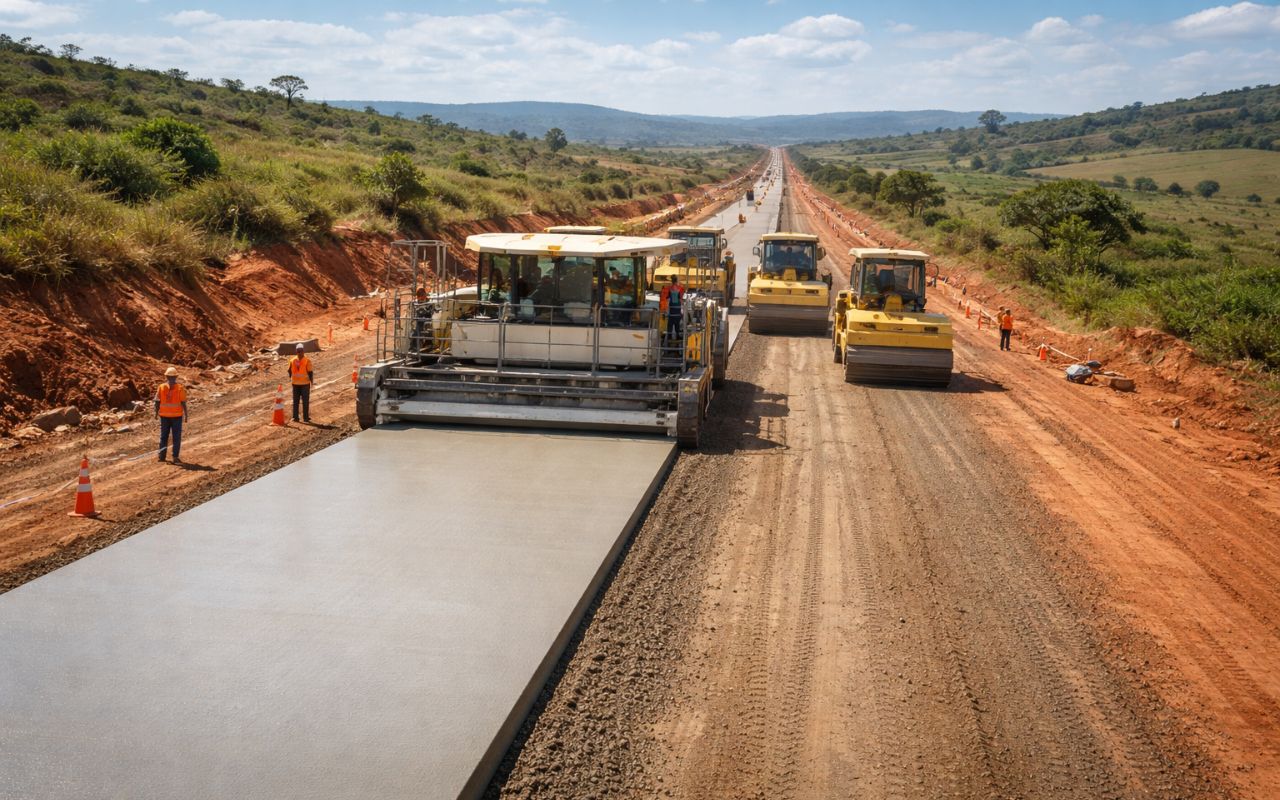
New CCR concrete paving technology promises roads up to 3x more durable, less maintenance, and cost reduction in Brazil.
-
Made from recycled plastic, plastic wood is gaining space in the construction industry because it does not rot, resists moisture, and reduces maintenance costs over the years.

-
Florianópolis will receive a million-dollar BRT that will begin construction in 2026 with nearly 400 million in funding from the federal government and the Inter-American Development Bank, and the map already shows the routes for the exclusive bus corridors.

-
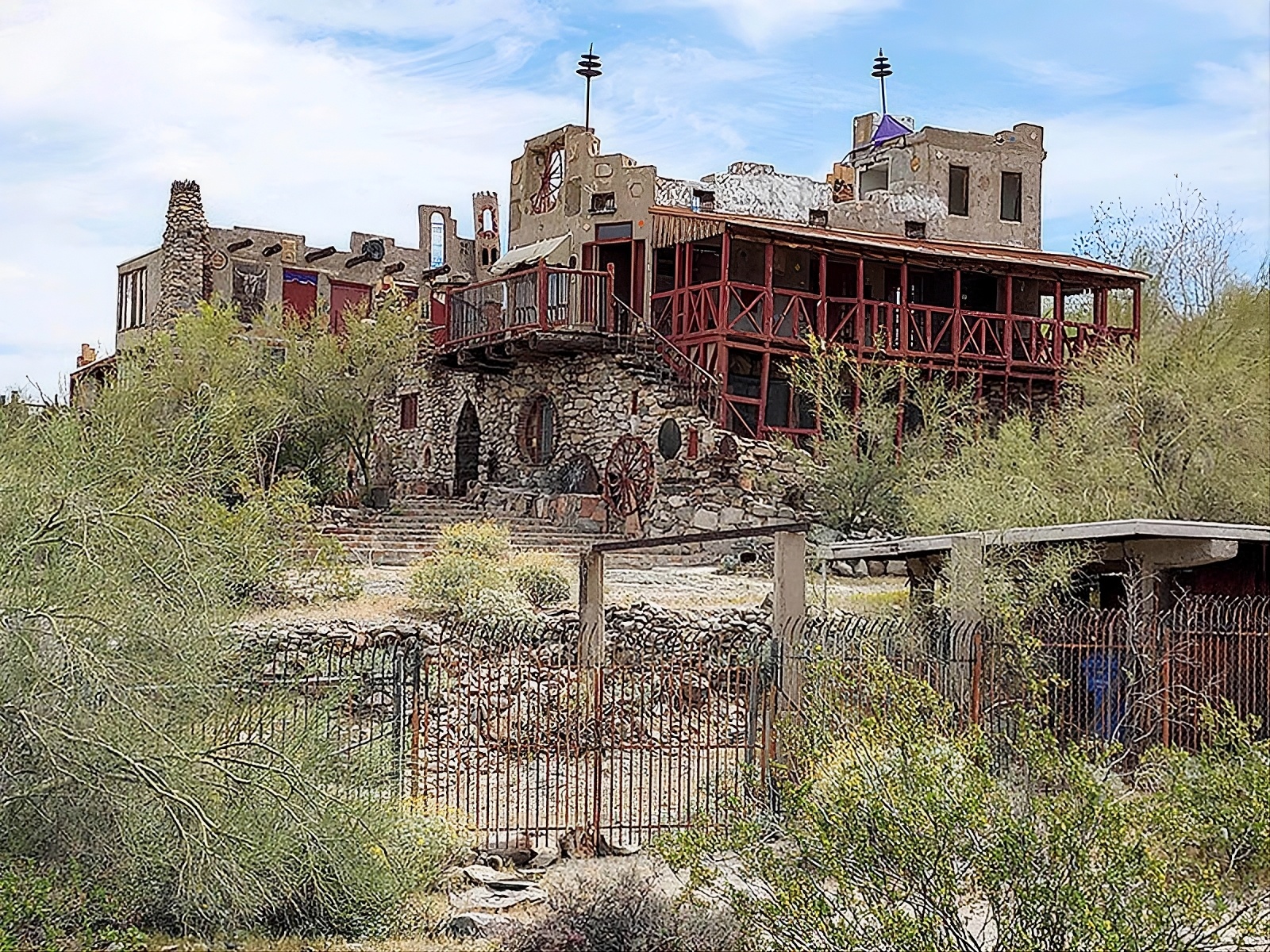
Without a blueprint, without an engineer, and using scrap from the dump, a father spends 15 years building an 18-room castle for his daughter, featuring tram tracks, 13 fireplaces, and over 700 m², which may now be demolished.

The priority is clear: to increase capacity, reduce accidents, and shorten travel time on corridors that connect agricultural, industrial, tourism, and port hubs.
Within this amount, more than R$ 1.5 billion is concentrated on conservation services, pavement recovery, signage, and drainage.
In parallel, construction bids and infrastructure total more than R$ 7 billion in duplications, new connections, and structural improvements, while highway concessions involve over 1,200 kilometers under private management, with goals for modernization and safety.
For the end user, the expected effect is direct: better roads, more lanes, fewer forced stops due to potholes and dangerous curves, and a network of road works capable of sustaining the increase in the flow of cargo and tourists without collapsing the existing network.
Central Axis: Concrete Duplications and Whitetopping in the Interior
In the so-called Central Axis, which connects producing regions in the interior to major centers, road works concentrate on the PRC-466, PRC-487, and PR-460. The PRC-466 is getting a concrete duplication between Pitanga and Turvo and between Turvo and the district of Palmeirinha in Guarapuava.
In the same corridor, there is a concrete restoration of the PRC-466 between Manoel Ribas and Pitanga.
The PRC-487 and PR-460, between Nova Tebas and Pitanga, are undergoing recovery using the whitetopping technique, which applies a layer of concrete over the existing asphalt pavement, transforming the old surface into a structural base.
This type of intervention prolongs the lifespan of the road, reduces deformations, and decreases maintenance costs in stretches with heavy truck traffic.
In other fronts, the paving of the PR-239 between Mato Rico and Roncador and the Northwest Detour of Pato Branco enhance the connectivity of the Center and the Southwest.
The goal is to connect productive rural areas to high-capacity axes, preventing trucks from crossing urban centers on narrow roads full of intersections.
Coast and Guaratuba Bridge: More Stable Access for Vacationers and Cargo
In the Coastal region, road works are advancing primarily on the PR-412.
Between Matinhos and Praia de Leste, in Pontal do Paraná, the highway is receiving concrete duplication, while the stretch between Guaratuba and the border with Santa Catarina is in the project phase for future duplication.
These interventions create a more robust corridor for the intense flow of tourists and trucks heading to the beaches and the port of Santa Catarina.
At the same time, the construction of the Guaratuba Bridge continues as a structural work to integrate the Coast with the rest of the State, providing an alternative to the ferry crossing and increasing the reliability of the route on days of strong winds, rough seas, or long queues.
By combining the bridge, duplications, and improvements in urban access, the package of road works in the coastal region aims for faster, more predictable, and less stressful journeys during high season periods.
New Bridges, Interchanges, and Detours Remove Heavy Traffic from Urban Centers
Besides the Coast, several road works in the interior are redesigning traffic in medium-sized cities and agro-industrial flow corridors.
Among the highlights is the new bridge over the Rio Ivaí, linking São Carlos do Ivaí to Japurá, which improves the crossing between producing regions and reduces reliance on older bridges that are more susceptible to load restrictions.
In the West, lot 2 of the Northwest Detour of Pato Branco and the Palotina Detour, conducted in partnership with the C.Vale cooperative, divert trucks from residential areas and central locations.
By removing heavy traffic from the urban zone, these detours reduce the risk of accidents, noise, and wear on municipal roads while shortening the long-distance route.
Other interventions include the new interchange on the PR-160 in Cornélio Procópio, the paving of the PR-574 and PR-575 between Cafelândia and Tupãssi, and the duplication of the PR-317 in different stretches, such as between Maringá and Iguaraçu and in areas of Campo Mourão and Toledo.
Together, these projects reorient the flow of cargo vehicles, providing more fluid routes for truck drivers crossing the State on agricultural and industrial paths.
Concessions, Cheaper Tolls, and Partnership with the Private Sector
The advancement of road works in Paraná also relies on partnerships with the private sector.
In new concession lots, there is an average reduction in toll rates, with highlights for discounts close to 21 percent in some stretches, such as Lot 4, compared to the old contracts.
The logic is to exchange higher rates and little work for contracts that combine lower prices with higher volumes of mandatory investments.
Besides the concessions, the State uses presumed ICMS credit mechanisms to attract private investments in specific works.
In Telêmaco Borba, for example, Klabin S/A is executing a trench and viaduct that integrate industrial and urban access, while the Palotina Detour, linked to C.Vale, improves the flow of agro-industrial production.
These arrangements increase delivery capacity without relying solely on direct public funding.
In practice, the combination of road works financed with public resources, concessions, and sector partnerships aims to create a scenario where the user pays more competitive tolls and travels on better roads, with a reduced risk of accidents and unforeseen events.
Deliveries of 2025 and Next Steps for Road Works
While new fronts are being opened, 2025 has been marked by important deliveries.
The PRC-280 received whitetopping between Palmas and Clevelândia and between Clevelândia and Pato Branco, reinforcing a vital axis for the Southwest.
The PR-239 was paved between Pitanga and Mato Rico, and the PR-445 gained duplication between Mauá da Serra and Lerroville, a district of Londrina.
Also concluded were the duplication of the PR-317 and the PR-840 in Campo Mourão, the whitetopping of the PR-180 between Goioerê and Quarto Centenário, new marginal roads on the PRC-466 in Pitanga, a viaduct on the BR-369 in Londrina, and two new viaducts on the BR-376 in Sarandi.
In the surroundings of Curitiba and Foz do Iguaçu, the duplication of the Mining Road in Almirante Tamandaré and the East Perimeter Road in Foz do Iguaçu gained prominence, improving access to industrial and tourist hubs.
To maintain the pace, DER/PR has already contracted projects that will serve as a basis for future road works, such as the preliminary project for the duplication of PR-151 in Ponta Grossa, restoration and expansion studies for PR-218 between Paranavaí and Amaporã, and PRC-158 between Vitorino and the border with Santa Catarina.
These projects prepare a new round of contracts for the coming years and prevent the project portfolio from running out after the current cycle.
Given this scenario, with R$ 5 billion driving road works in all regions, more competitive tolls, and a robust package of duplications, detours, and new bridges, in your opinion, which project should be the top priority to improve the daily lives of truck drivers and tourists crossing Paraná?








Graças a Deus, hoje a situação do Brasil mudou.
Queria ver fazer essas obras durante o governo do Bolzonaro.
Concordo com a opinião do Rubens: a duplicação da BR-369, entre Cascavel e Campo Mourão.
Todas duplicações são bem vindas, mais uma que está fazendo falta e a de campo mourão até cascavel, uma região de várias empresas, cooperativas, chega e sai muitos caminhões, acho que agora vai