





 English
  Francês
  Alemão
  Italiano
  Japonês
  Norueguês
  Portuguese
  Spanish
  3 min of reading


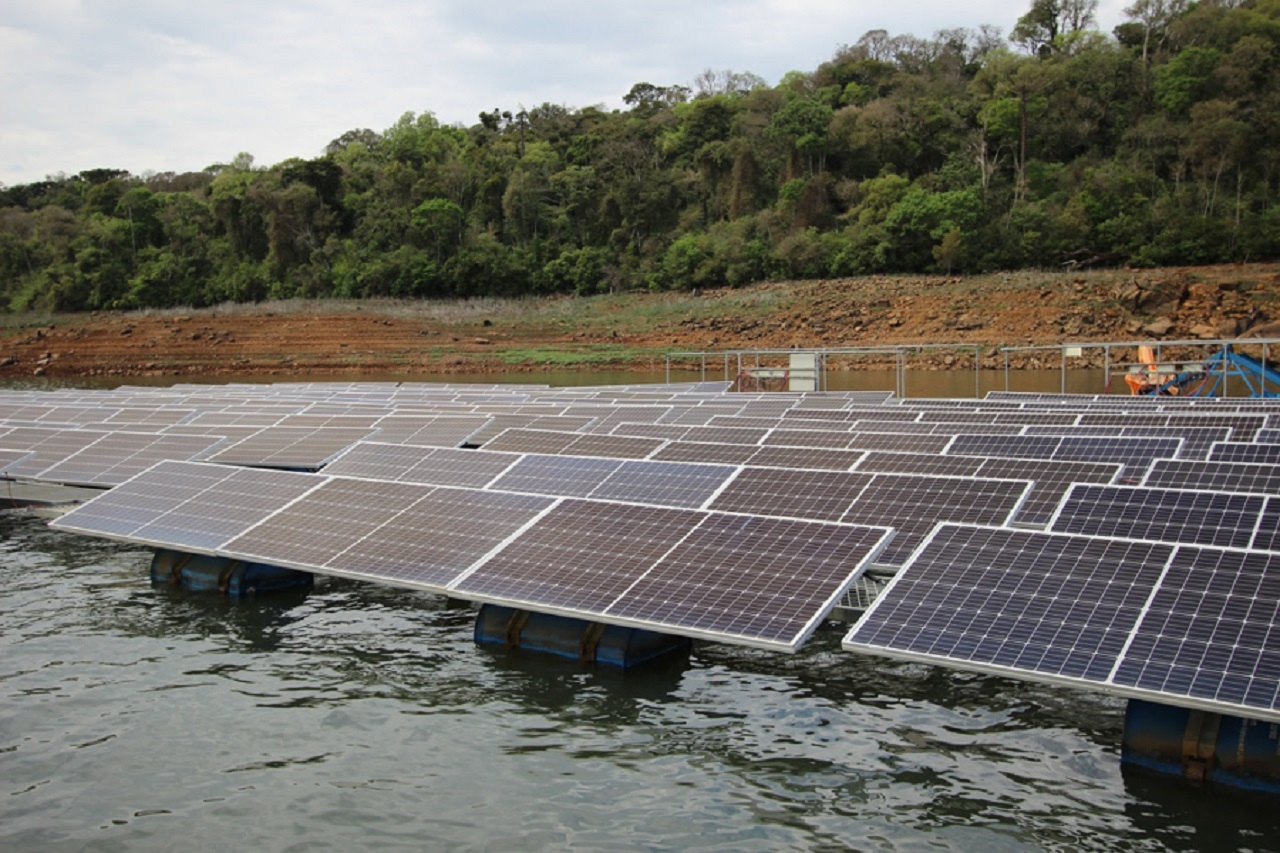
Paraná Just Inaugurated the First Floating Photovoltaic Solar Plant in the South Region. The Unit Is Near the Santa Clara Hydroelectric Plant and Can Generate Up to 100 kWp
The South region has just received its first floating photovoltaic solar plant, located in Paraná. The unit, which has already gone into operation, is part of the project coordinated by Lactec under Aneel’s R&D Program, and is implemented between the municipalities of Pinhão and Candói, in the reservoir of the Santa Clara hydropower plant, which has a capacity of 120 MW. The floating solar plant in Paraná belongs to Elejor, a Special Purpose Company (SPE), of which Copel is the majority partner.
Also Read
Paraná’s Floating Photovoltaic Solar Plant Has 100 kWp of Power
The first plant in Paraná is equipped with 276 solar panels, which are mounted on a floating metal structure. In total, the panels provide a power output of 100.7 kWp over an area of 1,100 m². The floating solar plant is connected to a ground electricity center, which converts direct current to alternating current, used to meet the electricity demand of the hydropower plant itself.
According to Kleber Franke Portella, project coordinator for Lactec, the benefits of the floating solar plant compared to other onshore plants are that no investments in adaptations and land acquisition are necessary, such as earthworks or vegetation clearing.
-
A study reveals the expansion of renewable energy procurement in Brazil and shows how companies are taking advantage of opportunities to reduce expenses, ensure energy efficiency, and strengthen strategic environmental commitments.

-
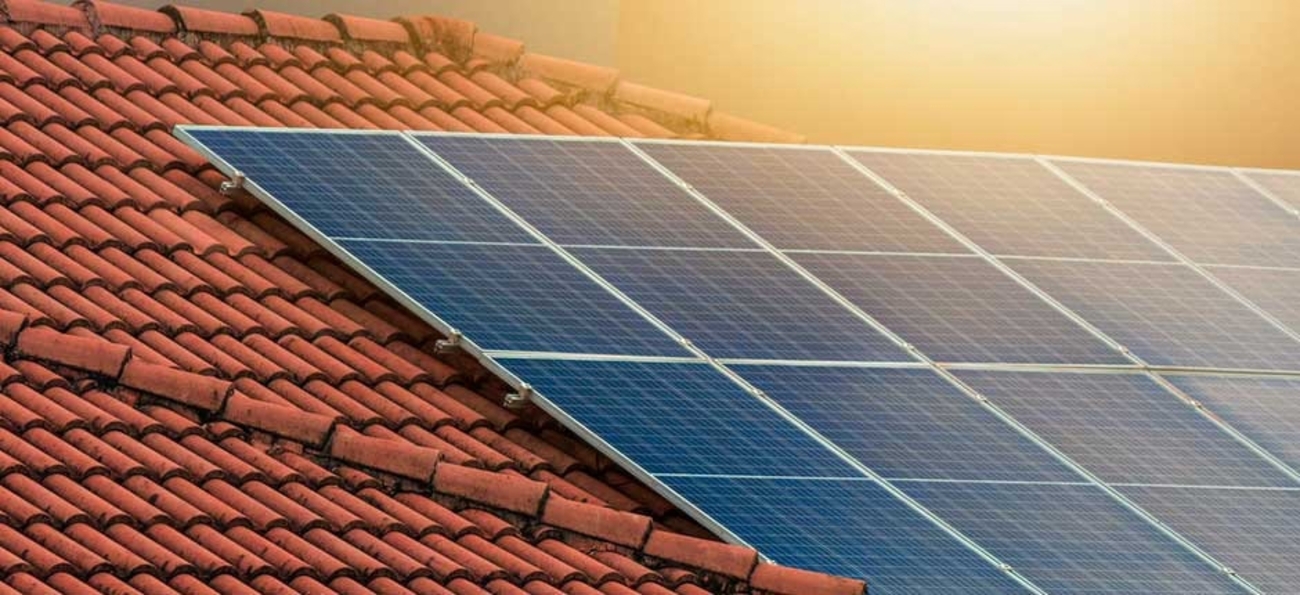
Roraima bets on the sun to escape high tariffs: Amid the energy crisis and price hikes, solar energy is growing in Roraima and transforming consumption in the North region.
-
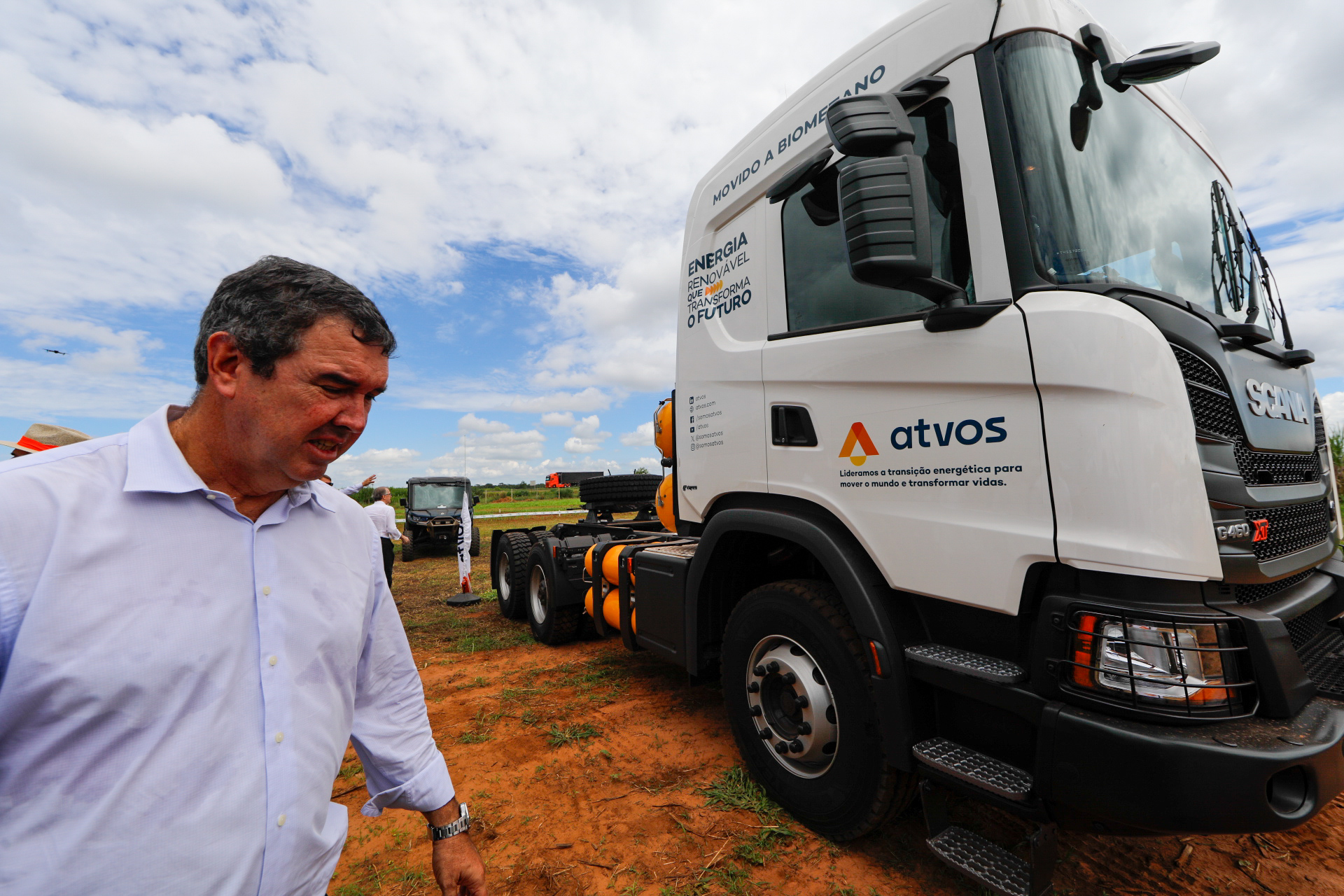
Mato Grosso do Sul excels in the sugar-energy sector: the state reaches a milestone of 22 operating mills and accelerates the production of clean energy in MS with a focus on sustainability.
-
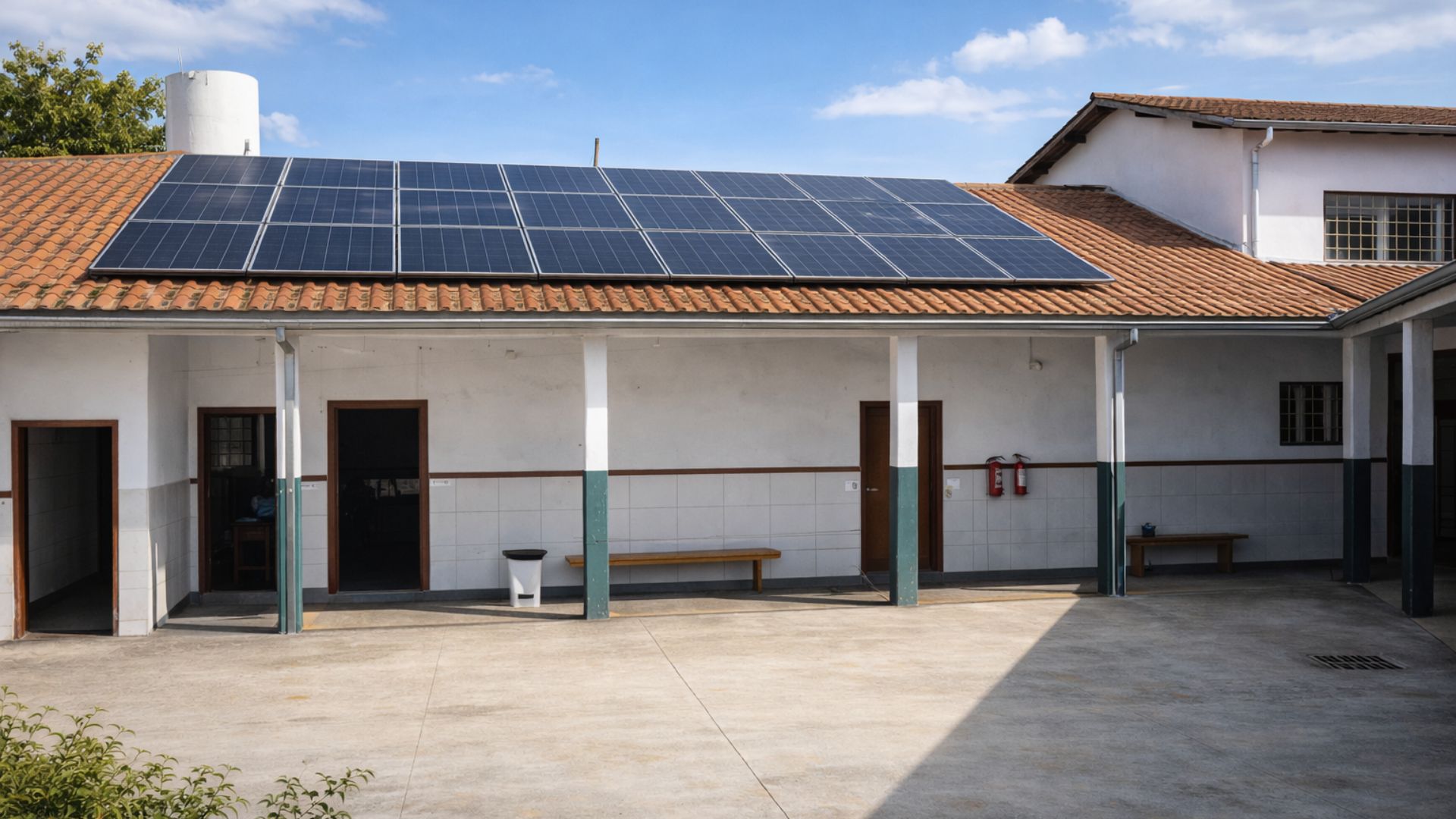
Copel boosts solar energy in Paraná and brings innovation to public schools, promoting savings on electricity bills, energy efficiency, and a direct impact on the quality of education.

Other favorable points for the offshore photovoltaic solar plant include security against theft and vandalism and also avoiding the use of land that could be utilized for other purposes, such as agriculture, among others.
Challenges Encountered During the Implementation of the Offshore Solar Plant
The National Energy Plan (PNE) 2050 states that the potential of this type of energy generation can reach 45.5 terawatt-hours/year. This capacity could meet 1% of Brazil’s demand for about a year, based on the capacity used in 2020, which was 474.2 TWh, according to EPE data.
The floating solar power plant in Paraná is about 250 meters from the bank, making this one of the main challenges encountered in the project’s path. The lake where the photovoltaic solar plant is located has variations of up to 20 meters in water level, and the anchoring system had to adapt to such fluctuations.
Understand the Importance of the Anchoring System
For Kleber, the dynamic anchoring mechanism is crucial for the project in Paraná to function perfectly, given that variation is common in the reservoirs of hydropower plants.
According to the researcher, this is something that must be considered in the design of a photovoltaic solar plant installation of this type, both to preserve the integrity of the structures and to ensure good energy generation performance.
The project was part of a comparative study, where different generation modules were tested: one completely flat, one inclined, and another with a solar tracker. The modules with solar trackers achieved the best performance; however, there are other aspects to consider for the installation of these, such as weight and energy consumption of the trackers.









Seja o primeiro a reagir!