






 Portuguese
  Spanish


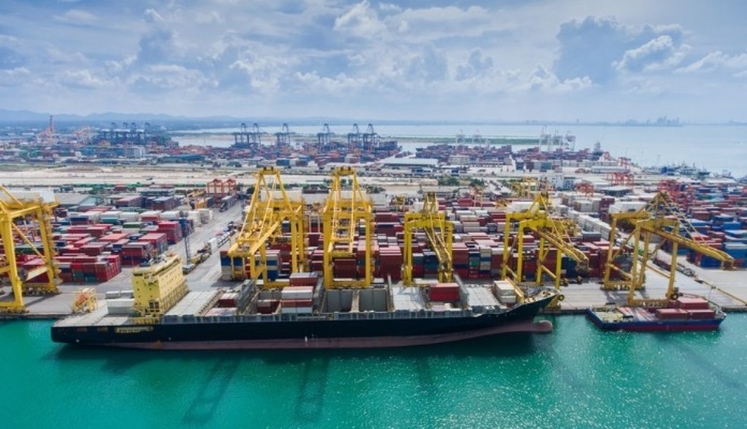

Meeting With Arabs at the Itaqui Port Focused on Investment in Maranhão Commerce, As the Port Is One of the Main Transporters of Grains, Grains Produced in the North Region and Part of the Center-West Are Sent.
The Itaqui Port was present on Monday (2) in São Paulo, at the Brazil and Arab Countries Economic Forum, an event held by the Arab-Brazilian Chamber of Commerce on the theme Building the Future, which proposes a reflection on how this relationship should be strengthened jointly and sustainably. At the event, possibilities to better integrate the needs of Arab countries to ensure food security, Brazil’s availability to provide food, and the importance of logistics in this context were discussed.
Read Also
- Government to Connect the Itaqui Port in Maranhão to the Port of Santos by Railway
- Investment of 200 Million in New Raízen Terminal in Maranhão Promises to Challenge Refineries
- Agribusiness Exports Total Nearly US$ 9 Billion in August
- Ministry of Agriculture Says Grain Harvest Will Grow by 27% in the Next Decade, Reaching 318 Million Tons
Development of Industrial Exports at the Itaqui Port
Representatives from the Arab countries included members of the Federation of Egyptian Chambers, Dubai Airport FreeZone, SOHAR Port and Freezone (from Oman), and the Arab Union for Industrial Exports Development.
The debate was moderated by journalist Fernando Lopes from Valor Econômico on the Brazilian side and by the Vice President of the Tunisian Confederation of Industry and Commerce, Ambassador Hassine Bouzid, on the Arab side. During the panel, long-term partnership strategies and agreements to facilitate these processes were also discussed.
-
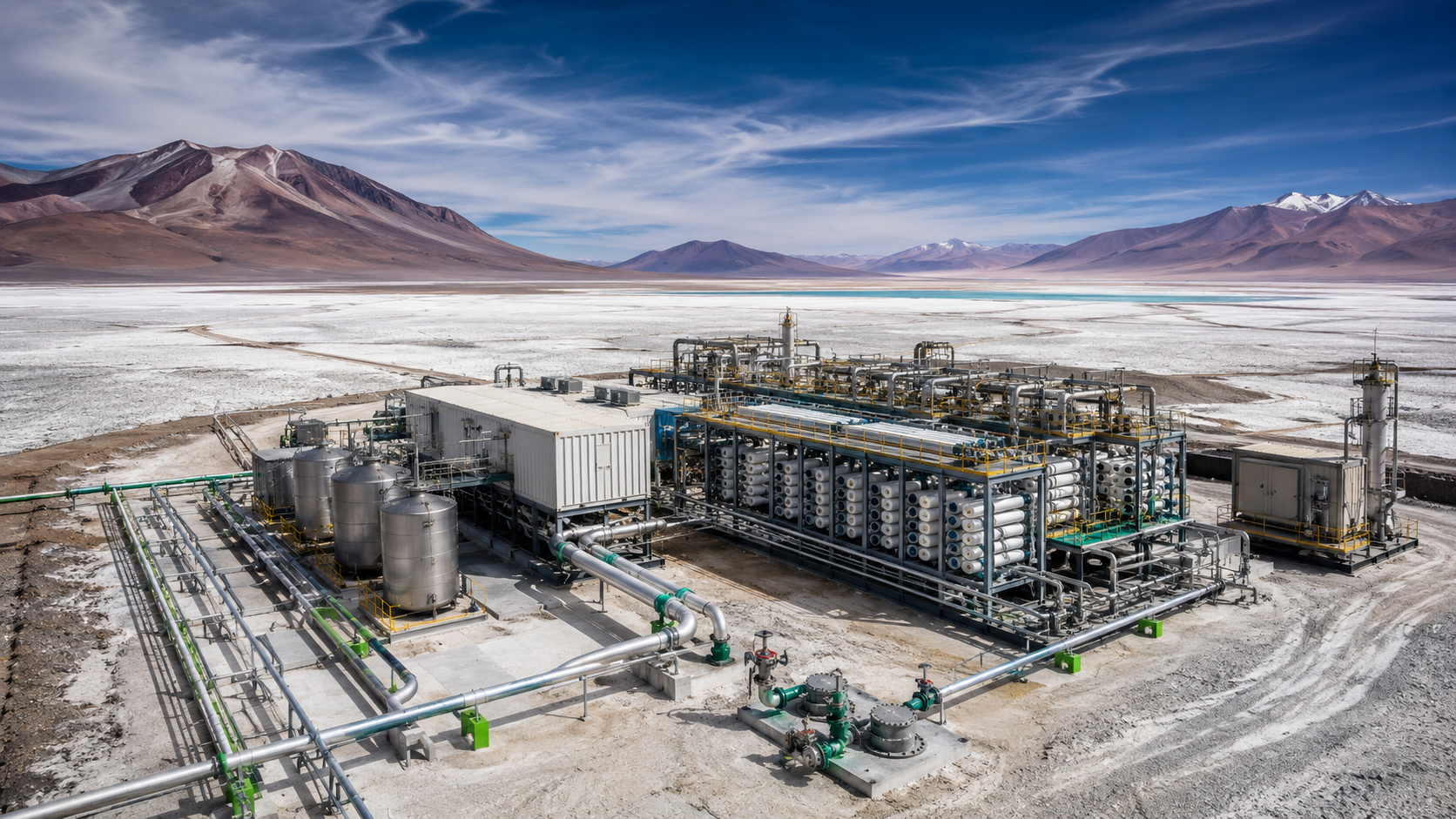
Eni Acquires 25% Stake in Chilean Lithium Project, Plans to Invest Up to $225 Million in Eco-Friendly Extraction Method

-
French Brand Transforms 6 Million Brazilian PET Bottles into Sustainable Sneakers for Global Fashion Market
-
Abandoned Factory in Rio’s North Zone Becomes Urban Hazard with Standing Water and Debris

-
The U.S. Navy Conducts Submarine Tests in Idaho Lake to Detect Underwater Noises Hidden by the Ocean


“We presented the Itaqui Port as a logistical advantage for the flow of food production from all of Central North Brazil,” stated Ted Lago, who traveled to São Paulo accompanied by Jailson Luz, the Planning and Development Director of EMAP.
Working Group to Enable Export Line for Animal Protein Trade at the Itaqui Port
The presence in the trade at the Maranhão public port in this strategic event is one of the results of the Arab Chamber’s mission to EMAP in 2017, when business opportunities between Maranhão and the Arab world were discussed.
On that occasion, a commitment was made to form a working group aimed at enabling an export line for animal protein through Itaqui.
The Arab world consists of 22 countries with 406 million inhabitants spread over an area of 13.5 million square kilometers. This portion of the globe holds 60% of the world’s oil reserves and is a territory in search of food, a great opportunity for Maranhão commerce. Exports and imports between Brazil and Arab countries totaled over US$ 20 billion in 2017, and commercial opportunities between the two regions are likely to grow even further.
About the Itaqui Port
The Itaqui Port sends grains produced in the North region and part of the Center-West. “Seven Brazilian states move cargo with us,” says the port president.
The grains shipped via Itaqui are mainly soybeans and corn. From March to September, during the peak soybean harvest, nearly 1 million tons of grains leave Itaqui by ship each month.
The Itaqui Port is also the third largest in Brazil in terms of fuel movement. It has the capacity to receive large vessels carrying fuels due to its depth. Some of this fuel is also transferred to smaller ships for transport to other ports in Brazil. “It’s a tripod; grains, fertilizers, and fuels always go hand in hand because agribusiness also demands a lot of fuel for both planting and harvesting,” says Lago.







