





 Portuguese
  English
  Spanish
 6 min of reading
  0 comments


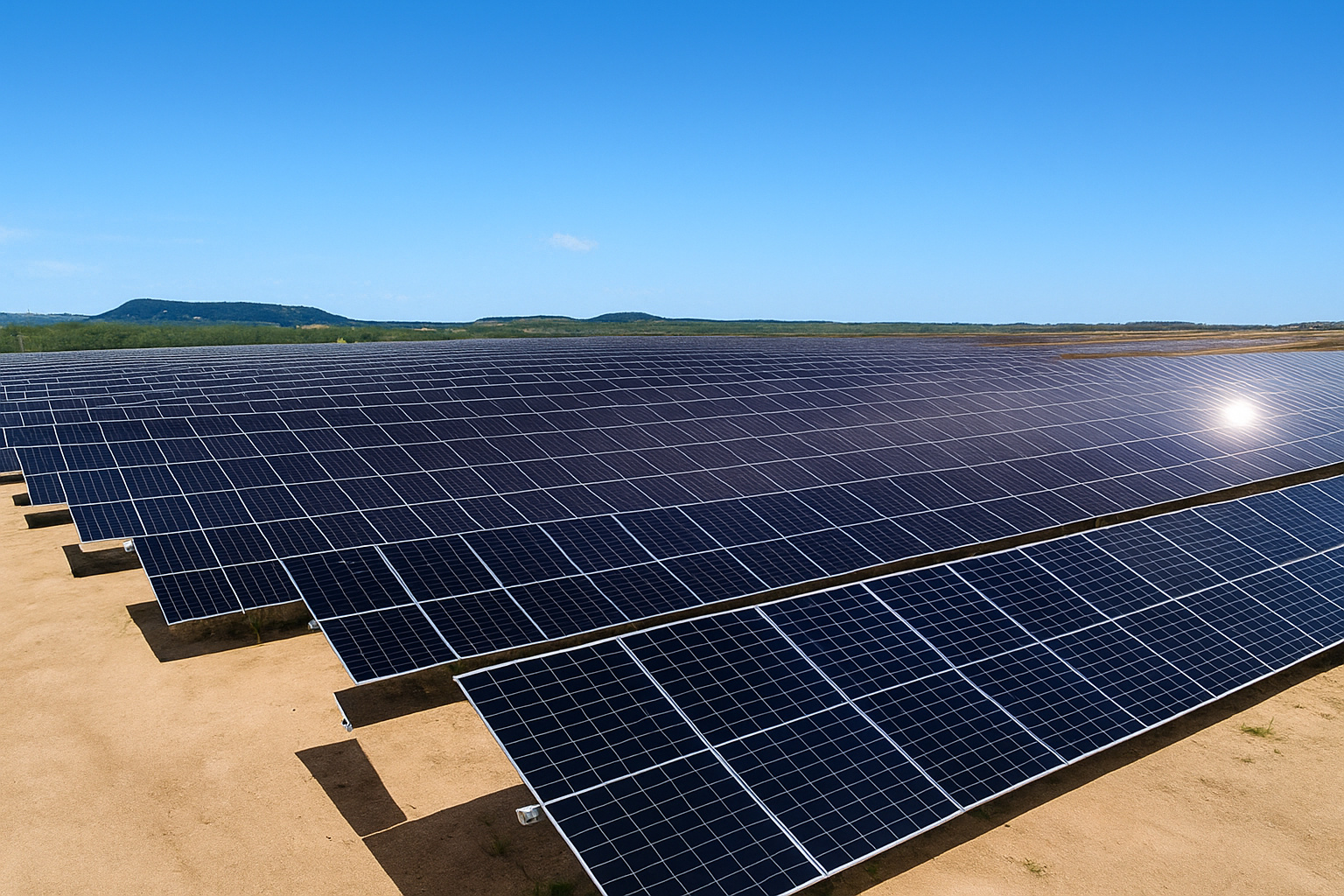
Invest In The Future With Solar Power To Offset Energy And Reduce Public Costs With Sustainability And Innovation In Paraná.
The State of Paraná reaffirms its commitment to sustainability and energy innovation by starting the implementation of eight solar plants to offset the energy consumed by public buildings.
This project, led by the Paraná Planning Secretariat (SEPL) and executed by Paraná Projetos, combines economic efficiency, education, and environmental preservation.
Thus, the state solidifies itself as a national reference in clean energy and energy self-sufficiency.
-
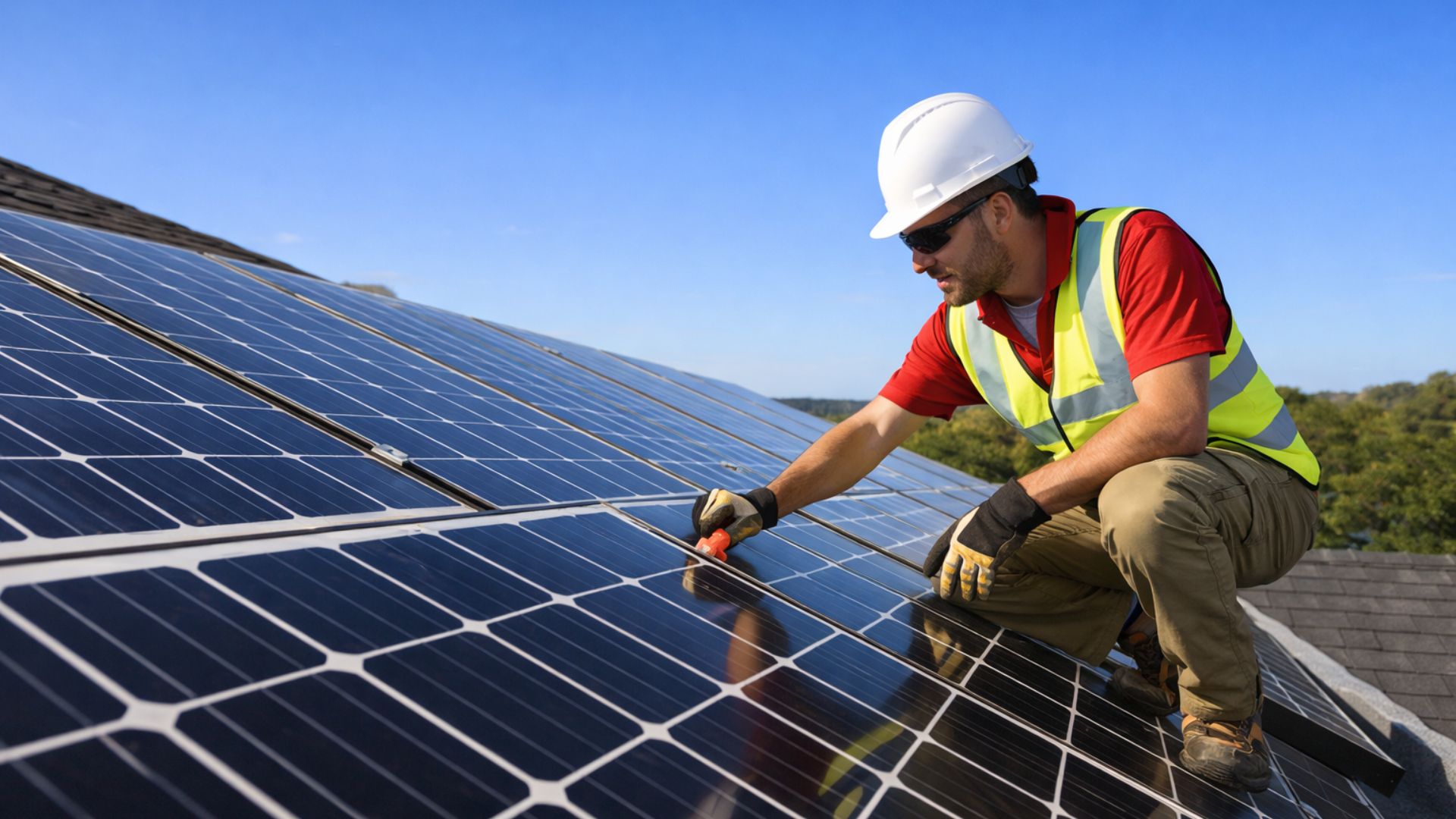
Seagri’s headquarters invests in solar energy with Neoenergia Coelba and promises to cut electricity costs, highlighting a strategic advance in sustainability and energy efficiency within state public administration.
-
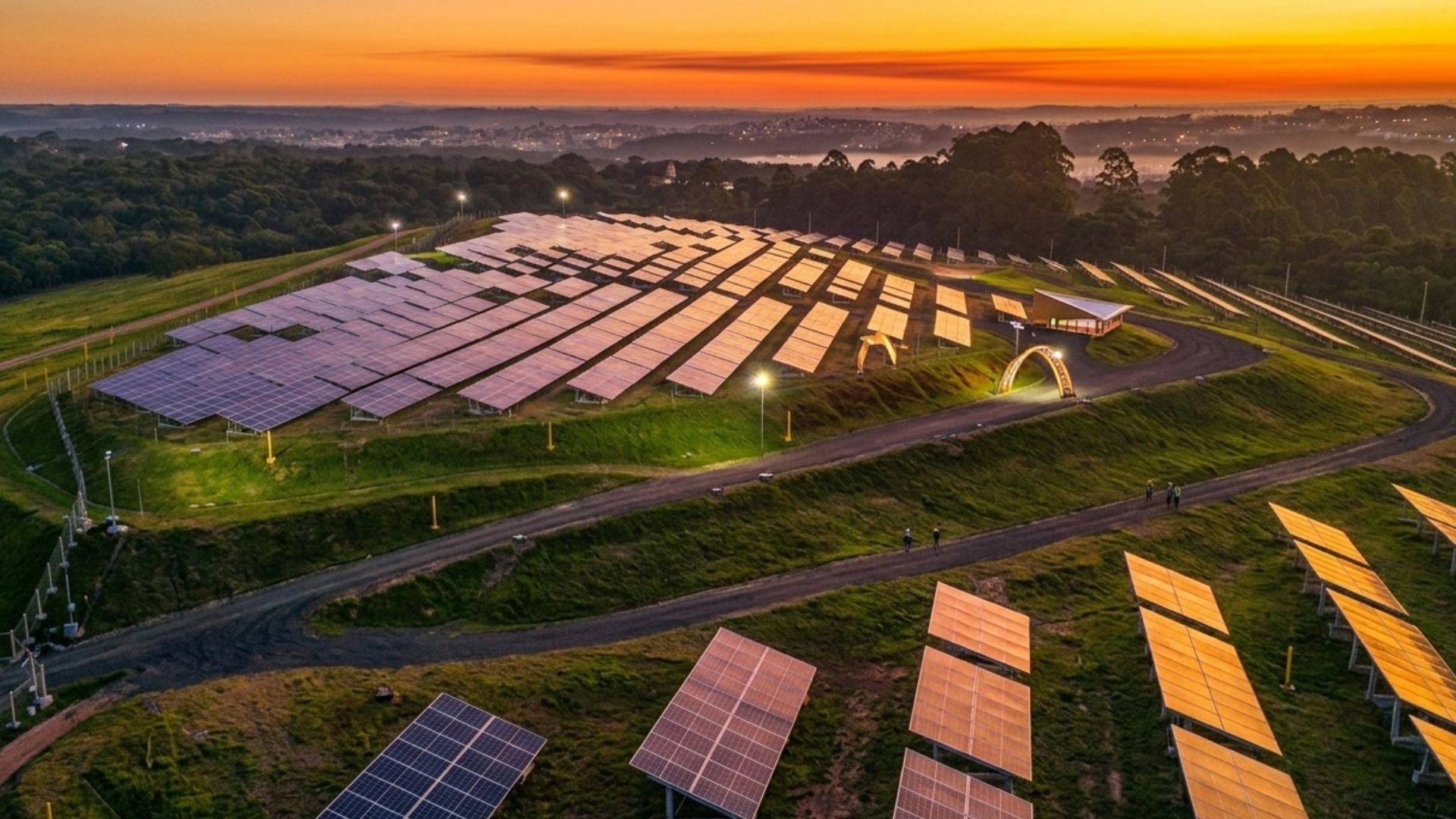
Solar Pyramid draws attention by converting solar energy into million-dollar savings and repositioning the City Hall of Curitiba as an example of innovation, sustainability, and intelligent use of public resources.
-
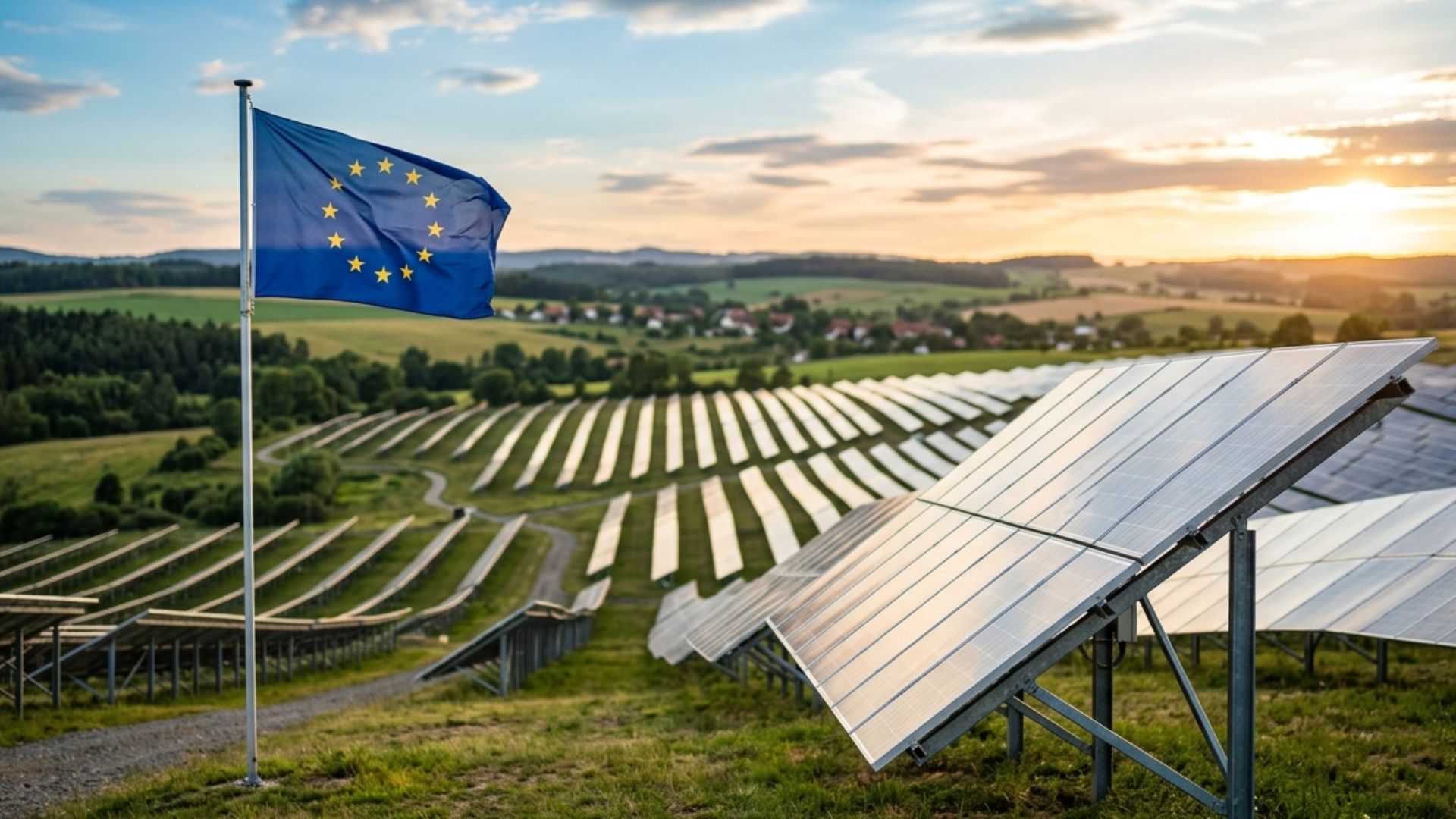
Europe records strong euro economy with solar energy in March and sparks curiosity about which country leads growth that redefines the energy market and reduces costs.
-
Piauí reaches a historic milestone in energy transition: State records nearly 160,000 households powered by solar energy and leads growth in the Northeast.
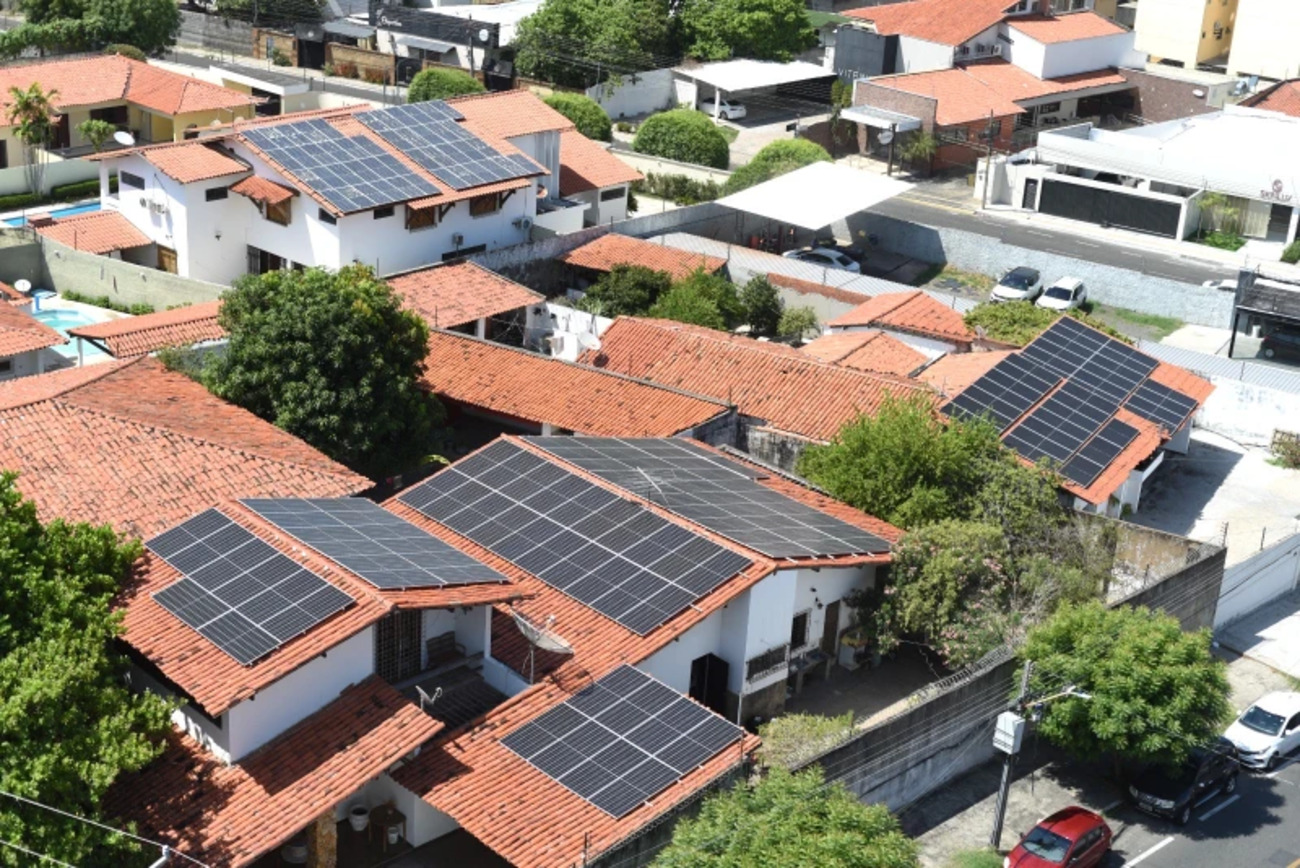

Furthermore, the investment of R$ 100 million, financed by the Copel Action Plan, foresees the installation of plants in Ibiporã, Castro, Palmeira, Arapoti, Joaquim Távora, Apucarana, Toledo, and Foz do Iguaçu.
With a total capacity of 20 megawatts (MW), they will generate about 32 gigawatt-hours (GWh) per year — enough energy to supply more than 15 thousand households.
Thus, the state will reduce its dependence on the conventional grid and ensure a more efficient management of public resources.
Similarly, the distributed generation model adopted allows the solar energy generated to remotely offset the consumption of public bodies.
According to the National Electric Energy Agency (Aneel), the system converts the surplus produced into energy credits that lower the government’s electricity bills.
Therefore, this strategy provides energy autonomy and cost predictability, essential elements for sustainable and long-term planning.
Historical Context And Evolution Of Solar Energy In Paraná
Historically, Brazil built an energy matrix strongly based on hydropower.
However, the search for diversification and lower environmental impact stimulated the advancement of solar energy.
In the case of Paraná, the favorable climate and incentive policies created ideal conditions for strengthening the energy transition, contributing to the global goals of reducing carbon emissions.
Since 2012, when Aneel created the rules for electricity compensation, Brazilian consumers have started to produce their own energy and exchange surpluses with the grid.
As a result, the country began a process of decentralization of electric generation.
In Paraná, this movement grew rapidly, as there were tax incentives, facilitated credit, and state support programs for the expansion of photovoltaic technology.
Furthermore, the implementation of the new plants boosts the integration between sustainability and education.
Part of the energy generated will serve the State Department of Education (SEED), benefiting schools and administrative units.
Thus, the state saves money while also creating practical learning spaces for students in technical courses, who will learn about installation and maintenance of photovoltaic systems.
The Education Secretary, Roni Miranda, states that the project combines economy, sustainability, and technical education.
Therefore, this initiative transforms solar energy into a tool for social and technological innovation.
Additionally, it trains specialized professionals and stimulates the growth of a new economic sector in Paraná.
Environmental Impacts And Economic Benefits
From an environmental perspective, the project brings significant benefits.
The eight plants will avoid the annual emission of 10 thousand tons of carbon dioxide (CO₂) — equivalent to planting 70 thousand trees or removing 2,500 cars from the streets.
Over a period of 25 years, Paraná will stop releasing 250 thousand tons of CO₂ into the atmosphere.
In this way, the state will contribute directly to the goals of the Paris Agreement.
Each plant will occupy approximately 35 thousand square meters, an area equivalent to five soccer fields.
As a result of a strategic plan, the government chose public lands, which reduced costs and facilitated maintenance.
Additionally, the installations will feature high-efficiency panels, modern inverters, and remote monitoring systems, ensuring performance, safety, and reliability.
Another advantage is that one of the plants will serve exclusively the Institute for Rural Development of Paraná (IDR), while the others will offset 34% of the electrical consumption of the SEED network.
Thus, this compensation will significantly reduce the electricity bills of public buildings.
As a result, the state can direct resources to education, innovation, and social programs.
According to the IDR’s president, Natalino Avance de Souza, the project strengthens budget independence and values clean energy.
Moreover, the initiative creates local jobs in the construction, operation, and maintenance of the plants, which stimulates regional commerce and strengthens the local economy.
Thus, Paraná promotes a sustainable cycle of economic and environmental development.
Sustainability As State Policy
The Planning Secretary, Ulisses Maia, emphasizes that sustainability is a permanent hallmark of the state government.
According to him, the initiative should inspire other institutions to follow the same path, as it aligns with the global trend of replacing fossil sources with renewable alternatives.
In addition to Paraná, other Brazilian states — such as Minas Gerais, Pernambuco, and Rio Grande do Norte — also invest in large solar projects.
This expansion reinforces the role of self-production and distributed generation in the modernization of the national electric sector.
Thus, solar energy ceases to be merely an alternative and consolidates itself as a essential part of contemporary energy policies.
Paraná has been on this path for decades.
Since the 2000s, the state has been developing energy efficiency programs and rational electricity use.
For its part, Copel leads actions for research and technological innovation in renewable sources.
Therefore, the new solar plants represent the continuation of a solid strategy that combines economic growth, environmental responsibility, and innovation.
By adopting sustainable practices, the public authority becomes a benchmark for the rest of the country.
Thus, the state management demonstrates that it is possible to reconcile modernization, economy, and environmental awareness.
Thus, Paraná strengthens its image as a territory committed to a green and smart future.
Solar Energy And The Future Of Public Management
Solar photovoltaic energy is one of the most promising solutions for Brazil’s energy future.
As a clean and inexhaustible source, it reduces dependence on fossil fuels and increases the reliability of the electric system.
Furthermore, installing solar plants in strategic locations reduces transmission losses and improves the quality of energy supply.
With technological advancements, the cost of photovoltaic equipment decreases every year.
For this reason, Paraná, by investing in solar plants to offset energy, ensures immediate savings and sustainability in the long run.
Thus, the state reinforces its commitment to a modern, responsible, and efficient public management model.
According to the schedule, the implementation of the plants should be completed in 12 months.
The government intends to have them fully operational within this timeframe.
As a consequence, the state will consolidate an innovative energy model, fully aligned with the environmental demands of the 21st century.
With this initiative, Paraná stands out nationally as a reference in environmental and energy governance.
In this way, it demonstrates that it is possible to grow in balance, invest in technology, and simultaneously preserve the environment.
An Example Of Brazilian Energy Transition
In a global scenario that demands urgent actions against climate change, Paraná positions itself ahead by investing in solar plants to offset energy in public buildings.
This project combines education, sustainability, and innovation, proving that development can go hand in hand with environmental respect and social responsibility.
As a result, the state is building an inspiring model for the country that combines energy autonomy, job creation, and emission reduction.
Thus, Paraná consolidates itself as one of the leaders of the Brazilian energy transition, driving a future that is greener, more efficient, and more sustainable.









Seja o primeiro a reagir!