





 Portuguese
  English
  Spanish
  4 min of reading
  0 comments


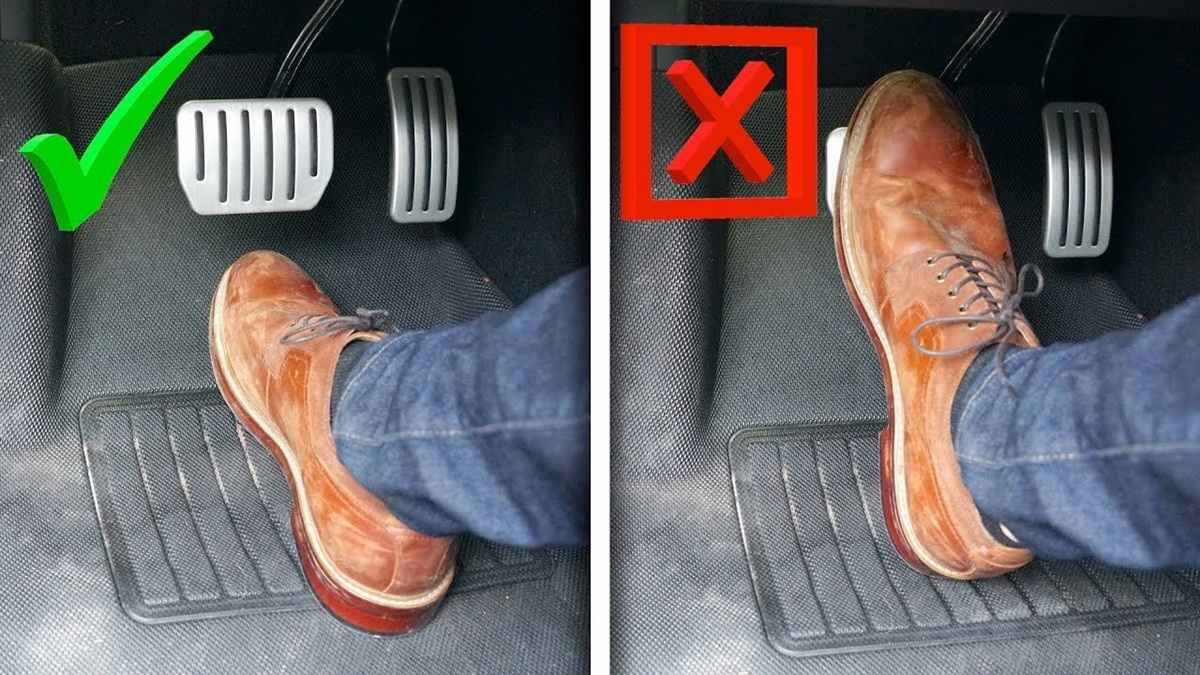
Small Changes In Driving Style Can Make A Big Difference When It Comes To Saving Fuel — And You Can Start Now
When it comes to saving fuel, many people only think about the type of car they have. But the way you drive can have an even bigger impact on consumption.
We explain five practical techniques that really make a difference in daily driving when it comes to saving fuel — without needing to resort to dangerous tricks or overly obvious solutions.
Keep Speed High Before Stopping
It may seem contradictory, but it makes sense. Imagine two situations in front of a red traffic light. The first car maintains 45 km/h until it gets close and then brakes suddenly.
-
A French brand placed a car on four huge red balloons to prove that its suspension made the vehicle “float,” and the surreal scene became one of the most iconic and unusual images in automotive history.

-
Jeep Avenger begins production in Brazil, debuting as the brand’s new entry-level SUV and inaugurating an unprecedented phase by becoming the first national Jeep manufactured outside of Goiana, as part of a R$ 3 billion plan.
-
Costing R$ 12,490, the new Shineray Urban Lite 150 “cheap one” arrives in Brazil with a CVT transmission, digital dashboard, and LED lights, making it more affordable than the Biz and targeting those who want to abandon the bus.
-
Ducati brings to Brazil the Superleggera V4 Centenario: 228 hp that become 247 with a track kit, carbon fiber and carbon-ceramic brakes, estimated price between R$ 1.5 and 2 million, deliveries only in 2027.

All the energy accumulated in movement turns into heat in the brakes.
Meanwhile, the second car sees the closed light from a distance, reduces its speed to 25 km/h, and arrives more gradually. When the light turns green, it’s already in motion, while the other is still stopped. This means less acceleration from zero and lower fuel consumption.
Reduce Average Speed On Trips
Reducing average speed a bit can result in significant savings. The reason lies in physics: the effort to overcome air resistance increases considerably as speed rises.
In a practical example, a car traveling at 130 km/h requires 26.3 horsepower to maintain its pace. At 120 km/h, it only needs 21.7.
This represents 21% more effort for a speed that is just 6.7% higher. In practice, you save fuel and only lose a few minutes on a long trip.
Take Advantage Of Engine Braking
Many people don’t know, but in modern cars, taking your foot off the accelerator and keeping the car in gear causes the engine to stop injecting fuel.
Instead of maintaining speed until the last second and then braking, it’s more worthwhile to simply take your foot off the accelerator as soon as you know you will need to stop. This way, you don’t use fuel during deceleration and spend less time stopped at the traffic light, thus using less fuel with the engine running.
Go Up Slowly, Go Down Accelerating
When there’s an uphill on the way, the tip is simple: slow down before you start going up. This way, you save fuel in overcoming the force of gravity.
Then, while going downhill, gravity helps to accelerate the car. Those who do the opposite — maintaining constant speed uphill and using brakes downhill — miss the chance to save energy and also overload the brakes.
The idea is to let the terrain itself help keep the car moving with minimal effort from the engine.
Shift Gears Early With Light Acceleration
Combustion engines operate more efficiently at low RPMs and moderate load. This means it’s better to accelerate gently and shift gears early.
Even if it seems the car is being “lazy”, this behavior allows the engine to work in a higher efficiency range.
On the other hand, accelerating hard and quickly reaching the desired speed might seem efficient in theory, but the result is often an increase in average speed — and with it, consumption.
Lower Average Speed, Lower Consumption
Average speed is one of the most important factors in fuel economy. Even if you accelerate efficiently, if the final average is high, consumption tends to rise. In comparative tests, a car that accelerated slowly had an average speed of 40 km/h, while another, more aggressive, maintained an average of 55.
Consumption was higher in the second case, even with techniques that would theoretically make better use of the engine.
Consider Traffic When Applying These Techniques
Although they are useful, these techniques require common sense. Braking much earlier than necessary or driving too slowly can annoy other drivers and cause dangerous situations.
The ideal is to use the tips when there is space, without disrupting the flow of traffic.
In free sections, it’s easier to apply engine braking, maintain distance, and control average speed safely.
Saving fuel doesn’t have to be difficult or dangerous. With simple changes in driving habits, you can drive more while spending less.
Reducing average speed, taking advantage of engine braking, using gravity to your benefit, and shifting gears at the right moment are actions that make a difference both in your wallet and the vehicle’s lifespan.
And the best part: all of this can be done with more comfort and less wear and tear.









Seja o primeiro a reagir!