





 Portuguese
  English
  Spanish
  3 min of reading
  0 comments


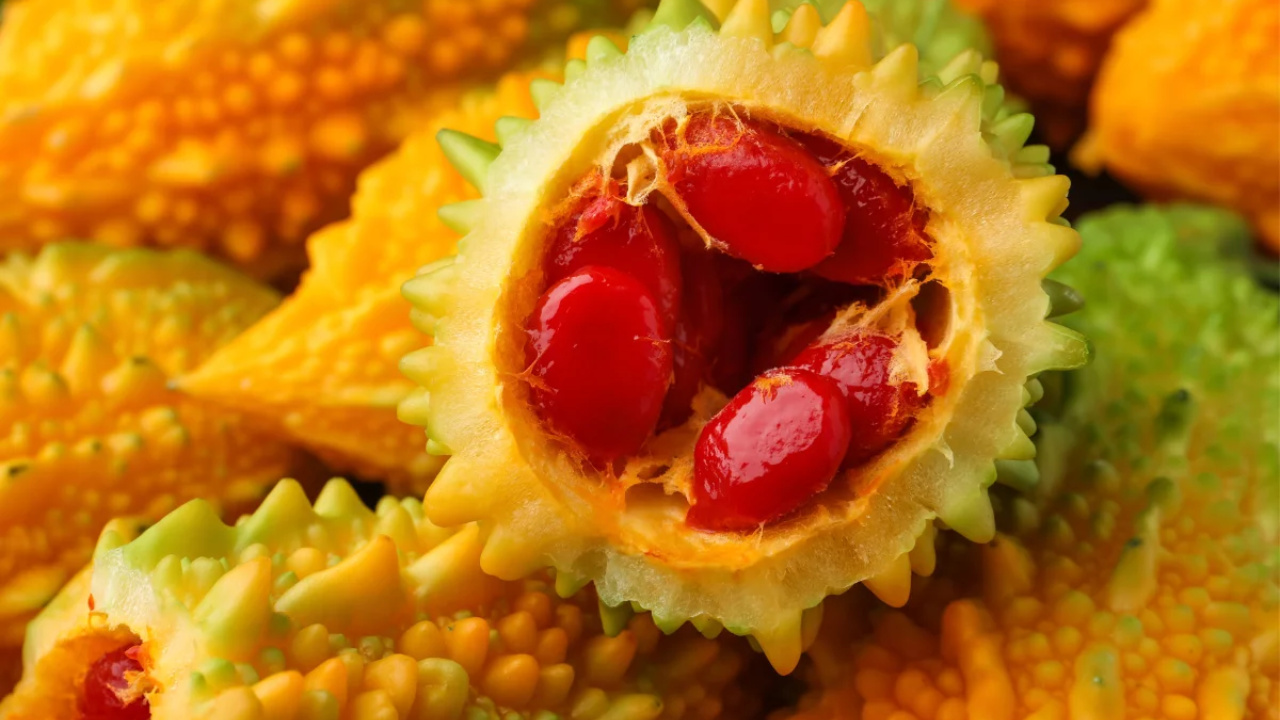
Known for Its Bitter Taste and Exotic Appearance, the Bitter Melon Intrigues with Its Medicinal Uses and Potential Risks. Discover How This Plant Can Be Both a Cure and a Danger.
With a skin full of bumps and a bitter taste, the Bitter Melon can be intimidating at first glance. However, this plant that appears toxic can actually be used as medicine.
Known by the scientific name Momordica charantia, the species is used in infusions, extracts, and even as an ingredient in Asian recipes. Today, it stands out in both natural medicine and the phytotherapy sector.
Potent, Bitter and Full of Possibilities
It’s not an exaggeration to say that the bitter taste of the Bitter Melon is its calling card.
-
The water that almost everyone throws away after cooking potatoes carries nutrients released during the preparation and can be reused to help in the development of plants when used correctly at the base of gardens and pots, at no additional cost and without changing the routine.
-
The sea water temperature rose from 28 to 34 degrees in Santa Catarina and killed up to 90% of the oysters: producers who planted over 1 million seeds lost practically everything and say that if it happens again, production is doomed to end.

-
An Indian tree that grows in the Brazilian Northeast produces an oil capable of acting against more than 200 species of pests and interrupting the insect cycle, gaining ground as a natural alternative in soybean, cotton, and vegetable crops.
-
The rise in oil prices in the Middle East is already affecting Brazilian sugar: mills in the Central-South are seeing their margins shrink just as ethanol gains strength.


This characteristic results from the presence of potent bioactive compounds, which function as the plant’s natural defense—yet in controlled doses, they can be used as medicine.
Among the identified compounds are charantin, vicine, and polypeptide-p, substances with antidiabetic, anti-inflammatory, and antibacterial actions.
Additionally, the plant provides good doses of vitamins A and C and important minerals.
Where Did the Bitter Melon Come From?
Originating from the tropical and subtropical regions of Asia, the Bitter Melon was domesticated in India and spread to other continents.
Its arrival in Brazil likely occurred during the colonial period, brought by Portuguese settlers or enslaved Africans.
In traditional medicine in India and China, its fruits, leaves, and roots have been used for centuries.
In Brazil, it began to grow spontaneously in backyards and vacant lots, often ignored or feared.
Rustic in the Field, Valued in the Industry
For farmers, this plant can represent a differentiator.
It grows easily, requires few inputs, and has good resistance to pests. It is ideal for those who invest in organic cultivation or agroecological systems.
With oblong fruits reaching up to 20 cm, covered with pointed reliefs, the Bitter Melon attracts attention.
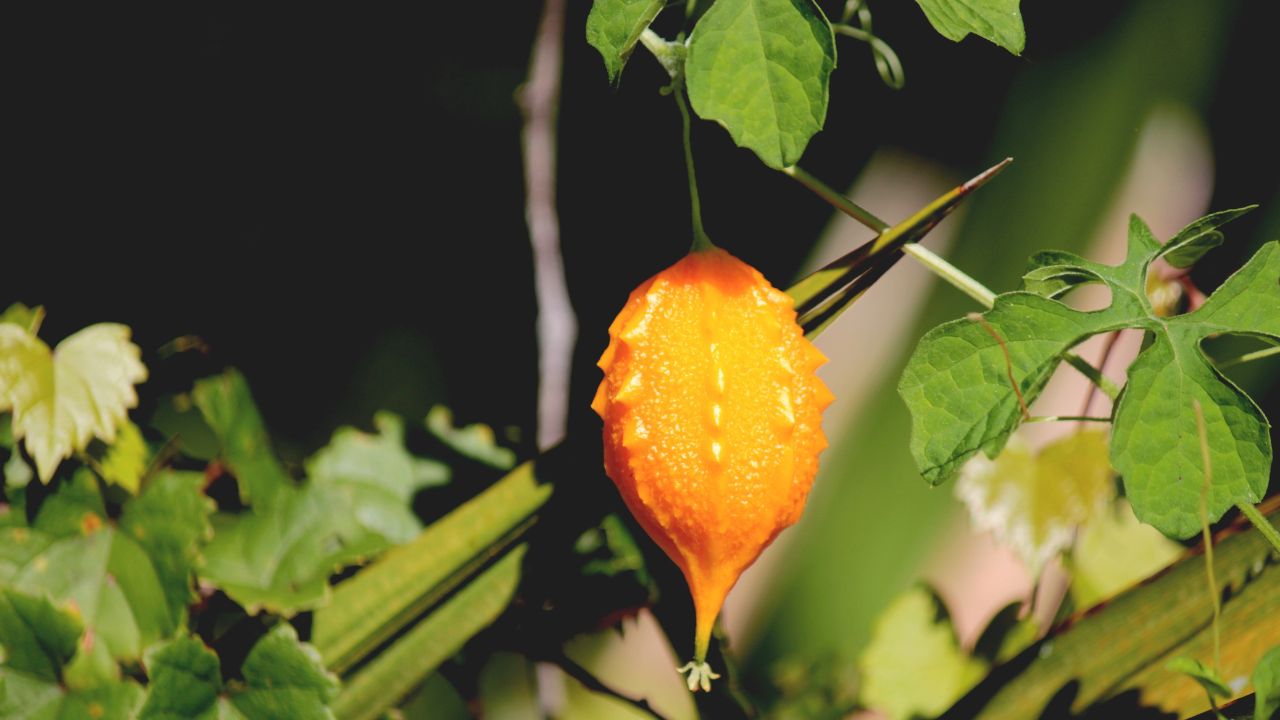
The climbing plant also produces unisexual yellow flowers and deeply lobed leaves.
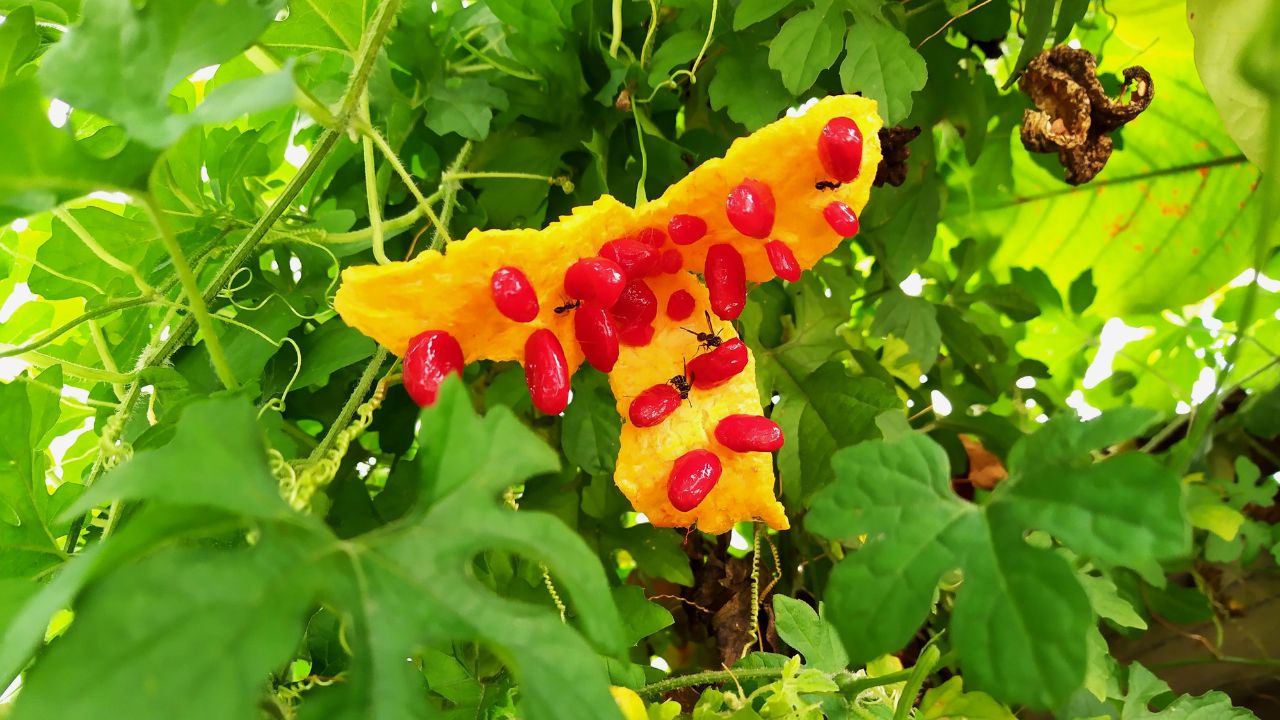
The harvest is selective: green fruits are used in cooking; ripe ones, which open revealing seeds surrounded by red pulp, are used for medication production or seed extraction.
The leaves, in turn, can be harvested frequently.
From Field to Shelf: New Ways of Marketing
The market potential for the Bitter Melon is varied. The fruits are sold fresh in Asian markets and restaurants.
The dried leaves are gaining ground among natural products and medicinal teas. The seeds are of interest to the cosmetic and phytotherapy industries.
Rural producers can add value with simple practices, such as drying leaves for infusion or producing extracts.
Partnerships with natural product brands are also a viable alternative.
Direct sales to consumers, at fairs or specialty stores, can be complemented by channels such as cooperatives and organic production networks.
Having a certification seal can raise the final price, highlighting the product in the functional food sector.
Use Responsibly: What to Avoid
Although it can be used as medicine, the use of the Bitter Melon requires caution. Some individuals should completely avoid it or use it only under medical guidance. These include:
- Pregnant and breastfeeding women, due to the risk of abortifacient effects;
- People with hypoglycemia or medicated diabetics, because of glucose-reducing action;
- Individuals with liver problems, due to interactions with liver metabolism.
The plant may also interfere with treatments involving anticoagulant medications or blood sugar control.
Therefore, before any therapeutic use, it is essential to consult a healthcare professional.
With information from Estadão.










-

Uma pessoa reagiu a isso.