





 Portuguese
  English
  Spanish
  3 min of reading


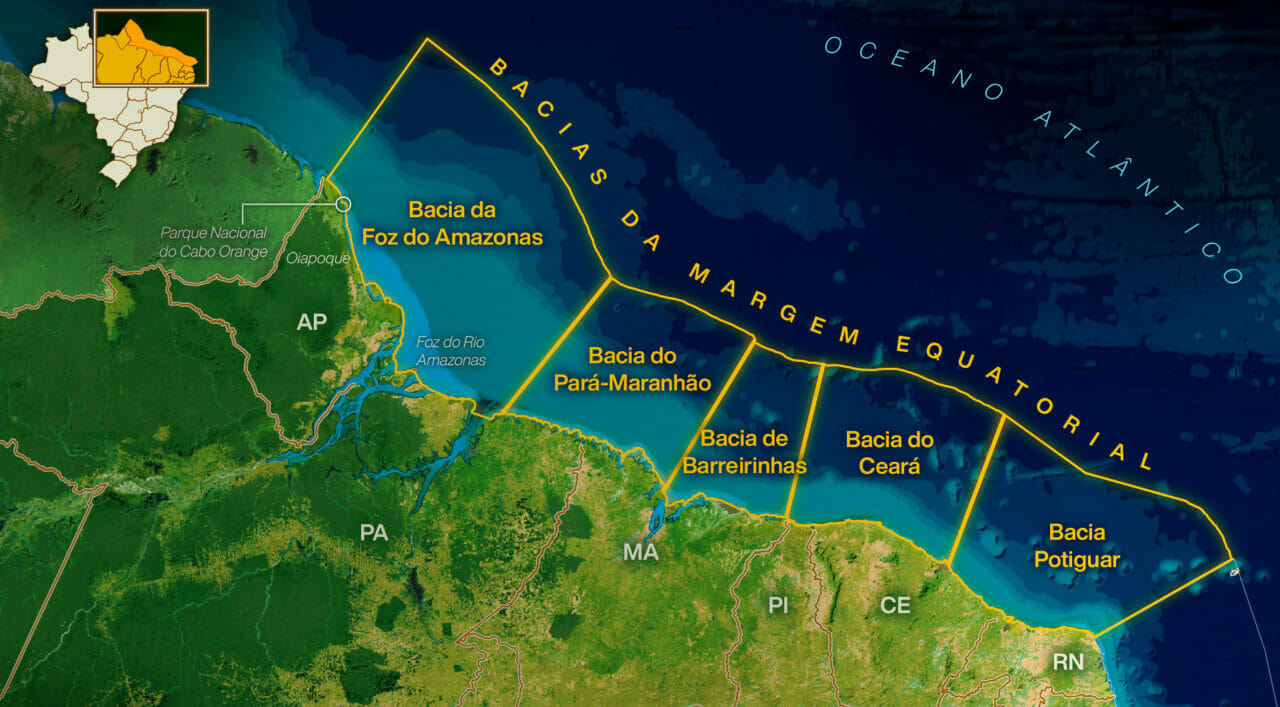
The Position of Ibama and Minister Marina Silva, in Contrast to the View of AGU and STF, Creates Significant Political Tension. This Complex Scenario, Rooted in Environmental and Economic Issues, Outlines an Uncertain Future for Petrobras to Carry Out Oil and Gas Exploration in the Equatorial Margin.
Last Tuesday, (08/22), the Attorney General’s Office (AGU) surprised by releasing an opinion that could redefine the course of oil and gas exploration in the Equatorial Margin. The measure, although contrary to the Minister of the Environment, Marina Silva, argues that the Environmental Assessment of Sedimentary Area (AAAS) is dispensable during the environmental licensing process of projects related to the exploration and production of hydrocarbons. This development could have a significant impact on Petrobras’s plans, particularly for the FZA-M-59 block project, located 500 km from the mouth of the Amazon River, near the coast of Amapá.
Attorney General’s Office Surprises with Opinion That Dispenses with Environmental Assessment of Sedimentary Area in Oil and Gas Exploration Projects
The controversy arises amidst a series of obstacles raised by the Ministry of the Environment and the Brazilian Institute of Environment and Renewable Natural Resources (Ibama), aimed at curbing oil well drilling.
Among the main justifications from Ibama for denying the license are the need for strategic studies in the Amazonas River mouth basin, potential impacts on indigenous communities due to flights over the area, and response speed in case of an oil spill.
-
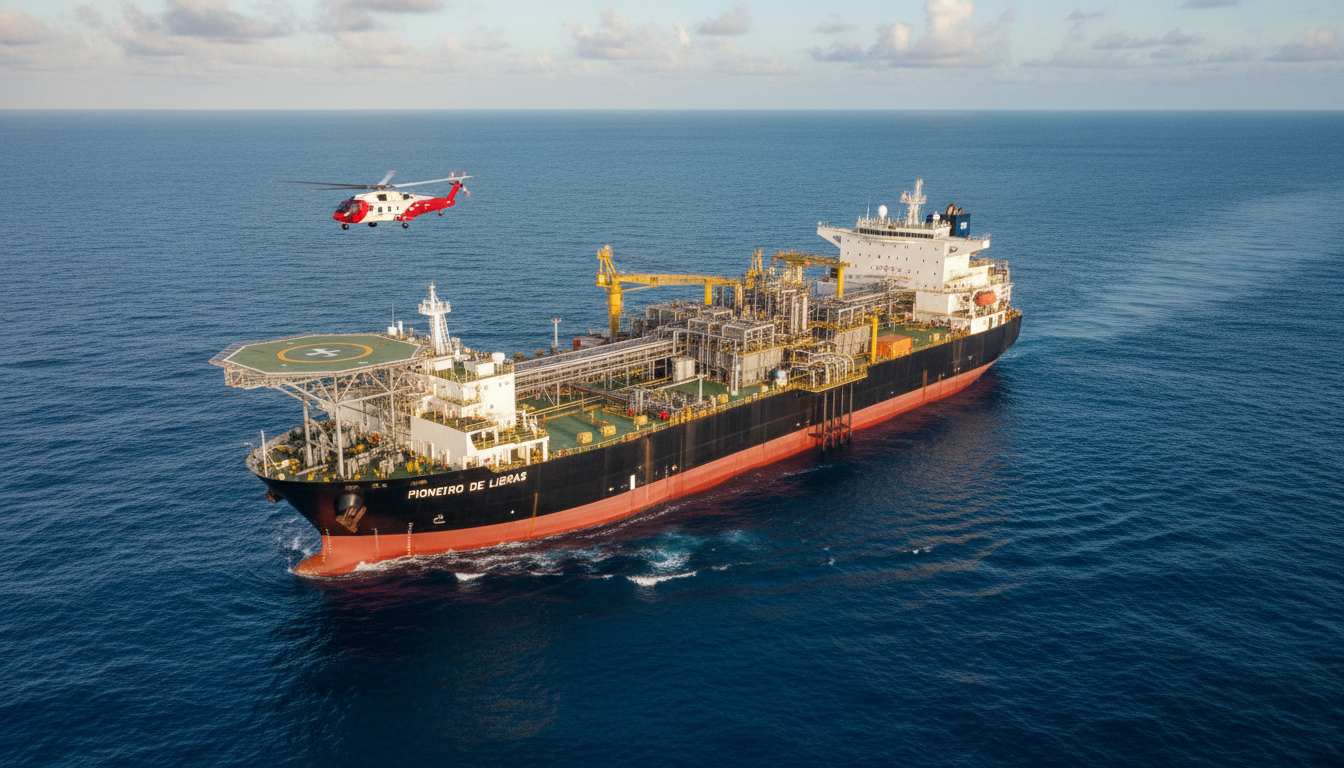
With the war silencing the wells of Iran, Brazil set a record of 5.3 million barrels per day and rose in the global oil ranking without anyone noticing — the pre-salt now accounts for 80% of everything that comes from the seabed.
-
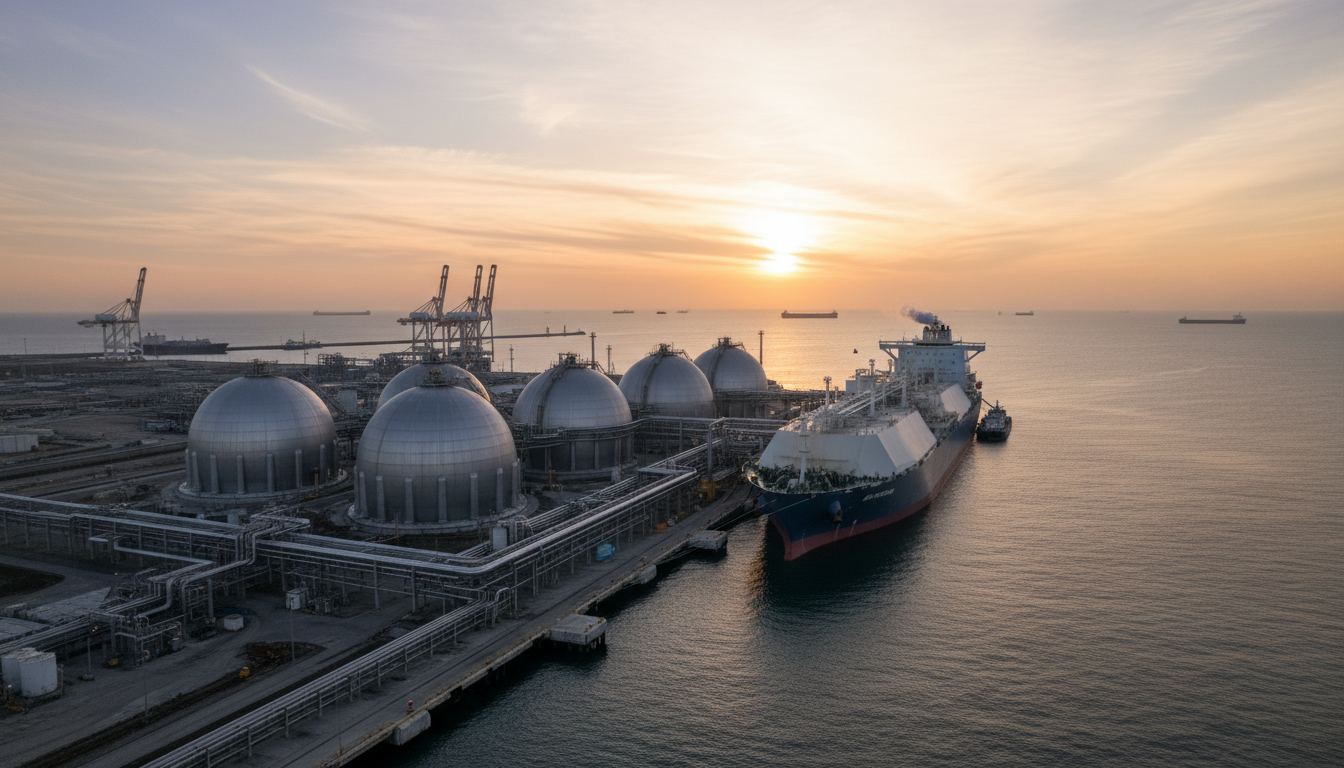
After years of delays and billions invested, the Golden Pass megaterminal in Texas is about to start exporting liquefied gas and will reshape the global energy map amid the Middle East crisis.
-
The artificial intelligence market within the oil industry is worth billions today and will more than double by 2033, and those who do not get on board now with the race for digital twins and autonomous drilling will be left behind.

-
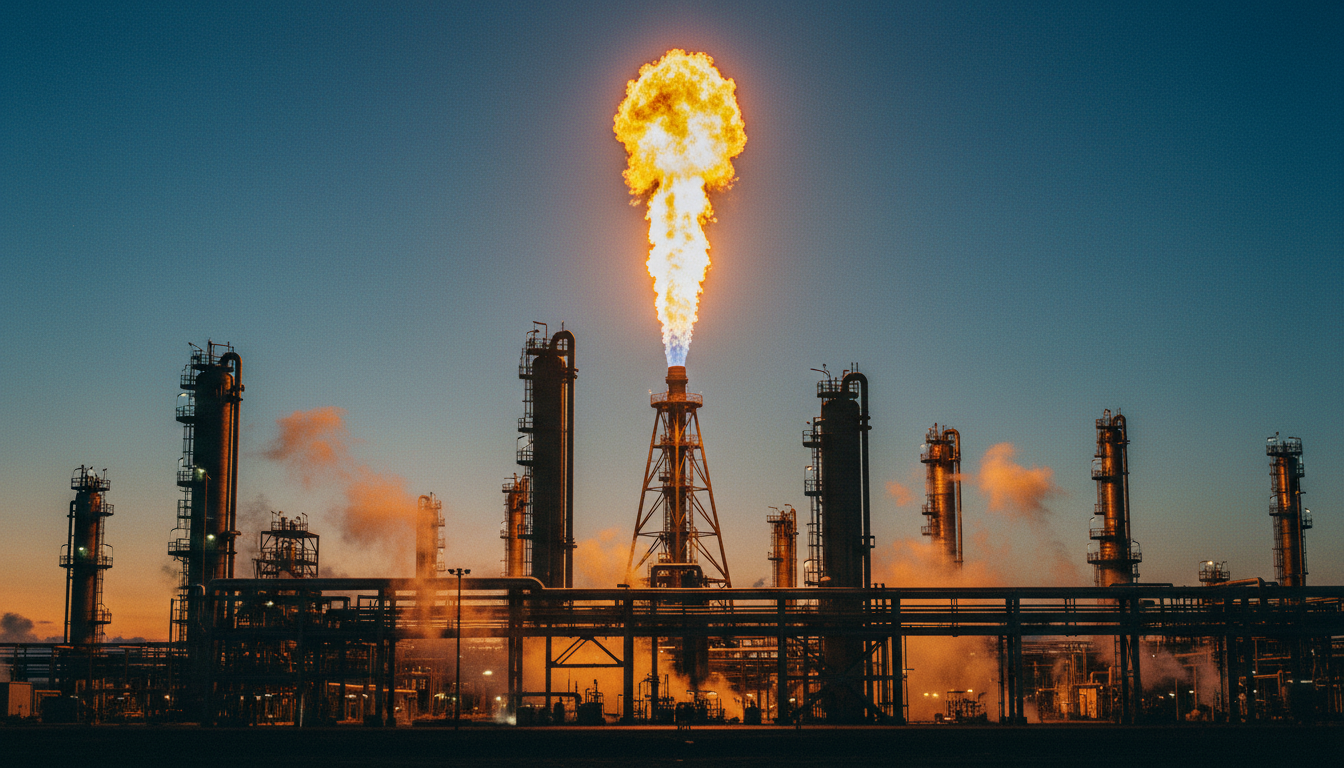
Petrobras quietly installed an artificial intelligence system called Smart Tocha in six of its largest refineries, and the technology independently controls the burning of gases to reduce emissions without any operator needing to intervene.
Contrary to these claims, AGU established its position, arguing that the environmental viability of ventures should be certified during the licensing process itself, as opposed to the Environmental Assessment of Sedimentary Area.
According to AGU, “the former is a tool that provides general information to the strategic planning process in granting exploratory blocks, while environmental licensing is a procedure that assesses the viability of specific projects, identifying potential impacts associated with them.”
Conflict Between AGU and Ministry of the Environment Evidences Political Impasse and Challenges Balance Between Oil Industry, Indigenous Communities, and Environmental Preservation
AGU’s interpretation is not just an isolated opinion.
It is supported by legal opinions from federal agencies linked to the sector and has also been validated by the Supreme Federal Court (STF) in recent rulings.
In the Arguições de Descumprimento de Preceito Fundamental (ADPFs nº 825 and nº 887), the STF ruled that environmental viability must be determined in the licensing process itself, dispelling the need for an AAAS.
In addition to the favorable opinion for Petrobras regarding oil and gas exploration in the Equatorial Margin, AGU took an additional measure by requesting the initiation of an administrative conciliation process among the federal agencies involved in the case.
The Chamber of Mediation and Conciliation of the Federal Public Administration (CCAF), responsible for these processes, will seek a consensual solution to the conflict.
Legal consultants, representatives from the Ministries of Mines and Energy and the Environment, as well as other interested parties, will be called to analyze the feasibility of the bargaining proposal and the associated risks.
As the debates surrounding exploration in the Equatorial Margin continue, AGU seems to have introduced a new perspective to the scenario.
Minister Marina Silva’s position sharply contrasts with the views expressed by AGU and STF.
This political impasse, coupled with the environmental and economic complexities, signals an uncertain path ahead, leaving the oil industry, indigenous communities, and environmental preservation in a delicate balance.








Seja o primeiro a reagir!