





 Portuguese
  English
  Spanish
 3 min of reading
  0 comments



Know What Parental Alienation Is, How to Identify It, Its Impacts on Children’s Rights, and the Consequences Under Law 12.318/2010.
Parental alienation, provided for in the Law 12.318/2010, is a delicate and extremely important issue in the field of children’s rights and Family Law. It refers to a form of psychological abuse, in which one of the parents, grandparents, or legal guardians intentionally interferes with the emotional bond between the child and the other parent. This conduct has devastating effects on the child’s emotional health and can lead to serious legal consequences.
The Parental Alienation Law defines the term as any interference in the psychological development of the child or adolescent with the aim of harming or severing the bond with the other parent. Examples described in the legislation include campaigns to disqualify the other parent, hindering or restricting visitation, withholding important information, or even making false allegations.
How to Identify Parental Alienation
Recognizing parental alienation is crucial to prevent the abuse from continuing and causing irreversible damage. Law 12.318/2010, in Article 2, lists various behaviors that characterize the practice:
-
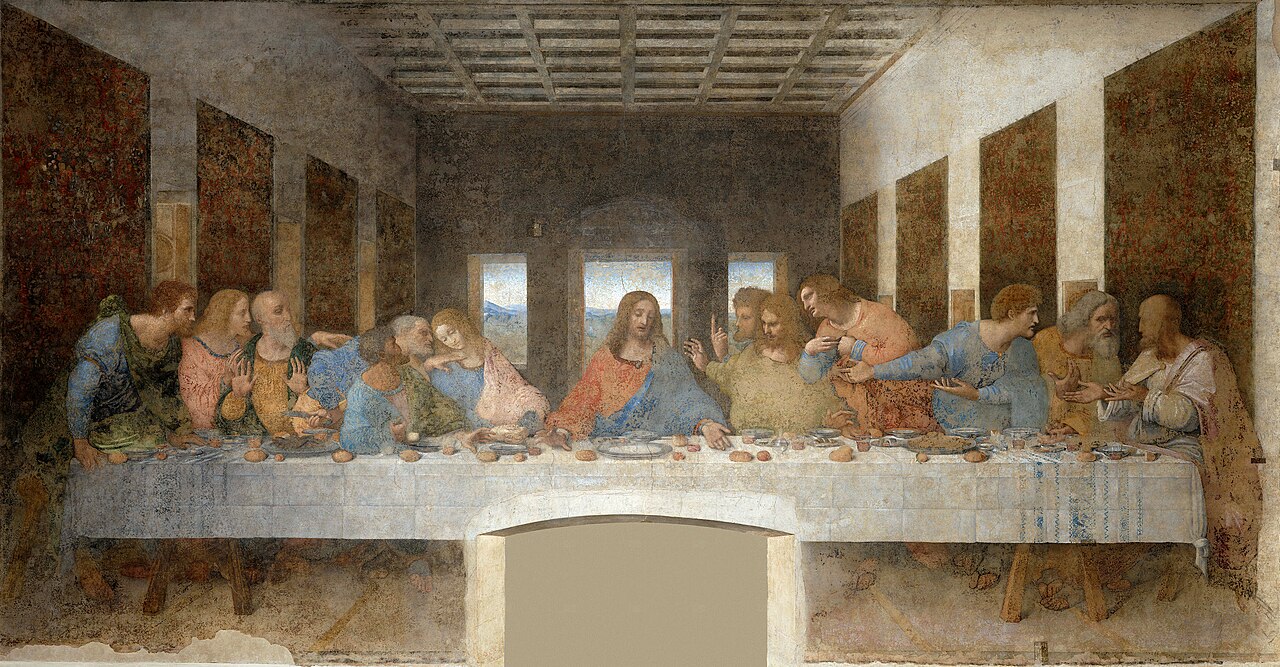
Hidden marks on the walls of the site associated with the Last Supper of Jesus for centuries have been deciphered in Jerusalem, revealing medieval inscriptions left by pilgrims, European nobles, and travelers from the Middle East.
-
One of the most important lakes in the United States for birds, the balance of nature, and the climate has dried to historic levels, leaving boats stranded, revealing salt flats, and showing how the lack of water can transform an entire landscape.

-
It’s not Cristiano Ronaldo or Messi: the richest football player in the world is only 27 years old, has a fortune of 100 billion reais, and is the nephew of a sultan from an Asian country that few people know about.

-
At 77, the king of one of the most famous and powerful crowns on the planet is said to be under pressure to leave the throne, while behind the scenes there are already talks of a new coronation that could cost R$ 260 million.

- Campaign to disqualify the parent;
- Undermining parental authority;
- Impeding or restricting visitation and family interaction;
- Withholding relevant information about the child (school, medical, address changes);
- False allegations against the parent or their relatives;
- Changing residence without justification, with the intention of distancing the child from the other parent.
Why Parental Alienation Is So Serious
Experts warn that this practice causes profound emotional harm. The child subjected to parental alienation may develop fear, insecurity, depression, and even difficulty forming healthy bonds in adulthood. According to Judge Amini Haddad Campos, a professor at UFMT, it is essential to protect the child’s right to balanced family interaction, respecting their stage of development and vulnerability.
She explains that depriving a child of perceiving and interacting with their father or mother harms the very essence of their healthy growth. For Amini, it is necessary to ensure a welcoming family environment, where the child can be heard and understood sensitively, especially when other forms of violence are involved.
How to Prove Parental Alienation
Proof can be obtained through psychological evaluations and technical analyses carried out by multidisciplinary teams. Witness testimonies, exchanges of messages, records of blocked visits, or documents demonstrating the alienating behavior are also accepted. Professional evaluation is crucial to ensure that judicial decisions are based on clear and impartial evidence.
Legal Consequences of the Practice
The Parental Alienation Law authorizes the judge to impose a series of legal measures against the alienating parent, such as:
- Formal warning;
- Modification of custody or visitation arrangements;
- Establishment of psychological supervision;
- Imposition of fines;
- Relocation of the child;
- Suspension of parental authority.
These penalties aim to protect the child and restore interaction with the alienated parent.
Controversy and Proposal for Repeal of the Law
In November 2024, the Commission on Social Security, Social Assistance, Childhood, Adolescence, and Family of the Chamber of Deputies approved a bill proposing the complete repeal of the Parental Alienation Law. The reason, according to the authors, is the distorted use of the law to discredit women victims of domestic violence, using the allegation of parental alienation as a form of judicial retaliation.
The proposal, presented by Congresswomen Fernanda Melchionna, Sâmia Bomfim, and Vivi Reis, was supported by organizations such as the National Council of Human Rights, the National Health Council, and even the United Nations (UN).







Seja o primeiro a reagir!