





 Portuguese
  English
  Spanish
  7 min of reading
  0 comments


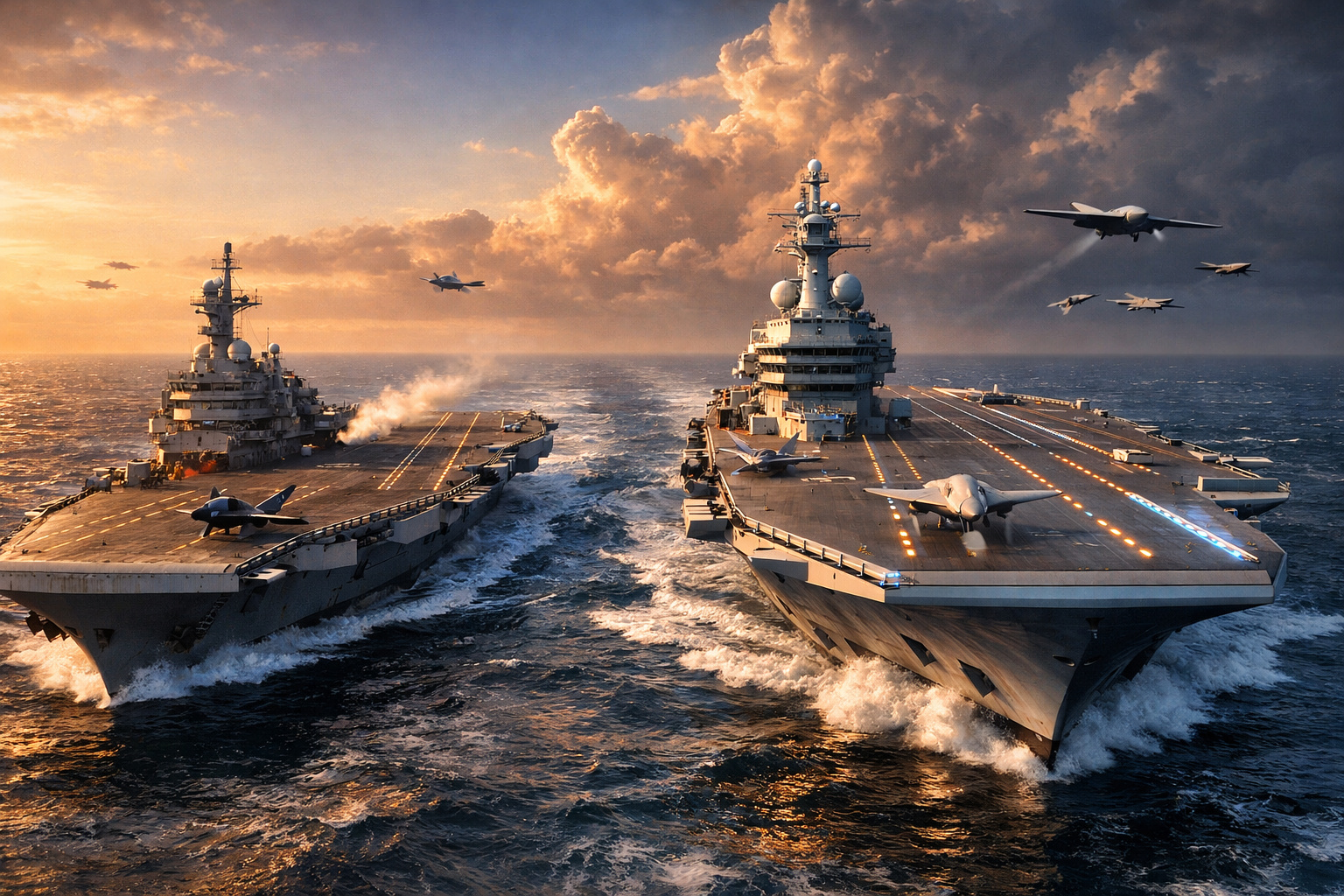
The PA-NG Will Replace the Charles de Gaulle in 2038 With 310 Meters in Length, Two K22 Nuclear Reactors and Capacity for 40 Aircraft and Drones, and Construction Has Already Begun.
The Structural Problem Is That It Is The Only Aircraft Carrier of France. Whenever the Charles de Gaulle Goes Into Dry Dock for Maintenance—Something Inevitable for Nuclear-Powered Ships—The Country Is Left Without Any Operational Aircraft Carrier. There Is No Temporary Substitute, Nor Any Other Floating Air Base Capable of Taking on This Role. This Means That During These Periods, France Temporarily Loses One of the Most Important Strategic Capabilities of Modern Naval Warfare: the Ability to Project Air Power from the Sea.
The Maintenance Windows That Leave France Without Aircraft Carriers
The Operational Interruptions of the Charles de Gaulle Are Not Rare. The Ship’s First Major Overhaul Began in September 2007 and Lasted More Than a Year. During This Period, Complex Work Such as Nuclear Reactor Refueling and Propeller Replacement Was Conducted.
-
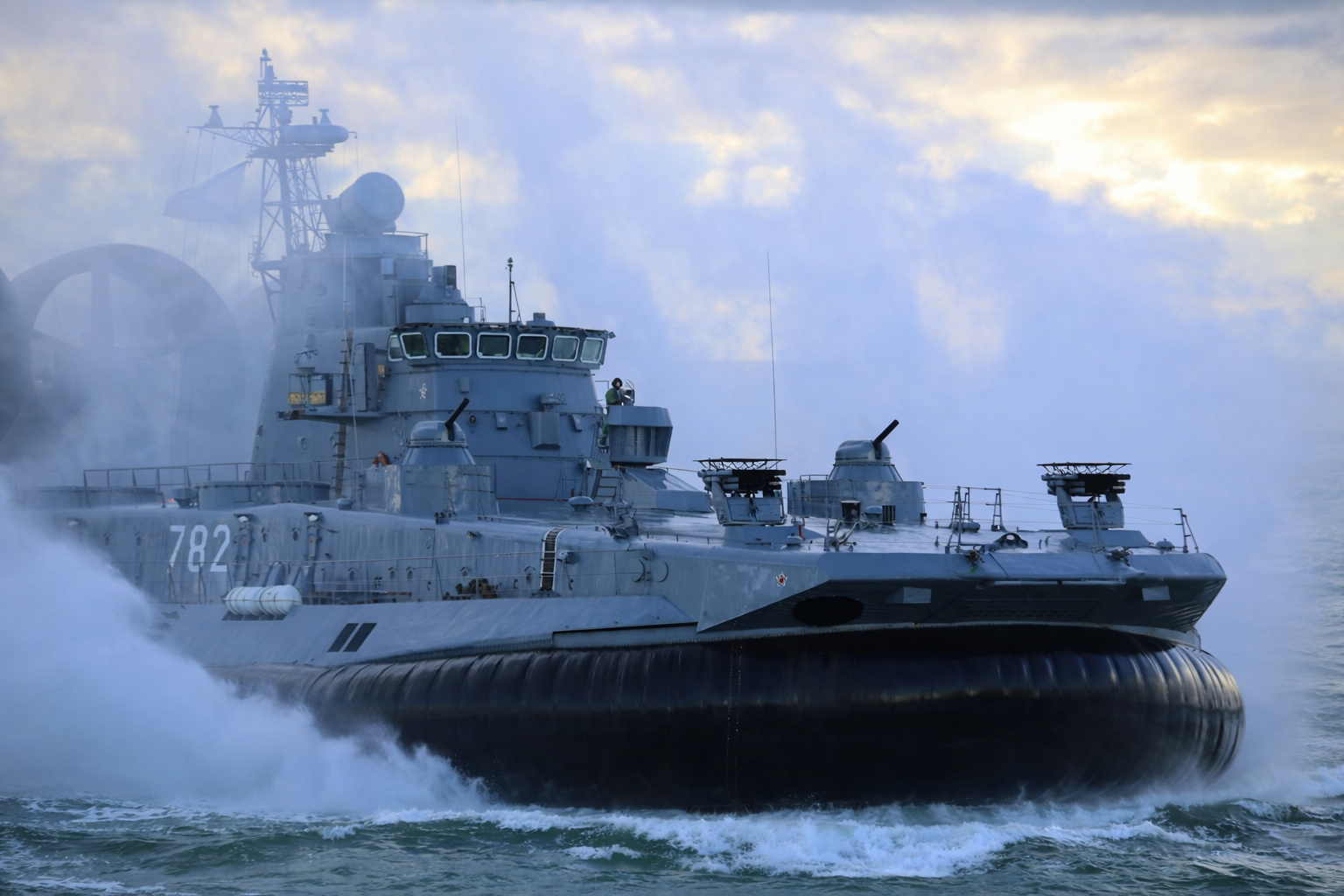
Classified as a “amphibious monster” weighing 555 tons, 57 meters long, and featuring three propellers with a diameter of 5.5 meters, the Zubr is the largest military hovercraft ever built, capable of transporting 3 tanks or 500 soldiers at speeds exceeding 100 km/h over water, ice, and sand, and China has resumed production of it to project power in the South China Sea.
-
The U.S. Army receives the first Black Hawk helicopter that can fly without pilots, be controlled by a tablet, and even land on its own during high-risk missions.

-
With 11,000 tons and sensors capable of hunting submarines at long distances, the Type 055 has become one of the most feared floating arsenals of the Chinese navy.

-
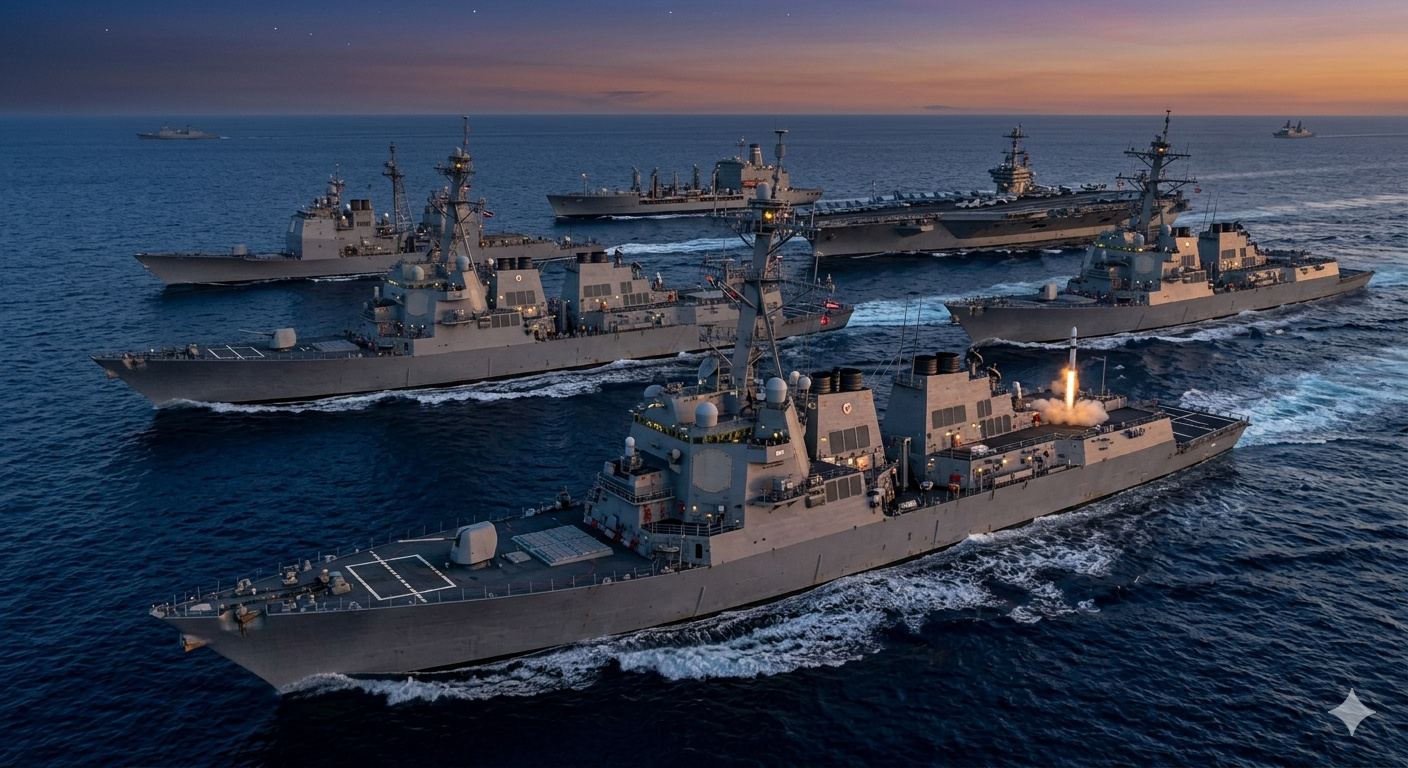
With over 15,000 tons, radars capable of tracking hundreds of targets simultaneously, and more than 120 missiles ready for launch in seconds, modern destroyers cease to be escorts and begin to dominate the naval battlefield.

In 2017, the Aircraft Carrier Again Went into Dry Dock for a Mid-Life Refurbishment That Lasted About 18 Months, Being Completed Only in September 2018. Most Recently, in 2023, the Ship Underwent Another Intermediate Maintenance Period.
During Each of These Windows, France Ceases to Be a Power with Full Naval Air Projection. The Country Continues to Operate Nuclear Submarines, Modern Frigates, and Land-Based Fighters, but Loses the Ability to Launch Combat Aircraft in the Middle of the Ocean Without Relying on Foreign Bases or Allies’ Authorization.
This Single Ship Model Has Faced Internal Criticism Since the Beginning. In 2001, While the Charles de Gaulle Was Being Repaired and the United States Was Preparing to Respond to the September 11 Attacks, Former President Valéry Giscard d’Estaing Went So Far as to Call the Ship a “Half Aircraft Carrier” and Publicly Advocated for the Construction of a Second Ship.
Two Decades of Aircraft Carrier Projects That Never Materialized
The French Government’s Response to the Problem Was Not Immediate. In 2003, Paris Launched the PA2 (Porte-Avions 2) Project to Study the Feasibility of a Second Aircraft Carrier.
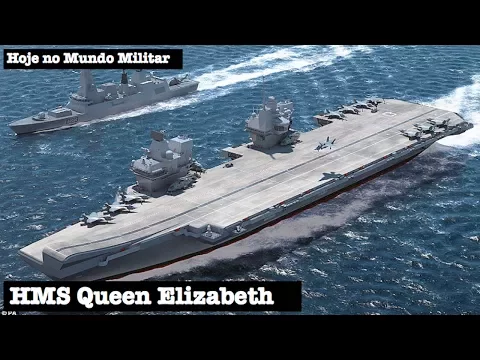
The Proposal Envisioned a Ship Based on the British Design of the Queen Elizabeth Class, and It Progressed to Detailed Technical Study Phases, Including Industrial Cooperation with the United Kingdom. However, the Project Was Ultimately Abandoned. Budget Cuts, Shifts in Political Priority, and the Global Financial Crisis of 2008 Disrupted Development.

For About Two Decades, France Has Dealt with the Vulnerability of Having Only One Aircraft Carrier Deck, Betting That Maintenance Periods Could Be Managed Diplomatically—Either Operating from Allied Bases or Accepting Temporary Operational Gaps.
The PA-NG Program: The Decision to Build a Larger Aircraft Carrier
In December 2020, President Emmanuel Macron Officially Announced the Start of the PA-NG (Porte-Avions de Nouvelle Génération) Program.
Unlike Previous Projects, the New Ship Would Not Be an Adaptation of a Foreign Model or a Reduced Version of an Existing Aircraft Carrier. The Proposal Would Be to Develop A Completely New Ship, Larger Than Any Military Vessel Ever Built in Europe.
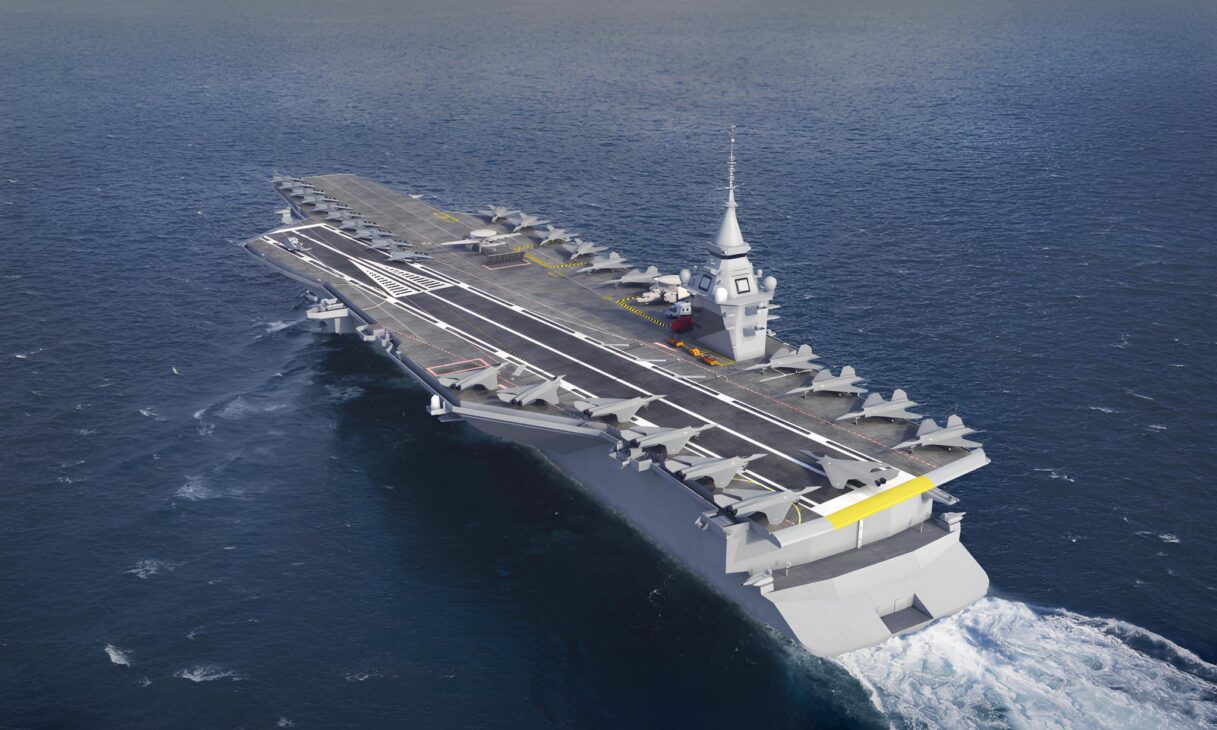
In the Initial Studies, the Estimated Displacement Was About 75,000 Tons. In the Latest Versions of the Project, This Figure Increased to Approximately 80,000 Tons.
This Places the PA-NG in a Completely Different Category Than the Charles de Gaulle and Represents a Significant Leap for the French Shipbuilding Industry. In Comparative Terms, the Projected Displacement Is About 25% Greater Than the Combined Weight of France’s Previous Two Aircraft Carriers, the Foch and Clemenceau.
Air Capacity and Electromagnetic Catapults of the New French Aircraft Carrier
The New Aircraft Carrier Will Be 310 Meters in Length and About 80 Meters in Width, Making It One of the Largest Naval Platforms Ever Designed in Europe. One of the Most Important Changes Will Be the Adoption of Three Electromagnetic EMALS Catapults, Technology Developed by the American Company General Atomics and Also Used on the USS Gerald R. Ford Class Aircraft Carriers.
The Electromagnetic Catapults Replace Older Steam Systems and Allow for Heavier Aircraft Launching with Greater Precision, Less Structural Wear, and Increased Operational Efficiency. The Onboard Air Group May Reach 40 Aircraft and Drones, Including About 30 Combat Fighters.
The Ship Will Be Designed to Operate the Current Rafale Marine, but Also the Future NGF (Next Generation Fighter), the Next Generation Fighter Developed in the European SCAF (Future Combat Air System) Program. This New Aircraft Is Expected to Be Larger, Heavier, and More Armed Than the Rafale.
Additionally, the Deck Will Also Operate Stealth Combat Drones, Which Will Work in Conjunction with Manned Aircraft on Reconnaissance, Attack, and Electronic Warfare Missions.
K22 Nuclear Reactors: The New Generation of French Naval Propulsion
The Propulsion of the PA-NG Will Be Provided by Two K22 Nuclear Reactors, Each with an Approximate Capacity of 220 Megawatts.
This Power Level Is Sufficient to Supply a Medium-Sized City. The K22s Represent the New Generation of French Naval Reactors and Are Significantly More Powerful Than the K15s of the Charles de Gaulle, Which Produce About 150 Megawatts Each.
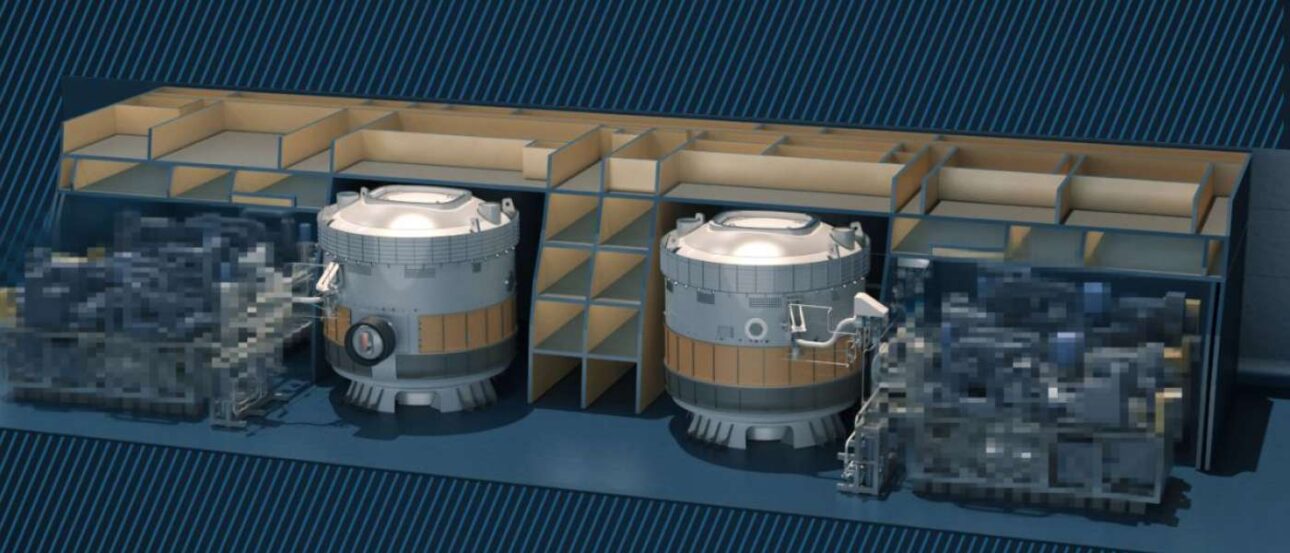
Besides Propulsion, This Electrical Power Will Also Be Essential to Power Advanced Ship Systems, Including Sensors, Radars, Defense Systems, and the EMALS Electromagnetic Catapults, Which Require Large Amounts of Energy.
The Construction of the PA-NG Mobilizes Hundreds of French Companies
The Construction of the New Aircraft Carrier Will Take Place at the Chantiers de l’Atlantique Shipyard, Located in Saint-Nazaire, the Only One in France with a Dry Dock Large Enough for a Vessel of This Size. The Shipyard Is Internationally Known for Having Built the Queen Mary 2 Ocean Liner and for Producing Some of the Largest Cruise Ships in the World.
The Nuclear Propulsion Will Be the Responsibility of the Naval Group, with Participation from the Industrial Facilities in Cherbourg and Nantes-Indret, Along with the Company TechnicAtome, Specialized in Naval Reactors.
In September 2025, the Cherbourg Shipyard Began Manufacturing the First Parts of the Ship’s Nuclear Boilers. The Main Construction Contract Was Signed in December 2025, with an Authorized Value of €10.2 Billion, Included in the French Military Programming Law.
According to the French Government, the Program Will Involve About 800 Suppliers, of Which Approximately 80% Are Small and Medium Enterprises Distributed Across Various Regions of the Country. In Total, About 2,100 Professionals Will Work Directly on the Program, Including Engineers, Technicians, and Specialists Linked to the Naval Group, the Chantiers de l’Atlantique, and Industrial Partners.
The Exclusive Club of Nuclear Aircraft Carriers with Catapults
With the PA-NG, France Will Continue to Hold a Unique Position in the Global Naval Landscape. Currently, Only Two Countries Operate Nuclear Aircraft Carriers Equipped with Catapults: the United States, with Eleven Ships from the Nimitz and Ford Classes, and France Itself, with the Charles de Gaulle.
China Is Developing an Aircraft Carrier Equipped with Electromagnetic Catapults, the Fujian, but the Ship Uses Conventional, Non-Nuclear Propulsion. This Means That Very Few Nations Currently Have the Necessary Technological and Industrial Capability to Build Vessels of This Category.
The PA-NG Therefore Represents Not Only the Replacement of an Old Ship with a More Modern One. It Symbolizes the Maintenance of an Extremely Rare Strategic Position in the Global Naval Power Balance.
The Construction Schedule and the Risk of Operational Gaps
The Program Schedule Foresees the Start of Hull Construction in 2031, at the Saint-Nazaire Shipyard. Subsequently, the Ship Should Be Transferred to Toulon in 2035, Where Final Touches and Nuclear Fuel Loading Will Be Carried Out—A Stage That Requires Certified Facilities for Nuclear Operations.
Sea Trials Are Scheduled for 2036, While Operational Service Entry Is Expected in 2038. This Schedule Coincides Exactly with the Planned Year for the Decommissioning of the Charles de Gaulle. This Means That Any Delay in the PA-NG Program Could Create the Exact Scenario the Project Aims to Avoid: A Temporarily Aircraft Carrier-less France.
A Single Aircraft Carrier Will Still Be the Reality of the French Navy
Even with the PA-NG, France Will Continue to Operate Only One Nuclear Aircraft Carrier. The New Ship Will Also Require Regular Maintenance Periods, Which Will Inevitably Create New Windows of Unavailability.
The French National Navy Will Therefore Remain a Force of A Single Deck, with All the Strategic Limitations That This Model Imposes. The Difference Is That the New Aircraft Carrier Should Offer Longer Availability Periods, Greater Air Capacity, and a Much More Advanced Technological Set.
With 80,000 Tons of Displacement, Three Electromagnetic Catapults, and an Air Group Composed of Fighters and Drones, the PA-NG Will Operate in a Category Far Superior to the Charles de Gaulle and Any Aircraft Carrier Already Built in Europe.
According to President Emmanuel Macron, the Ship Will Be “The Illustration of Our Nation’s Power”. For the French Navy, However, the Meaning Is More Pragmatic: To Ensure That, When France Decides to Act on the International Stage, It Will Have the Ability to Do So Without Dependence on Foreign Bases or Authorization from Other Countries.








-

-

-

-

-

8 pessoas reagiram a isso.