





 Portuguese
  English
  Spanish
  5 min of reading
  1 comment


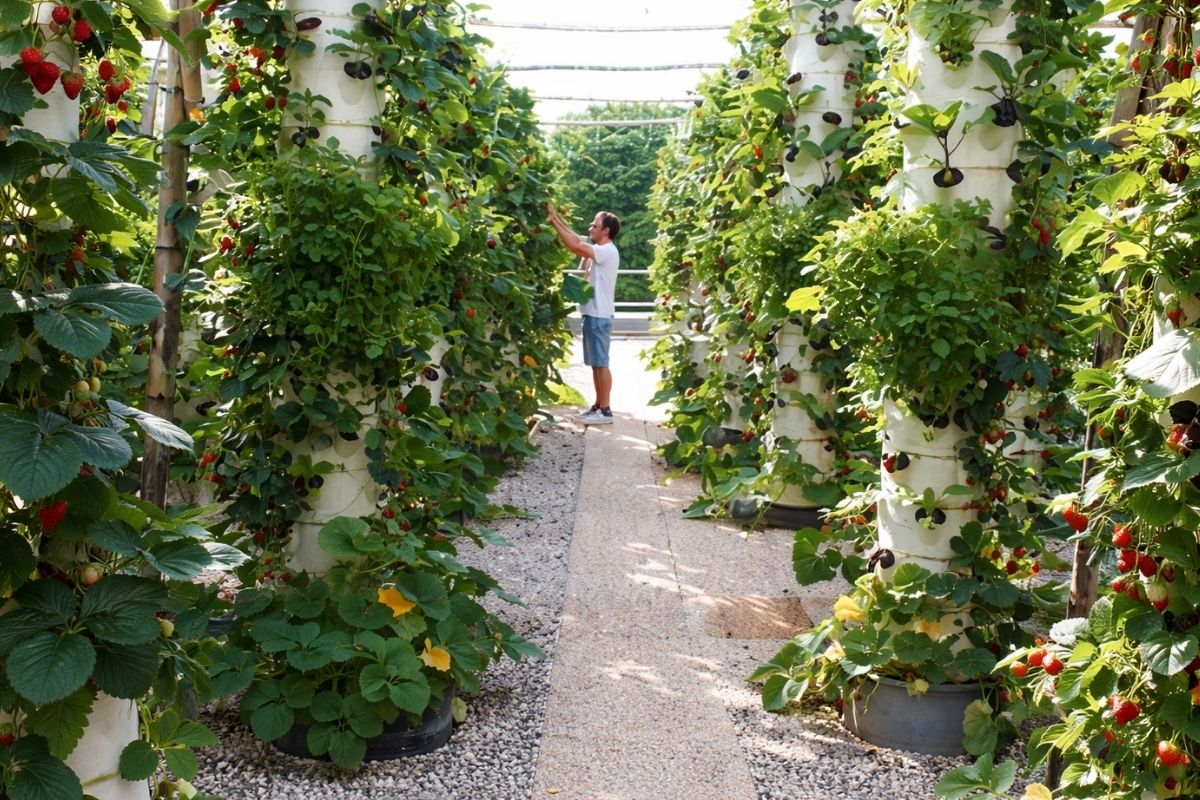


Installed on a Giant Rooftop in Paris, the Largest Urban Farm in Europe Produces More Than a Thousand Fruits and Vegetables per Day Without Pesticides, Using High-Tech Urban Agriculture and Serving as a Showcase for Environmental Education.
Paris has just gained the largest urban farm in Europe, installed on a giant rooftop and designed to produce fresh food in the heart of the metropolis. With clean technology, no pesticides, and focused on environmental education, the project shows that it is possible to bring the city closer to the real origin of the food that reaches the plate.
On top of the Paris Expo Porte de Versailles, the largest exhibition park in France, the farm named Nature Urban was designed to harvest more than a thousand fruits and vegetables per day throughout all seasons.
In addition to being the largest urban farm in Europe in area and production, the space also functions as a showcase for innovation, a learning center, and a new meeting point for those who live and work in Paris.
-
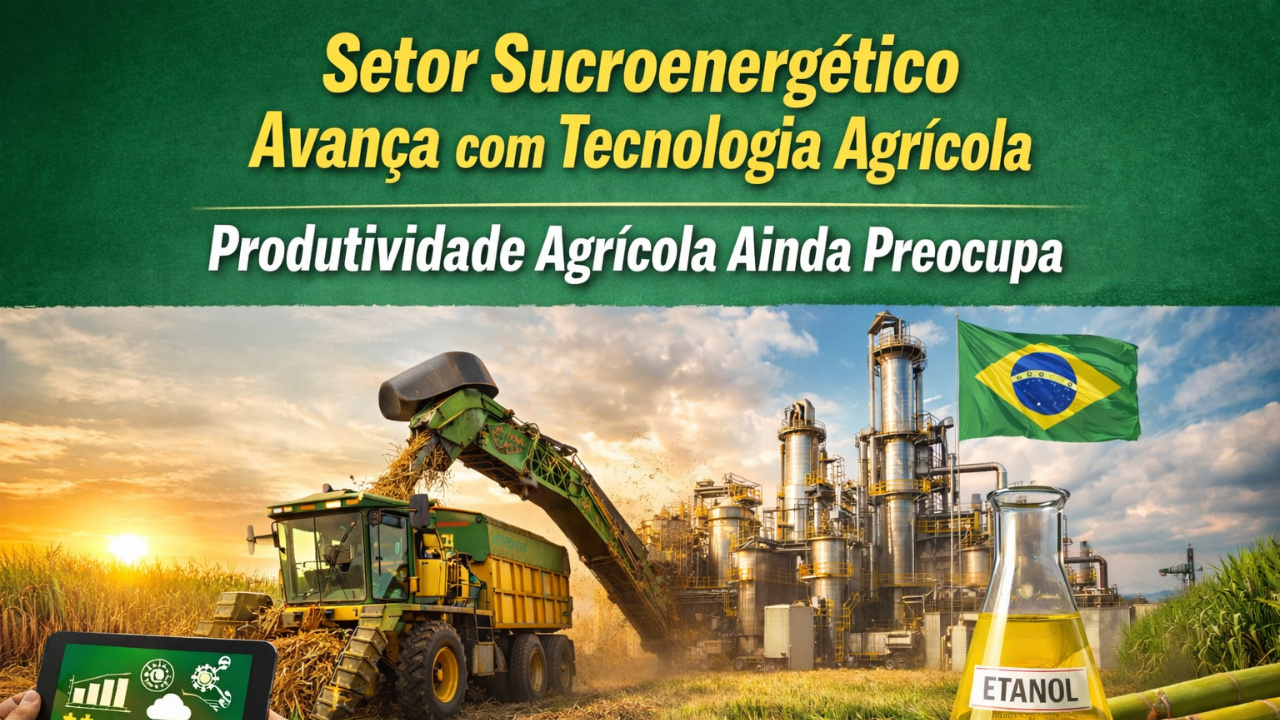
The sugar-energy sector advances with agricultural technology, but agricultural productivity still raises concerns.
-
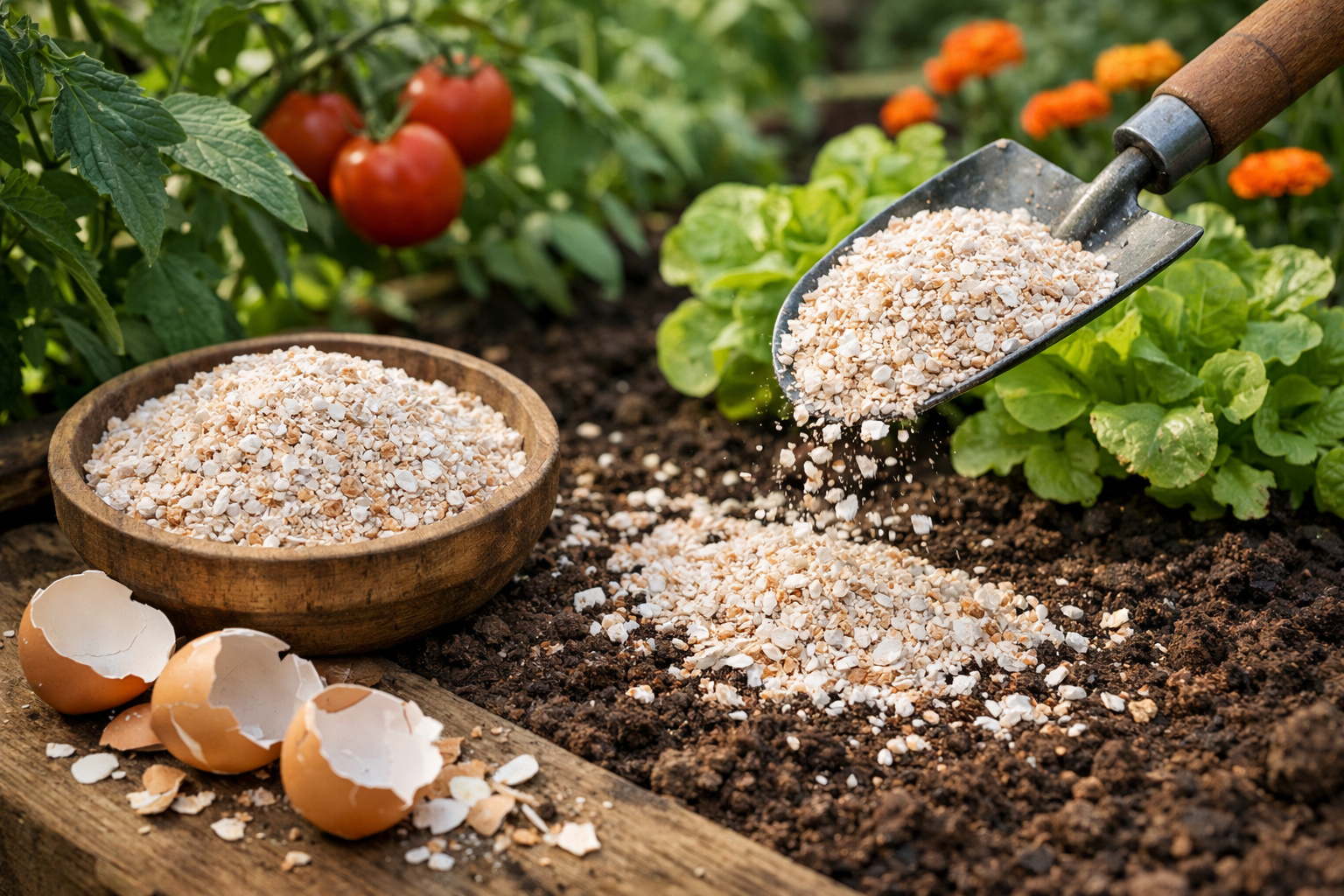
The eggshell that almost everyone throws away is made up of about 95% calcium carbonate and can help enrich the soil when crushed, slowly releasing nutrients and being reused in home gardens and vegetable patches.
-
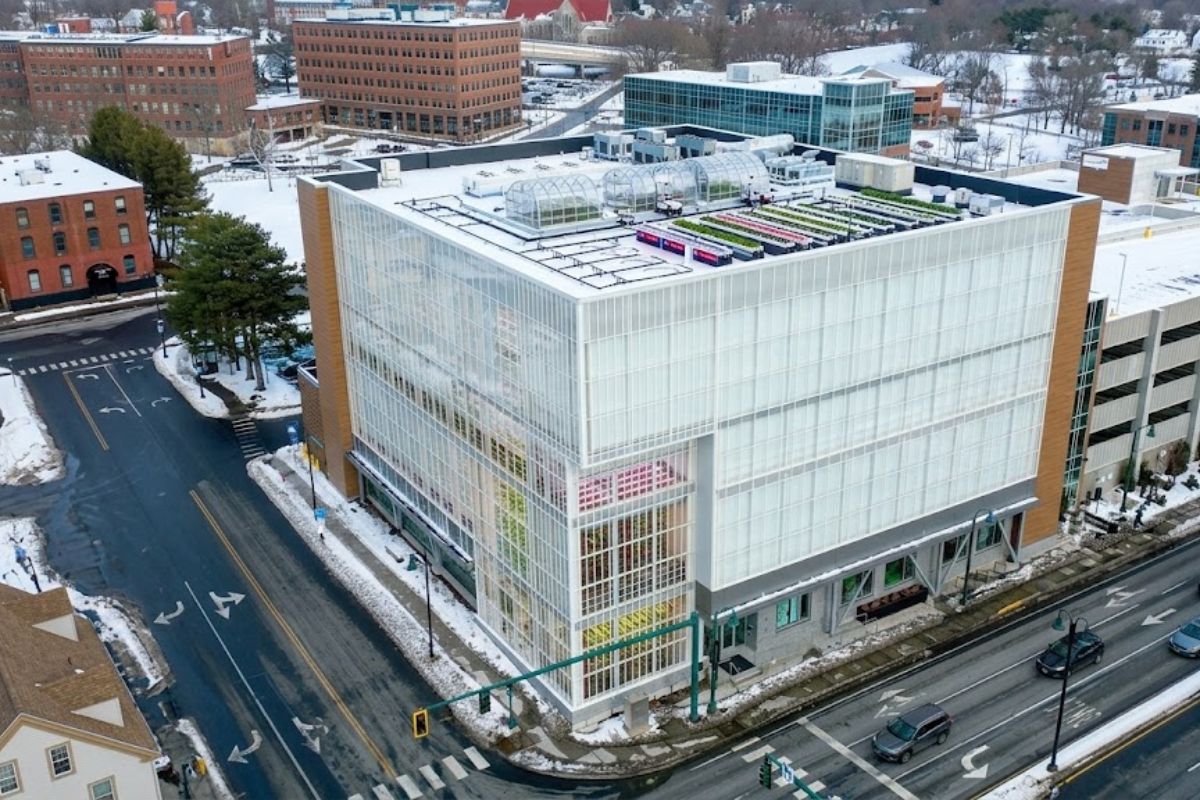
This farm in the United States does not use sunlight, does not use soil, and produces 500 times more food per square meter than traditional agriculture: the secret lies in 42,000 LEDs, hydroponics, and a system that recycles even the heat from the lamps.
-
The water that almost everyone throws away after cooking potatoes carries nutrients released during the preparation and can be reused to help in the development of plants when used correctly at the base of gardens and pots, at no additional cost and without changing the routine.

A Rooftop That Becomes a Productive Field
Built on the roof of a large exhibition building, Nature Urban takes the concept of urban agriculture to another level.
Instead of a small community garden, what you see is a professional structure, planned to function as the largest urban farm in Europe in the heart of the city.
On the roof, about 20 gardeners take turns caring for the daily cultivation. There are approximately 20 different species of fruits and vegetables, always seasonal, ensuring a diversity of colors, flavors, and nutrients.
The idea is for the rooftop to behave like a real field, only suspended over the city, producing real food and not just green decoration.
How the Largest Urban Farm in Europe Works
The operation of Nature Urban was designed to be efficient and educational at the same time. The company Agripolis, responsible for the implementation, also manages the entire space, ensuring that the largest urban farm in Europe is both productive and open to the public.
In addition to the cultivation areas, the rooftop hosts:
- A greenhouse with a capacity for up to 100 people, used for events, courses, and gatherings
- A smaller space of 43 m², ideal for small groups and outdoor activities
- A bar and restaurant, Leperuar, with a panoramic terrace that uses part of the production directly in its dishes
In this way, visitors to the space not only watch the plants grow but also see, learn, and taste the results of the largest urban farm in Europe.
Clean Technology: Hydroponics and Aeroponics Without Pesticides
To produce so much in a limited and elevated area, Nature Urban relies on two main techniques: hydroponics and aeroponics, both without the use of soil.
In hydroponics, the plants grow with their roots in a nutrient-enriched water solution in a controlled balance. This allows for water conservation, erosion prevention, and better control of the cultivation environment.
In aeroponics, the roots hang suspended and receive moisture and nutrients in the form of mist, also without soil. In some cases, coconut fiber substrate is used, which serves as physical support for the plants and replaces traditional soil.
In all these techniques, no pesticides or conventional chemical fertilizers are used. This makes production cleaner and aligned with the growing demand for healthy food in urban centers.
The largest urban farm in Europe, in this case, is also a living laboratory of low environmental impact agriculture.
Environmental Education and Experience for the City
More than a production space, Nature Urban was designed as a large school-field. Agripolis organizes workshops, educational tours, and activities for schools, companies, and residents, bringing the population closer to urban agriculture.
People can learn, for example:
- How a hydroponic or aeroponic system works
- How it is possible to produce food on rooftops and terraces
- What the advantages of reducing pesticide use are
- How the city can become more resilient regarding food
Transforming the largest urban farm in Europe into an open-air classroom is a way to reconnect urban dwellers with the origins of food, something that is often lost between supermarket shelves and industrial packaging.
Lots for Residents and Personal Gardens High Above Paris
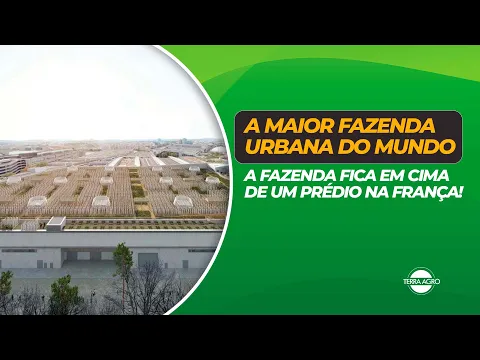

One of the most interesting aspects of the project is the opening for direct participation from residents. Aspiring urban farmers can rent small plots within the farm area to grow their own food.
In this specific space, planting is done in soil, in a more traditional manner. But tenants have free access to the entire Nature Urban area, allowing them to observe the operation of the largest urban farm in Europe, learn new techniques, and adapt what they see to their mini-gardens.
This combination of a professional farm and lots for amateurs creates a bridge between scaled production and self-cultivation, strengthening the culture of fresh and local food in one of the largest capitals in Europe.
From Harvest to Plate: The Food Stays in the City
The production of Nature Urban follows a short flow to the consumer. Part of the fruits and vegetables harvested daily goes directly to the Leperuar bar and restaurant, located on the roof itself, with a panoramic view of the city.
Another part is sold in the neighborhood markets, shortening the distance between field and table. Instead of traveling hundreds or thousands of kilometers in refrigerated trucks, the food travels just a few blocks.
In this way, the largest urban farm in Europe becomes not only a symbol of environmental innovation but also a concrete piece in building a shorter, fresher, and more transparent food chain for the residents of Paris.
Knowing all this, would you like to see an initiative like this in your city or even grow a small plot in an urban farm on a rooftop of a building?









Es una excelente iniciativa,me encantó!