





 Português
  Inglês
  Espanhol
  3 min de leitura
  0 comentários


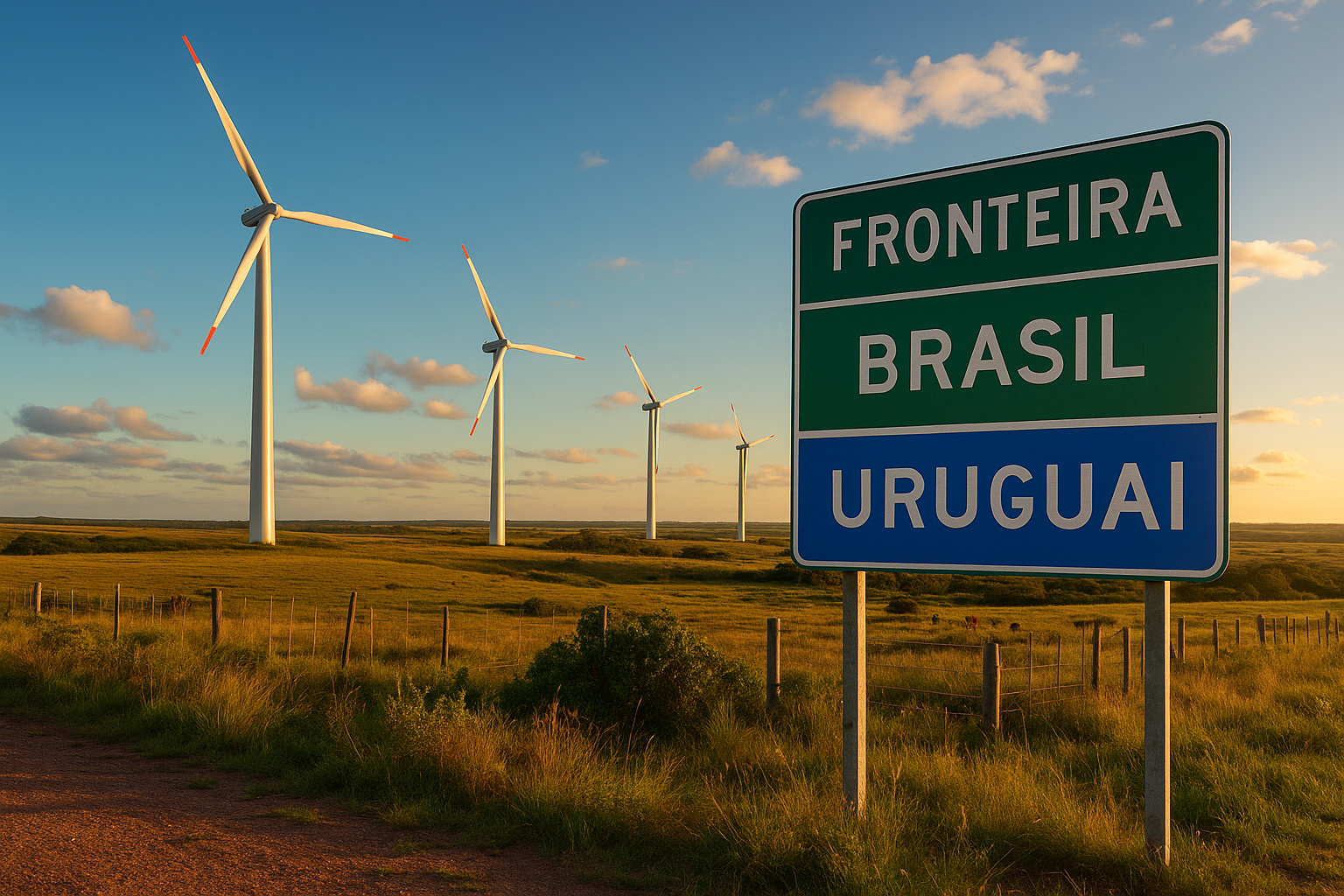
Clean Energy Project Rekindled a Century-Old Stalemate Between Brazil and Uruguay
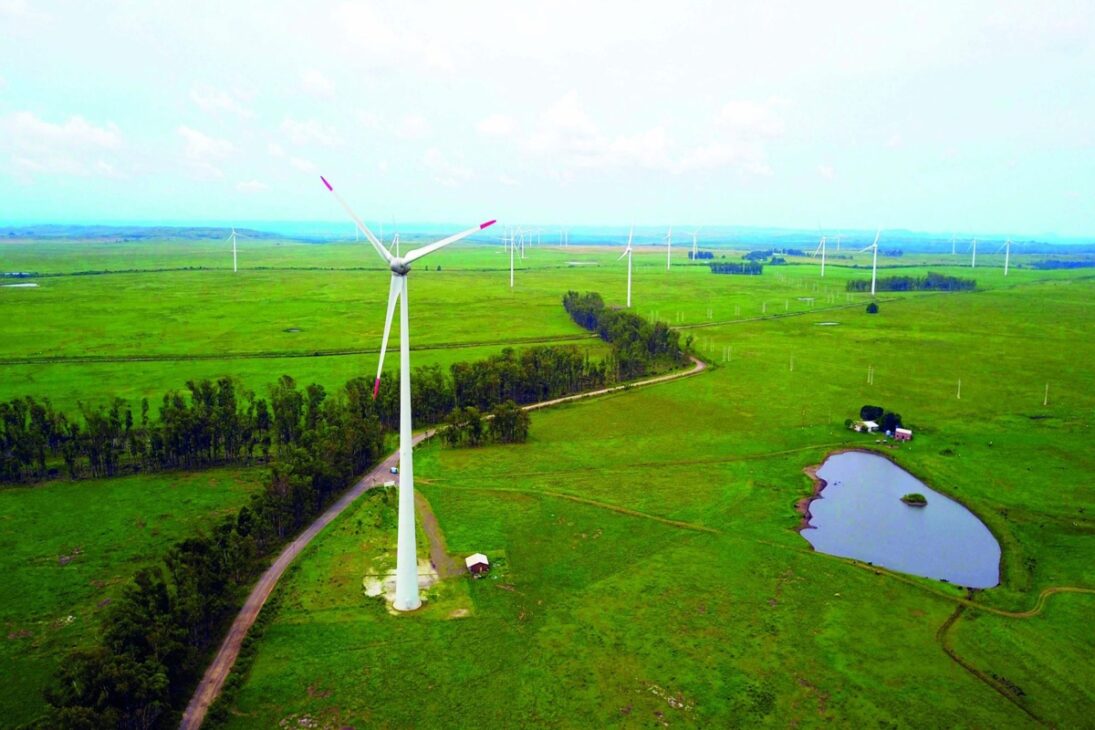
Since 2023, the operation of the Brazilian wind farm Cerro Chato, near Arroio Invernada, has caused direct friction with Uruguay.
The enterprise is located in Sant’Ana do Livramento (RS). It is within land recognized by Brazil.
Uruguayan authorities question the exact delimitation of this region.
This dispute resurfaced, especially after 2024, when Uruguayan residents reported constant noises and nighttime disturbances.
They claim that the environmental impacts would exceed the border defined by the Treaty of 1851.
Noises Rekindle Dispute
In June 2024, residents of Rivera reported to the newspaper El País the daily inconveniences caused by the turbines.
The noise is particularly bothersome at night.
The Uruguayan government sent diplomatic notes demanding explanations regarding the cross-border impact.
On the other hand, Brazilian technicians claim that all environmental reports follow the standards set by Ibama and Fepam.
They assure that there is no violation of territorial limits.
Despite this, the issue generated hearings in Montevideo.
The Itamaraty emphasizes that there is no alteration of landmarks.
History of Tensions
Since the 19th century, Brazil and Uruguay have discussed the sovereignty of small strips of land along the southern border.
The Treaty of 1851 established the limits.
However, both countries have interpreted it differently over time.
In 1910, a joint commission attempted to establish more precise landmarks.
Even so, divergences persisted in sparsely populated rural areas.
The construction of the wind farm in 2022 reignited the debate.
It was officially inaugurated in March 2023.
The generated energy is funneled to the Brazilian side.
Uruguayan neighbors claim that this directly affects their quality of life.
-
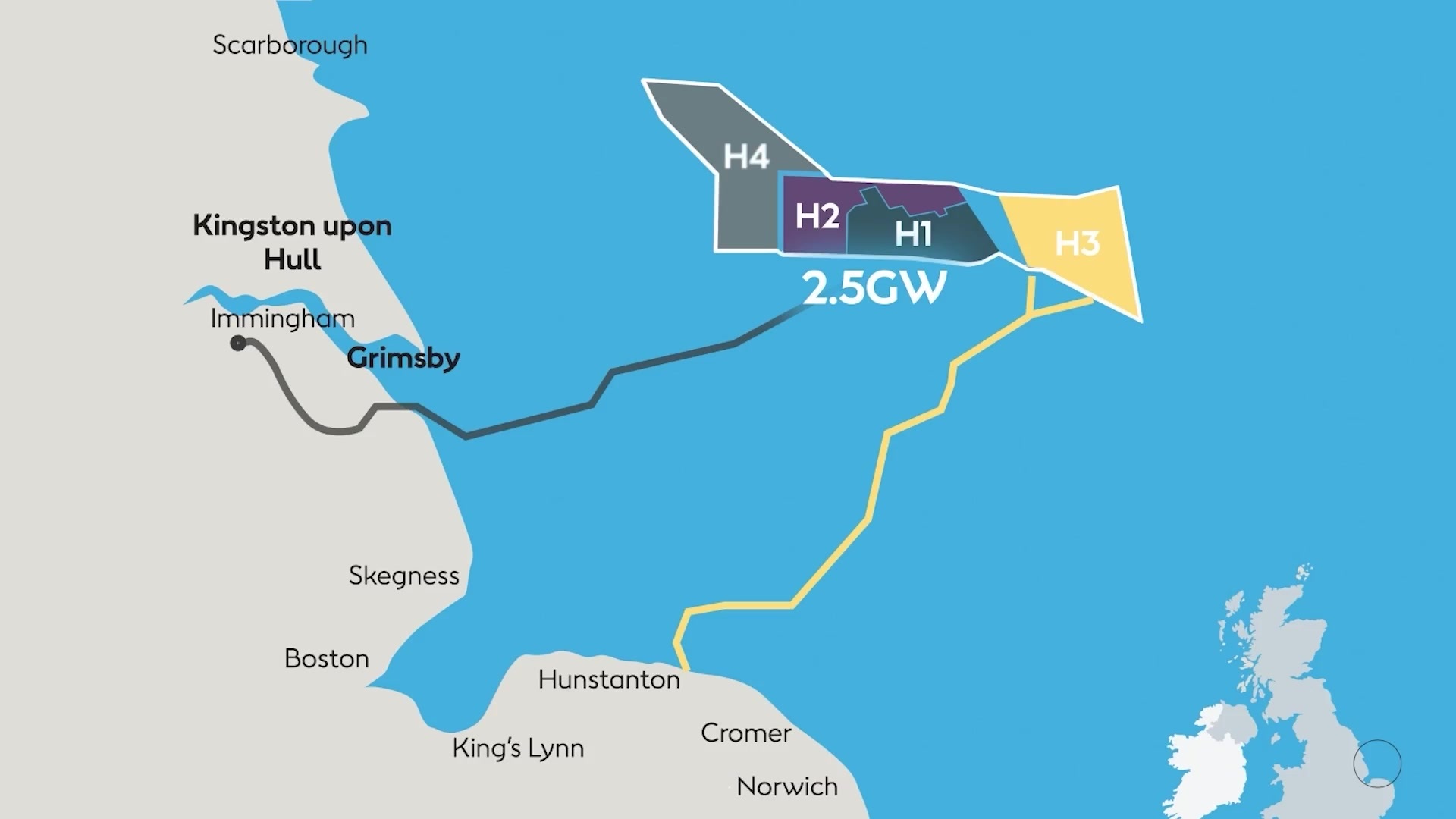
231 turbines of 260 meters at 160 km from the coast, monopiles weighing as much as nine blue whales embedded in the North Sea, and a crane ship taller than the Eiffel Tower: Hornsea 3 will be the largest offshore wind farm on the planet by 2027, and its first components have already arrived in England.
-
International Certification Puts Senai Norte on the Renewable Energy Map and Expands Access to Essential Training for Qualified Wind Power Professionals

-
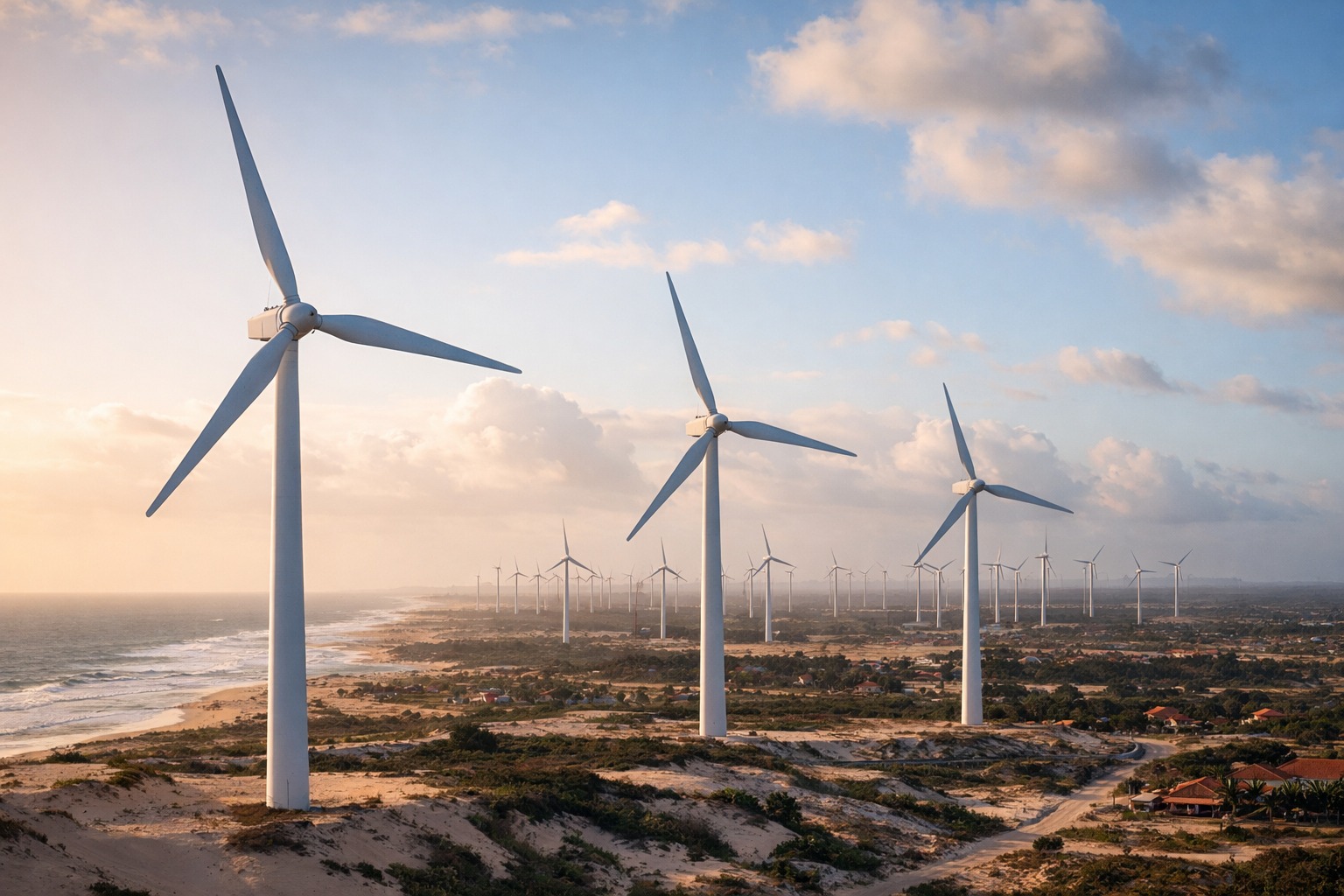
The Winds of the Northeast Are in Foreign Hands: Nearly 70% of the Region’s Wind Farms Are Owned by International Companies, with France, China, and Italy Leading Investments in Wind Energy in Brazil
-
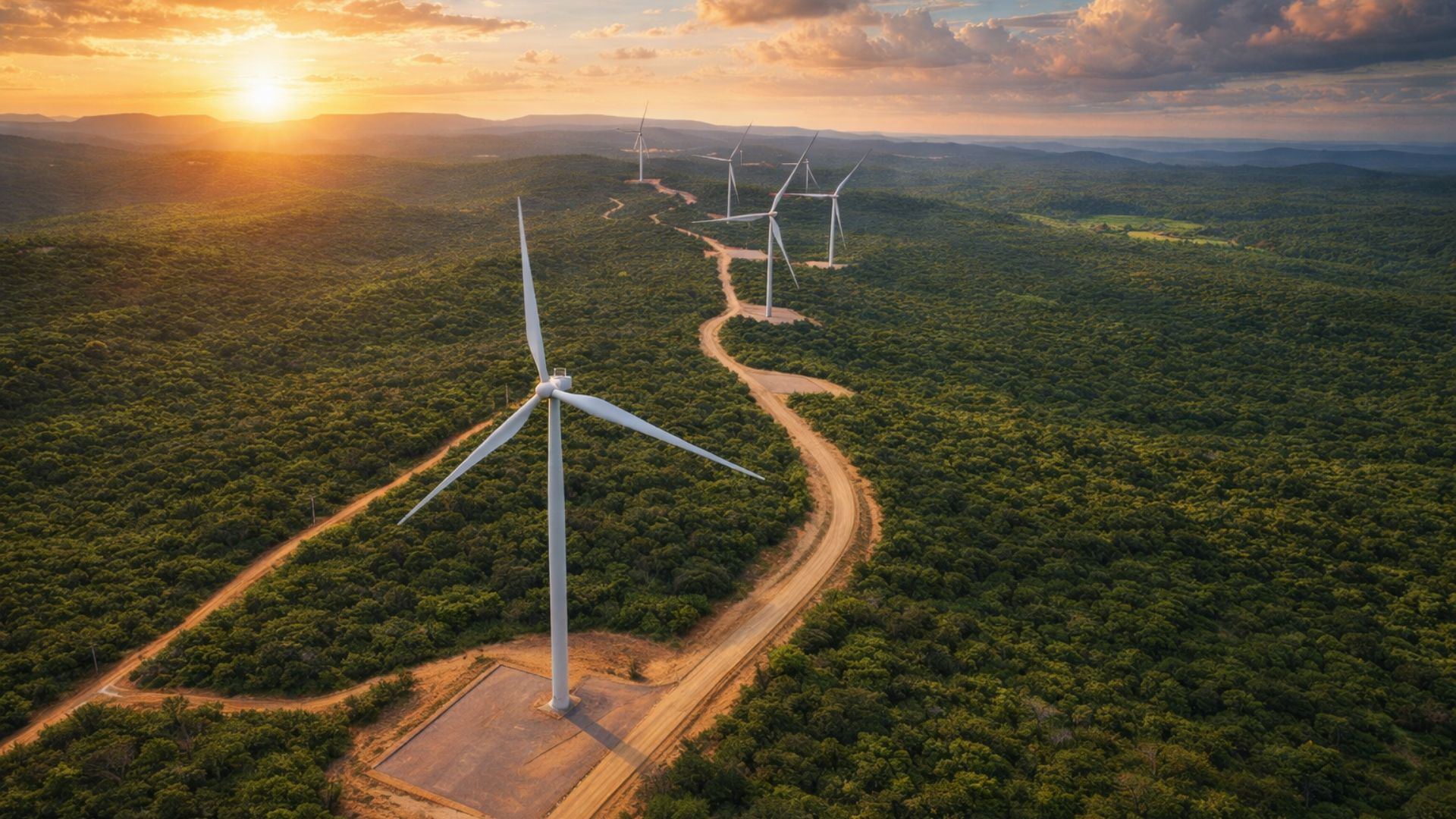
Echoenergia’s Wind Farms Receive Diamond and Platinum Seals and Boost Carbon Credits with Projects that Prevent Large Volumes of Annual Emissions

Official Arguments
In April 2025, the Itamaraty reaffirmed, in a note, that Brazil does not consider initiating new territorial negotiations.
The Uruguayan government demands stricter monitoring.
The Uruguayan Institute of Meteorology measured changes in the local fauna.
These data were released by the EFE agency in May 2025.
Despite the complaints, Gaucho authorities emphasize that the enterprise generates direct jobs in Sant’Ana do Livramento.
The operation complies with international renewable energy standards.
Thus, Brazil aims to prevent a technical issue from becoming a larger diplomatic impasse.
Next Steps for Resolution
The territorial issue is not expected to advance formally.
Nevertheless, representatives from both countries established a working group in June 2025.
A new round of dialogue is scheduled for September 2025.
This information was confirmed by the Uruguayan Ministry of Foreign Affairs.
In the meantime, residents of Rivera continue to complain about the proximity of the turbines.
Brazil is evaluating noise mitigation measures.
The goal is to expand the renewable matrix without regional conflicts.
The case shows how sustainable projects can resurrect historical issues.
Furthermore, they challenge regional diplomacy.










Seja o primeiro a reagir!