





 Portuguese
  English
  Spanish
  3 min of reading


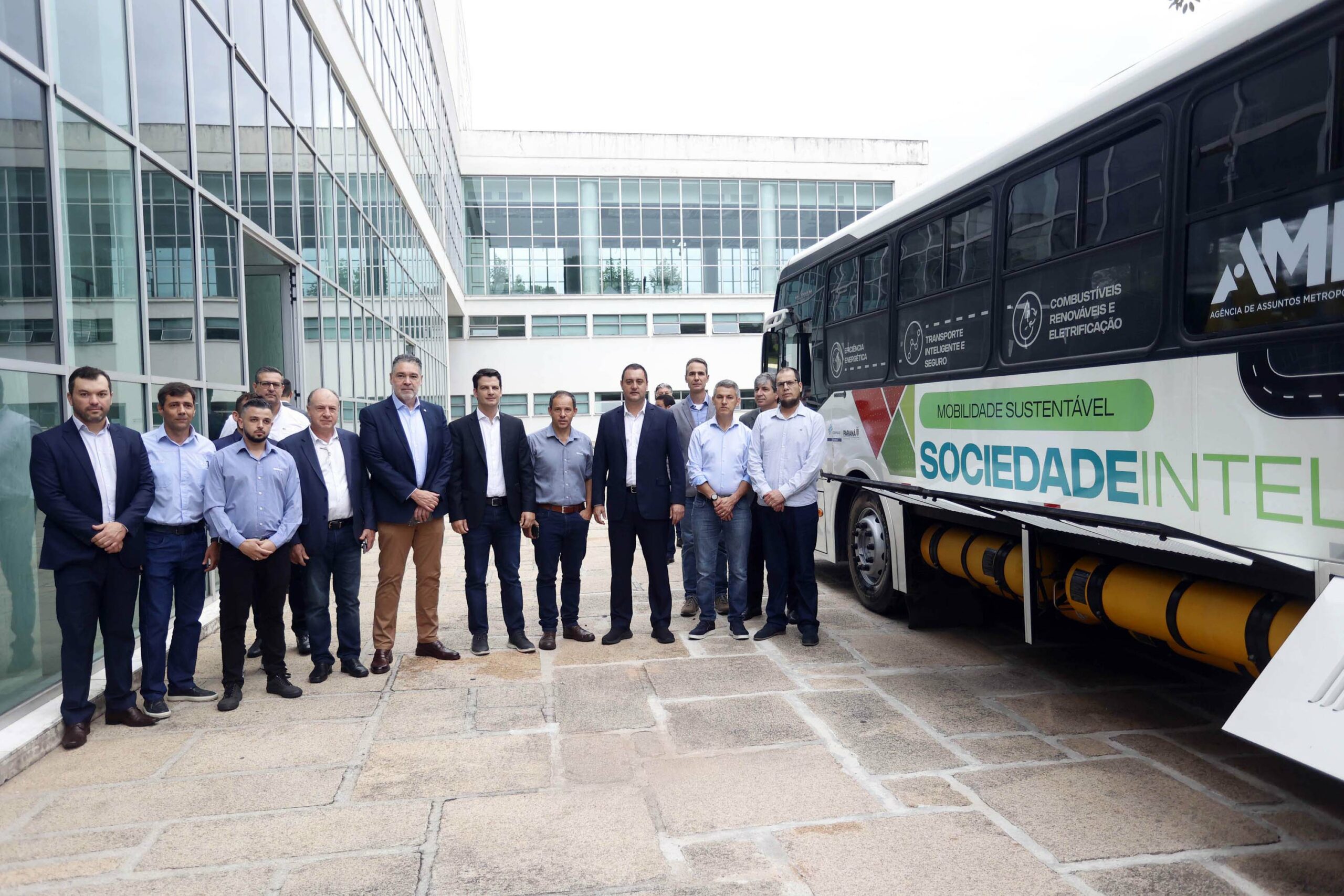
Government of Paraná Partners with Compagas and Scania to Use CNG Buses in Urban Public Transport of the Metropolitan Region of Curitiba.
The government of Paraná, in partnership with Compagas and Scania, plans to implement a CNG bus in the urban public transport of the metropolitan region of Curitiba starting this Friday (3). The vehicle is in a one-month testing phase and aims to certify efficiency indicators and reduce harmful gas emissions.
Compagas and Scania’s CNG Bus Has 280 Horses
The model used by the government of Paraná will integrate the fleet of Viação São José and will operate on the São José/Guadalupe route, with a daily journey of over 280 km between São José dos Pinhais and Curitiba. After the initial tests, the idea is for the CNG bus from Scania and Compagas to run for an additional 30 days on a municipal line. Scania is the manufacturer behind the Padron K 280, which is 13.2 meters long and has a capacity for 86 passengers.
The vehicle has 280 horsepower, powered by an Otto Cycle engine. The model is not converted from diesel to gas but can operate smoothly with CNG, biomethane, or both fuels. For the testing phase, eight gas cylinders were installed on the front side with a range of 300 km.
-
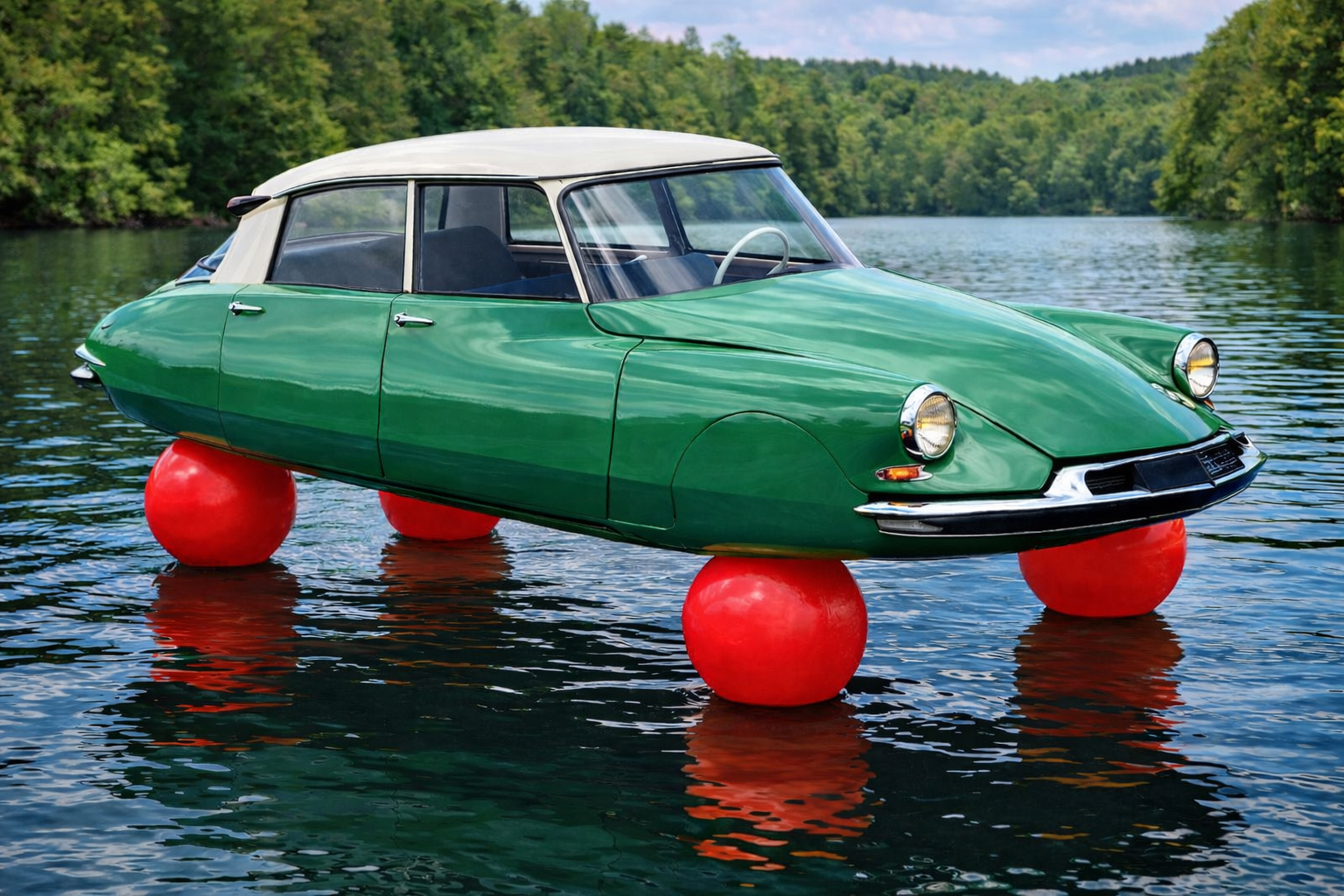
A French brand placed a car on four huge red balloons to prove that its suspension made the vehicle “float,” and the surreal scene became one of the most iconic and unusual images in automotive history.
-
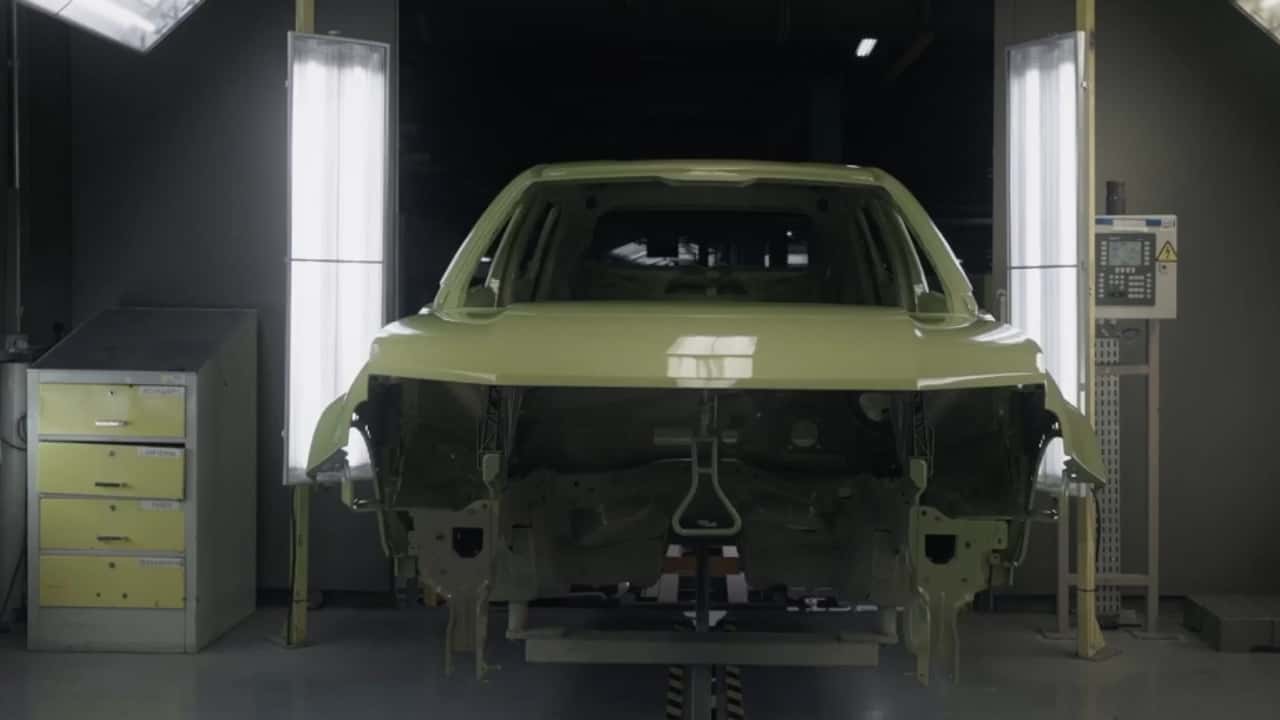
Jeep Avenger begins production in Brazil, debuting as the brand’s new entry-level SUV and inaugurating an unprecedented phase by becoming the first national Jeep manufactured outside of Goiana, as part of a R$ 3 billion plan.
-
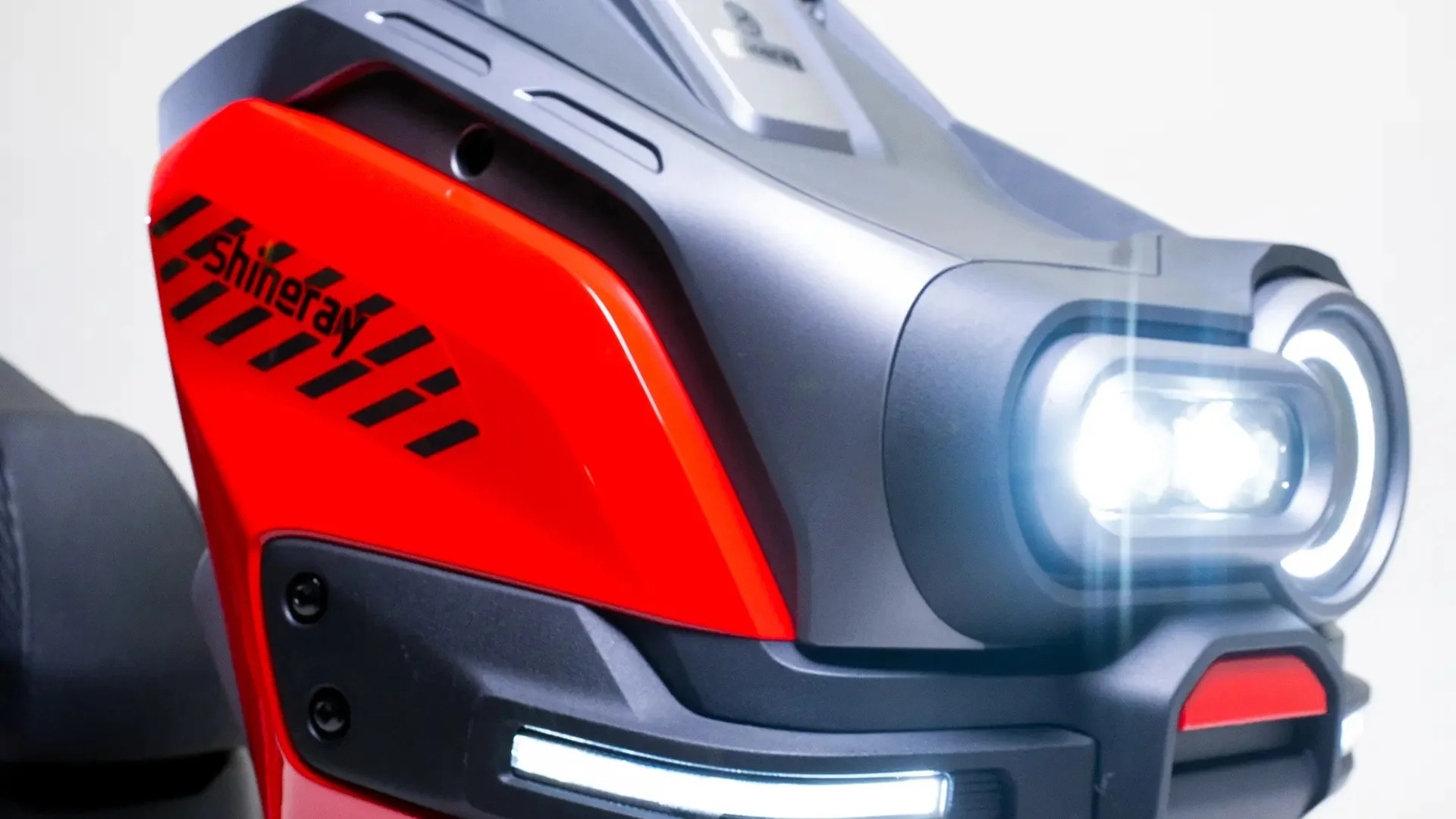
Costing R$ 12,490, the new Shineray Urban Lite 150 “cheap one” arrives in Brazil with a CVT transmission, digital dashboard, and LED lights, making it more affordable than the Biz and targeting those who want to abandon the bus.
-
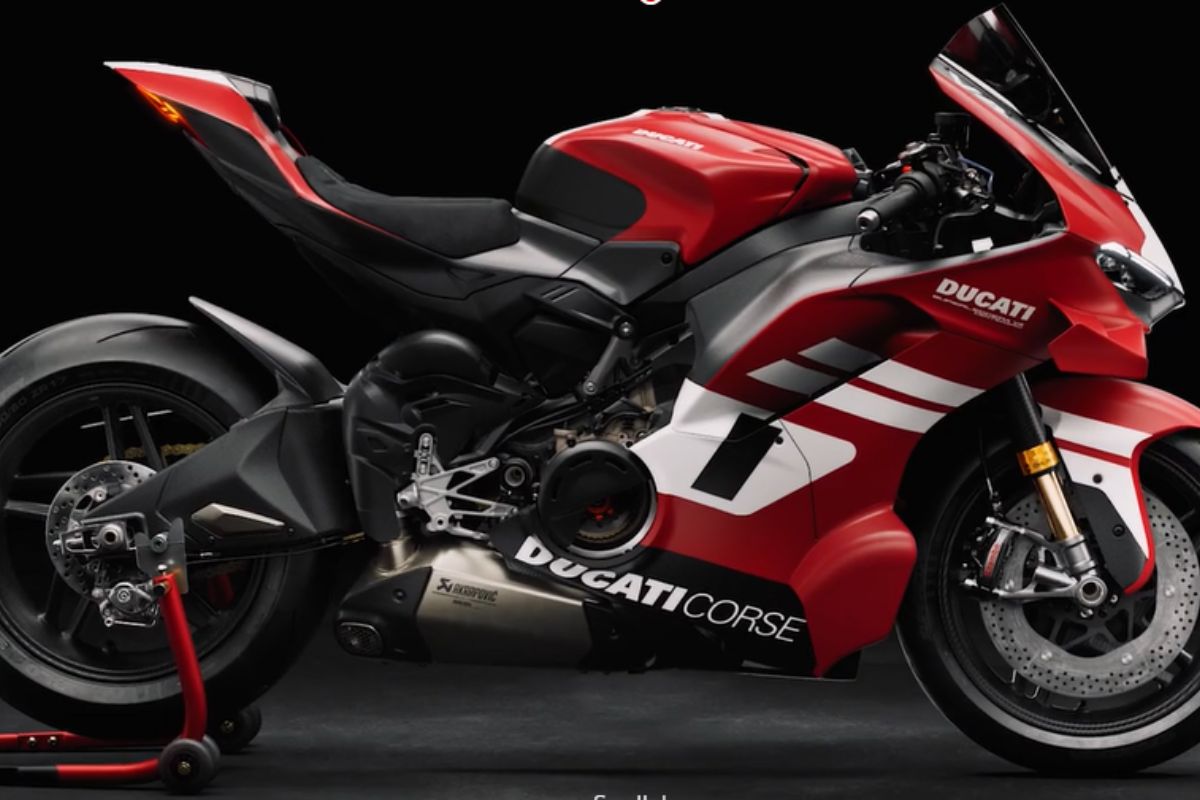
Ducati brings to Brazil the Superleggera V4 Centenario: 228 hp that become 247 with a track kit, carbon fiber and carbon-ceramic brakes, estimated price between R$ 1.5 and 2 million, deliveries only in 2027.
Scania states that it is possible to evaluate the installation of more cylinders if the customer opts for a greater range. The initiative is being carried out by Compagas, in partnership with the Paraná Metropolitan Affairs Agency (AMEP) and the Government of Paraná.
Carlos Massa Ratinho Junior, the state governor, emphasized that the goal is to expand the fleet of public transport vehicles with buses that use natural gas in the future, if the initiative shows positive results.
Scania’s CNG Bus Should Not Undergo Significant Changes
According to the governor, with successful testing, the goal is to help Paraná municipalities expand their fleet powered by natural gas, to reduce operational costs, given that diesel is costly for public transport.
To make the CNG bus viable, Compagas stated that no significant alterations will be necessary to the bodywork designs. The gas cylinder installations can be done between the chassis longitudinal beams or on the roof. If a greater range is needed, it is possible to consider adding more cylinders.
The vehicle is equipped with three valves that release gas in case of anomalies in one of these three criteria. Scania assured that the cylinders are robust, made with missile shell material. Both equipment are certified by Inmetro.
In the event of a fire or collision, the company stated that the gas is released into the atmosphere and dissolves without risk of explosion. Similar models powered by diesel are more dangerous, as the liquid remains on the ground or can spread along the chassis.
Compagas and Scania Model Focuses on Sustainability
Regarding the environment, gas-powered vehicles emit fewer pollutants compared to diesel ones. The distributor stated, in a note, that the index can be up to 20% lower in CO2 emissions. The reduction of nitrogen oxides (NOx) is nearly 90%, and particulate matter reduction reaches 85%.
According to Compagas CEO Rafael Lamastra Jr, the project positions Paraná as a leader in sustainability and urban mobility. He emphasized that natural gas is recognized as a green energy source and contributes to the energy transition.










Seja o primeiro a reagir!