





 Portuguese
  English
  Spanish
  5 min of reading
  0 comments


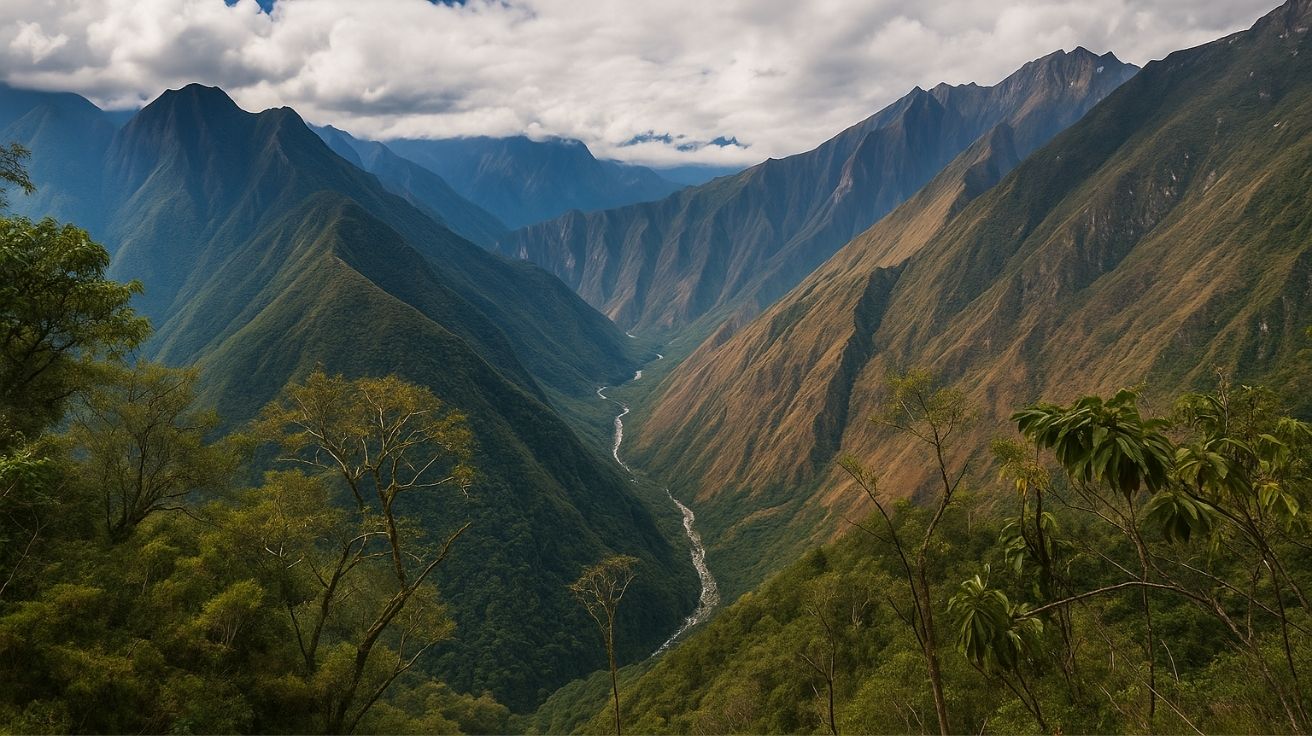
Known as the Most Frightening Point of the Inca Trail, Dead Woman’s Pass Blends Legend, Extreme Altitude, and Stunning Landscapes, Being the Greatest Challenge of the 43 km to Machu Picchu
The Dead Woman’s Pass, or Warmiwañusqa in the Quechua language, is the highest, and also the most feared, point of the legendary Inca Trail to Machu Picchu. At 4,215 meters above sea level, this section is famous for its breathtaking beauty, but also for challenging even the most prepared hikers, requiring physical endurance, prior acclimatization, and willpower.
According to reports, this part of the trail is responsible for a large number of abandonments due to altitude sickness, but it is also where many celebrate the peak of the journey with emotion, photos, and even symbolic rituals of achievement.
-
The Argentine government celebrates the lowest poverty rate in 7 years, but experts warn that the methodology has changed, real wages have fallen, unemployment has risen, and the number of people on the streets of Buenos Aires has increased by 57% since Milei took office.

-
7.8 magnitude earthquake in Indonesia frightens the population, triggers tsunami alert, and hits an island with over 200,000 inhabitants this Thursday.
-
Google will finally let you change that embarrassing Gmail address you created in your teenage years without losing any accounts, logins, or old emails: the feature is already available in the United States.

-
Heading to Brazil in a Bonanza F33 single-engine aircraft: a couple departs from Florida on a visual flight, makes technical stops in the Caribbean to refuel and organize paperwork, and begins the staged crossing until they reach the country.
Where Legend Meets Physical Challenge
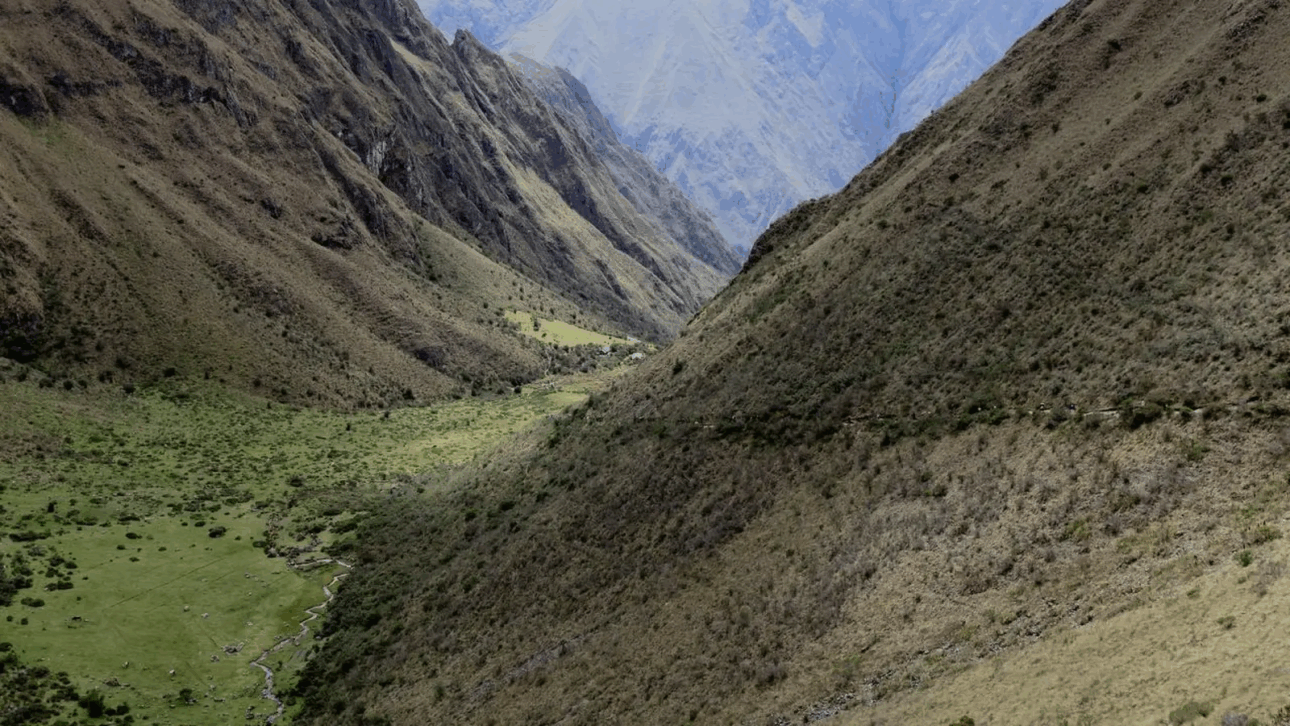
The Dead Woman’s Pass did not receive its name by chance. According to local residents and ancestral legends, the mountainous terrain forms the silhouette of a woman lying down, a figure visible when observing the location from the valley floor. This symbolic image has gained strength over time, becoming part of the mystique of the Inca Trail.

The original name, Warmiwañusqa, combines the Quechua terms for “woman” (warmi) and “dead” (wañusqa). But it is not just folklore: this is the highest point of the route, which makes this part a true test of endurance.
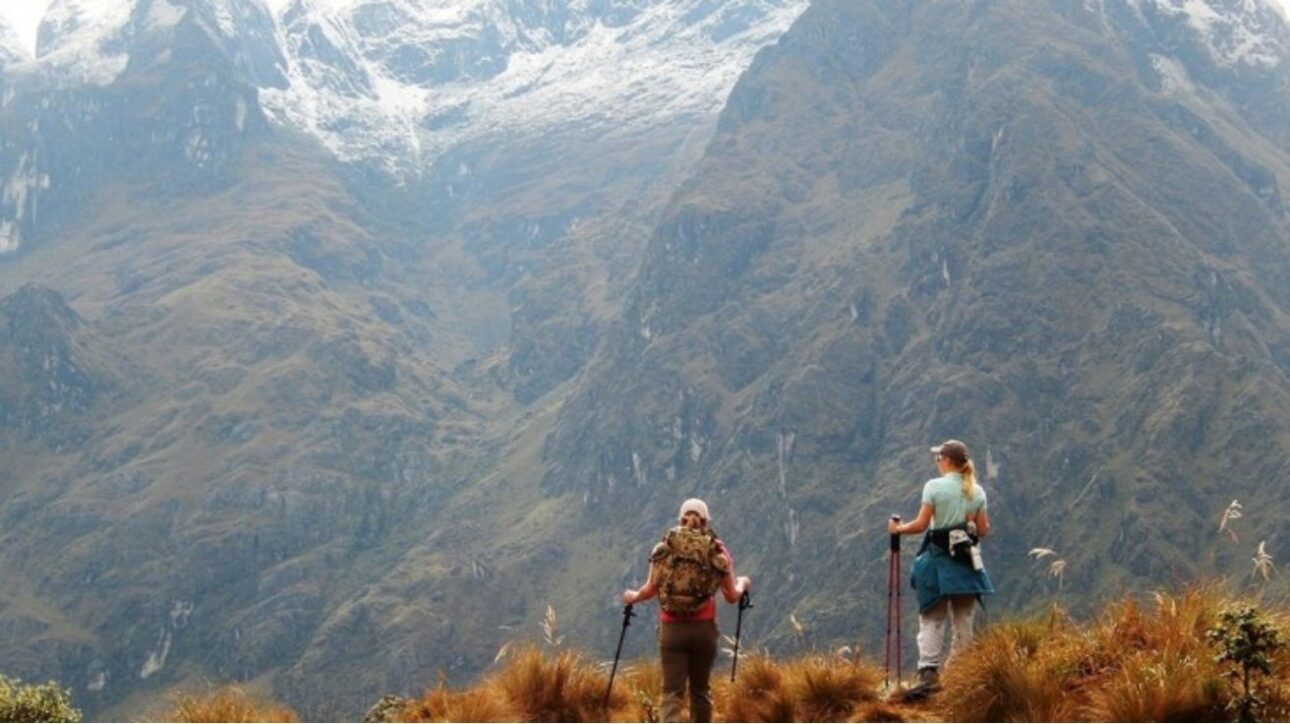
The journey to Dead Woman’s Pass begins gently, with trails lined by cloud forests and Inca ruins. But as the altitude increases, the vegetation diminishes, the thin air takes over, and the day’s heat can give way to biting winds and even light rain.
At 4,215 meters high, the difficulty in breathing is real. According to Bookmundi, the first symptoms of altitude sickness include headaches, nausea, dizziness, intense fatigue, and even vomiting. This can occur from 2,400 meters and worsen as one ascends.
Experts’ recommendations are clear: those who plan to trek the Inca Trail should spend at least two days in Cusco (3,400m) before departure to acclimatize the body. It is also important to avoid alcohol, energy drinks, and ensure good sleep.
Among the traditional solutions to alleviate symptoms are coca tea and the use of medications such as acetazolamide, but the only proven cure for altitude sickness is descending to lower levels.
Even with all the challenges, the visual reward of Dead Woman’s Pass is unmatched: the summit offers a panoramic view of the Peruvian Andes, valleys shrouded in clouds, and a true sense of achievement, captured by many travelers in photos and tears.
The Second Most Difficult Day of the Inca Trail
The Inca Trail, with its 43 kilometers, is divided into four days. The ascent to Dead Woman’s Pass occurs on the second day, considered by many the hardest of all. The section is almost entirely uphill, with slippery stone staircases and a constant incline.
As reported by G Adventures, this is the moment when many question why they accepted the challenge, but also the moment when the spirit of the journey begins to reveal itself. The isolation of the site, the altitude, and the physical difficulty promote a kind of “baptism by fire” for adventurers.
The trail transforms radically throughout the day: it goes from dense vegetation to barren alpine fields. With few trees and direct exposure to the weather, it is common to experience intense sun, rain, and wind within a few hours.
The majority of groups take strategic breaks to rest, eat energy snacks, and drink plenty of water. Walking sticks are essential on this stretch, both to relieve joint impact and to maintain a steady pace.
It is common to see hikers emotional upon reaching the top, many taking photos with their arms raised, shouting with joy, or just sitting in silence to contemplate the scenery.
From the top, the descent to the camp in Pacaymayu begins, a steep stretch, but invigorating after the effort of the ascent. The descent is also demanding, as it strains already exhausted joints and muscles.
Arriving at the camp brings a sense of relief, camaraderie among expedition members, and a hearty dinner, usually accompanied by stories and plans for the third day of the journey.
Preparation, Fauna, and the Wild Beauty of the Stretch
Conquering the Dead Woman’s Pass requires preparation far beyond physical. It needs a resilient mindset, logistical planning, and respect for the forces of nature and altitude. Many hikers underestimate the effects of thin air and end up suffering unnecessarily.
Specialized agencies, such as Inka Trail Expedition Peru, recommend prior training with local trails, focusing on cardiovascular endurance, long hikes with light loads, and weight training to strengthen legs and knees.
In addition to the challenge, this is one of the most beautiful stretches of the entire Inca Trail. During the ascent, travelers are treated to views of Andean flora, orchids, bromeliads, mosses, and may encounter species such as the giant hummingbird, alpacas, and even the mythical Andean condor soaring over the cliffs.
The path is made over ancient stones placed by the Incas themselves. The irregular floor, time-worn steps, and low retaining walls are part of the living history that still echoes through these mountains.
Another element that makes the experience unique is the silence. There is no traffic, electricity, or cell signal. Just the sound of the wind, breathing, and footsteps on the stone. A rare and powerful reconnection with nature and oneself.
Upon completing the second day and leaving the Dead Woman’s Pass behind, most adventurers transform. They feel stronger, more connected to the essence of the journey, and more determined to reach Machu Picchu.
From there on, the rest of the trail to the Lost City of the Incas becomes less daunting. The hardest stretch is already behind, leaving marks of overcoming that each traveler carries for life.










Seja o primeiro a reagir!