





 Portuguese
  English
  Spanish
  3 min of reading
  0 comments


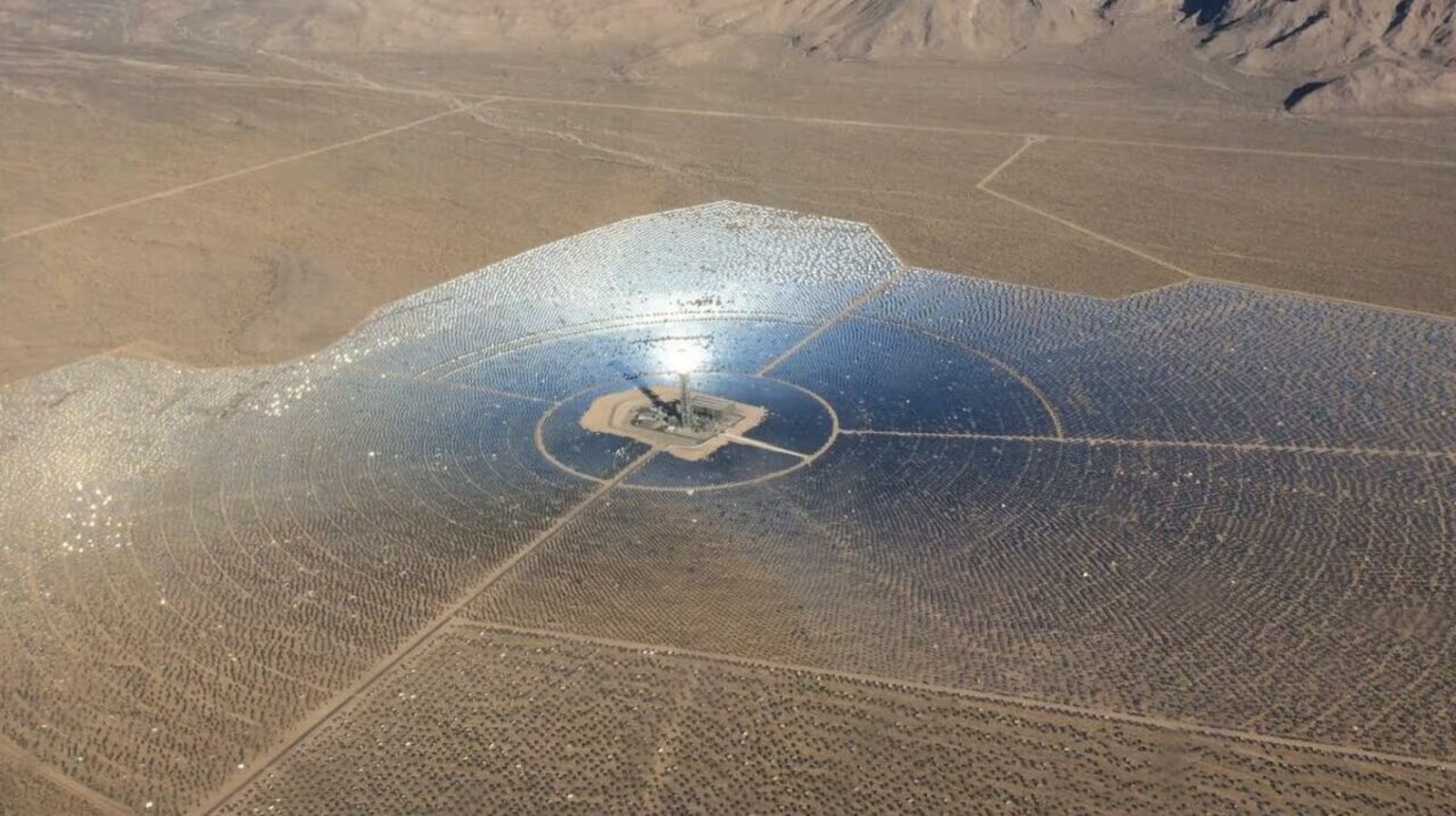
With Billion-Dollar Investment and Innovative Technology, the Ivanpah Plant Promised to Revolutionize Solar Energy in the Mojave Desert, but Faced Technical Failures, Environmental Criticism, and High Costs That Led to the Closure of Operations in 2025
The Ivanpah Solar Power Facility emerged in 2014 with the promise of revolutionizing solar energy in the Mojave Desert. The megaproject of US$ 2.18 billion brought together giants like NRG Energy, BrightSource Energy, and Google, with the support of the U.S. Department of Energy.
The goal was ambitious: to create a solar power tower plant capable of generating electricity on a large scale and reducing dependence on fossil fuels. The installation was seen at the time as a symbol of a new energy era.
How the Solar Tower Plant Worked
Ivanpah spanned 13 km² and housed over 173,500 heliostats, computer-controlled mirrors that reflected sunlight to the top of three 140-meter towers.
-
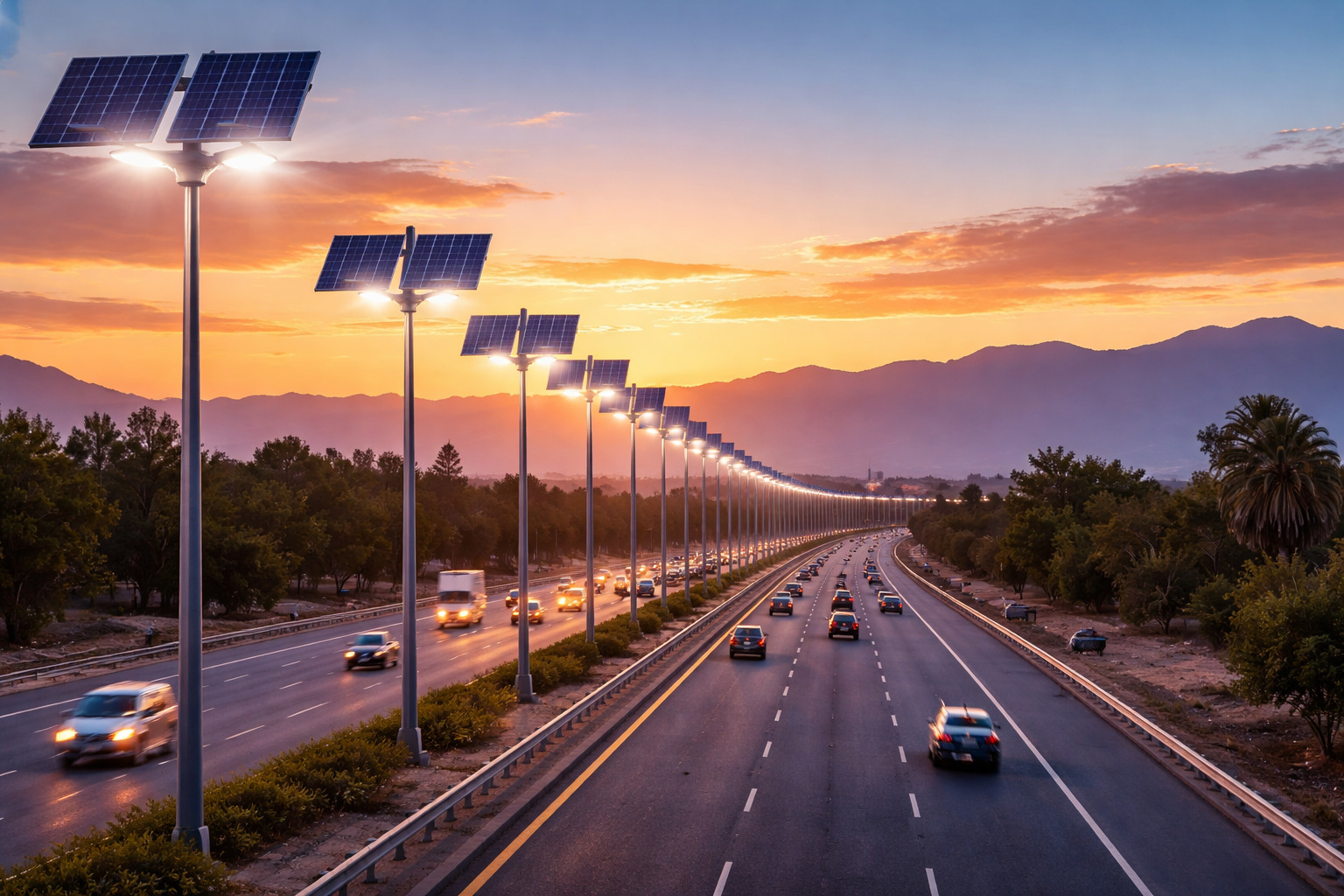
Argentina debuts its first 100% solar-powered highway and transforms an entire road into a showcase of clean energy.
-
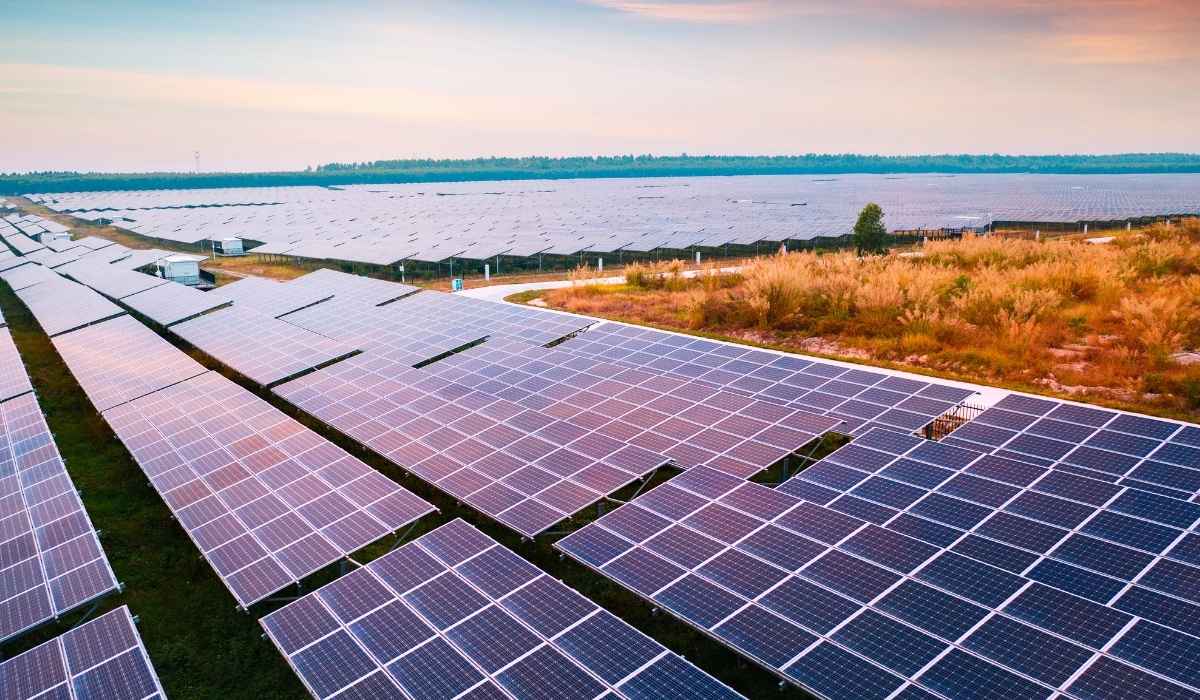
Minas Gerais reaches a historic record and surpasses the power of Itaipu, but network costs generate debate: Understand why solar energy in MG impacts the electricity bill of those without panels.
-
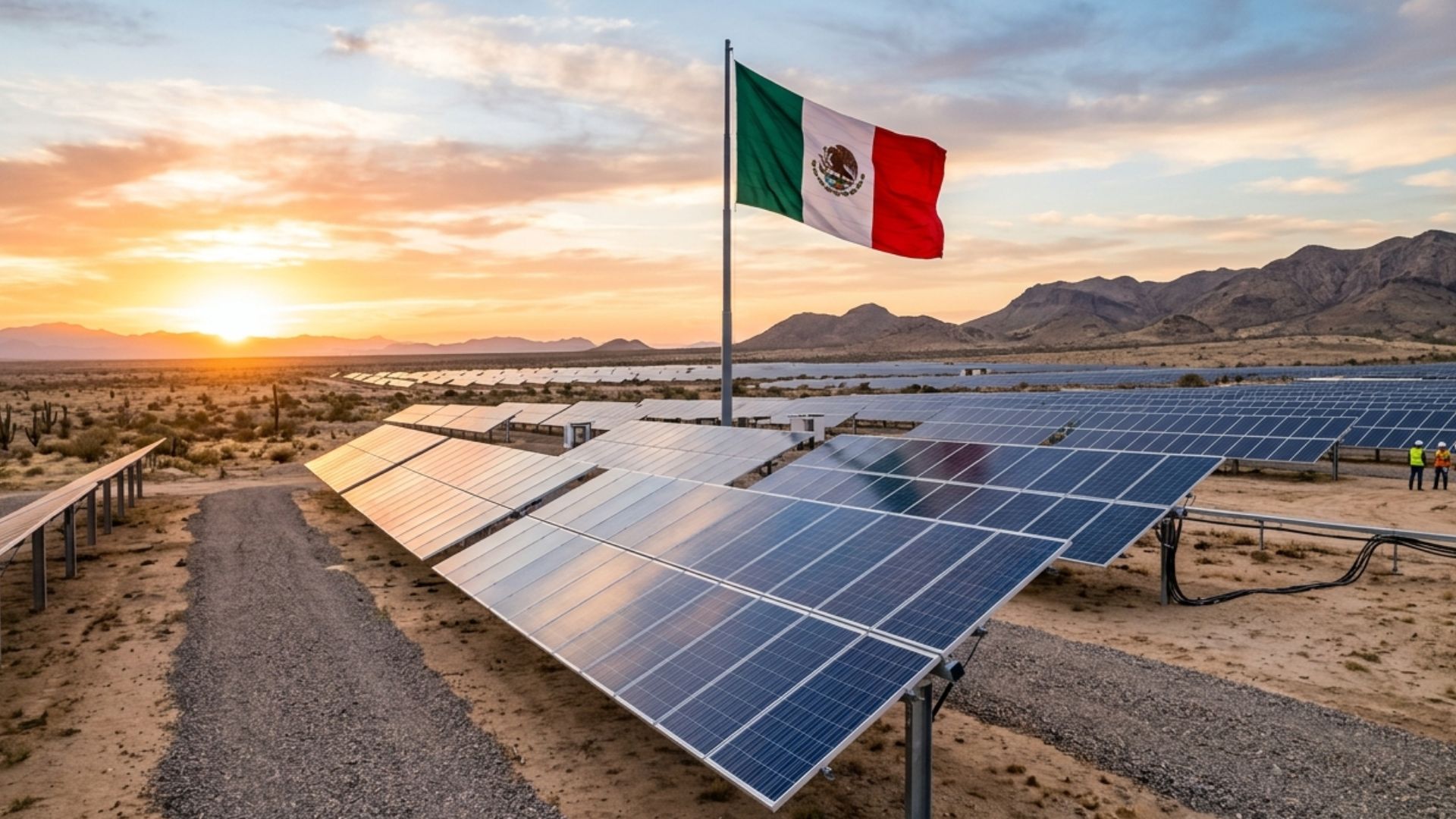
Mexico surprises the world by building the future largest solar plant in Latin America, advancing with planned expansion to over 1 GW, and boosting solar energy in the country.
-
Solar cells have just achieved the “impossible” with this 130% breakthrough.


The concentrated heat generated steam, which drove turbines and produced electricity.
The system was designed to store thermal energy in molten salts, allowing for continued generation even after sunset.
However, technical difficulties prevented this phase from functioning fully, requiring the use of natural gas to maintain continuous operation.
This dependency reduced the ecological potential of the project, which originally intended to operate 100% on solar energy.
The Concept Behind Tower Plants
In solar power tower plants, heliostats track the movement of the sun, reflecting its light to a central receiver.
The accumulated heat heats water and produces steam, similar to the operation of a thermal power plant, but without the direct burning of fossil fuels.
For this reason, the system is considered cleaner. However, its operational complexity and the need for high precision in mirror alignment make maintenance challenging and expensive.
Ivanpah faced precisely this type of technical obstacle, which ultimately compromised its performance over the years.
Environmental Criticism and Efficiency Problems at the Plant
The plant received criticism from environmentalists for impacting local wildlife, especially birds that flew over the mirror fields and were struck by concentrated light beams.
In addition to the environmental impact, there were engineering failures, such as the frequent misalignment of the heliostats and thermal losses.
These limitations raised operating costs and decreased the expected energy efficiency.
Among the main problems were the need for natural gas to maintain production, complex maintenance, and the negative impact on migratory desert species.
Closure and Transition to New Technologies
In January 2025, the power purchase agreements between the Ivanpah operators and Pacific Gas & Electric were terminated.
The decision marked the premature end of the project, which did not meet the generation and sustainability targets set.
The advancement of cheaper and more efficient photovoltaic technologies contributed to this shift. Conventional solar panels, with simpler maintenance and lower costs, became the primary choice for new installations.
The Future of the Space Left by the Solar Megaproject
The site of the solar megaproject will not remain abandoned. The infrastructure connecting to the electrical grid is expected to be repurposed for new photovoltaic projects.
This transition represents the natural evolution of the solar industry, which seeks efficiency, cost savings, and sustainability.
Therefore, even with the end of Ivanpah, the Mojave Desert continues to be a stage for global energy innovation.
With information from O Antagonista.








-

Uma pessoa reagiu a isso.