





 Portuguese
  English
  Spanish
 5 min of reading
  1 comment


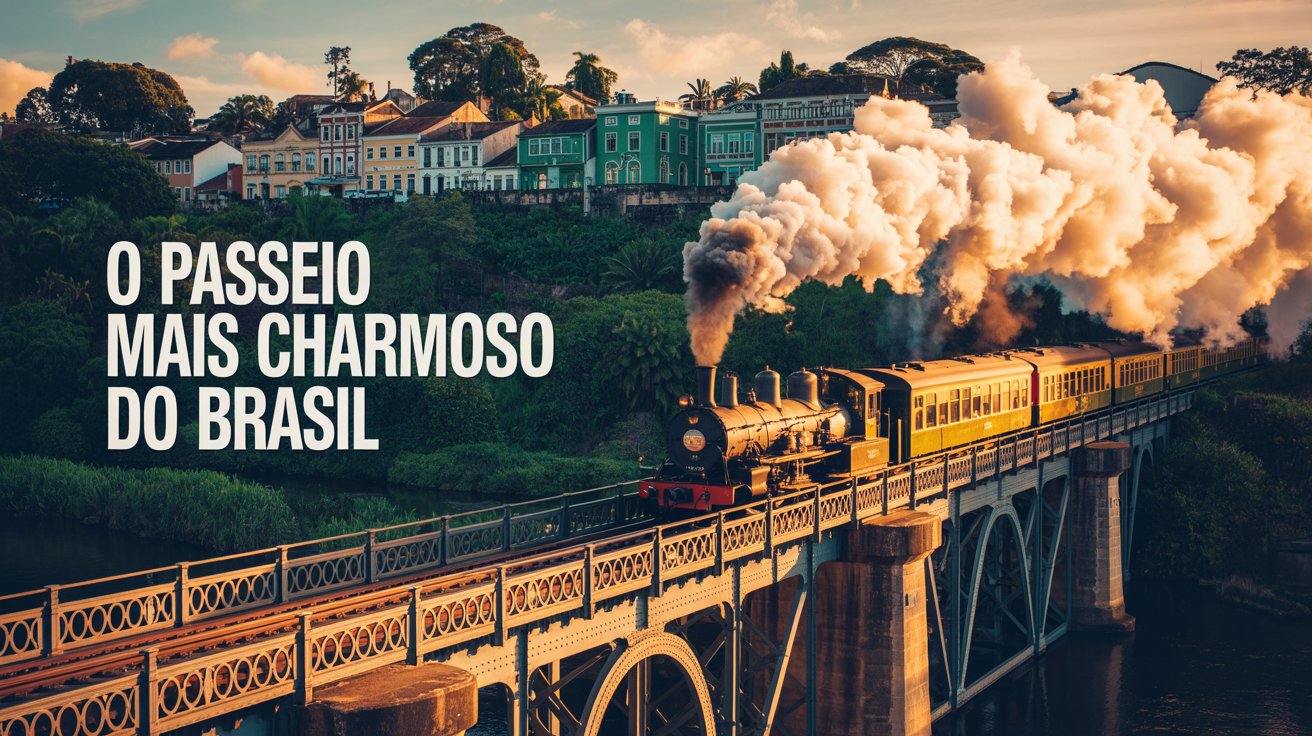


A Centennial Train Takes Tourists to a Village with English Architecture, Belgian Bridge, and Landscapes of Interior São Paulo on a Route That Seems to Transport Visitors to Europe Without Leaving São Paulo.
The most charming train ride in Brazil has been active since 1927, was part of a Globo soap opera, passes over a Belgian bridge, a village with English architecture, and seems like a scene from a European movie.
Located 80 kilometers from São Paulo, Guararema offers an itinerary that takes visitors to a historic village with colorful facades and a European countryside atmosphere.
The journey, operated on weekends and holidays, connects the city’s central station to Vila Luís Carlos in about two total hours, with a stop for visitation.
-
Friends have been building a small “town” for 30 years to grow old together, with compact houses, a common area, nature surrounding it, and a collective life project designed for friendship, coexistence, and simplicity.

-
This small town in Germany created its own currency 24 years ago, today it circulates millions per year, is accepted in over 300 stores, and the German government allowed all of this to happen under one condition.

-
Curitiba is shrinking and is expected to lose 97,000 residents by 2050, while inland cities in Paraná such as Sarandi, Araucária, and Toledo are experiencing accelerated growth that is changing the entire state’s map.

-
Tourists were poisoned on Everest in a million-dollar fraud scheme involving helicopters that diverted over $19 million and shocked international authorities.


The train is usually pulled by historical equipment from the Brazilian Association for Railway Preservation (ABPF) and, when in operation, uses the steam locomotive 353 — “Old Lady”, manufactured in 1927.
The ride covers 14 kilometers (round trip), with approximately 6.8 kilometers per segment.
What Is the Route Between the Center and Vila Luís Carlos
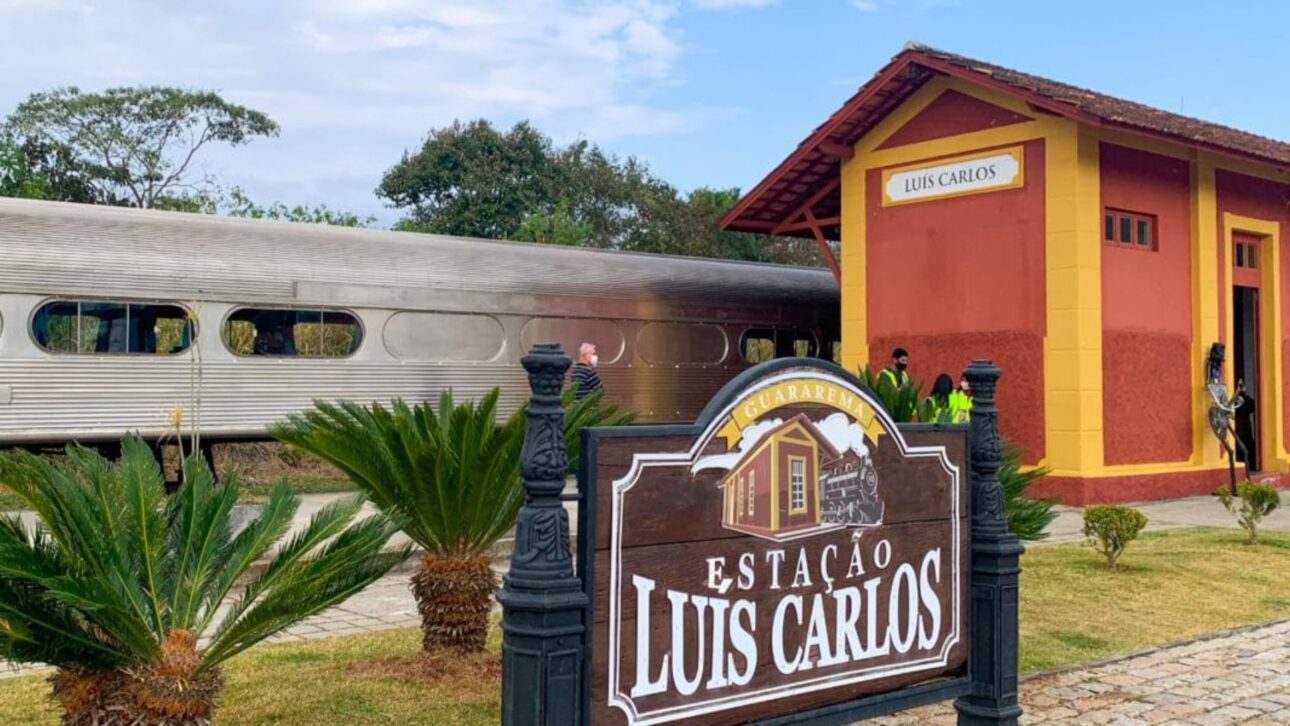
The departure occurs from the Guararema Station, in the city center.
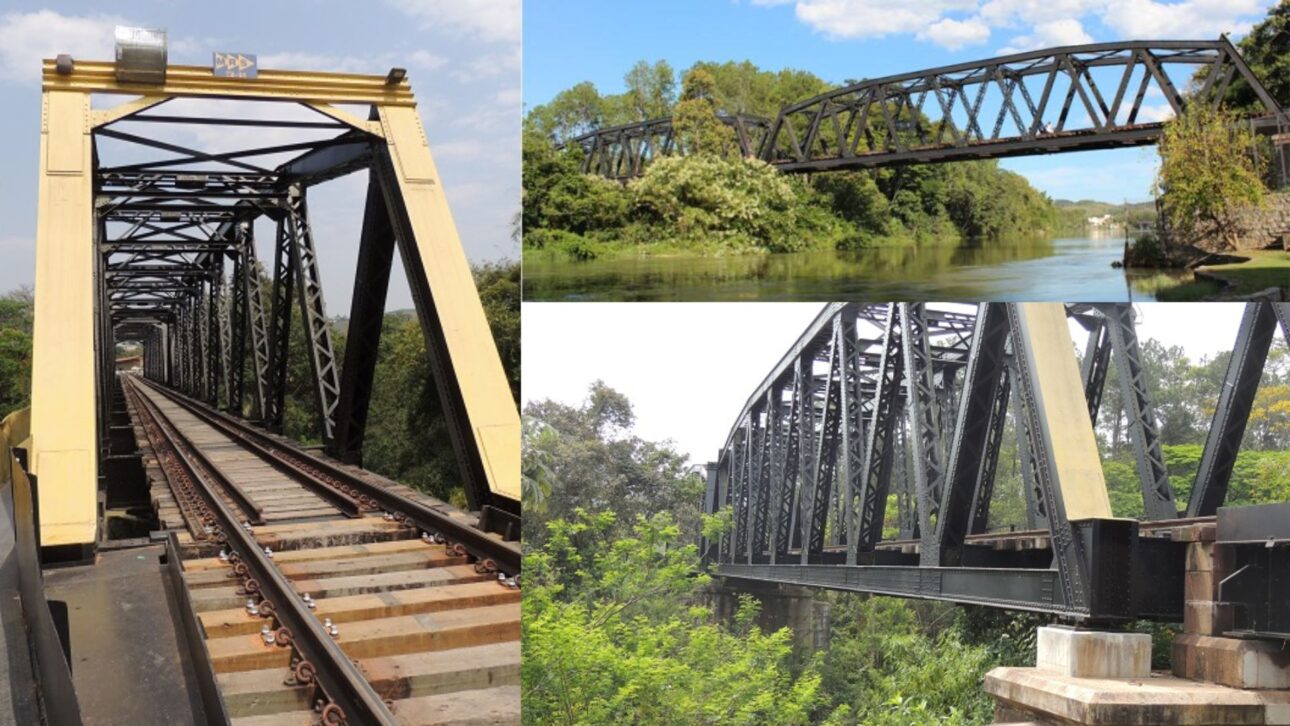
Shortly after leaving, the train advances alongside the Rio Paraíba do Sul and crosses areas of Atlantic Forest before reaching one of the local symbols: the metal bridge of Belgian origin, assembled by the English in the early 20th century.
The steel structure, renovated in recent years, frames one of the most photographed points of the route and reinforces the historical character of the old line of Central do Brasil.
Upon arrival at Vila Luís Carlos, the scene of restored houses preserves references to European architecture from the early 20th century.
Colorful facades, wooden frames, and small squares make up the ensemble.
The location, rehabilitated for tourist use, frequently features in day trips and has served as a filming location for TV productions, including Globo soap operas.
What Do Visitors Find in the Village
During the stop — which is included in the total experience time — visitors stroll through quiet streets with cafés, handmade sweets, and souvenir shops.
Some cultural spaces host temporary exhibitions and weekend activities.
The tourist operation has stimulated the opening of new businesses, including an artisan brewery open to the public, with labels produced in the district and kitchen service.
For those who prefer a peaceful rest, park benches and natural overlooks help to appreciate the mountainous landscape and the comings-and-goings of the train.
Historical Material: The “Old Lady” and Railway Preservation
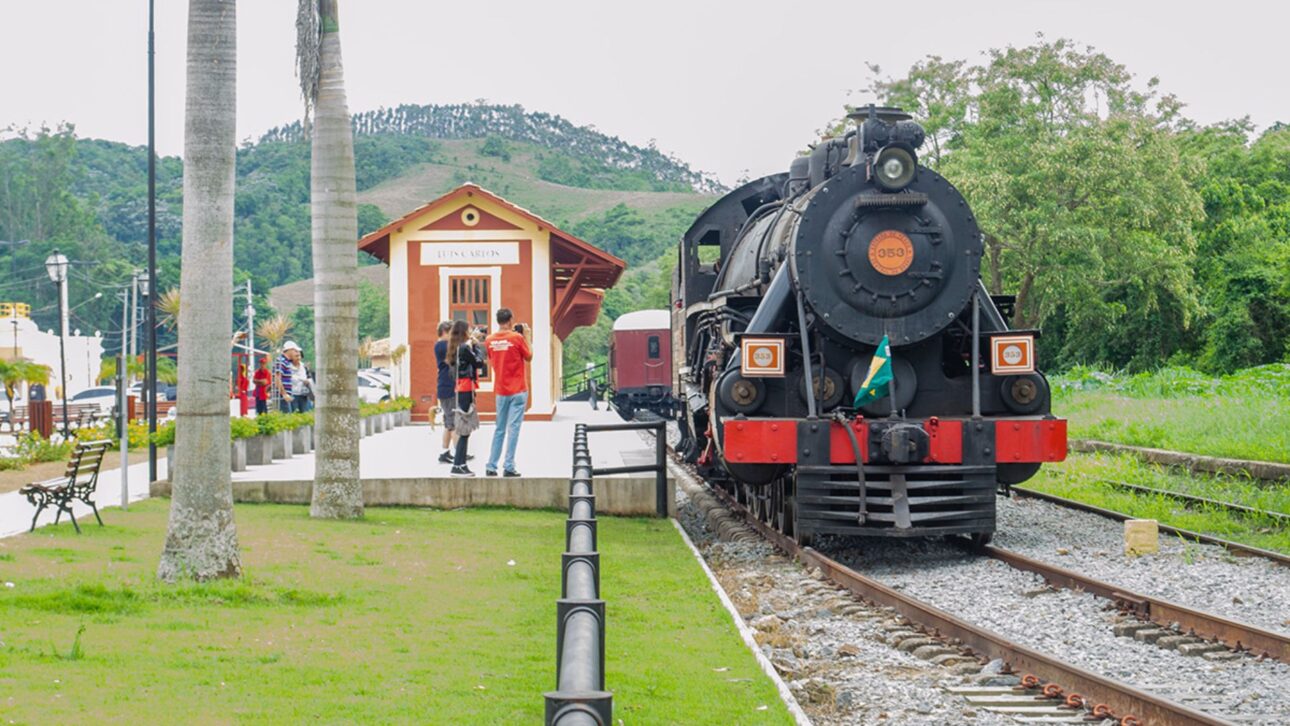
The locomotive 353, known as “Old Lady”, is a Pacific type specimen, manufactured by Baldwin in the United States in 1927.
The machine has become an icon of the Guararema ride and, as heavy maintenance needs arise, it may be replaced by alternative traction during specific periods, without compromising the passenger experience.
The management of the ensemble — locomotives, wooden cars, and part of the infrastructure — is conducted by ABPF, an entity that directs ticket revenue towards the preservation of the collection and operational safety.
Schedules, Categories, and Prices of the Ride
The calendar provides departures on saturdays and sundays, as well as on national holidays, with traditional departures at 10 AM and 2:30 PM according to the current announcements.
The total experience time is about 2 hours, including the stay in Luís Carlos.
There are two regular seating categories: Tourist Class and Caboose (car with balconies).
Basic tickets cover the historic transportation; food and drinks are not included in these options.
According to the current prices, the full ticket costs R$ 190 per person and the half ticket, R$ 95.
Children up to 5 years can travel on a guardian’s lap, without occupying a seat.
Advance purchase is recommended, as demand tends to be high on sunny weekends and extended holidays.
In addition to the basic categories, the train operates, on specific dates, the Dining Car, partner service with open food and open bar during the ride.
Reservations for this experience are made directly with the culinary operator, subject to availability and specific conditions.

Tourist Spots and Heritage of Guararema
Those who extend the ride through the city find other heritage landmarks.
The Church of Our Lady of the Ladder, listed by Iphan and Condephaat, is located a few kilometers from the center and preserves colonial features.
At another point, the Mayor Gerbásio Marcelino Lookout offers a wide view of the urban perimeter, the Rio Paraíba do Sul, and green areas, acting as a postcard at sunset.
These stops are accessible by car and complement the railway circuit with history, landscape, and gastronomy.
Why the Experience Reminds of a European Movie
It’s not just the centennial locomotive that creates an atmosphere of the era.
The urban ensemble of Luís Carlos, the metal bridge over the river, the restored station, and the rolling stock with wooden finishes form a coherent scene, carefully maintained for cultural tourism.
The soundtrack of the whistle, the smoke (when steam traction is in operation), and the low speed — a typical condition of historical rides — favor contemplation and photography.
This visual repertoire explains the frequency with which the village appears in photoshoots and recordings, including in television productions.
Tips and Guidelines for Visitors

Boarding with 30 minutes in advance speeds up ticket collection and access to the platform.
On days of strong sun, sunscreen and water help, especially if the choice is the Caboose, which has open balconies.
As the time in Luís Carlos is short, it’s worth deciding in advance whether the priority will be a café, the artisan brewery, or a photographic stroll through the streets.
For families with children, pay attention to the identification rules during boarding and the safety guidelines when around the tracks and bridges.
A Postcard That Renews
The tourist operation has an educational and preservationist character.
By purchasing a ticket, visitors contribute to the maintenance of historical locomotives, passenger cars, and stations that, without economic use, would be subject to degradation.
The ride from Guararema to Luís Carlos has thus become a case of valorization of railway heritage in the Paraíba Valley, reconciling memory and public leisure.
Which part of the journey catches your attention the most: the Belgian bridge over the Paraíba do Sul, the station of Luís Carlos, or the feeling of traveling on a train reminiscent of Brazil in the 1920s?









Li esta reportagemfiz uma viagem magnífica no pensamento.
Mas gostaria de saber como faço para comprar a passagem sou de São Vicente.
At,
Vera Maria