





 Portuguese
  English
  Spanish
  4 min of reading
  0 comments


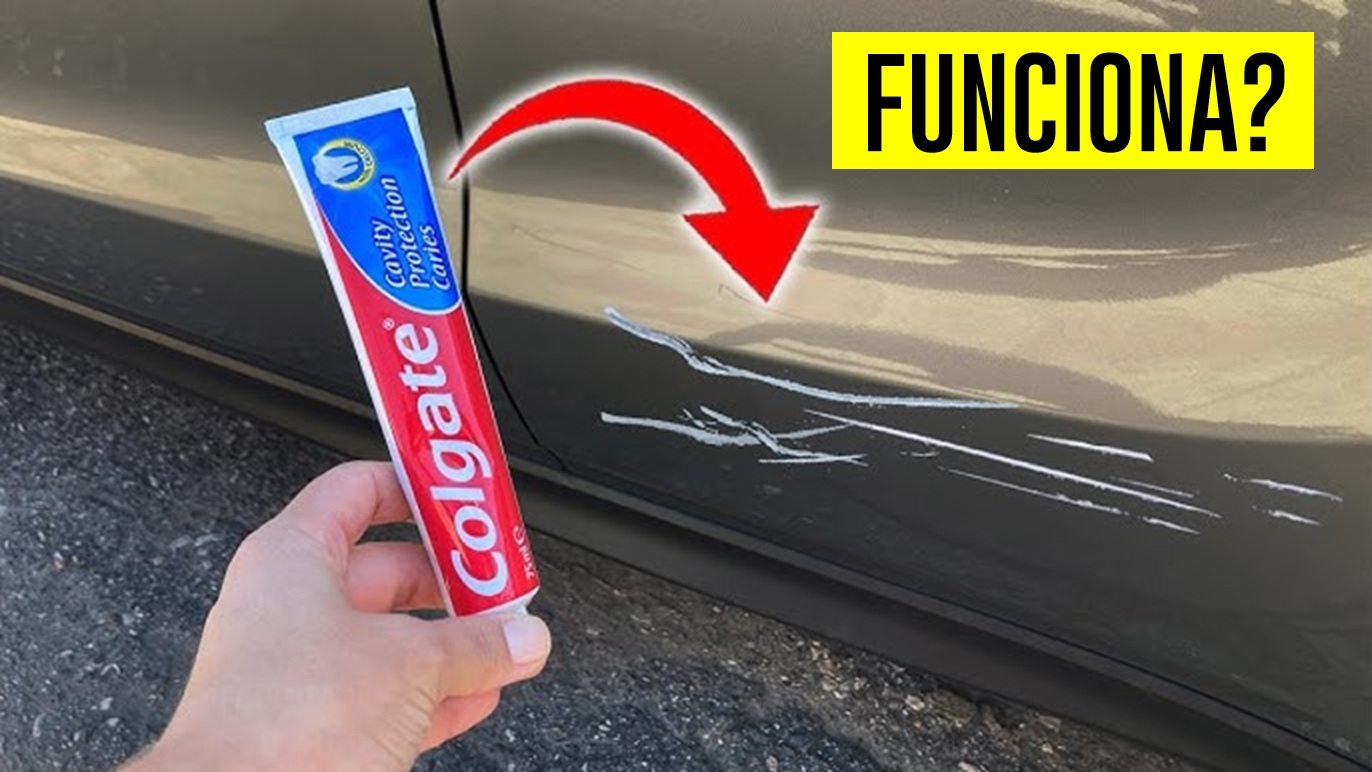
Toothpaste Is Often Mentioned As A Solution For Small Scratches On Car Paint. But Does It Really Work?
Car paint is one of the elements that most impacts the appearance and value of your beloved vehicle. Additionally, it also plays a crucial role in protecting the bodywork against external agents.
However, various factors can damage this paint over time, including exposure to sun, rain, and dirt.
In this text, we will explain how to recover the burned paint on your car, with practical tips you can apply at home or with the help of professionals. Additionally, we will resolve the question: Does toothpaste restore paint?
-
A 250cc motorcycle that can reach 560 km with a 14-liter tank, features disc brakes on both wheels and is among the most well-known in Brazil.
-
Man finds over 200 rare cars abandoned on a lot and tries to do the impossible in 8 hours with a surprise at the end.
-
An irregular parking case gains attention after a Mercedes Classe A was removed in such a strange way that it even raised doubts about damage to the car.
-
Costing R$ 16,000, the new Yamaha features a 125 cc hybrid engine with electric assistance, delivers 8.3 hp, includes ABS, optimized fuel consumption, Y-Connect connectivity, 25 liters of storage space, and a surprising 4-year warranty in the urban segment.

What Is Burned Car Paint?
Burned paint is a common problem. It is characterized by spots, a dull appearance, and, in more severe cases, exposure of the bodywork. This condition occurs due to the degradation of the clear coat that protects the paint.
The main factors contributing to the problem include:
- Prolonged exposure to the sun.
- Acid rain.
- Salt spray.
- Use of inappropriate cleaning products on the car.
Commonly, the signs appear on the roof, hood, and doors. These damages not only compromise the appearance of the car but also reduce its protection against further damage.
Toothpaste Restores Car Paint: Myth or Truth?
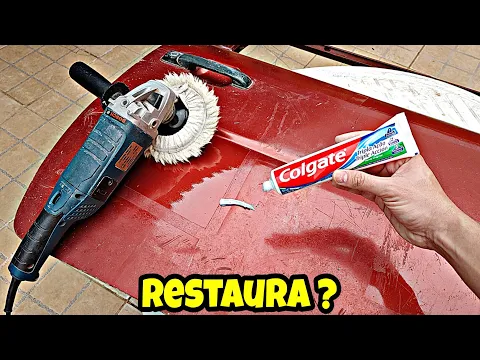
Have you heard that toothpaste can restore car paint? This tip circulates a lot on the internet, but does it really work? Let’s watch a complete test done by a specialized channel on the subject to find out if this technique delivers what it promises or if it is just another myth.
The idea behind using toothpaste is that it acts like a superfine sandpaper, capable of smoothing out small scratches on plastics and glass. But when it comes to car paint, does it really fix the problem?
The video we are going to check evaluates this technique in detail, applying the toothpaste to specific areas and analyzing the final result.
Is this homemade solution effective or could it even cause more damage? Stay until the end to discover the result and whether this tip is worth it or should be forgotten altogether!

Initial Preparation: Wash The Car
The first step to recover the paint is to carry out an appropriate wash. Even if the vehicle seems clean, it is essential to eliminate dirt and debris before starting any treatment.
Washing tips:
- Use appropriate products: Opt for neutral soap to avoid damage.
- Avoid washing in the sun: The combination of soap and heat can cause spots.
- Use the correct tools: Microfiber gloves help prevent scratches.
Make sure the car is completely dry before moving on to the next step.
Sanding
After cleaning and drying the car, it’s time to sand the surface. This process removes superficial defects and prepares the paint for the following steps.
How to sand properly:
- Choose fine automotive sandpaper (1,500 and 2,000).
- Keep the area constantly wet with a spray bottle.
- Use light, circular motions to avoid damage.
- Avoid sanding areas without clear coat to prevent exposing the bodywork.
This step requires care. Improper sanding can cause more damage to the paint.
Polishing
With the sanded paint, the next step is polishing. This phase is crucial to recover the shine and correct remaining imperfections.
Step-by-step polishing:
- Apply a polishing compound or polishing paste number 2.
- Use a microfiber cloth to spread the product with firm movements.
- Divide the car into sections to ensure uniformity.
- Remove excess with another clean cloth.
If you prefer, you can use a polisher, but the equipment requires experience to avoid mistakes.
Applying Hologram Revealer
Even after polishing, it is possible that product residues remain on the surface, masking errors. The hologram revealer is essential to check the quality of the work.
How to use the revealer:
- Spray the product on the polished area.
- Use a microfiber cloth to remove residues.
Repeat the polishing if you identify flaws or persistent scratches.
Finalizing With Wax
The final step is to apply wax to protect and enhance the shine of the paint.
Tips for waxing:
- Use a quality automotive wax.
- Apply with a soft cloth or foam applicator.
- Remove the excess with a clean microfiber cloth.
Adopting the habit of regularly waxing protects the paint against new damage and prolongs the effect of the polishing.
Specific Cases: When to Seek a Professional
Homemade solutions are not always sufficient. In cases of severe damage, such as cloudy or cracked clear coat, seeking professional help is the best option.
Specialized services include:
- Use of equipment such as polishers and paint thickness gauges.
- Application of coatings like crystallization and vitrification.
- Exclusive products for longer-lasting protection.
Acquazero, for example, is a reference in this segment, offering high-quality services in automotive detailing.
Prevention: Avoid Future Damage
Keeping your car’s paint in good condition does not only depend on recovering it after damage but also on preventing it.
Prevention tips:
- Protect your car: Park in covered areas whenever possible.
- Regular cleaning: Use appropriate products and avoid abrasive sponges.
- Professional maintenance: Periodically carry out waxing and crystallization.
The combination of daily care with specialized services is the key to extending the lifespan of your car’s paint.
Now you have all the information to take care of your car’s burned paint. Put these tips into practice and keep your vehicle looking its best.










-

-

-

5 pessoas reagiram a isso.