





 Portuguese
  English
  Spanish
  3 min of reading


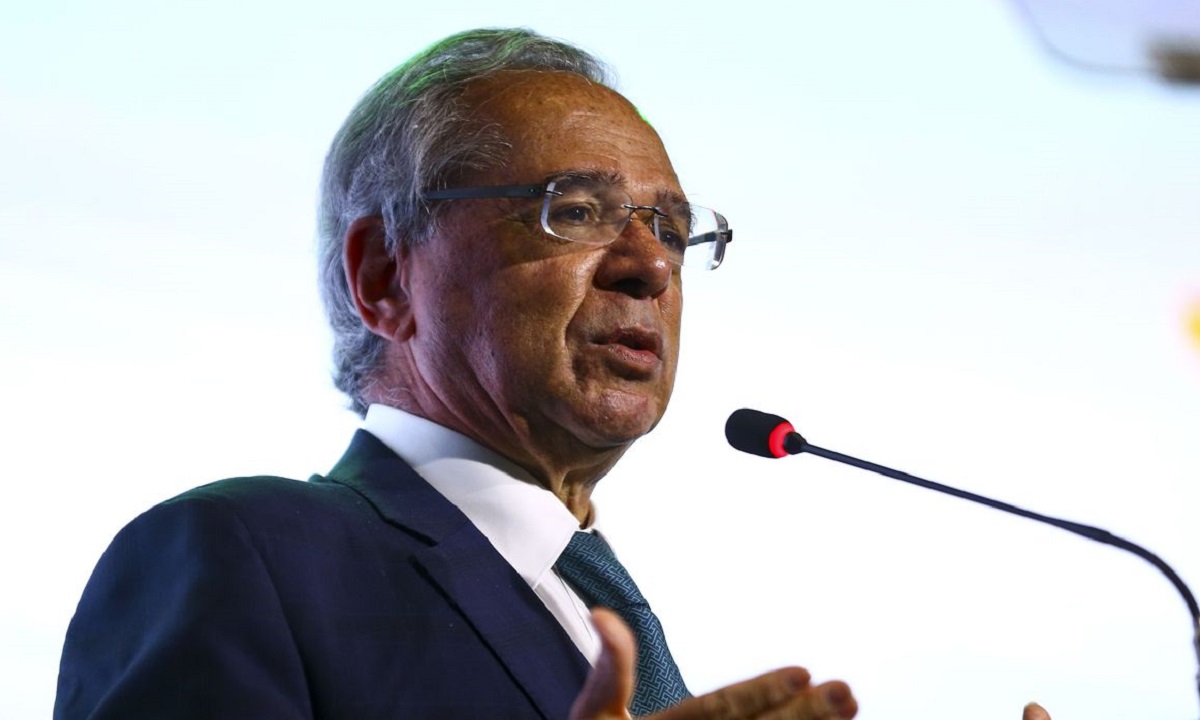
Paulo Guedes Highlighted Brazil’s Potential in Various Industrial Sectors and Reinforced That the Government Aims to “Reposition Industry in Brazil,” Including the Semiconductor Sector
Paulo Guedes, Minister of Economy, informed this Wednesday (28) on the “Pânico” program that the federal government has a Provisional Measure to incentivize the implementation of semiconductor factories in Brazil. Since the Covid-19 pandemic, semiconductor production has suffered a severe crisis, which has mainly affected the global automotive industry.
Implementation of Semiconductor Factories
Guedes mentioned that he went abroad to talk to the Japanese, as everyone is looking for semiconductor factories and they want to implement them in Brazil. The productive arrangements are being brought to the country because 75% of production occurs in Taiwan, which is politically at risk and very far away. Guedes adds that he aims to create incentives without imposing income taxes and already has a Provisional Measure ready. The minister also highlighted Brazil’s potential in various industrial sectors and reinforced that the government intends to “reposition industry in Brazil.”
The Minister of Economy pointed out that Brazil missed the first industrial revolution and the fifth is already approaching. Thus, the country will embark on this new revolution. Brazil excels in wind energy, primarily, but should also ensure cheap energy, energy security for the world, and solar energy.
-
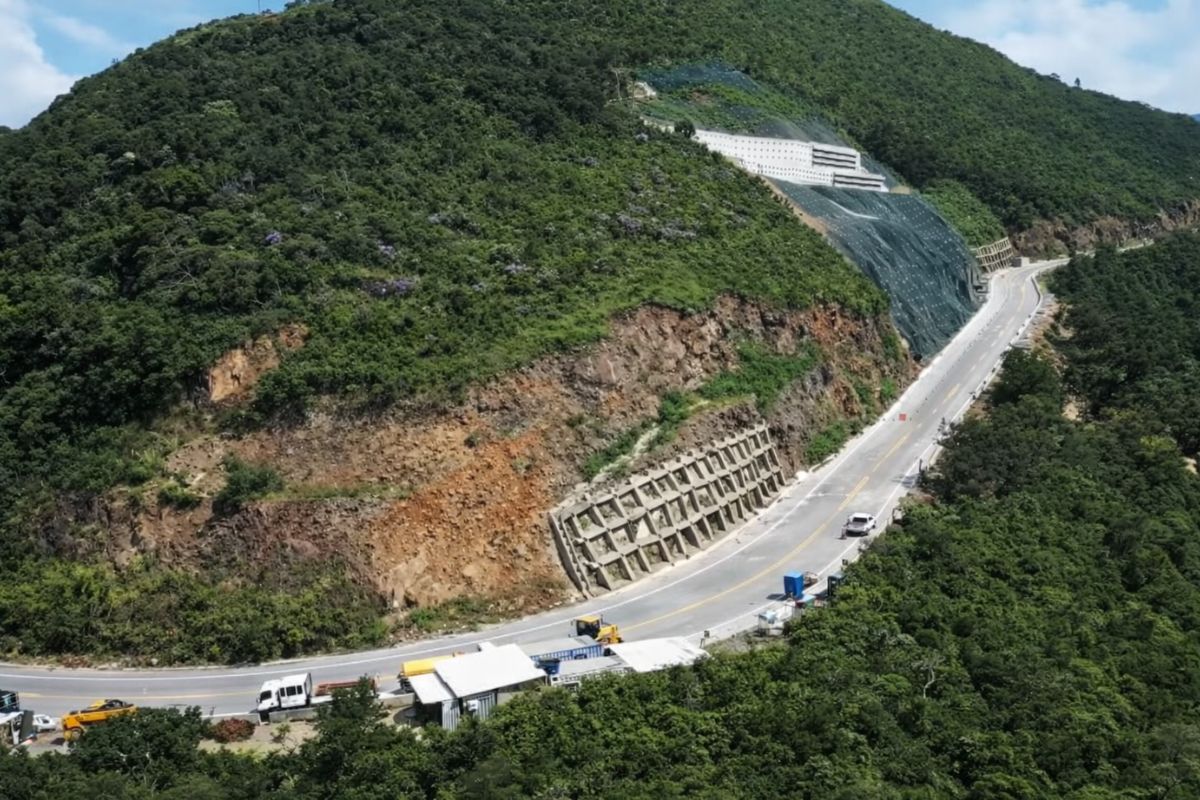
The section of Serra da Rocinha on BR-285 is now open in Timbé do Sul: 50 m tensioned curtains and top-down technique stabilize the slope, with a stairway duct controlling the water.
-
Scientists use sawdust mixed with clay to create a lighter brick, promising efficient thermal insulation and impressing by transforming waste into a solution for construction.

-
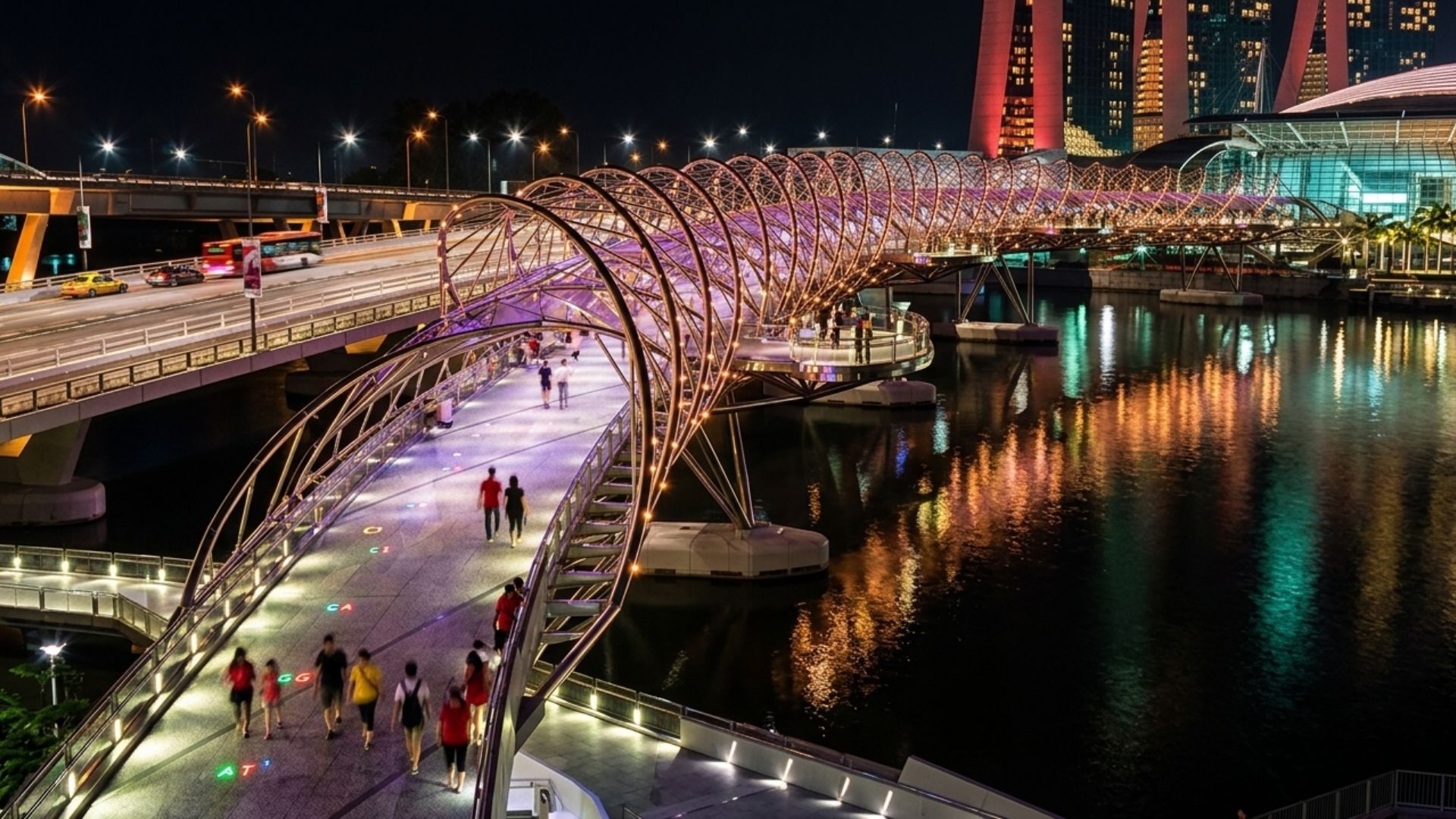
With a DNA shape, this bridge in Singapore draws attention in modern architecture and surprises tourists by transforming a simple crossing into an unforgettable visual experience in the urban heart.
-
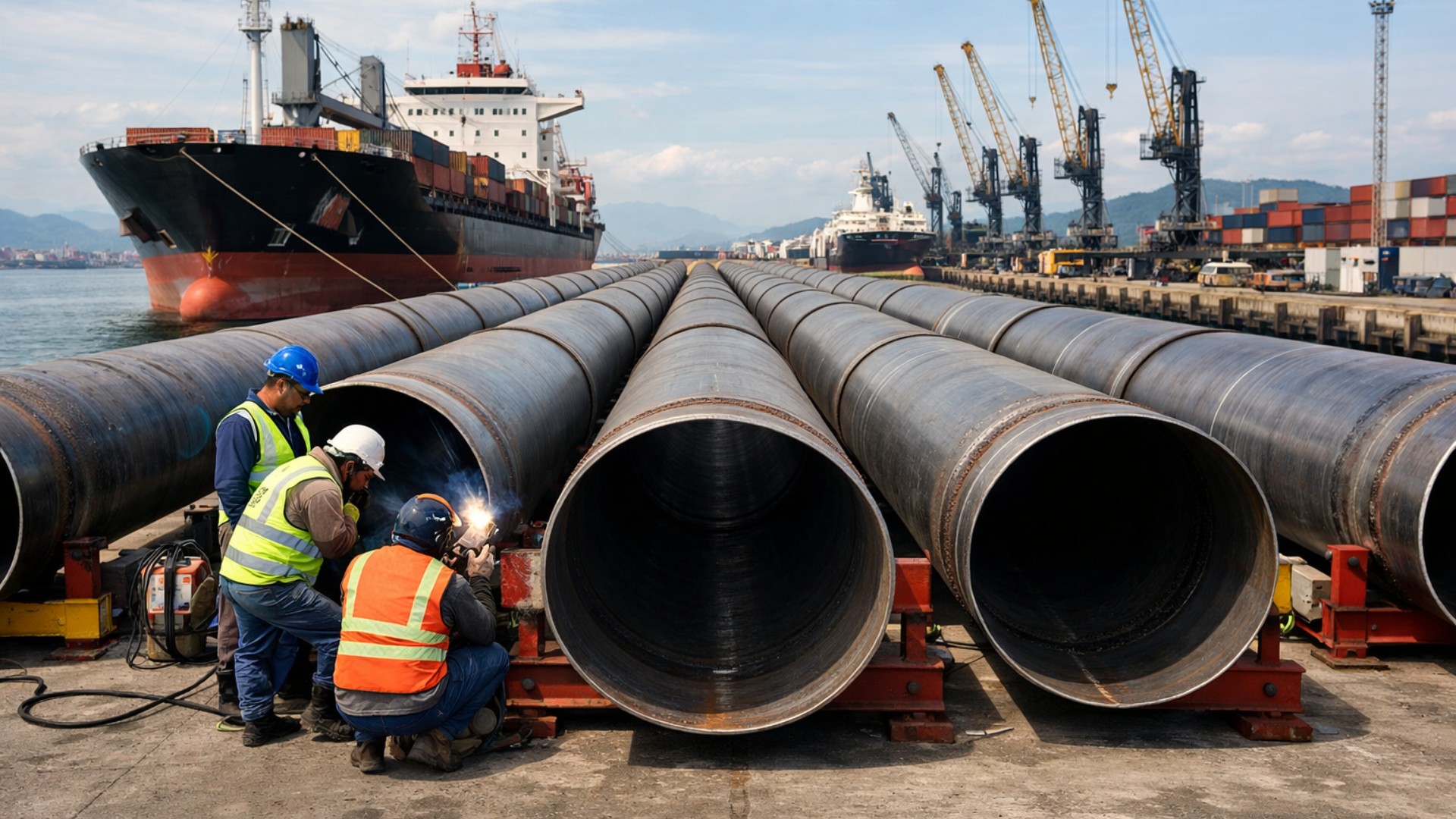
Giant underwater pipeline begins to take shape with a R$ 134.7 million project at the Port of Santos: the 1.7 km structure uses 12-meter and 700 mm pipes to supply water to 450,000 people in Guarujá.

Stay Updated on Tax Reform News
Paulo Guedes also commented on the tax reform that, according to him, is stalled in the Senate. According to the minister, the reform proposal was approved in the Chamber by a large majority, including “the support of the left.” During his speech, Guedes criticized a small faction on the right whom he referred to as “woodpeckers.”
He stated that 90% on the right are working, etc., and 10% are woodpeckers. The 10%, for example, blocked the tax reform proposal. He also mentioned that he spoke with a left-wing congressman and asked, “Will you let this opportunity pass? To tax profits and dividends?”
According to the minister, after the reform was approved in the Chamber, “a bunch of little mice showed up in Brasília and stalled everything.” Paulo Guedes has already indicated in other situations his intention to use the taxation of profits and dividends, present in the tax reform, to fund the permanent amount of Auxílio Brasil at R$ 600.
Basic Income in Brazil
Paulo Guedes praised the creation of the Real Plan and the Bolsa Família during the interview, but pointed out mistakes in the programs. According to the Minister of Economy, one of the negative consequences of the Real Plan was the stagnation of the Brazilian economy.
Guedes stated that it was a well-designed plan, but it had significant flaws. Firstly, he pointed out that they thought the exchange rate was an anchor and ended up blowing up the anchor. Secondly, he mentioned that the exchange rate is supposed to be floating. The second flaw relates to fiscal responsibility, which only came eight years later, stagnating the Brazilian economy.
Paulo Guedes added to his remarks that former President Lula was an interregnum, as he managed to grow in the wake of previous stabilization, but soon after, he ran out of gas. He had the merit of implementing some expenditures like Bolsa Família, incorporating the most vulnerable into the public budget, but now this would triple. What previously represented 0.4% of GDP will rise to 1.5% of GDP, three times more, for 20 million families and 50 million Brazilians.
The minister also recalled that the government had, in 2018, the intention to create a basic income program that, according to him, had to be expedited with the Covid-19 pandemic and the creation of emergency aid.







Seja o primeiro a reagir!