





 Portuguese
  English
  Spanish
 2 min of reading
  0 comments


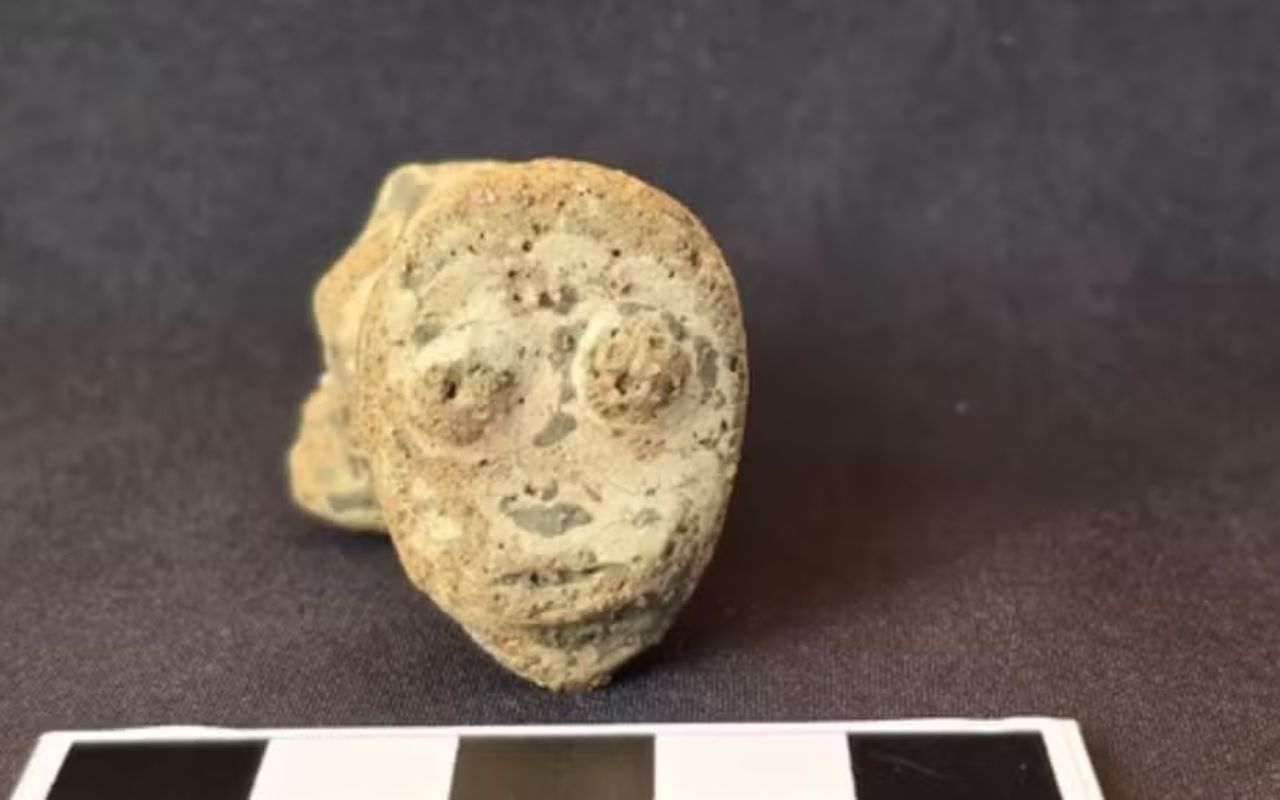
Archaeological Artifacts Were Discovered During Paving Works on BR-156 in Southern Amapá. Findings Highlight the Importance of DNIT Work and Historical Preservation.
During the paving works on BR-156 in Southern Amapá, technical teams located archaeological artifacts indicating the presence of ancient civilizations in the region.
The first findings occurred in May 2025, in areas monitored by DNIT, near the Vila Nova River, as part of the environmental requirements of the project.
The initiative aims to ensure the advancement of the highway without compromising local historical and cultural heritage.
-
Motorola launched the Signature with a gold seal from DxOMark, tying with the iPhone 17 Pro in camera performance, Snapdragon 8 Gen 5 that surpassed 3 million in benchmarks, and a zoom that impresses even at night.

-
Satellites reveal beneath the Sahara a giant river buried for thousands of kilometers: study shows that the largest hot desert on the planet was once traversed by a river system comparable to the largest on Earth.

-
Scientists have captured something never seen in space: newly born stars are creating gigantic rings of light a thousand times larger than the distance between the Earth and the Sun, and this changes everything we knew about stellar birth.

-
Geologists find traces of a continent that disappeared 155 million years ago after separating from Australia and reveal that it did not sink, but broke into fragments scattered across Southeast Asia.
Archaeological Findings Change Historical Reading of the Region
The archaeological artifacts identified include fragments of decorated pottery, stone tools, and objects related to daily activities.
According to technicians involved in the work, the materials help understand how the ancient peoples of the region were socially and economically organized.
Thus, the remains expand knowledge about human occupation in Southern Amapá.
Area Near BR-156 Concentrates Relevant Archaeological Site
The discoveries occurred in an area recognized as archaeological site Quintela I.

At the site, preserved ceramic vessels were found, some with decorative characteristics associated with the Marajoara tradition.
This type of pottery is considered one of the most advanced cultural records of indigenous peoples in the Amazon.
Preliminary analyses indicate that some of the archaeological artifacts belong to groups connected to the Jari tradition, who inhabited the region about 1,200 years ago.
Other artifacts show traits associated with the Koriabo peoples, who occupied areas of Southern Amapá and Pará between 1000 and 1700.
These records reinforce the historical significance of the area crossed by BR-156.
DNIT Maintains Archaeological Salvage During Works
The DNIT reports that monitoring and archaeological salvage actions occur continuously during the paving works.
The procedure follows the rules of environmental licensing and ensures that the findings are documented and preserved appropriately.
Paving of BR-156 Follows in Phases in the Southern Section
The BR-156, considered the main highway of Amapá, has a total of five lots, with three already contracted in the southern section.
The first lot is under execution, while the others are awaiting the start of works in 2026, reinforcing the strategic role of the highway for regional development.
Source: g1








-

-

2 pessoas reagiram a isso.