





 Portuguese
  English
  Spanish
  3 min of reading
  0 comments


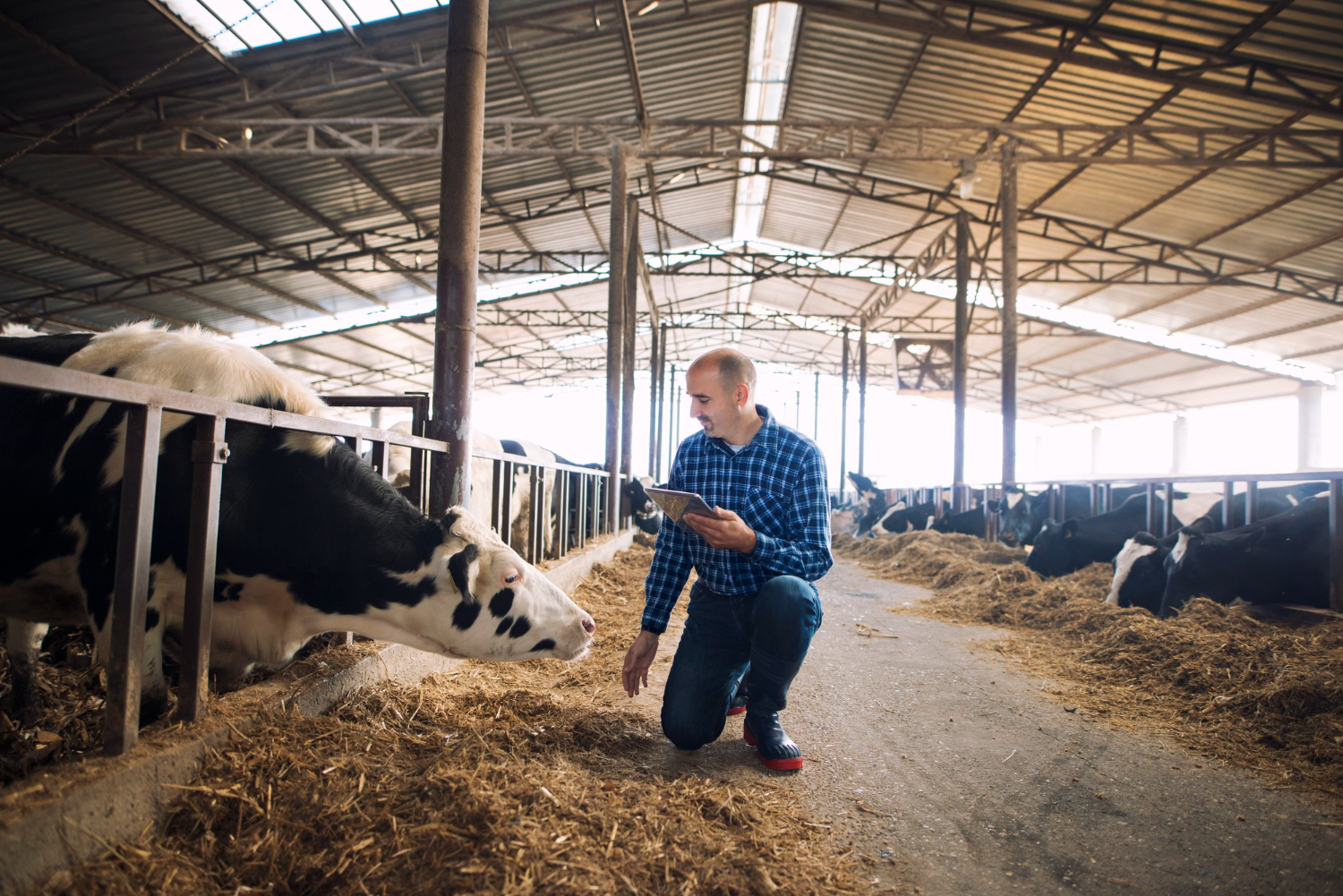
During COP30, the Ministry of Agriculture Presented Advances in Sustainable Livestock and Decarbonization Goals by 2050, Focusing on Technology, Green Credit, and Productive Intensification
The sustainable livestock sector was highlighted in the panel “The Future of Sustainable Meat: Decarbonization Pathway 2025–2050,” held on November 12 during COP30 in Belém (PA), according to a report published.
The event was part of AgriZone’s programming and brought together representatives from the Ministry of Agriculture and Livestock (Mapa), Fundação Getulio Vargas (FGV Agro), and the productive sector, marking a historic advancement in the discussion about low-emission meat production in the country.
The meeting demonstrated that Brazil has been consolidating practices that reduce environmental impact without compromising productivity.
-
While Russia dominates the global wheat market, Brazil emerges as an unexpected competitor in the Cerrado, offering grain available in July and August when stocks in the Northern Hemisphere are at their lowest point of the year.

-
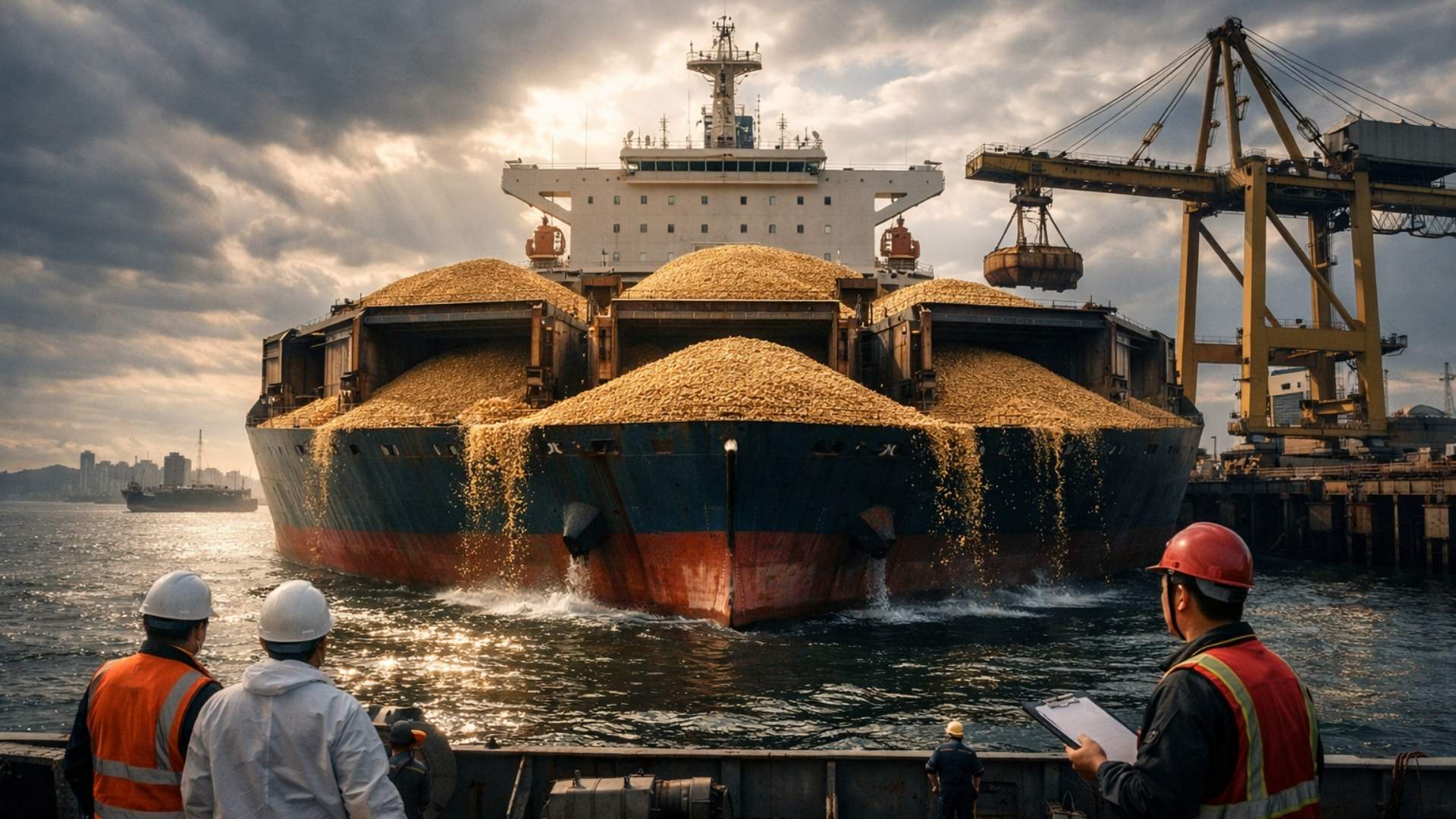
China returned almost 20 Brazilian ships with soybeans, but now everything could change: the country that buys 80% of the grain is considering relaxing regulations after impurities held up shipments of thousands of tons and caused million-dollar losses.
-
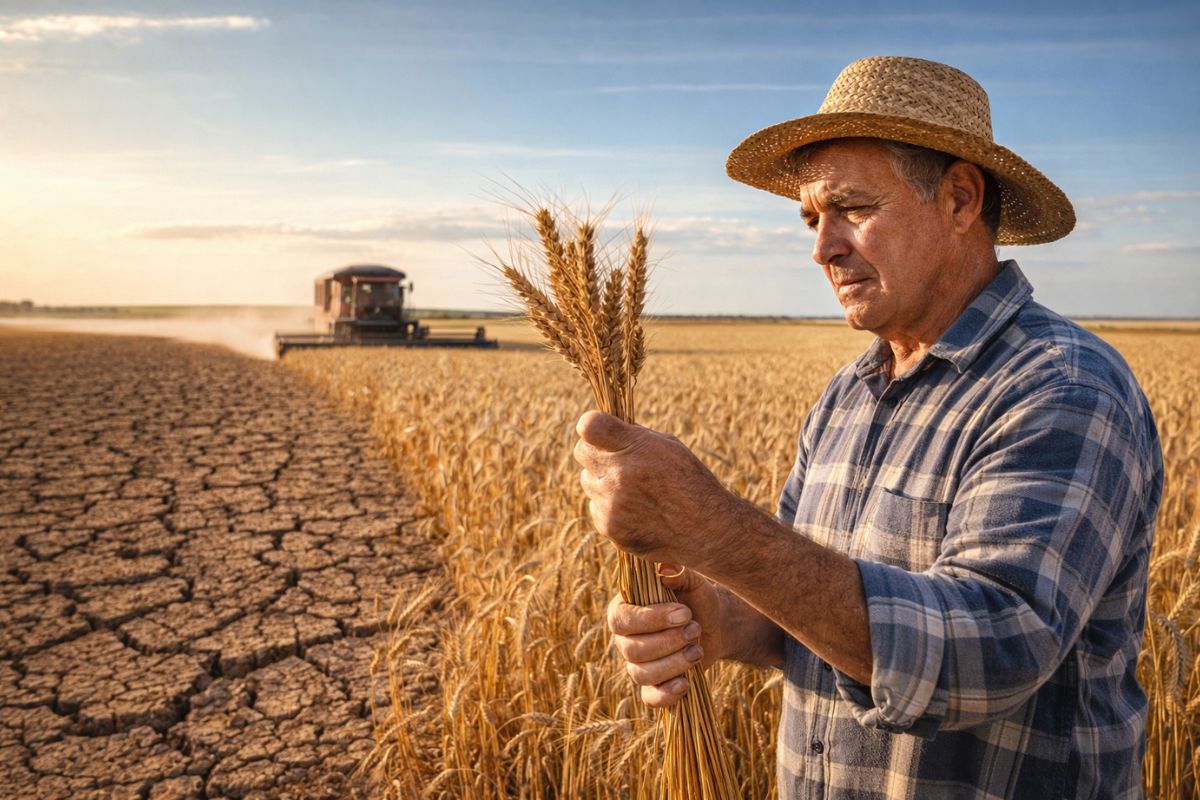
The drought of the cerrado was considered an enemy of wheat, but Brazilian scientists turned the lack of rain into a competitive advantage by creating a grain with quality that is already attracting the attention of international mills around the world.
-
THE OWNER of Brazil: a farmer who came from laundries, created an ’empire’ and today runs a company valued at R$ 42 billion after tripling its value in less than a year and receiving a billion-dollar investment from the USA.


The study “Decarbonization Pathways for Beef Cattle 2025–2050,” developed by FGV Agro, presented scenarios that align the meat chain with global sustainability goals.
According to the data released, the sector can achieve up to 92% reduction in emission intensity by 2050 while maintaining production levels and optimizing land use.
This result reinforces the Brazilian agribusiness’s ability to innovate through sustainable management techniques and consistent public policies.
Sustainable Technologies and Intensification of Beef Livestock
During the panel, the General Coordinator of Animal Production at Mapa, Bruno Leite, highlighted that Brazilian sustainable livestock is experiencing a phase of technological consolidation.
He explained that the country has been increasing production while reducing pasture area, demonstrating gains in efficiency and productivity.
The adoption of sustainable intensification practices, such as integrated crop-livestock-forest systems, was pointed out as essential for emission reduction and enhancing global competitiveness.
These technologies are supported by the ABC+ Plan, created in 2010, which guides the use of rural credit and technical assistance aimed at producing low-carbon emissions.
According to Mapa, the plan has already helped thousands of producers invest in more efficient management systems, promoting a balance between economic production and environmental preservation.
Green Credit and Structuring Public Policies
Another central point of the panel was strengthening access to green credit and incentive programs.
The ABC+ Plan was cited as one of the main structuring policies for advancing sustainable livestock, creating instruments that allow rural producers to invest in mitigation technologies.
Bruno Leite emphasized that while the government establishes guidelines and resources, true success depends on producers’ adherence, who have shown commitment and remarkable results.
These initiatives also strengthen Brazil’s image as a global reference in productive efficiency and sustainability.
The alignment between science, innovation, and public policies is enabling the country to achieve new levels of competitiveness without compromising the conservation of natural resources.

Innovation and Integration Between Government, Academia, and the Productive Sector
The event brought together representatives from academia, government, and the private sector, reinforcing that integration is the way to enhance the results of sustainable livestock.
The presence of FGV Agro in the preparation of the technical study ensured scientific credibility to the data presented, while Mapa emphasized the importance of maintaining the decarbonization pathway until 2050.
With continuous support for innovation and technology transfer, Brazil positions itself as a protagonist in the global debate on sustainable meat.
The focus now is to expand sustainable intensification practices and consolidate carbon neutrality in livestock by 2050, contributing to climate balance and the strengthening of the national agribusiness.








-

Uma pessoa reagiu a isso.