





 Portuguese
  English
  Spanish
  4 min of reading
  1 comment


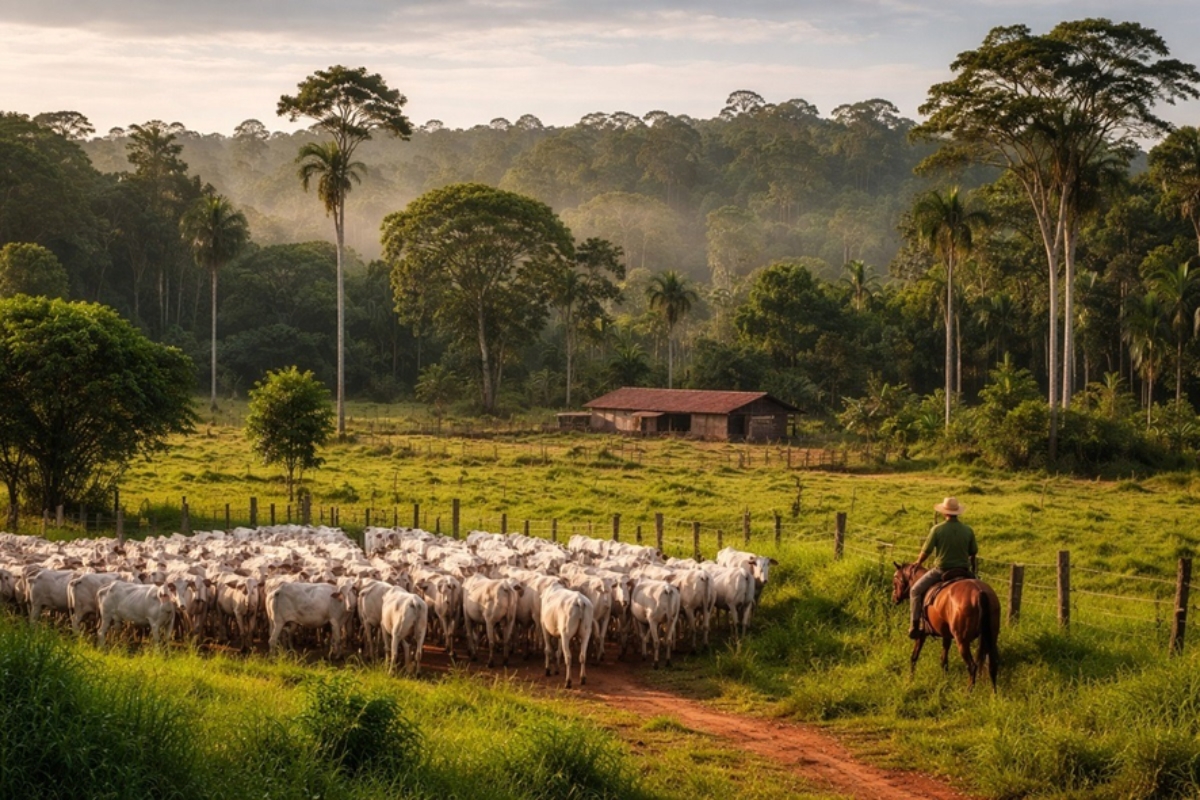


In Pará, Farmers and Government Launched Mandatory Identification of Millions of Cattle in an Area with Approximately 25 Million Heads to Curb Deforestation, Improve Exports, and Boost More Sustainable Cattle Ranching
In the heart of the Brazilian Amazon, extensive areas previously covered by one of the largest biodiversities on the planet have given way to pastures for cattle ranching. The landscape has changed over decades and has come to reflect the advancement of cattle ranching over the forest.
Pará, with 1.2 million square kilometers, has become one of the largest cattle hubs in the country since the 1970s, when public policies encouraged occupation and deforestation for pasture formation.
Today, the activity is one of the economic engines of the state, second only to mining. At the same time, it has become a central focus of environmental, commercial, and climate debates.
-
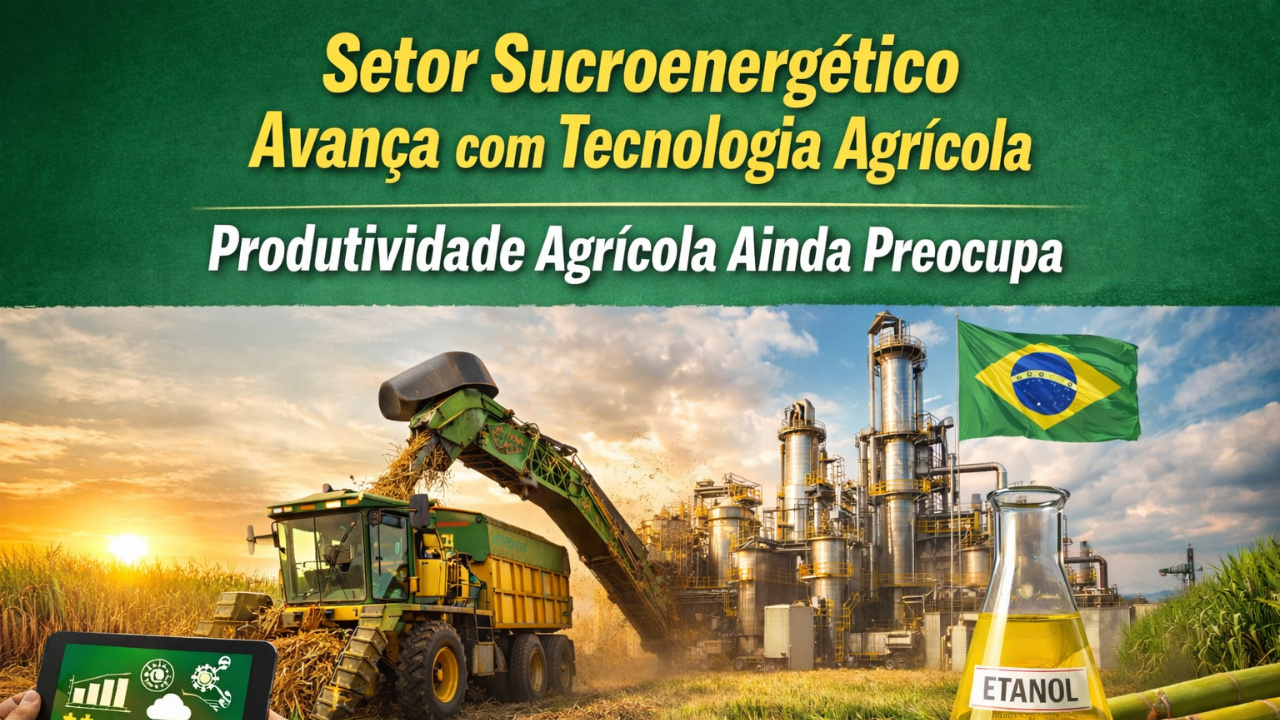
The sugar-energy sector advances with agricultural technology, but agricultural productivity still raises concerns.
-
The eggshell that almost everyone throws away is made up of about 95% calcium carbonate and can help enrich the soil when crushed, slowly releasing nutrients and being reused in home gardens and vegetable patches.

-
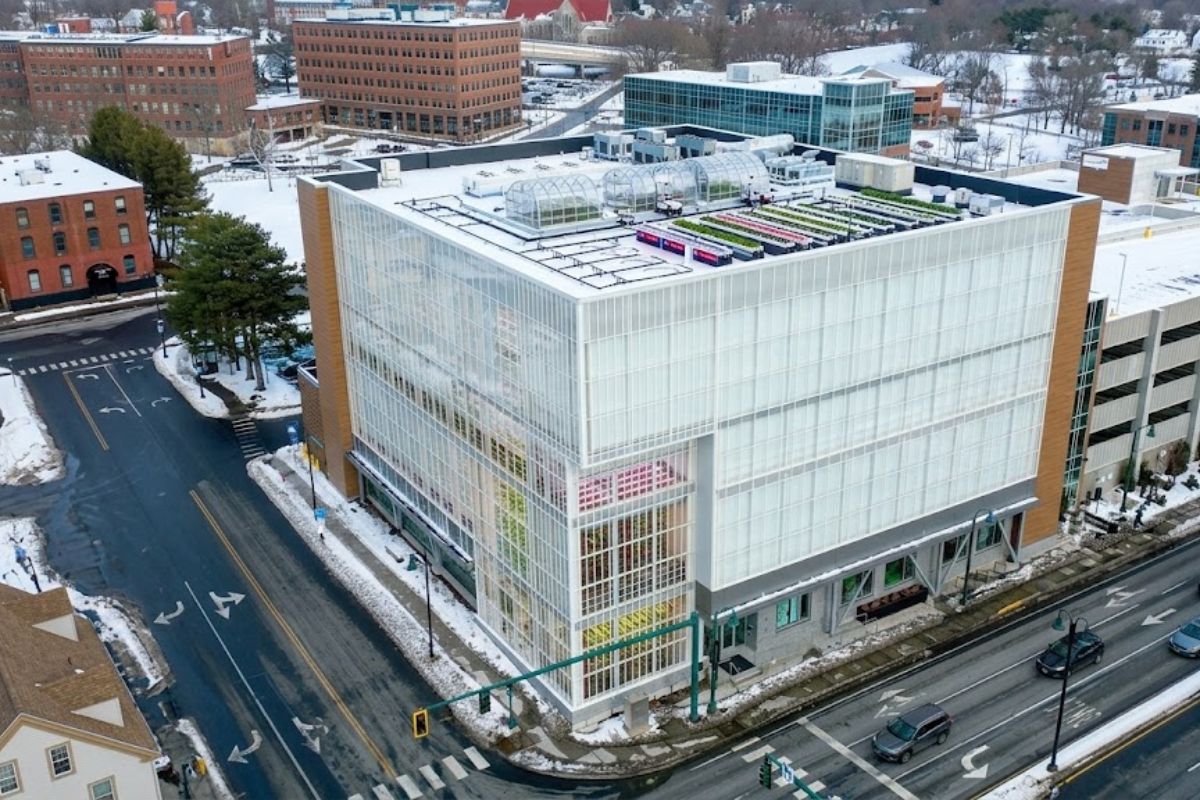
This farm in the United States does not use sunlight, does not use soil, and produces 500 times more food per square meter than traditional agriculture: the secret lies in 42,000 LEDs, hydroponics, and a system that recycles even the heat from the lamps.
-
The water that almost everyone throws away after cooking potatoes carries nutrients released during the preparation and can be reused to help in the development of plants when used correctly at the base of gardens and pots, at no additional cost and without changing the routine.


Faced with international pressure and market losses, a transformation has begun to scale on farms in the region.
The Expansion of Cattle Ranching That Changed the Landscape of the Amazon
The state has about 20 million hectares of pastures occupied by just under 25 million cattle and buffalo, a herd comparable to that of Australia.
Recent data indicates a 54% increase in deforestation for pasture formation in the last four years within the Amazon biome.
Studies point out that at least half of the cattle are raised in illegally deforested areas, a factor that compromises exports and reduces international competitiveness.
Markets such as Europe, South Korea, and Japan have begun to impose restrictions, putting pressure on producers and local authorities.
This scenario has raised an economic alarm beyond the environmental one.
Mandatory Identification of Cattle Could Be a Turning Point
To reverse losses and control the origin of production, the state government announced the implementation of mandatory traceability of cattle and buffalo.
The goal is to complete the total identification of the herd by the end of the decade, six years ahead of the national target set for 2032.
This measure will allow for monitoring the entire production chain, from birth to slaughter, making it more difficult to market animals linked to illegal deforestation.
Environmentalists and sector leaders classify the initiative as a possible turning point in the fight against deforestation in the Amazon.
To enable small producers’ participation, about two million electronic tags are being distributed through institutional partnerships.

Regenerative Techniques Start to Change Production Logic
Alongside traceability, producers are adopting regenerative practices focused on soil recovery and increasing productivity without opening new areas.
Strategies include planting trees for shade for cattle and agroforestry systems that combine livestock with commercial crops.
Diversification includes cacao and açaí, creating new sources of income and reducing exclusive dependence on meat.
Areas near rivers are also being restored, contributing to adaptation to the hotter and drier climate of the region.
The most striking detail is that neighboring producers have started to replicate the methods after observing practical results.
Ultra High-Density Grazing Improves Soil and Reduces Pressure for Deforestation
Another technique that has gained traction is ultra high-density rotational grazing.
The method concentrates a large number of animals in one area for a short period before moving them to another space.
This management stimulates soil biology, improves fertility, and increases carbon retention capacity.
Uniform distribution of manure and urine also reduces the need for chemical fertilizers.
In some properties, changing the variety of grass adapted to the Amazonian climate has completely eliminated the use of industrial fertilizers.
Strategic Feeding and Methane Reduction Enter the Radar
Large farms have also begun to invest in dietary supplementation with agricultural byproducts such as corn and sorghum.
In addition to accelerating weight gain, the strategy reduces the time the animal spends in the pasture.
Tests with feeds that reduce enteric methane emissions are already underway.
According to experts, these practices reduce carbon dioxide and methane per kilogram of meat produced.
Cattle ranching accounts for about two-thirds of methane emissions in agriculture, which increases the relevance of these solutions.
Recovered Soil Can Sequester Carbon on a Large Scale
Research indicates that well-managed pastures can store two to four tons of carbon per hectare per year.
In integrated systems with trees, the sequestration capacity can be even greater due to tree biomass.
The National Low Carbon Agriculture Plan estimates that the recovery of pastures and the adoption of integrated systems can mitigate approximately 186 million tons of CO2 equivalent by 2030.
The goal involves restoring up to 40 million hectares in the country.
Even with a possible increase in the herd, the reduction of deforestation tends to offset part of the total emissions.
Technology, Satellites, and Real-Time Data Enter Cattle Ranching
Digital solutions are also beginning to support the sustainable transition.
Satellite data and biomass modeling allow for identifying where and when cattle should graze.
The consumption of younger and more nutritious grasses reduces methane emissions and improves feed efficiency.
Pilot projects are planned in over 100 locations in Latin America and Africa.
The information will be made available on open platforms, broadening producers’ access.
The transformation of cattle ranching in Pará combines traceability, technology, and regenerative management in a concrete attempt to reconcile production and conservation. The scale of the herd, combined with international pressure and new market demands, makes this change a strategic movement that could redefine the future of meat produced in the Amazon.
Share your opinion: do you believe that sustainable cattle ranching can curb deforestation without reducing production?









Kd à Embrapa, Emater, Senar e outros órgãos pra auxiliar os produtores? Tem que ter uma assistência aos produtores. Diferentemente do que estão fazendo com os produtores de outras regiões que estão sendo expulsos de suas propriedades e tendo seus animais roubados.