





 Portuguese
  English
  Spanish
  7 min of reading
  2 comments


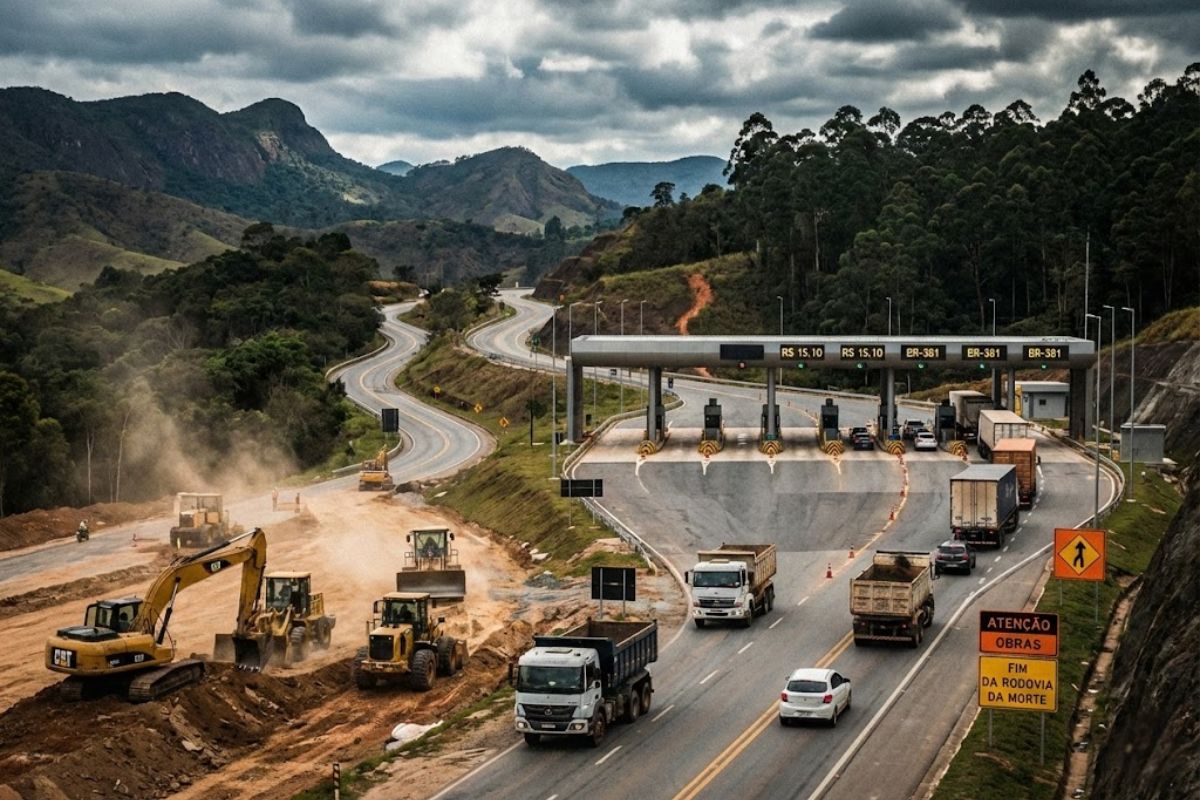


With the Toll of R$ 15.10 in Jaguaraçu and Other Toll Plazas on BR-381/MG, Minas Begins the Duplication Phase of the Death Highway, Aiming to Reduce Accidents, Generate Jobs, Attract Investments, and Unlock the Logistics Corridor to Governador Valadares and the Steel Valley in Eastern Minas Gerais.
In 2025, BR-381/MG between Belo Horizonte and Governador Valadares entered a decisive phase. Since November, the collection of the toll of R$ 15.10 in Jaguaraçu and other toll plazas marks the effective start of private concession and the first steps towards the duplication of the Death Highway, after decades of a single-lane road, heavy traffic, and persistent rates of head-on collisions.
Official data from 2023 help illustrate the scale of the ongoing change: there were 2,641 accidents and 171 deaths in that year alone on the mining stretch, still under direct federal management. Now, the federal government, ANTT, DNIT, and the Nova 381 concessionaire are betting on a package of works, 24-hour services, and the toll of R$ 15.10 to try to transform the main road axis of eastern Minas into a more predictable and safer logistics corridor.
Why BR-381/MG Became Known as the Death Highway

The notoriety of the Death Highway is not the result of a single incident, but of a history of serious accidents concentrated between Belo Horizonte and Governador Valadares.
-
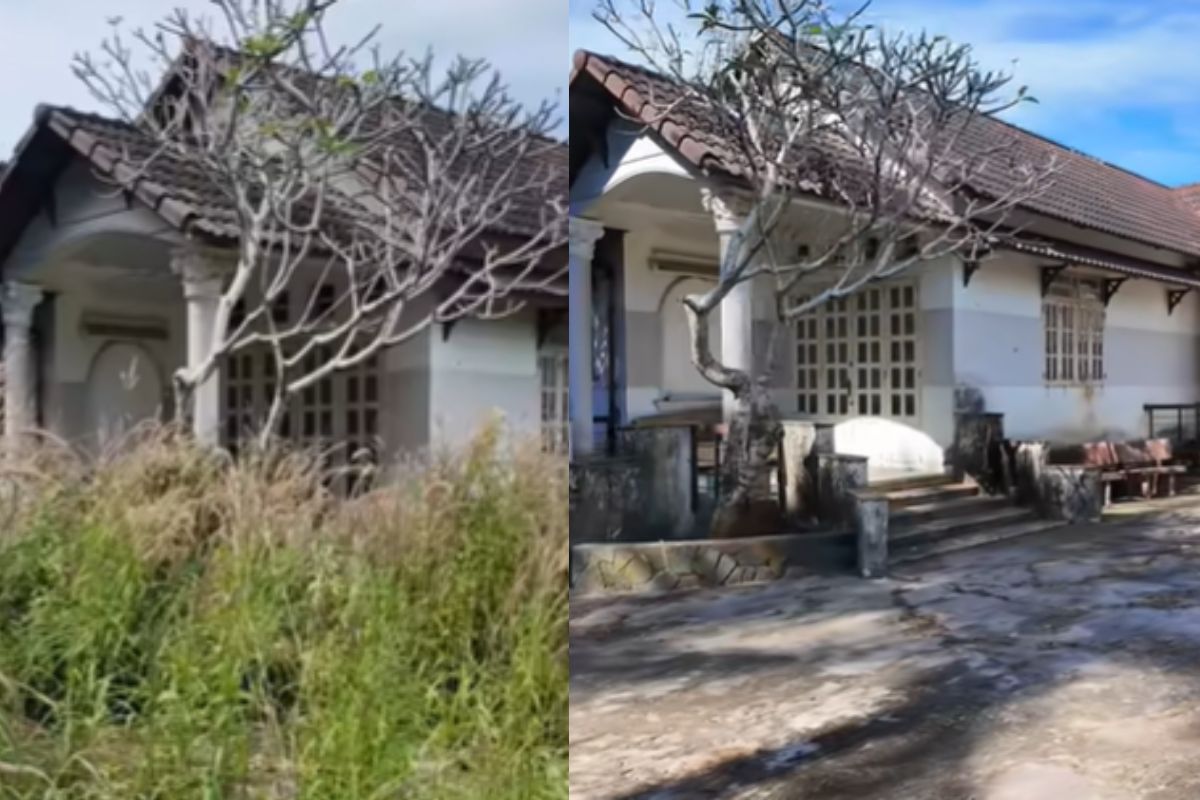
Abandoned house for 15 years disappears in the woods, shocks owner with unrecognizable scenery and is reborn in an intense transformation after almost 90 hours of work in just 10 days.
-
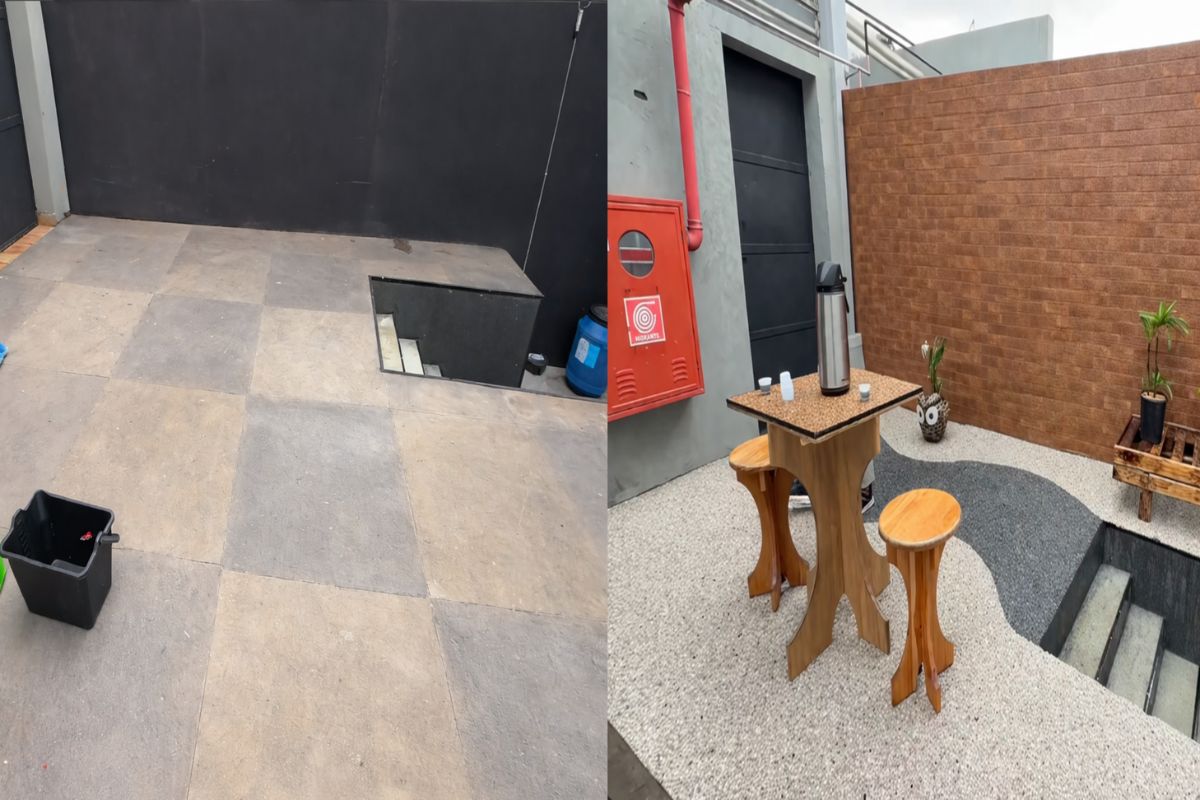
In just three hours, a natural stone floor transforms the entrance of the house with an organic effect, immediate drainage, and a sophisticated non-slip finish that doesn’t puddle water, dries quickly, and impresses with the final result.
-
‘Interlocking brick’ made of earth arrives in the construction industry with cost reductions of up to 40% on the project.

-
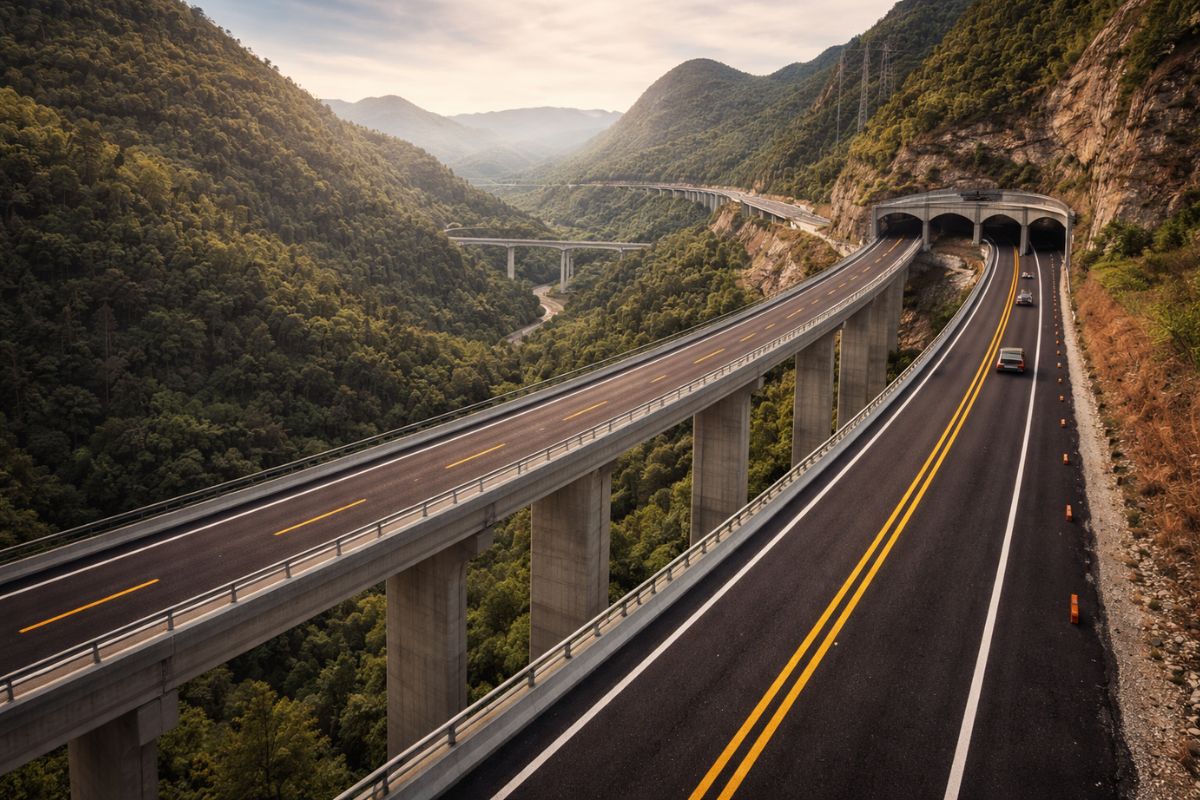
Espírito Santo will receive the largest engineering project in its history with the duplication of BR 262, which will have 50 viaducts, 28 bridges, and 2-kilometer tunnels cutting through the most challenging mountainous region of the entire state.

In 2023, still without consolidated duplication, BR-381/MG recorded 2,641 accidents and 171 deaths, according to data from the Gov Agency, in a scenario of single-lane road, winding curves, and intense truck traffic.
The nickname is directly linked to head-on collisions during risky overtaking, typical of a single-lane highway with a large volume of heavy vehicles.
In several stretches, safe shoulders are lacking, the geometry of the road is outdated, and urban crossings expose pedestrians and residents to daily risks, consolidating BR-381/MG as one of the most critical highways in the country in terms of safety.
Over the years, the combination of limited infrastructure, delayed works, and insufficient maintenance reinforced the negative reputation.
The logic now is reversed: use the duplication, additional lanes, and enhanced support services to reduce the severity of accidents and try to practically bury the label of the Death Highway.
How the Toll of R$ 15.10 Fits into the Transformation

The new phase began to be felt in motorists’ pockets in November 2025, with the start of toll collection at various points along BR-381/MG.
In Jaguaraçu, a strategic point for those crossing the Steel Valley, the basic rate was set at toll of R$ 15.10, a value repeated as a reference for the model adopted in the concession.
Toll plazas in municipalities like Belo Oriente and Governador Valadares also began operations, forming the fee structure that finances both the duplication works and the daily operation of the highway.
The model follows the logic of the user-payer, where those who use the stretch contribute directly to covering investments, maintenance, mechanical assistance, and medical service.
To reduce the impact on neighboring residents, the contract includes the Frequent User Discount (DUF), which applies a progressive reduction in the fee for those who cross the same plaza multiple times a month.
In practice, the toll of R$ 15.10 acts as a reference ceiling for occasional travels, while users who depend on BR-381/MG daily may pay less over time.
The Nova 381 concessionaire also began to announce initial emergency recovery actions.
In the first 40 days of operation, more than 48 tons of asphalt were applied in critical stretches, in an attempt to correct surface deformations before the advance of large duplication work sites.
What the Duplication Promises Between Caeté and Governador Valadares
The backbone of the project is the duplication of the stretch between Caeté and Governador Valadares, with additional lanes in areas of greater inclination and heavy traffic.
The plan foresees approximately 106 kilometers of duplicated roadway and 83 kilometers of additional lanes, as well as tunnels, curve corrections, and improvements in accesses and returns.
The estimated private investment ranges between R$ 5.5 billion and R$ 6 billion over the course of the contract, accompanied by a 24-hour service structure that includes tow trucks, ambulances, traffic inspection, and maintenance teams.
The idea is that the set of works and services sees BR-381/MG not merely as a highway, but as an integrated logistics corridor that connects eastern Minas to the rest of the country.
With duplication, the expectation is to reduce travel time, cut transportation costs, and decrease the severity of head-on collisions, currently the main cause of deaths on the stretch.
Overpasses, escape areas, and new intersection devices are expected to reorganize local traffic, better separating long-distance traffic from urban movements.
For sectors such as mining, steelmaking, and logistics services, the duplicated BR-381/MG represents a direct gain in competitiveness, particularly in connection with São Paulo and Espírito Santo.
The federal government and ANTT project about 80,000 direct and indirect jobs over 30 years, adding the impact of the works and operation.
DNIT, Complex Urban Lots, and the Risk of “Funnel” at the Exit of Belo Horizonte
Not all critical stretches are under the concessionaire’s responsibility. The exit from Belo Horizonte, between the Ring Road and Caeté, remains under the command of DNIT and concentrates some of the project’s biggest challenges.
In this area, Lots 8A and 8B involve dense urban occupation, the need for family resettlement, and interference in consolidated areas, which increases costs, timeframes, and social complexity.
The adopted strategy was to divide responsibilities: the most complex and urbanized stretches were kept with DNIT, while the private initiative took over the segment considered more viable from an engineering and financing perspective.
However, experts warn of the risk of a “funnel effect” if duplication progresses quickly between Caeté and Governador Valadares, without the same pace in the connection to the BH Ring Road.
In practice, this could shift the bottleneck closer to the capital, concentrating queues and accidents in an area that is already operating at its limit.
Therefore, coordination between DNIT, ANTT, and Nova 381 is considered crucial to avoid a modern highway isolated by an old and saturated stretch right at the entrance to Belo Horizonte.
How Much the Toll of R$ 15.10 Affects Drivers and Companies
The impact of the toll of R$ 15.10 varies according to the profile of highway use.
For the occasional driver, who crosses the stretch a few times a year, the fee adds to the fuel cost, but tends to be offset, in the medium term, by less time spent in traffic jams, less wear on the vehicle, and reduced risk of serious accidents.
For carriers and companies that use BR-381/MG daily, the equation is more sensitive.
The toll of R$ 15.10 in Jaguaraçu and other plazas goes directly into the freight calculation, but the predictability of travel and a decrease in incidents are seen as factors that can reduce indirect costs, insurance, and cargo loss.
The contract also provides for growing discounts for frequent users, which aims to relieve residents who depend on BR-381/MG for short trips.
Still, the debate over the balance between fare and quality will continue to be present, as drivers start to compare, in practice, the highway of 2023 with that of 2027, 2028, and subsequent years.
From the Label of Death Highway to the Objective of a Safe Corridor
The federal government, ANTT, and the Nova 381 concessionaire claim to have an explicit goal of replacing the label of the Death Highway with the image of a safe and structured road, focusing on accident reduction, operational fluidity, and support for regional development.
The real evaluation will come from the numbers of incidents, travel time, and the perception of those who drive daily on BR-381/MG.
The combination of duplication, additional lanes, 24-hour services, and the collection of the toll of R$ 15.10 constructs a new pact for highway use: the user pays more but begins to demand maintenance standards, supervision, and assistance compatible with a strategic route of the Minas economy.
In the medium and long term, the performance of this model in Minas is expected to influence debates about other concessions and the role of tolls on federal highways with a history of accidents.
If BR-381/MG can consistently reduce head-on collisions and deaths, the experience may serve as a reference; if it fails, the toll of R$ 15.10 will be seen only as an additional cost on a road that has not changed enough.
In your opinion, does the toll of R$ 15.10 on BR-381/MG pay off if the Death Highway really becomes safer, or does the amount still weigh too much on your travel budget?









Como usuário da 381 no sentido BH-SP ($3,20) e BH-GV ($15,10) não consigo entender a diferença absurda dos valores cobrados, até porque, de BH/SP é totalmente duplicada e mais segura.
Penso que estamos pagando para a construção da rodovia, o que penso deveria ser de responsabilidade da concessionária, afinal pedágio é pelo uso e não para custear a construção.
Na minha opinião estão preocupados em arrecadar, passo pelo rodovia e me deparo com vários pontos críticos sem sinalização em obras paradas, desvio de vias… (principalmente entre as cidades Nova Era e Timóteo), o que poderá acarretar em vários acidentes nesse período de férias,