





 Portuguese
  English
  Spanish
  4 min of reading
  8 comments


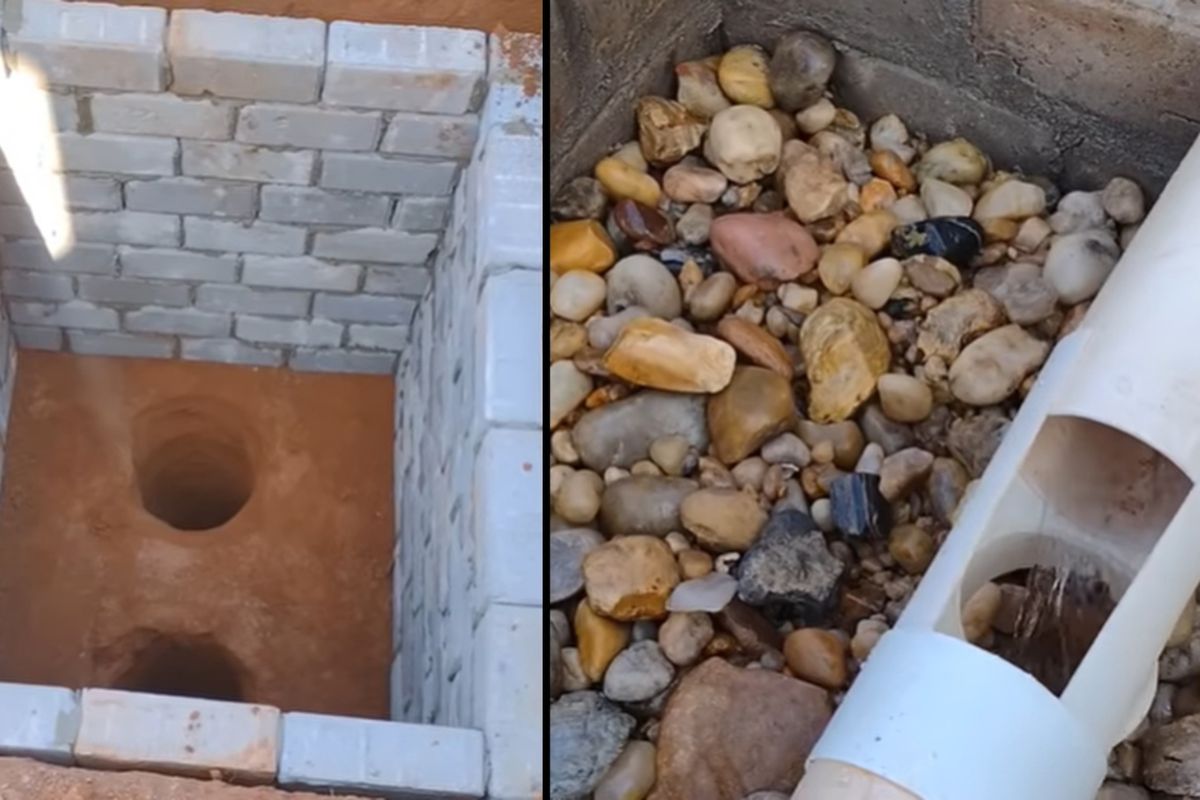


Mason Presents Step by Step of a Rainwater Drainage Well Made with Stones, Deep Drills and Piping, Technique That Improves Soil Infiltration and Can Help Reduce Floods in Residential Areas.
A mason showed in a video a practical and efficient solution to deal with rainwater in residences: the construction of a drainage well that allows water to infiltrate directly into the soil. The technique uses stones, deep excavation, and directed piping, creating a simple system that helps to avoid water accumulation and potential flooding.
According to the mason, this type of structure is often required in residential construction because many cities have regulations that require rainwater drainage systems. Besides meeting legal requirements, the solution also helps to improve water absorption in the soil and reduce impacts during heavy rain periods.
Mason Begins the Work with Excavation of the Drainage Well
The first step presented by the mason is excavating the space where the drainage box will be built. In the example shown, the hole was made in a square shape.
-
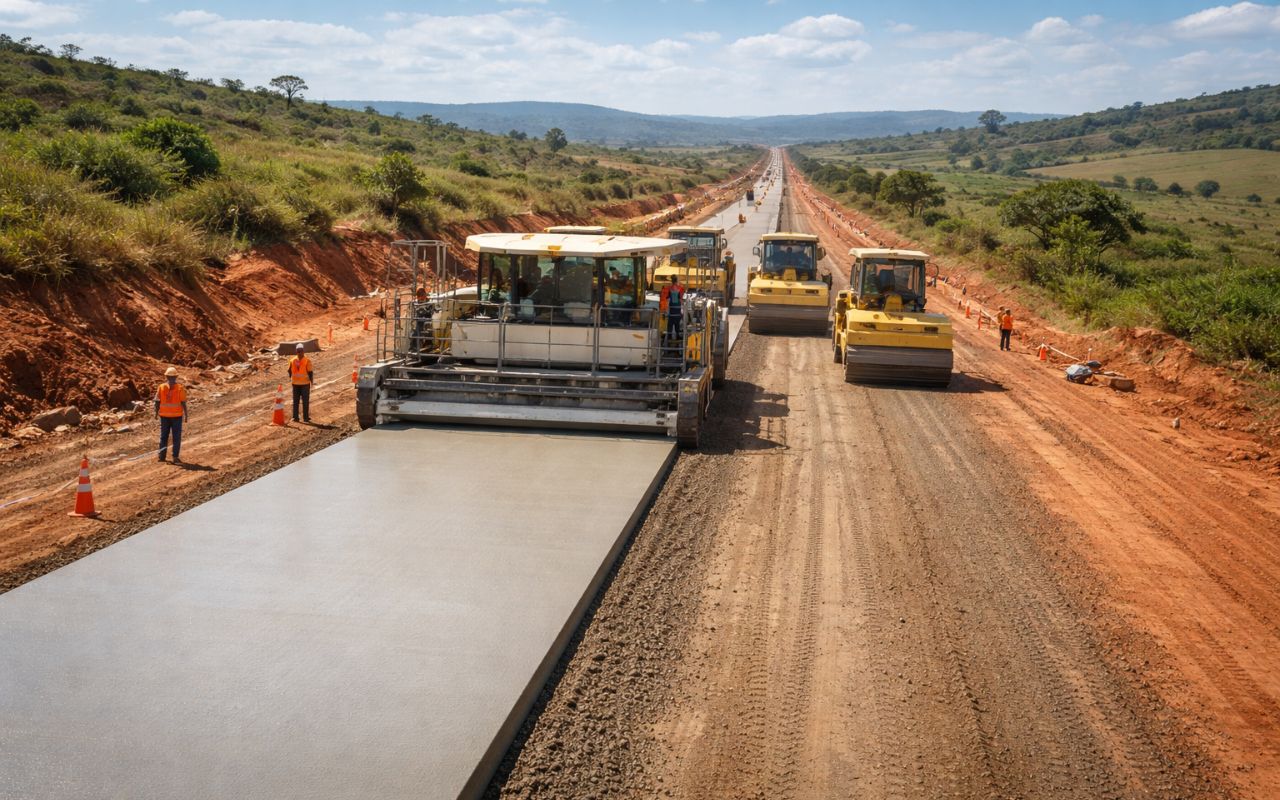
New CCR concrete paving technology promises roads up to 3x more durable, less maintenance, and cost reduction in Brazil.
-
Made from recycled plastic, plastic wood is gaining space in the construction industry because it does not rot, resists moisture, and reduces maintenance costs over the years.

-
Florianópolis will receive a million-dollar BRT that will begin construction in 2026 with nearly 400 million in funding from the federal government and the Inter-American Development Bank, and the map already shows the routes for the exclusive bus corridors.

-
Without a blueprint, without an engineer, and using scrap from the dump, a father spends 15 years building an 18-room castle for his daughter, featuring tram tracks, 13 fireplaces, and over 700 m², which may now be demolished.

The dimensions used were approximately:
90 centimeters by 1 meter wide
1.20 meters deep
According to the mason, these measures may vary according to the project’s design. He explains that the larger the well, the greater the water infiltration capacity, which can increase the efficiency of the drainage system.
After finishing the excavation, the site is already prepared to receive the next stages of the structure.
Drilling at the Bottom Improves Water Infiltration in the Soil
After excavating the well, the mason performs an important procedure to increase the efficiency of the system: drilling deep holes at the bottom of the box.
He makes two deep drillings using excavation tools. These drills are about 150 millimeters in diameter.
According to the mason, the deeper these drillings are, the better the rainwater drainage. This happens because they act as additional channels that help water penetrate more quickly into the soil layers.
In the example presented, the drills were deepened to about 2.1 meters, creating an even larger pathway for infiltration.
Block Structure Prevents Collapse of the Well
To ensure stability for the system, the mason builds a retaining wall around the hole using cement blocks.
This structure plays an essential role in the well’s functioning.
It prevents the bank from collapsing over time and harming the drainage system. Without this protection, the soil could fall into the box, reducing the available space for water infiltration.
The mason explains that this block wall significantly increases the structure’s durability, allowing the system to continue functioning for many years.
Large Stones Are Essential for the Functioning of the System
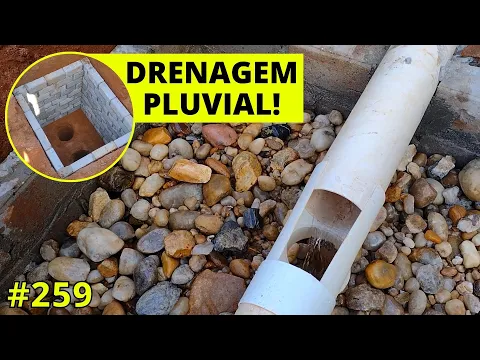

With the structure ready, the next step is to fill the inside of the box with stones.
The mason uses coarse gravel number 3, a type of larger stone that creates spaces between the fragments, facilitating water passage.
He gives an important warning.
Smaller stones, such as the gravel used in concrete, are not recommended for this type of drainage. According to the mason, this material may compact over time, hindering water flow.
On the other hand, coarse gravel keeps free spaces, allowing water to infiltrate more easily.
Installation of the Piping Connects the Rain Drainage
After the well is filled with stones, the mason begins the installation of the piping responsible for directing rainwater to the drainage system.
The piping is connected to the box and directed to convey water into the well.
An important detail presented by the mason is the installation of a pipe with the outlet facing down, helping to control the flow and improve the functioning of the drainage.
After that, the piping continues to the point of rainwater collection, allowing the entire system to function in an integrated manner.
Test Shows Efficiency of the Drainage Box
With the entire structure finalized, the mason conducts a test to check the system’s functioning.
When pouring water into the system, it is possible to observe that the water disappears quickly into the well, without accumulating on the surface.
This result demonstrates that the drainage is working correctly.
According to the mason, this type of solution can make a significant difference when applied in residential areas, especially in regions that experience heavy rainfall.
System Can Help Reduce Floods and Recharge the Aquifer
Besides preventing flooding in homes, the mason highlights another important benefit of this type of system.
When rainwater infiltrates the soil, it helps to replenish the aquifer, which is one of the main natural reserves of freshwater.
If this type of drainage were applied in more residences, the impact of rains in cities could be lower, and the natural infiltration of water into the soil would be greater.
For the mason, small solutions in civil construction can contribute both to preventing urban problems and preserving natural resources.
And you, have you seen or used this type of drainage well made by a mason in any construction or residence?









O problema é ser feito próximo a casas,pois com o tempo pode danificar a estrutura da casa…
Gostei da eficiência desse profissional, Deus abençoe 🙏🏻
Obra semelhante tenho no pq trindade II ap de Goiânia, já 42 anos fiz parte assoss. Meu bairro exigimos das autoridades obras: rede esgoto fluvial. Em minha casa Goiânia utilizo caixa de brita n3 nível do solo outra de 25m2 em elemento vazado aproximadamente 70% da água que cai no meu lote de 450m são absorvida direcionada ao lençol freático; a ADM pública deveria produzir leis de incentivo para sanear os problemas que eles mesmos produz que são calçamentos das áreas públicas sem estes exemplos: ruas sem esgotos fluviais praças sem sistema de drenagens s/ infiltrações, prédios públicos sem sistemas infiltrantes