





 Portuguese
  English
  Spanish
  4 min of reading
  0 comments


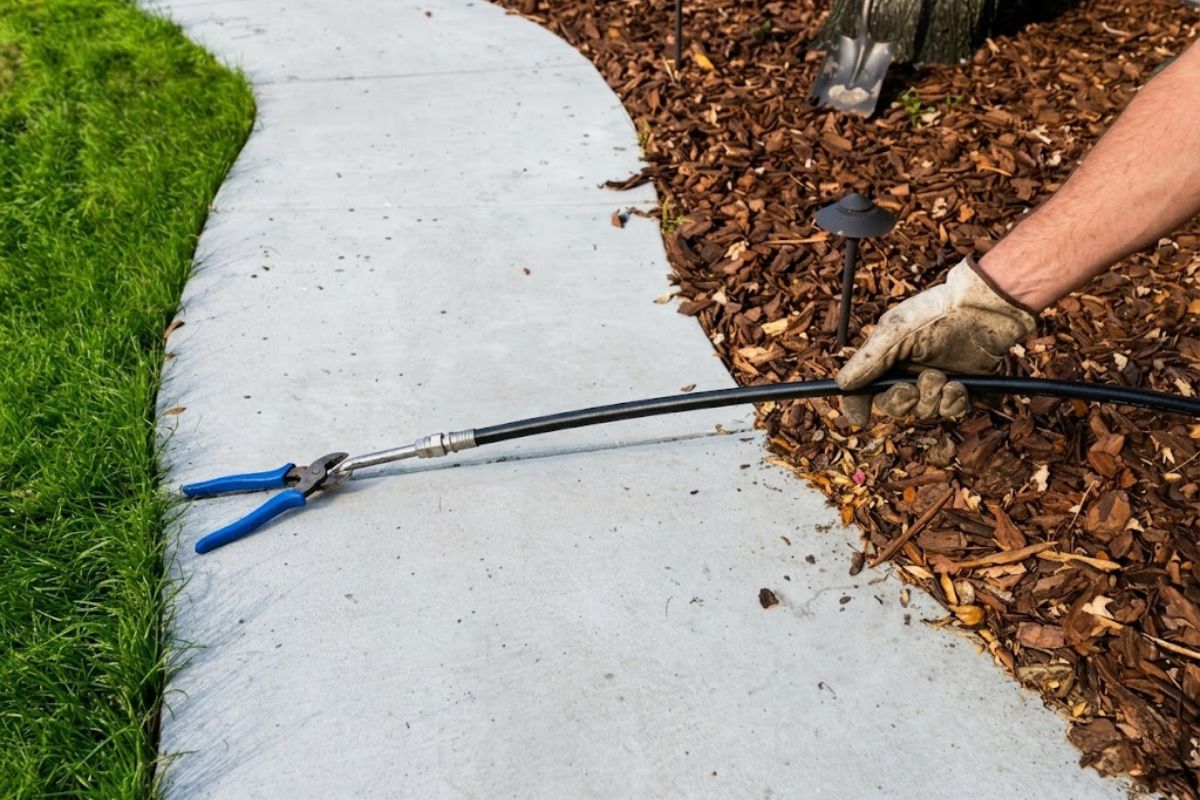
A Mason Demonstrated A Simple Trick That Uses Only A Garden Hose And A Piece Of Pipe To Create An Opening Under Concrete, Allowing The Installation Of Plumbing Beneath Slabs Or Sidewalks Without Breaking The Structure And Avoiding Lengthy Renovations
A mason caught attention by demonstrating a simple method that allows for running a pipe under a slab or sidewalk without needing to break the concrete. The trick uses only common tools and a garden hose.
In the demonstration video, the mason explains how water pressure can be used to excavate soil beneath the structure, creating enough space to install a pipe in just a few minutes.
The Mason’s Trick To Cross Concrete Without Breaking Anything
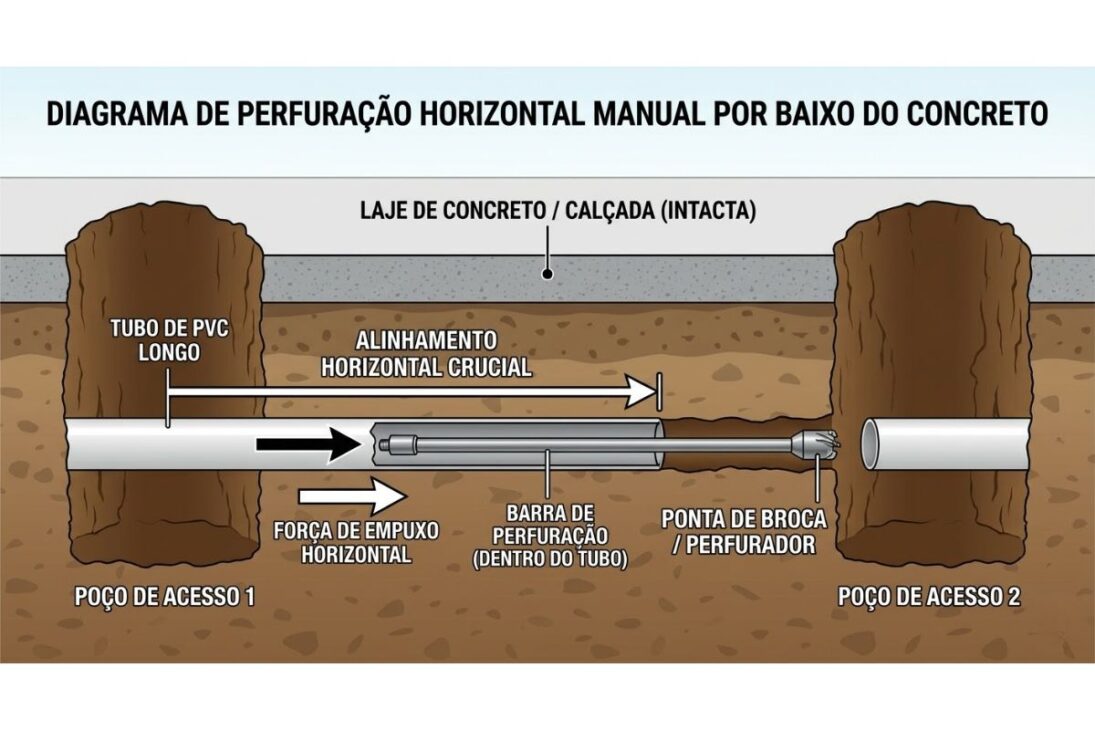
The method presented by the mason starts with a simple procedure: digging two holes, one on each side of the slab or sidewalk.
-
Spain surprises the world by erecting 62 artificial dunes, mixing sand with natural remains of posidonia, and causing the structure to lose only 1.4% of its volume in 1 year.

-
With 16 Bulava missiles, improvements in acoustic stealth, and a design focused on silent patrols, Russia’s nuclear submarine was born to ensure Moscow’s invisible retaliation and has become one of the pillars of its maritime strength.

-
‘Populous’ city in Rio among the worst in Brazil in national ranking and exposes silent development crisis.

-
Couple buys house in the South Zone of São Paulo, opens a hidden door in the garage, and finds a secret wine cellar with dozens of old wines forgotten since the 1970s.

These holes serve as access points for the excavation beneath the concrete.
Next, the mason positions a long PVC pipe horizontally aimed at the base of the structure.
The idea is to keep the pipe as level as possible with the ground to prevent it from rising or falling during drilling.
The straighter the angle of the pipe, the easier it will be to traverse the ground beneath the concrete.
This preparation is essential for the process to work correctly.
The Hydro-Excavation Technique Using A Hose
The distinctive feature of the method shown by the mason lies in using water to remove the dirt.
A garden hose is connected to the end of the PVC pipe, directing the water flow into the soil.
When the water starts to come out of the pipe’s end, it softens and displaces the soil, creating a small underground tunnel.
At the same time, the mason pushes and pulls the pipe repeatedly.
This movement helps to clear the way while the water removes the soil.
This process is known as hydro-excavation, a technique that uses water to excavate without the need for heavy tools.
How The Tunnel Is Created Beneath The Slab
With the water excavating the soil and the pipe being moved back and forth, the path begins to gradually form.
The displaced soil exits through the opening of the initial hole.
After a few minutes, the pipe completely traverses the space beneath the slab or sidewalk.
When this happens, the mason already has a channel ready to install the permanent plumbing.
The pipe used for excavation can then be removed or used as a guide.
This small tunnel allows for plumbing installation without needing to break the concrete.
This avoids a much larger construction project.
The Final Step In Installing The Pipe
After creating the underground passage, the mason connects the permanent pipe to the one used for excavation.
Then, he simply pulls or pushes the pipe until it completely crosses through the formed tunnel.
The result is a pipe installed beneath the slab or sidewalk without any damage to the structure.
After installation, the removed soil is put back into the side holes.
This backfilling is important because it helps maintain the support of the concrete.
Without this proper filling, the slab could suffer cracks over time.
Why This Method Captures Attention In Small Construction Projects
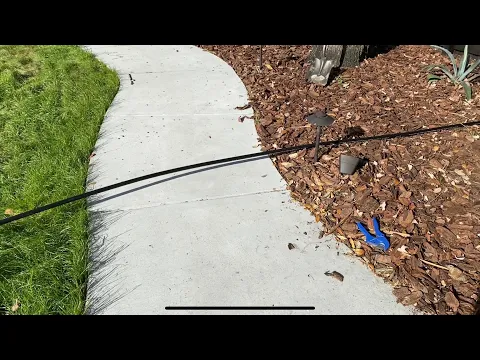

The technique demonstrated by the mason has gained attention precisely for its simplicity.
Typically, running plumbing beneath concrete requires breaking the slab or using specialized equipment.
This increases the cost and time of the project.
With the hose method, the process can be done with simple tools that many professionals already have.
The trick reduces effort, avoids mess, and speeds up the work.
For this reason, it is commonly used in small projects or home renovations.
The method presented by the mason shows how simple solutions can solve common construction problems without the need for major interventions.
By using only water, a PVC pipe, and a garden hose, it is possible to create openings under concrete and install plumbing quickly.
Tricks like this reveal that many construction techniques rely more on practical knowledge than on expensive equipment.
Now the curiosity remains.
If you were renovating your house and needed to run a pipe under the sidewalk, would you attempt to use this mason’s trick or would you prefer to break the concrete instead?








Seja o primeiro a reagir!